
Hear from Our Customers
Mold doesn’t just look bad. It makes you feel worse – headaches, breathing issues, that musty smell you can’t shake. If you’ve got kids or anyone with asthma in the house, you’re probably losing sleep over it.
Here’s what changes after proper mold remediation. You stop worrying every time someone coughs. The air smells clean. You’re not embarrassed when people come over. And you’re not wondering if this is going to cost you thousands more down the road because it wasn’t done right the first time.
We remove the mold you see and the mold you don’t. Then we fix what caused it – because if water’s still getting in, mold’s coming back. That’s how you actually solve this, not just cover it up until next season.
We work throughout Philadelphia, and we’ve seen what happens in Graduate Hospital’s rowhomes. Shared walls, old plumbing, flat roofs that pool water, basements with stone foundations – these aren’t new problems to us.
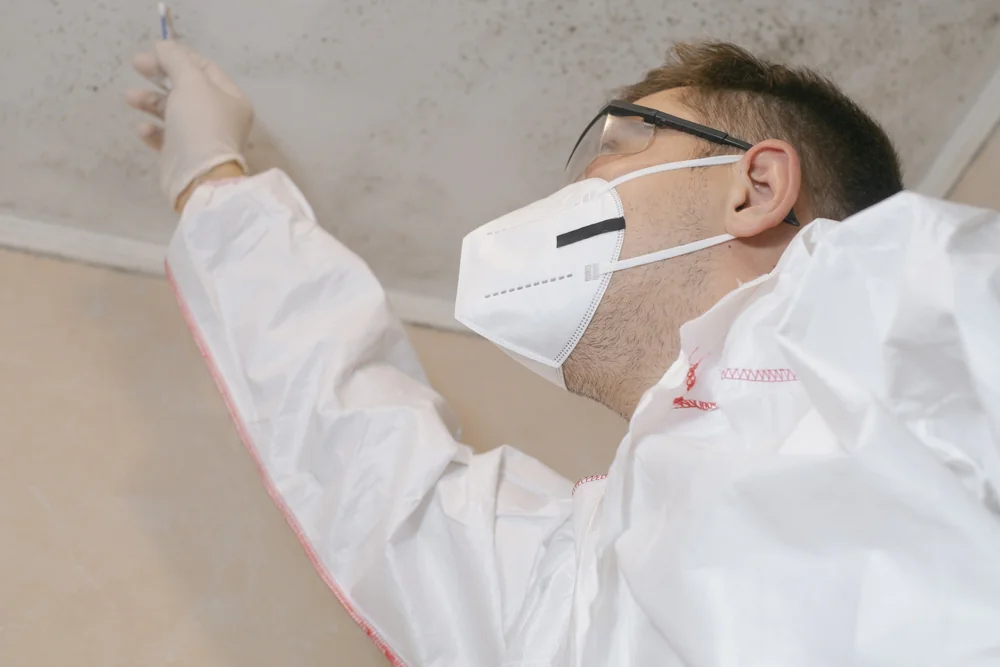
We’re certified inspectors who’ve handled everything from small bathroom mold to whole-house contamination. Our team uses thermal imaging and moisture meters to find mold hiding in places you’d never think to check. We document everything for insurance, walk you through what we find, and explain what needs to happen in plain terms.
You’re hiring people who show up on time, do the work right, and don’t try to upsell you on things you don’t need.
First, we inspect. That means checking the obvious spots and the hidden ones – behind walls, under floors, inside HVAC systems. We use moisture meters and thermal cameras to see where water’s getting in, because that’s what’s feeding the mold.
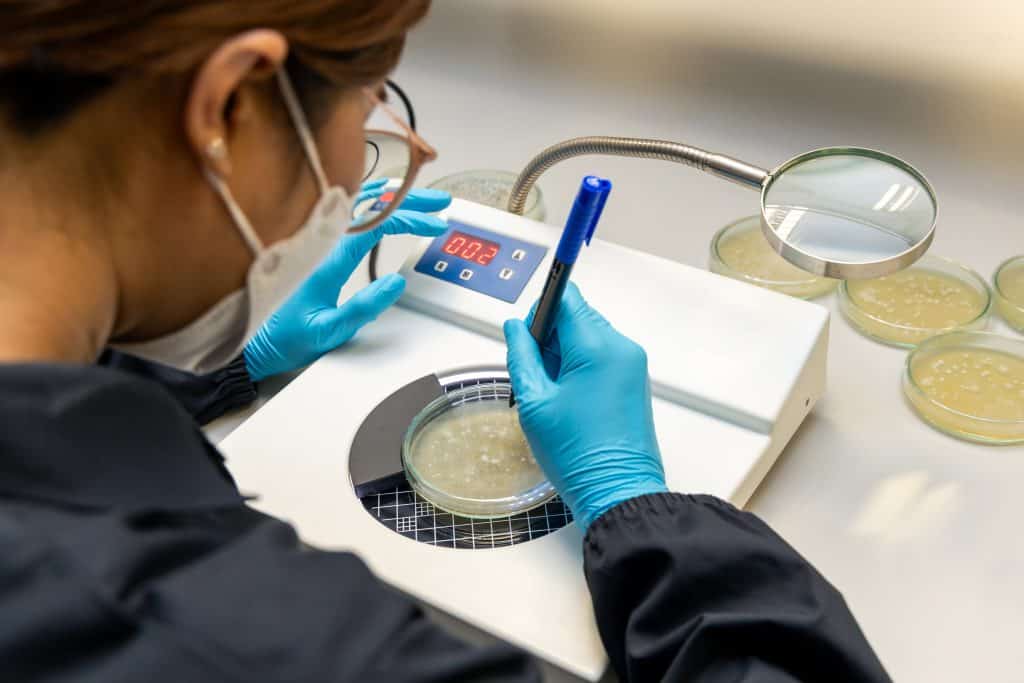
Then we test if needed. Sometimes it’s obvious. Sometimes it’s not. If we’re dealing with black mold or need to know the extent, we’ll take samples and send them to a lab.
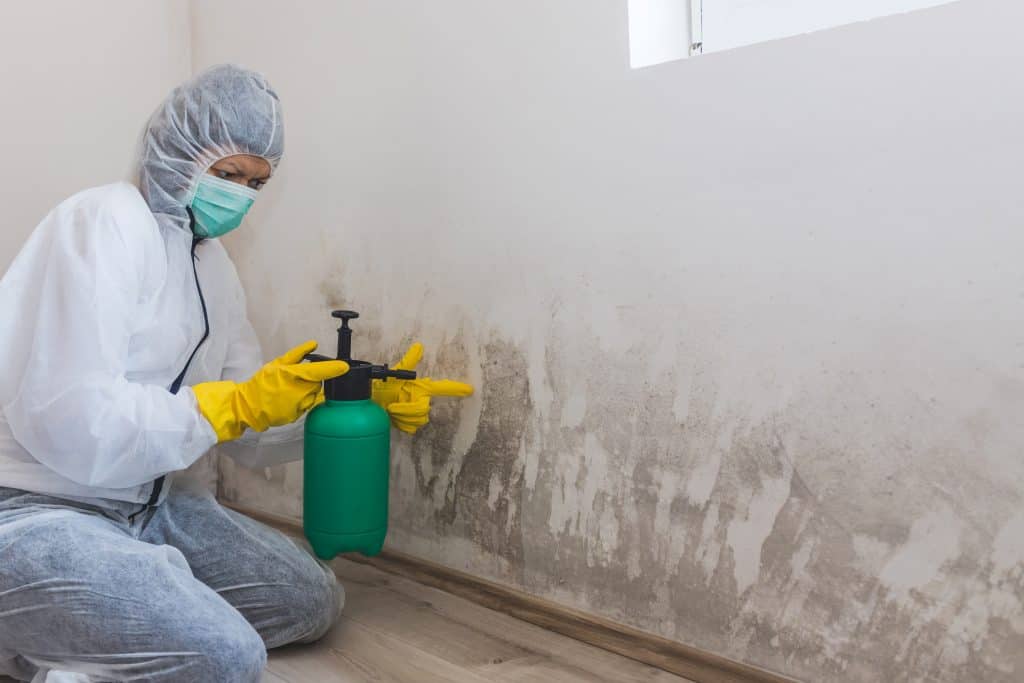
Next comes containment and removal. We seal off the area so mold spores don’t spread to clean parts of your home. Then we remove contaminated materials, treat affected surfaces, and use HEPA filtration to clean the air. If drywall or insulation is ruined, we pull it out. If it can be saved, we treat it.
Last step: we fix the source. New flashing on the roof. Better drainage in the basement. Fixing that slow leak in the bathroom. If we don’t address why the mold grew in the first place, you’ll be calling someone again in six months.
Ready to get started?
You get a full inspection with moisture mapping and thermal imaging. We identify every area where mold is growing and every place water is coming in. You’ll see photos and get a written report you can give to your insurance company if needed.
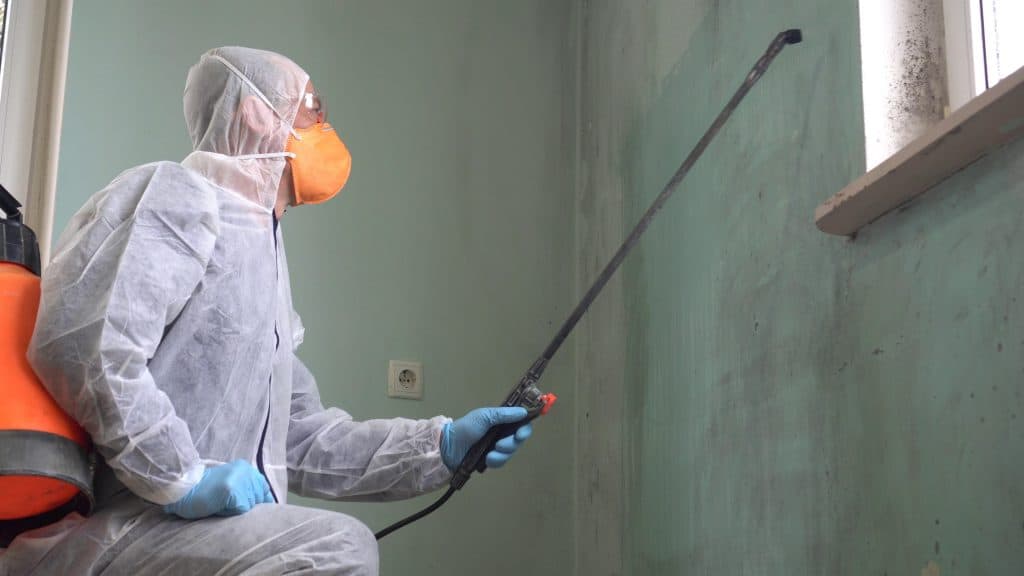
Containment comes next – we set up barriers and negative air pressure so mold doesn’t spread while we work. Then we remove the mold using HEPA vacuums, antimicrobial treatments, and safe cleaning methods. If materials like drywall or insulation are too damaged, we remove and dispose of them properly.
Graduate Hospital homes deal with specific issues. Brick rowhomes trap moisture. Shared walls mean leaks from your neighbor can become your problem. Flat roofs are notorious for pooling water, especially after Philadelphia’s heavy spring rains. Old cast iron plumbing corrodes and leaks behind walls where you can’t see it until mold starts growing.
We handle all of it – basements, crawl spaces, attics, bathrooms, kitchens. And we make sure the moisture problem gets fixed so you’re not paying for mold removal twice.
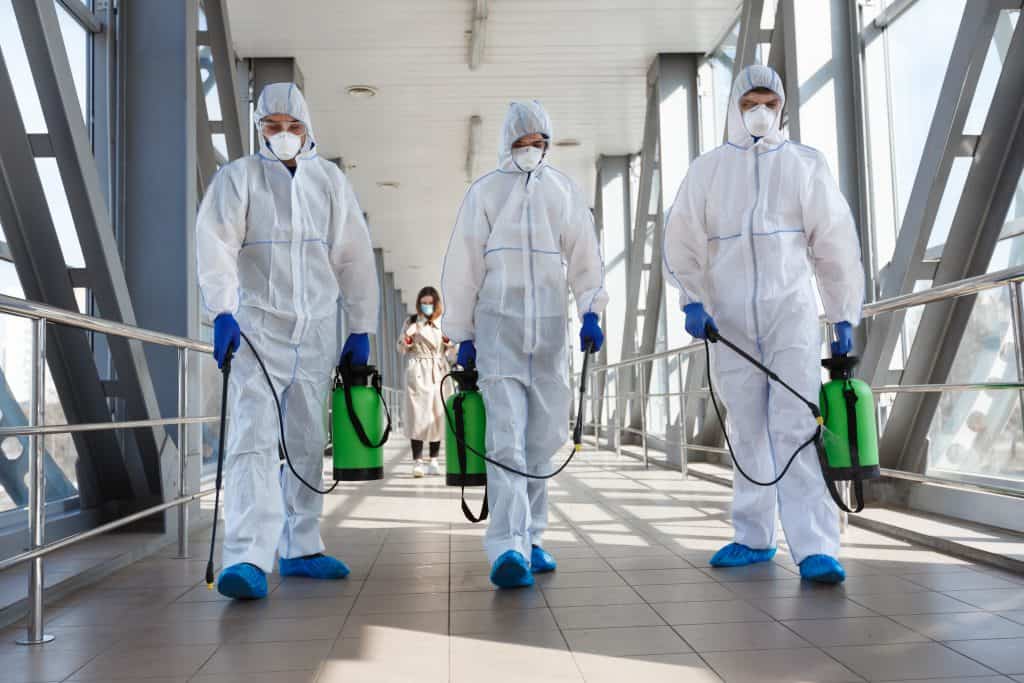
Most jobs run between $1,500 and $4,000 depending on how much mold there is and where it’s growing. A small bathroom might cost $500. A finished basement with hidden mold behind walls could run $10,000 or more.
Here’s what affects price: square footage of contaminated area, whether we need to remove drywall or flooring, how accessible the mold is, and what’s causing the moisture. If your roof is leaking and needs repair, that’s separate – but necessary if you want the mold gone for good.
Insurance usually caps mold coverage between $5,000 and $10,000, and a lot of policies exclude it entirely unless it’s from a covered event like a burst pipe. We document everything and provide detailed reports to help with claims, but most homeowners end up paying out of pocket for at least part of the work.
A small, contained job might take one day. A whole-house remediation can take a week or more, especially if we’re waiting for materials to dry out before we can rebuild.
The process itself – containment, removal, cleaning, air scrubbing – usually takes two to four days for an average-sized area. But if we’re dealing with a wet basement that needs waterproofing or a roof that’s been leaking for months, the timeline extends. We can’t just clean up mold and leave the leak – that’s setting you up to call us again next year.
Graduate Hospital rowhomes add time because of shared walls and tight spaces. We have to be careful not to disturb your neighbors, and access can be tricky in older homes with narrow staircases and small doorways. We’ll give you a realistic timeline after the inspection, not a guess.
If it’s a tiny spot – less than 10 square feet, on a hard surface, and you caught it early – maybe. Spray it with a mix of detergent and water, scrub it off, dry the area completely, and fix whatever caused the moisture.
But here’s where DIY goes wrong. You can’t see mold inside walls, under flooring, or in your HVAC system. You don’t have the equipment to measure moisture levels or contain spores while you’re scrubbing. And if you’re dealing with black mold or a large area, you’re putting yourself at risk – respiratory issues, skin irritation, allergic reactions.
Most people who try to handle it themselves either miss hidden mold or spread spores to other parts of the house while cleaning. Then the problem gets worse and costs more to fix later. If you’re seeing mold in multiple spots, smelling it but can’t find it, or it keeps coming back after you clean it, call someone who has the right tools and training.
Philadelphia’s humidity and rain are part of it, but the bigger issue is how these homes are built. Most of Graduate Hospital is rowhomes from the 1800s and early 1900s – brick construction, shared walls, stone or brick foundations, flat roofs. All of that traps moisture.
Flat roofs pool water, especially if the drainage isn’t perfect. That water finds its way in through old flashing or cracks in the roofing membrane. Basements with stone foundations let groundwater seep through, and most don’t have proper vapor barriers. Old cast iron plumbing corrodes and leaks slowly behind walls where you won’t notice until mold appears.
Shared walls mean your neighbor’s leak can become your mold problem. Poor ventilation in older homes – especially bathrooms and kitchens – means moisture from showers and cooking has nowhere to go. Add in Philadelphia’s humid summers, and you’ve got the perfect environment for mold growth. It’s not your fault. It’s how these homes were built, and it takes specific knowledge to fix it right.
Not if the moisture problem gets fixed. Mold needs water to grow. Remove the water source, and mold can’t survive.
That’s the difference between a real remediation and a quick cleanup. If someone just scrubs the mold off your basement wall but doesn’t fix the foundation leak or improve drainage, you’ll have mold again within months. Same with a bathroom – if the exhaust fan doesn’t work or the grout is cracked, moisture keeps building up and mold keeps coming back.
We don’t just remove mold. We find out why it’s there – roof leak, plumbing issue, condensation problem, poor ventilation – and we fix it or tell you exactly what needs to be fixed. Then we treat the area with antimicrobial solutions and make sure it’s completely dry before we close it back up. That’s how you keep mold from returning. Anything less is just temporary.
Depends on the size of the job and where the mold is. For a small, contained area like a bathroom or closet, you can usually stay. We seal off the work area with plastic sheeting and use negative air pressure to keep spores from spreading to the rest of your house.
For larger jobs – like a whole basement or multiple rooms – it’s smarter to stay somewhere else, especially if you have kids, elderly family members, or anyone with respiratory issues. Mold remediation stirs up spores even with containment, and some people are more sensitive than others.
We’ll tell you upfront whether you need to leave. If you do, it’s usually just for a few days while we do the heavy removal and air scrubbing. Once the space is clean and we’ve run HEPA filters to clear the air, it’s safe to come back. We test the air quality before we call a job complete, so you’re not guessing whether it’s actually safe.
Other Services we provide in Graduate Hospital