
Hear from Our Customers
You spend over 90% of your time indoors. If the air in your Durham home contains mold spores, dust mites, or other contaminants, you’re breathing that in constantly.
Indoor air can be up to five times more polluted than outdoor air. That’s not a scare tactic—it’s what happens when homes are built tighter for energy efficiency but lack proper ventilation or have hidden moisture problems. Headaches that won’t quit, fatigue that feels unexplained, respiratory issues that seem to come out of nowhere—these aren’t always random.
A home air quality test gives you actual data. You’ll know if mold is growing somewhere you can’t see. You’ll know if your HVAC system is circulating allergens. You’ll know what’s in the air and what needs to be fixed. That’s when you can make real decisions instead of guessing or hoping the problem goes away on its own.
We’ve been serving Durham and Bucks County with one focus: creating healthy homes by finding the source of the problem and fixing it for good. We’re not a national franchise following a script. We’re local, and we understand how Pennsylvania’s humid summers and cold winters create the exact conditions for moisture problems and mold growth.
Bucks County has a mix of older homes and newer construction, each with their own air quality risks. Older homes weren’t built with today’s ventilation standards. Newer homes are sealed tight, which traps moisture if something goes wrong. We’ve seen it all, and we use specialized equipment—infrared cameras, moisture meters, professional-grade testing tools—to assess what’s actually happening in your home.
You get a free inspection up front. No pressure, no upselling. Just a trained crew that knows what to look for and how to explain it in plain terms.
First, we walk through your home and talk about what you’ve noticed. Musty smells, visible moisture, health symptoms that started recently—it all matters. This isn’t a checklist. It’s a conversation that helps us understand your specific situation.
Next, we use infrared cameras to detect temperature differences in walls, ceilings, and floors. Moisture hides behind surfaces, and thermal imaging shows us where it’s collecting. We also use moisture meters to measure exact levels in materials like drywall, wood, and insulation.
Then we collect air samples from different areas of your home. These samples get analyzed to identify mold spores, allergens, and other airborne contaminants. We’re looking at what’s in your air right now, not just what might be there.
After testing, you get a complete analysis. We explain what we found, what it means for your health and your home, and what steps make sense to fix it. If there’s a mold problem, we’ll tell you where it’s coming from and how to stop it. If your air quality is fine, we’ll tell you that too. The goal is clarity, not selling you something you don’t need.
Ready to get started?
Your residential air quality testing covers the full picture. We’re checking for mold, but we’re also looking at ventilation, humidity levels, and potential sources of contamination like HVAC systems or plumbing issues.
Pennsylvania has one of the worst radon problems in the country—40% of homes here test above EPA action levels. Radon is colorless and odorless. You’d never know it’s there without testing. Durham sits in Bucks County, where older homes and specific soil conditions make radon a real concern. We can include radon testing as part of your assessment if you want that peace of mind.
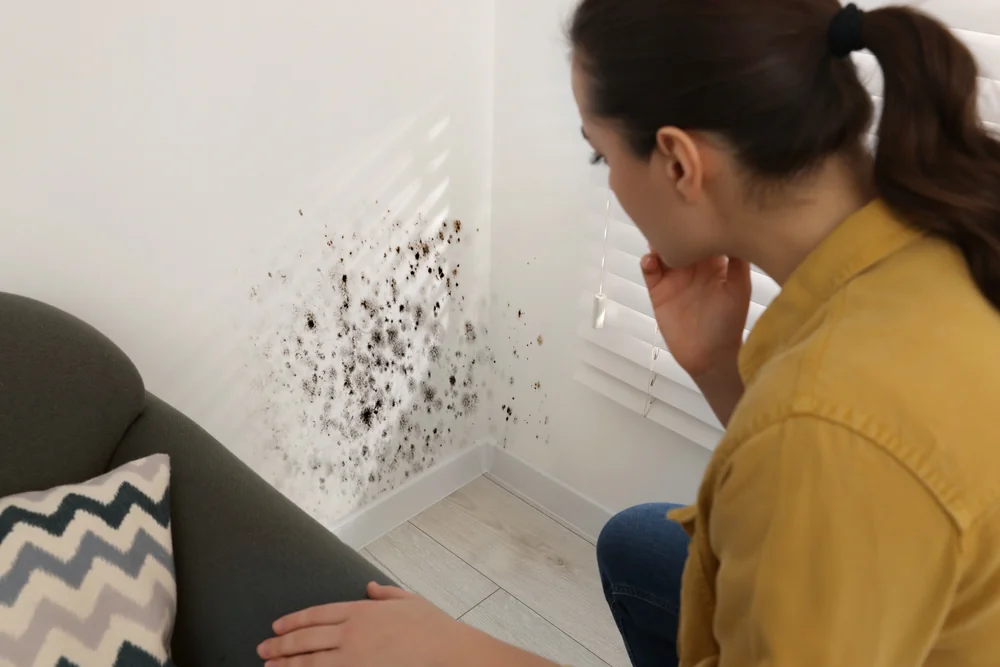
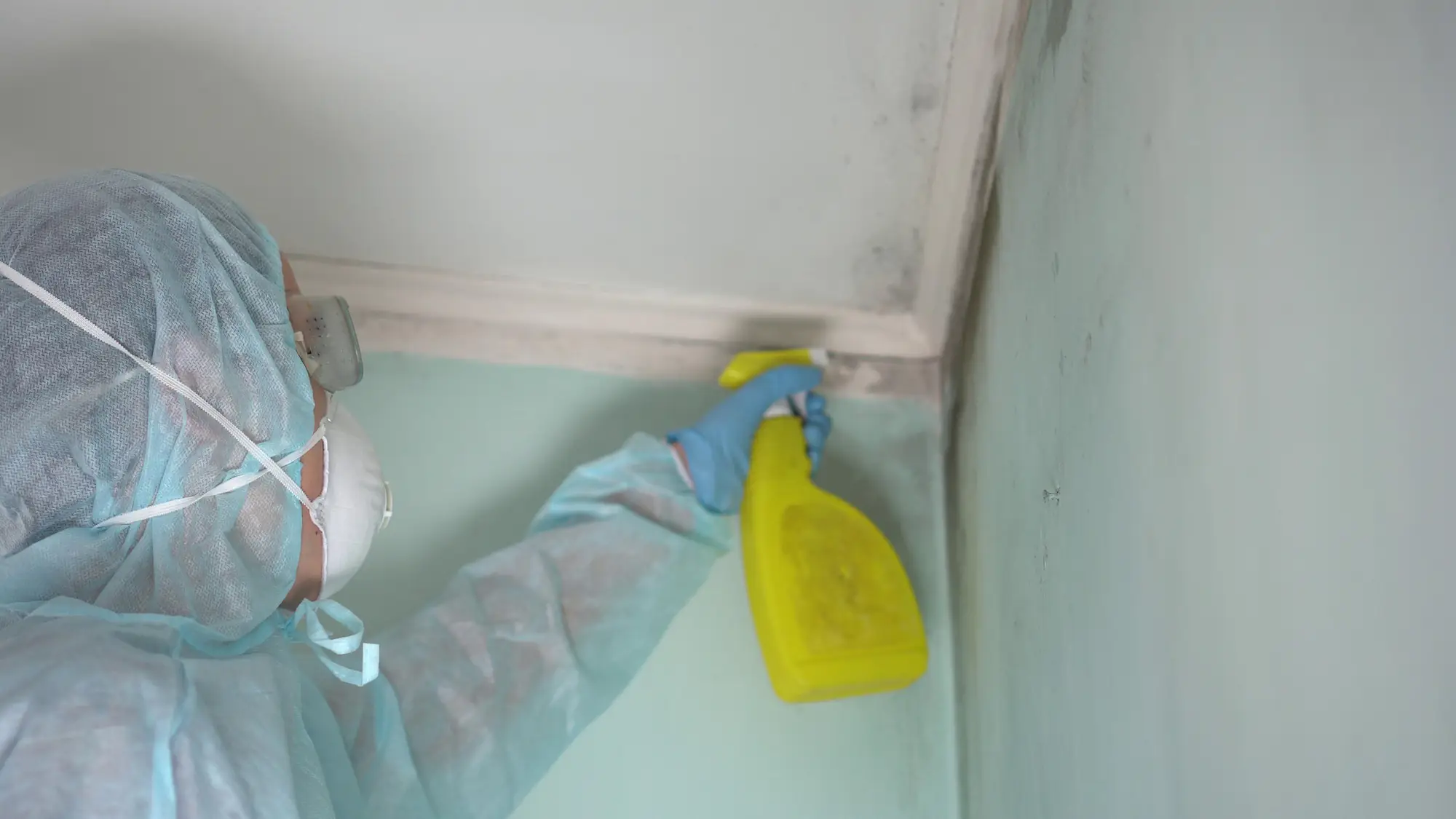
Mold is the other big issue in this area. Pennsylvania’s climate creates ideal conditions for mold growth, especially in basements, crawl spaces, and areas with poor airflow. Mold doesn’t just affect air quality—it can double the risk of asthma in children and cause serious respiratory problems for anyone with a weakened immune system. Our mold air test identifies what types of mold are present and at what concentration, so you know if remediation is necessary.
You also get recommendations that go beyond the immediate problem. If your HVAC system needs attention, we’ll tell you. If a plumbing leak is feeding mold growth, we’ll find it. We’re certified inspectors, and unlike franchise competitors, we assess your entire home environment—not just one piece of it.
Most homeowners in Bucks County spend between $290 and $585 for a standard indoor air quality assessment. The cost depends on the size of your home, the number of air samples needed, and whether you’re adding specific tests like radon or VOC screening.
Professional air quality testing delivers more reliable results than DIY kits you’d buy at a hardware store. Those kits test one spot at one moment in time. A professional assessment samples multiple areas, uses calibrated equipment, and gives you lab-analyzed results that actually mean something. You’re paying for accuracy and expertise, not just a test strip.
We offer free inspections to start. That means we assess your situation, explain what testing makes sense for your home, and give you upfront pricing before any work begins. No surprises, no hidden fees.
An indoor air quality test identifies mold spores, allergens like dust mites and pet dander, volatile organic compounds (VOCs) from cleaning products or building materials, and other airborne contaminants. If you add radon testing, we’re also measuring radioactive gas levels that can seep into your home from the ground.
The test tells you what’s in your air and at what concentration. For mold, we identify the specific types present—some molds are more hazardous than others. For allergens, we measure levels that could be triggering respiratory symptoms or making asthma worse. For VOCs, we’re looking at chemicals that off-gas from paints, furniture, or stored materials.
You get a detailed report that breaks down what we found in each area of your home. We explain what the numbers mean in plain language and what action, if any, you should take. Some findings might just need better ventilation. Others might require mold remediation or fixing a moisture source. The test gives you the information to make the right call.
The on-site portion of a residential air quality test usually takes one to three hours, depending on the size of your home and the scope of testing. We’re not rushing through it. We’re doing a thorough assessment that includes visual inspection, thermal imaging, moisture readings, and collecting air samples from multiple locations.
After we collect samples, they go to a lab for analysis. You’ll typically get results within three to five business days. Some tests, like radon, require a longer sampling period—usually 48 hours of continuous monitoring with a device we leave in your home.
Once results come back, we schedule a follow-up to review findings and discuss next steps. That conversation usually takes 30 to 45 minutes. We walk you through everything we found and answer any questions you have. If remediation is needed, we’ll explain the process and timeline for that as well.
You can buy DIY air quality test kits, but they have serious limitations. Most DIY kits only test one location for a short period of time. Air quality varies throughout your home and changes based on time of day, weather, and HVAC operation. A single test strip in your basement doesn’t tell you what’s happening in your bedrooms or living areas.
DIY mold tests are especially unreliable. They often produce false positives because mold spores are present in almost every indoor environment at low levels. What matters is the type of mold and the concentration—and DIY kits don’t give you that level of detail.
Professional testing uses calibrated equipment and lab analysis. We collect samples from multiple areas using methods that meet industry standards. The lab identifies specific mold species, measures spore counts, and compares your indoor air to outdoor baselines. That’s how you get actionable information instead of vague results that leave you guessing. If you’re dealing with health symptoms, planning a real estate transaction, or concerned about a moisture problem, professional testing is worth the investment.
Persistent musty odors are a big red flag, especially in basements, bathrooms, or areas with poor ventilation. If you smell something but can’t find the source, there’s likely hidden mold or moisture buildup behind walls or under flooring.
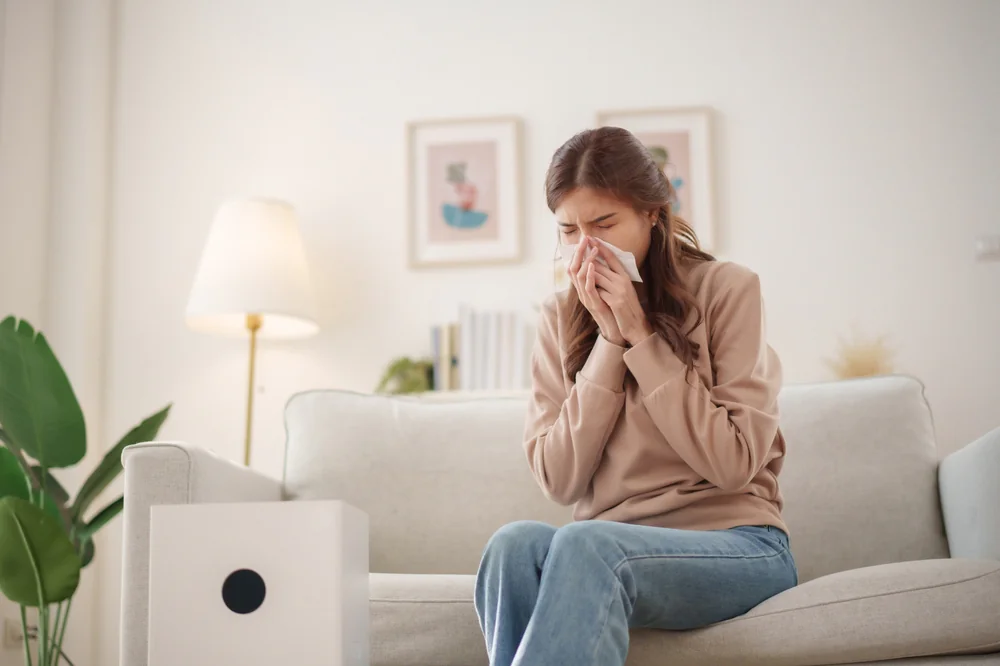
Health symptoms that improve when you leave the house are another indicator. Headaches, fatigue, dry eyes, coughing, or allergy symptoms that seem worse at home suggest your indoor air quality is affecting you. This is especially concerning if multiple family members are experiencing similar issues.
Visible signs like water stains, peeling paint, warped flooring, or condensation on windows point to moisture problems that create conditions for mold growth and poor air quality. Recent water damage—even if it was cleaned up—often leaves behind hidden moisture that continues to cause problems. If you’ve had flooding, roof leaks, or plumbing issues in the past year, testing makes sense even if you don’t see obvious mold.
It depends on why you need the test. If you’re testing because of sudden water damage from a covered event—like a burst pipe or storm flooding—your homeowners insurance may cover the cost of testing and remediation. You’ll need to file a claim and document the damage.
If you’re testing for general concerns or long-term issues like chronic moisture problems, insurance typically won’t cover it. Maintenance-related problems or gradual damage that developed over time usually fall outside standard policy coverage.
We work with insurance companies regularly and can help you navigate the claims process if your situation qualifies. We provide detailed documentation, photos, and reports that insurance adjusters need to evaluate your claim. Even if insurance doesn’t cover testing, knowing what’s in your air and addressing it now prevents much more expensive structural damage and health issues down the road. In Pennsylvania, where mold isn’t regulated by state health departments, maintaining healthy indoor air quality is up to you as the homeowner.
Other Services we provide in Durham