

Hear from Our Customers
You can’t see most mold growth. It hides behind walls, under floors, in crawl spaces. By the time you smell that musty odor or see visible spots, you’re already dealing with a bigger problem than you needed to.
Professional mold testing gives you the full picture. We test your air quality and inspect the places mold loves to grow in Bucks County homes—basements that stay damp through our humid summers, attics with poor ventilation, bathrooms without proper exhaust. You get a detailed report that tells you exactly what’s growing, where it’s growing, and what needs to happen next.
Early detection means smaller problems. Smaller problems mean lower costs and less disruption to your life. You’ll know if that persistent cough is actually related to your indoor air quality. You’ll have documentation if you’re buying or selling a home. You’ll sleep better knowing your kids aren’t breathing in something that could trigger asthma attacks or allergic reactions.
Testing takes the guesswork out. You’re not wondering anymore—you know.
We’ve been inspecting homes in Newportville Terrace and throughout Bucks County for over 20 years. That’s two decades of understanding how this area’s climate creates mold problems—the humid summers that push moisture into every corner, the freeze-thaw cycles that create hidden leaks, the older homes with ventilation systems that weren’t built for today’s air-tight construction standards.
Our team is IICRC-certified and trained specifically in mold detection and remediation. We’re not just looking for obvious growth. We’re checking air quality, testing surfaces, inspecting the hidden areas where mold starts before you ever notice it.
You’ll work with local professionals who understand Newportville Terrace homes because we’ve been inside hundreds of them. We know what to look for, where to look, and how to explain what we find in plain language you can actually use.
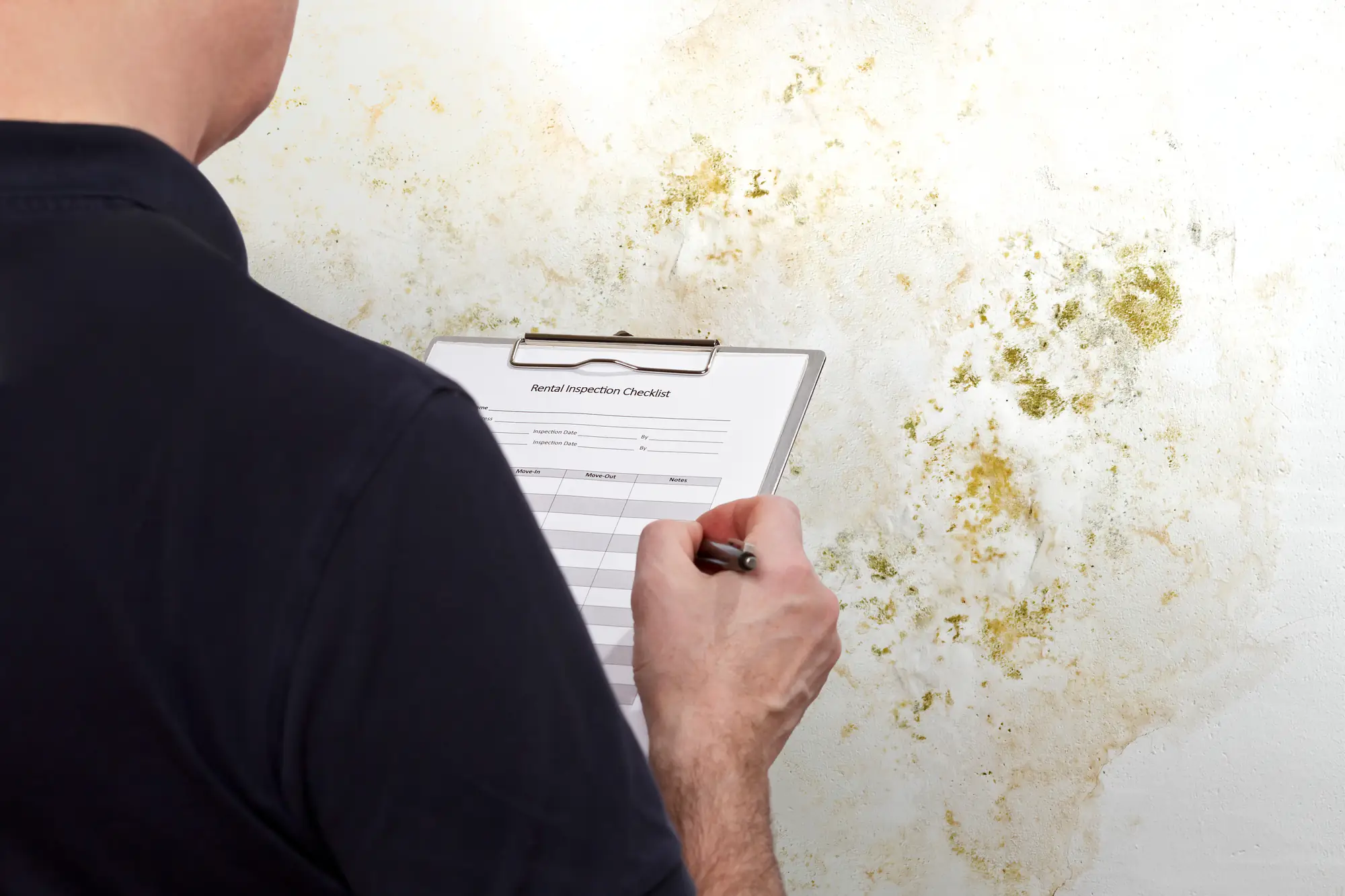
We start with a free consultation. You tell us what you’re seeing, smelling, or worried about. We ask questions about your home’s age, any water issues you’ve had, areas that stay damp.
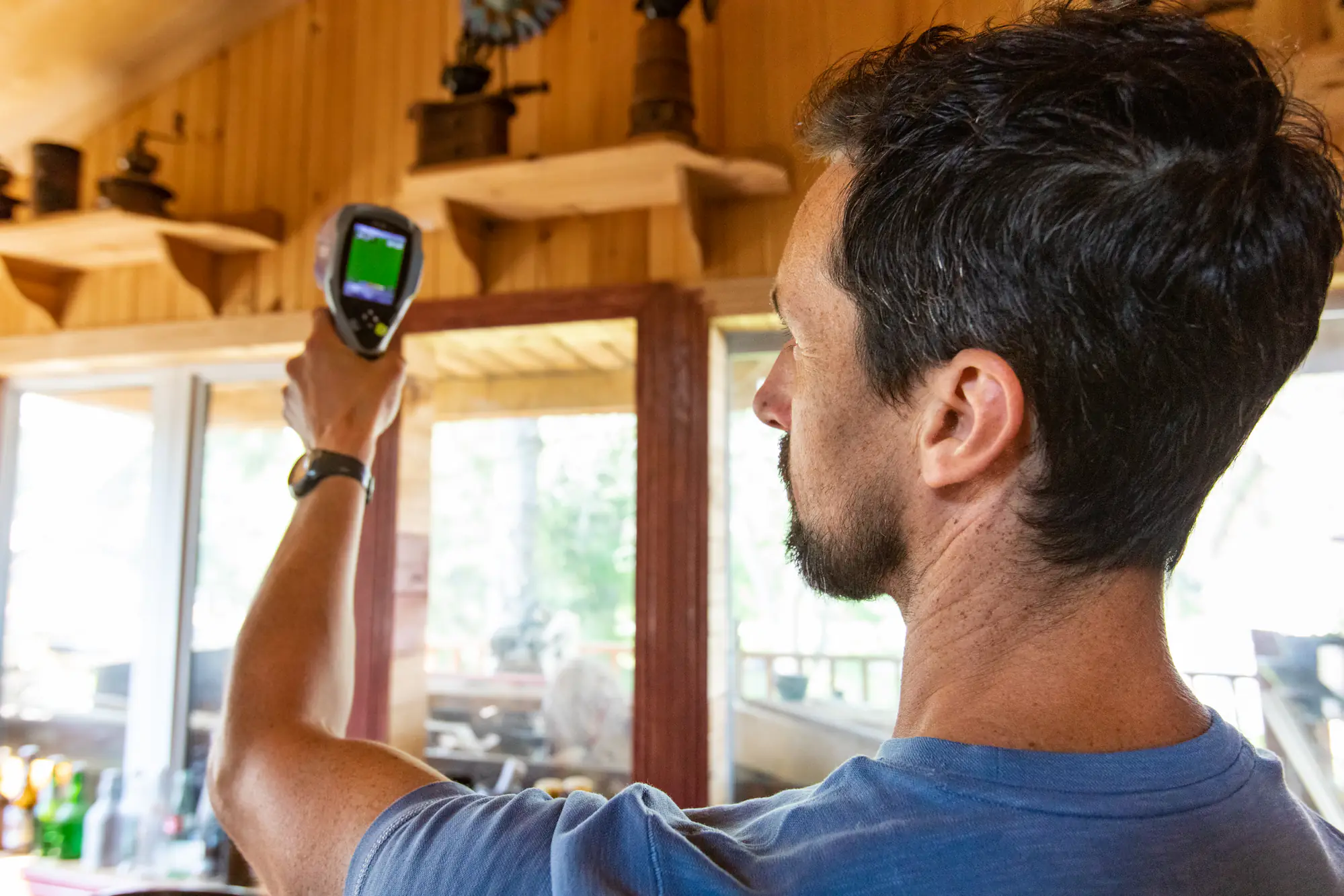
Then we do a thorough visual inspection. We’re checking basements, crawl spaces, attics, bathrooms, kitchens—anywhere moisture accumulates. We look for visible mold, water stains, condensation patterns, ventilation problems.
Next comes air sampling and surface testing. We collect samples from multiple areas of your home to test for mold spores in your indoor air. Surface testing tells us what’s actually growing on your walls, floors, or other materials. These samples go to a certified lab for analysis.
You get a detailed report within a few days. It breaks down what types of mold we found, the concentration levels, where the growth is located, and what’s causing it. We walk you through the findings and explain your options—whether that’s minor fixes you can handle yourself or professional remediation for more serious problems.
No pressure. No upselling. Just clear information so you can make the right call for your home and your budget.
Ready to get started?
Your inspection covers the full scope of potential mold issues in your home. We conduct visual inspections of all accessible areas, paying special attention to basements, bathrooms, kitchens, attics, and crawl spaces where Bucks County’s humidity creates ideal conditions for growth.
Air quality testing measures mold spore concentrations in your indoor air. This matters because you’re breathing these spores every day, even if you can’t see any visible mold. For families with asthma, allergies, or young children, this information is critical. Surface testing identifies exactly what’s growing on your walls, floors, ceilings, or other materials.
You receive a comprehensive written report with lab results, photos of problem areas, and specific recommendations. We explain which issues need immediate attention and which ones you can monitor. If remediation is necessary, we give you a clear scope of work and cost estimate.
The testing process typically takes 2-3 hours depending on your home’s size. Results come back from the lab within 3-5 business days. We schedule a follow-up call to review everything and answer your questions. Many Newportville Terrace homeowners use our testing before buying a home, after discovering a leak, or when family members develop unexplained respiratory symptoms.
Most residential mold testing in Bucks County runs between $300 and $600 depending on your home’s size and how many samples we need to collect. A typical 2,000 square foot home with standard air and surface testing usually falls around $400-$450.
That price includes the on-site inspection, air sampling from multiple rooms, surface testing of suspected growth areas, lab analysis, and a detailed report with recommendations. If you need testing in hard-to-reach areas like crawl spaces or require more extensive sampling, costs go up accordingly.
We offer free initial consultations. During that visit, we assess your situation and give you an exact quote before any testing happens. No surprises. Some homeowners only need a basic inspection, while others dealing with water damage or buying an older home need more comprehensive testing. We price based on what you actually need, not a one-size-fits-all package.
A mold inspection is a visual assessment. We walk through your home looking for visible mold growth, water damage, moisture problems, and conditions that encourage mold. We check ventilation, look for leaks, inspect areas that tend to stay damp. You get our professional opinion on whether you have a mold problem and where it’s likely growing.
Mold testing goes further. We collect air samples and surface samples that go to a certified lab for analysis. The lab identifies specific mold types, measures spore concentrations, and determines whether levels are elevated compared to outdoor air. Testing gives you hard data instead of just visual observations.
Most homeowners benefit from both. The inspection finds the obvious problems and the likely sources. Testing confirms what’s actually growing and how severe the contamination is. If you’re buying a home, dealing with health symptoms, or need documentation for insurance or legal purposes, you want the testing. If you just want to know whether that spot in your bathroom is mold or mildew, an inspection might be enough. We help you figure out which approach makes sense for your situation.
The on-site inspection and sample collection usually takes 2-3 hours for an average-sized home. Larger homes or properties with multiple problem areas can take longer. We’re thorough because missing a contaminated area means incomplete results.
Air samples need to run for a specific time period to capture an accurate reading of spore concentrations. Surface samples are collected using swabs or tape lifts from areas with visible growth or suspected contamination. We label everything carefully and send samples to a certified lab the same day.
Lab results typically come back within 3-5 business days. You receive a written report that breaks down mold types, spore counts, where samples were collected, and what the results mean for your home. We schedule a follow-up call to walk through the findings and answer your questions. If you’re in a time crunch—like closing on a house—we can sometimes expedite lab processing for an additional fee. Most situations don’t require that, but the option exists when you need faster answers.
Home mold test kits exist, but they have serious limitations. Most DIY kits only tell you that mold is present—which isn’t particularly useful since mold exists in virtually every home. They don’t identify specific mold types, measure concentration levels, or compare your indoor air quality to outdoor baseline levels.
Professional testing uses calibrated equipment and certified lab analysis. We know where to sample, how to collect samples without cross-contamination, and how to interpret results in context. A high spore count in your basement might be normal if you have a dirt floor crawl space. The same count in your bedroom is a red flag. DIY kits can’t make those distinctions.
The bigger issue is that testing without a proper inspection misses the point. Finding mold is only useful if you also find the moisture source causing it. We inspect your entire home to identify why mold is growing and what needs to change. A $40 test kit tells you there’s mold. A professional inspection tells you where it’s coming from, how serious the problem is, and what to do about it. If you’re dealing with health symptoms, buying a home, or suspect hidden growth, professional testing is worth the investment.
Bucks County’s humid climate creates ideal conditions for several mold varieties. Cladosporium is extremely common—it grows on wood, drywall, and fabrics in damp areas. You’ll often find it in bathrooms, basements, and around windows with condensation problems. It’s usually olive-green or brown.
Aspergillus shows up frequently in homes with water damage or poor ventilation. It grows on dust, insulation, and paper products. Some Aspergillus species produce mycotoxins that can cause respiratory issues, especially for people with weakened immune systems.
Stachybotrys—commonly called black mold—grows on materials with high cellulose content like drywall, ceiling tiles, and wood when they stay wet for extended periods. It’s less common than other types but gets the most attention because of potential health effects. It looks dark greenish-black and has a slimy texture.
Penicillium grows quickly on water-damaged materials and spreads easily through air. It’s the blue-green mold you sometimes see on old food, but it also grows on wallpaper, insulation, and carpet. Our testing identifies exactly which molds are in your home and at what concentrations. Different molds require different remediation approaches, so knowing what you’re dealing with matters.
Schedule testing if you smell musty odors but can’t find the source. That smell means mold is growing somewhere, even if it’s hidden behind walls or under flooring. Persistent odors usually indicate a moisture problem that needs attention.
Test after any water damage—flooding, pipe leaks, roof leaks, sewage backups. Even if you dried everything quickly, mold can start growing within 24-48 hours in hidden areas you can’t see. Testing confirms whether you caught it in time or need remediation.
If family members develop unexplained respiratory symptoms, frequent headaches, or allergy-like reactions that improve when they leave the house, test your air quality. Mold exposure affects people differently, but respiratory issues are the most common complaint. Testing either rules out mold or confirms it’s the problem.
Test before buying a home, especially older properties or homes with basement moisture issues. A few hundred dollars for testing can save you thousands in unexpected remediation costs. Test before listing your home for sale if you’ve had water problems—finding issues before buyers do gives you control over the situation. Spring is an ideal time for testing in Bucks County since winter moisture and upcoming summer humidity create peak conditions for mold growth.
Other Services we provide in Newportville Terrace