

Hear from Our Customers
You’re not imagining that musty smell. You’re not overreacting to the dark spots behind the washing machine. And you’re definitely not crazy for wanting to know what’s actually happening in your basement before your kids spend another winter down there.
Professional mold testing tells you exactly what type of mold you’re dealing with, how much of it exists, and whether it’s the kind that’s making your family sick. Lab analysis identifies the species and concentration levels—information you can’t get from a hardware store kit or a quick visual inspection.
Testing also finds hidden mold you can’t see. Behind drywall. Under flooring. In HVAC systems. The stuff that’s been there since that pipe leaked two years ago, quietly spreading spores through your home every time the heat kicks on.
Once you know what you’re dealing with, you can decide what to do about it. No guessing. No panic. Just facts.
We’ve been testing homes across Bucks County for years. We’re not a national franchise following a script—we’re local professionals who understand how Maple Point’s humid summers and damp basements create perfect conditions for mold growth.
We use IICRC-certified methods and send every sample to independent labs for analysis. You get a detailed report that explains what was found, where it was found, and what it means for your home. No upselling. No scare tactics. Just honest results from people who’ve seen every type of mold problem Bucks County homes can throw at us.
We also offer free inspections to help you figure out if testing is even necessary. Sometimes it’s obvious. Sometimes it’s not. Either way, you’ll know what you’re dealing with before spending a dime.
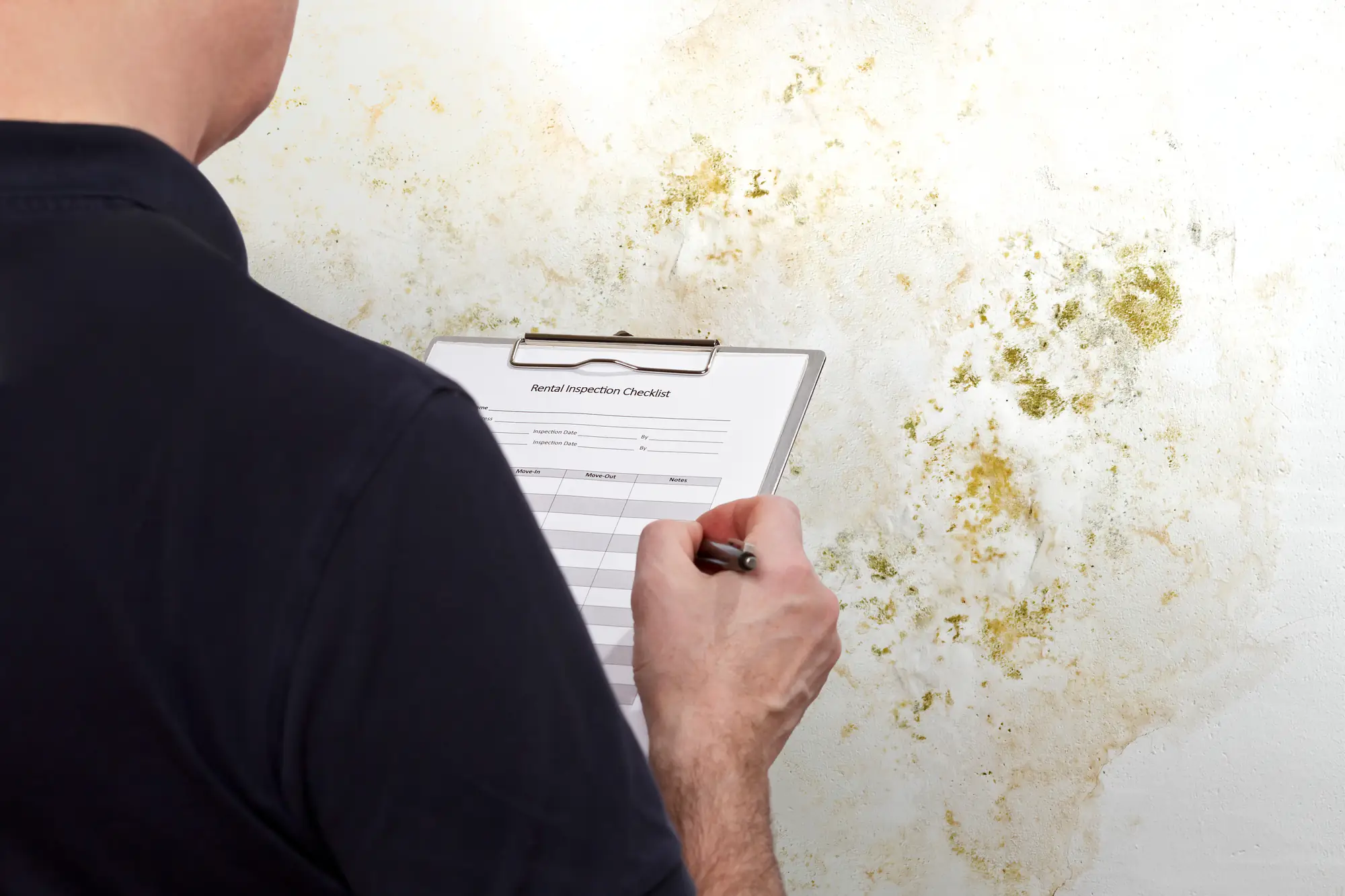
First, we walk through your home and look for visible mold growth, water damage, and moisture problems. We check the obvious spots—bathrooms, basements, crawl spaces—and the not-so-obvious ones, like behind appliances and inside HVAC systems.
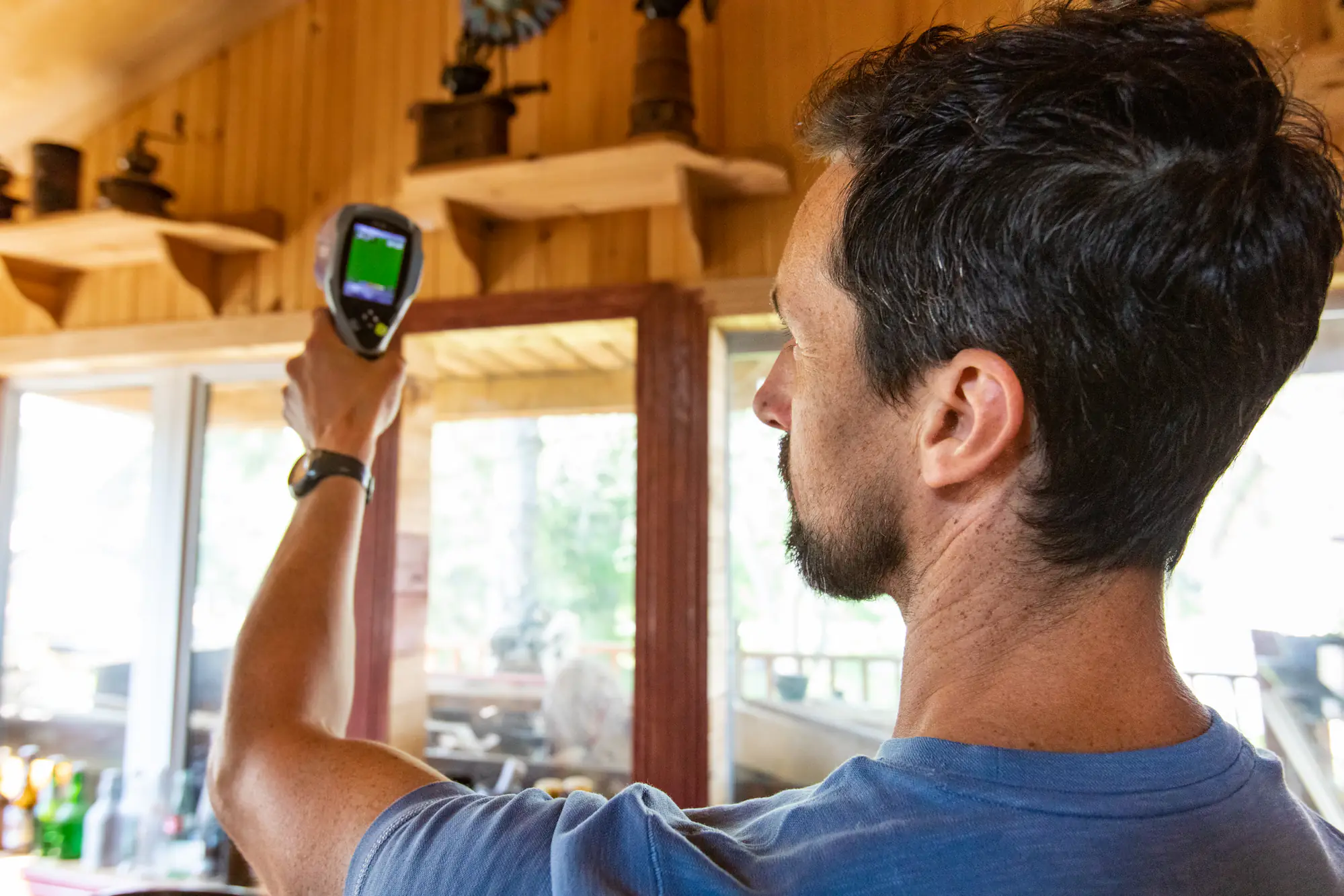
Then we collect samples. Air sampling captures airborne spores to measure concentration levels throughout your home. Surface sampling tests specific areas where we see growth or suspect contamination. If you’ve had water damage or notice symptoms but can’t find the source, we may recommend additional testing in hidden areas.
All samples go to an independent lab for analysis. You’re not trusting our opinion—you’re getting microscopic identification of mold species and spore counts from certified technicians. Results typically come back within a few days, and we walk you through exactly what they mean.
After testing, you get a written report with lab findings, photos, and recommendations. If remediation is needed, we explain what that looks like. If it’s minor and you can handle it yourself, we’ll tell you that too. The goal is to give you enough information to make the right call for your home.
Ready to get started?
Every mold test includes a full visual inspection of your property. We document moisture levels, water damage, ventilation issues, and any visible mold growth. This gives context to the lab results and helps identify why mold is growing in the first place.
Air quality testing measures spore concentrations in different rooms. This is especially important if you’re experiencing health symptoms but can’t see mold anywhere. Elevated spore counts tell us there’s a problem even when nothing’s visible. Surface testing confirms what’s actually growing on walls, ceilings, or other materials.
In Maple Point and throughout Bucks County, we see mold problems spike after flooding, pipe leaks, and roof damage. With 13% of local properties at risk for severe flooding over the next 30 years, testing after water events isn’t optional—it’s necessary. Mold starts growing within 24 to 48 hours of water exposure, and by the time you smell it, it’s already established.
You also get documentation that’s useful for real estate transactions, insurance claims, and post-remediation verification. If you’re buying or selling a home in Bucks County, mold is one of the most common deal-breakers. A professional test report keeps transactions moving and protects everyone involved.
Most residential mold testing in Maple Point runs between a few hundred to several hundred dollars, depending on the size of your home and how many samples you need. A basic inspection with air and surface sampling for a typical single-family home usually falls in the lower range. Larger homes or properties with multiple problem areas cost more because they require additional samples and testing time.
The price includes the inspection, sample collection, lab analysis, and a detailed report. Some companies charge separately for each service, so make sure you understand what’s included before you commit. We offer free inspections to help you figure out if testing is even necessary—sometimes a visual check is enough to identify the problem and next steps.
Testing costs less than remediation, and it’s a lot cheaper than ignoring a mold problem until it spreads. If you’re dealing with health symptoms, preparing for a real estate transaction, or just want peace of mind, the cost is worth knowing exactly what you’re dealing with.
A mold inspection is a visual assessment of your property. We look for visible mold growth, moisture problems, water damage, and conditions that promote mold. Inspections help identify problem areas and determine whether testing is necessary. Sometimes you can see exactly what’s wrong without lab analysis.
Mold testing involves collecting air or surface samples and sending them to a lab for analysis. Testing identifies the specific type of mold, measures spore concentrations, and confirms whether what you’re seeing is actually mold or just dirt and discoloration. You need testing when mold is hidden, when you’re experiencing symptoms but can’t find the source, or when you need documentation for insurance or real estate purposes.
Most professional services include both. We inspect first to locate problem areas, then test to confirm what’s growing and how severe the contamination is. You don’t always need testing—if there’s visible mold and an obvious moisture source, remediation might be the next step. But if you’re unsure about the extent of the problem or dealing with health concerns, testing gives you the information you need to move forward confidently.
Home mold testing kits can tell you if mold spores are present, but they can’t tell you much else. Every home has some mold spores—they’re everywhere. What matters is the type of mold, the concentration, and whether levels are elevated compared to outdoor air. DIY kits don’t provide that context.
Professional testing includes a trained inspector who knows where to look and how to interpret results. We compare indoor spore counts to outdoor baseline levels, identify specific mold species, and assess whether concentrations are high enough to cause health problems or structural damage. Lab analysis also distinguishes between harmless molds and toxic varieties like Stachybotrys (black mold).
If you’re dealing with a small, visible patch of mold on a bathroom tile, a DIY kit is overkill—just clean it and fix the moisture problem. But if you’re experiencing persistent health symptoms, dealing with hidden mold, or need documentation for a real estate transaction, professional testing is the only way to get reliable answers. The cost difference isn’t huge, and the information quality gap is significant.
The on-site inspection and sample collection usually take one to two hours, depending on the size of your home and how many areas we’re testing. We’re thorough, but we’re not here all day. Smaller homes or single-room inspections take less time. Larger properties or homes with multiple problem areas take longer.
Lab analysis takes a few days. Most independent labs return results within three to five business days. Rush processing is available if you’re on a tight timeline—like a real estate closing that’s days away—but standard turnaround is usually fast enough for most situations.
Once we get the lab results, we schedule a follow-up call or meeting to walk you through the findings. You’ll get a written report with lab data, photos from the inspection, and clear recommendations for next steps. The whole process from inspection to final report typically wraps up within a week. If you need results faster, let us know upfront and we’ll do everything we can to accommodate your timeline.
Bucks County’s humid climate creates ideal conditions for several types of mold. Cladosporium and Penicillium are the most common—they grow on damp surfaces, in HVAC systems, and around windows with condensation. These aren’t usually dangerous for healthy people, but they can trigger allergies and asthma symptoms.
Aspergillus is another frequent find, especially in homes with water damage or poor ventilation. Some Aspergillus species produce allergens and irritants that affect respiratory health. Stachybotrys—commonly called black mold—shows up in homes with serious water damage or long-term moisture problems. It’s less common than people think, but when it’s present, it needs professional remediation.
The specific mold types in your home depend on moisture levels, ventilation, building materials, and how long the problem’s been there. That’s why testing matters. Visual identification isn’t reliable—different molds can look similar, and some toxic varieties are nearly impossible to distinguish without lab analysis. Testing tells you exactly what you’re dealing with so you can respond appropriately, whether that’s a simple cleaning or full remediation.
Yes. Mold starts growing within 24 to 48 hours after water exposure, and it spreads fast in the right conditions. Even if you dried everything quickly and don’t see visible mold, spores can colonize hidden areas—inside walls, under flooring, in insulation. By the time you notice a musty smell or see growth, the problem is already established.
Testing after water damage confirms whether mold is present and identifies areas that need remediation. This is especially important if the water damage was severe, if drying took longer than 48 hours, or if porous materials like drywall and carpet were affected. In Maple Point and throughout Bucks County, flooding and pipe leaks are common, and the humid climate makes post-water-damage mold growth almost inevitable without proper drying and testing.
Testing also provides documentation for insurance claims. If you’re filing a claim for water damage, mold testing results support your case and help ensure you’re covered for remediation costs. Even if you’re not filing a claim, testing gives you peace of mind that your home is safe after a water event—or clear direction on what needs to be fixed before mold becomes a bigger, more expensive problem.
Other Services we provide in Maple Point