
Hear from Our Customers

You’ve noticed the pattern. Headaches that start after you’ve been home a few hours. Allergies that flare up in certain rooms. A lingering smell you can’t quite place. Kids who cough more at night than during the day.
Indoor air quality testing gives you actual answers instead of assumptions. You’ll know exactly what’s in your air—mold spores, allergens, dust mites, or other pollutants—and at what levels. No more wondering if it’s all in your head.
The air inside your Maple Point home should help you recover from the day, not make you feel worse. Testing shows you what’s wrong so you can fix it, not just mask symptoms or hope things improve on their own. When you know what the problem is, you can actually solve it.
We’ve spent over twenty years identifying air quality problems in homes throughout Bucks County. We’ve seen every type of issue this area throws at families—from basement moisture problems to attic ventilation failures to HVAC systems circulating contaminated air.
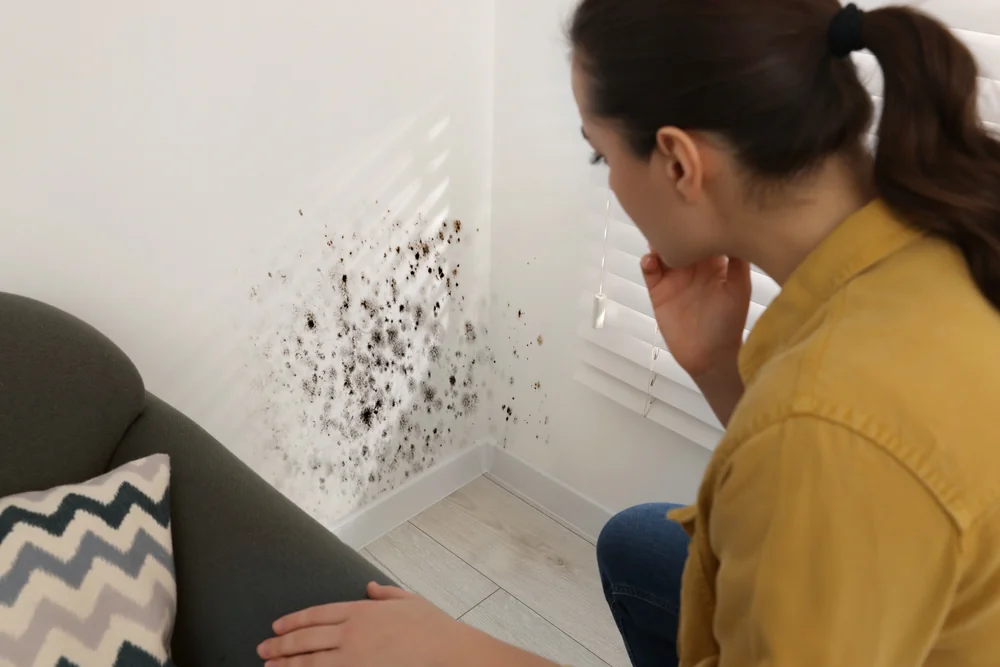
Maple Point’s climate creates specific challenges. Humid summers and temperature swings mean moisture gets trapped in places you don’t see. That creates ideal conditions for mold growth, especially in basements, crawl spaces, and areas with poor airflow.
We don’t just run tests and hand you results. You get a detailed report that explains what we found, what it means for your health, and what steps make sense for your specific situation. No pressure, no upselling—just clear information so you can make the right call for your home.

First, we do a free inspection of your home. We’re looking for visible signs of problems—water damage, discoloration, condensation, poor ventilation—and asking about symptoms you’ve noticed. This tells us where to focus testing efforts.
Next comes the actual air quality testing. We use air sampling to measure mold spore levels and other airborne contaminants throughout your home. We also do surface testing in areas that look suspicious. If you’ve got hidden mold behind walls or in your HVAC system, air sampling will catch it even when you can’t see it.
Samples go to a lab for analysis. You’re not waiting weeks—results typically come back within a few days. Then we walk you through everything we found, explain what the numbers mean, and recommend next steps. If there’s a problem, we’ll tell you how serious it is and what it takes to fix it. If your air quality is fine, we’ll tell you that too.

Ready to get started?
A complete home air quality test covers more than just mold. You’re getting a full assessment of what’s circulating through your home—allergens, dust mites, pet dander, and any biological contaminants that might be triggering symptoms.
We test multiple areas because air quality isn’t uniform throughout your house. Your basement might have high mold spore counts while your main floor is fine. Your bedroom might have allergen levels that explain why you wake up congested. We sample different zones so you know exactly where problems exist.
Bucks County homes face specific risks. The area’s humidity levels and seasonal weather changes create moisture problems that lead to mold growth. Older homes often have ventilation issues that trap contaminated air inside. Newer, tightly sealed homes can have the opposite problem—not enough fresh air exchange, which concentrates indoor pollutants.
Your detailed report breaks down everything we found, room by room. You’ll see actual measurements, not vague statements. And you’ll get specific recommendations based on your results—whether that’s mold remediation, HVAC cleaning, dehumidification, or other solutions. No cookie-cutter advice.
If your symptoms get better when you leave your house and worse when you come back, that’s the clearest sign something’s wrong with your indoor air. Persistent coughing, sneezing, headaches, watery eyes, or allergy symptoms that don’t respond to medication all point to indoor air quality problems.
You should also test if you’ve had any water damage—even if it was months ago and you think it dried out. Mold can grow behind walls, under flooring, or in your HVAC system where you can’t see it. A musty smell is another red flag, even if you can’t pinpoint where it’s coming from.
Testing makes sense before buying a home, after any flooding or leaks, if you’ve got basement moisture issues, or if anyone in your family has asthma or respiratory conditions. You’re not overreacting by wanting to know what’s in your air. You spend most of your time indoors—it should be tested just like you’d test well water or check for radon.
Store-bought kits only test one small area and often miss the extent of contamination. They might tell you mold is present, but they won’t tell you what type, how much, or where it’s actually coming from. That’s like checking your temperature when you need a full diagnosis.
Professional air quality testing uses multiple sampling methods across different areas of your home. We’re measuring airborne mold spore levels, identifying specific mold types, and testing surfaces in problem areas. The samples go to an accredited lab that can tell you exactly what you’re dealing with and at what concentration.
The bigger issue is interpretation. A DIY kit might show mold presence, but you won’t know if it’s at dangerous levels or just normal background levels that exist in every home. Professional testing gives you context and specific recommendations based on established safety thresholds. You’re paying for expertise, not just a test strip that changes color.
The actual testing visit usually takes one to two hours depending on your home’s size and how many areas we’re sampling. We’re not rushing through it—we need time to do a thorough visual inspection, set up air sampling equipment, and collect surface samples from any suspicious areas.
Samples go to the lab the same day or next day. Lab analysis typically takes three to five business days. Once results come back, we schedule a time to review everything with you in detail. Some companies just email you a report and leave you to figure it out—we walk you through what everything means.
If you need results faster for a real estate transaction or other time-sensitive situation, expedited lab processing is available. That can get you results in 24 to 48 hours. But for most homeowners, the standard timeline works fine and costs less.
Air sampling is completely non-invasive. We’re collecting air samples using specialized equipment—no cutting, no drilling, no damage to your home. Surface testing involves swabbing or tape-lifting samples from areas that look problematic, which also doesn’t cause any damage.
The only time we’d recommend invasive testing is if there’s strong evidence of hidden mold—like a persistent smell with no visible source, or moisture readings that indicate problems behind walls. Even then, we’d discuss it with you first and explain exactly why it’s necessary.
Most residential air quality testing is straightforward and doesn’t require any demolition or repairs afterward. You’re not dealing with holes in your walls or a mess to clean up. We collect samples, document what we find, and leave your home exactly as we found it.
You get a detailed report that explains what we found, where we found it, and how serious the problem is. Not all mold requires full remediation—sometimes the issue is minor and can be addressed with better ventilation or a dehumidifier. We’ll tell you exactly what makes sense for your situation.
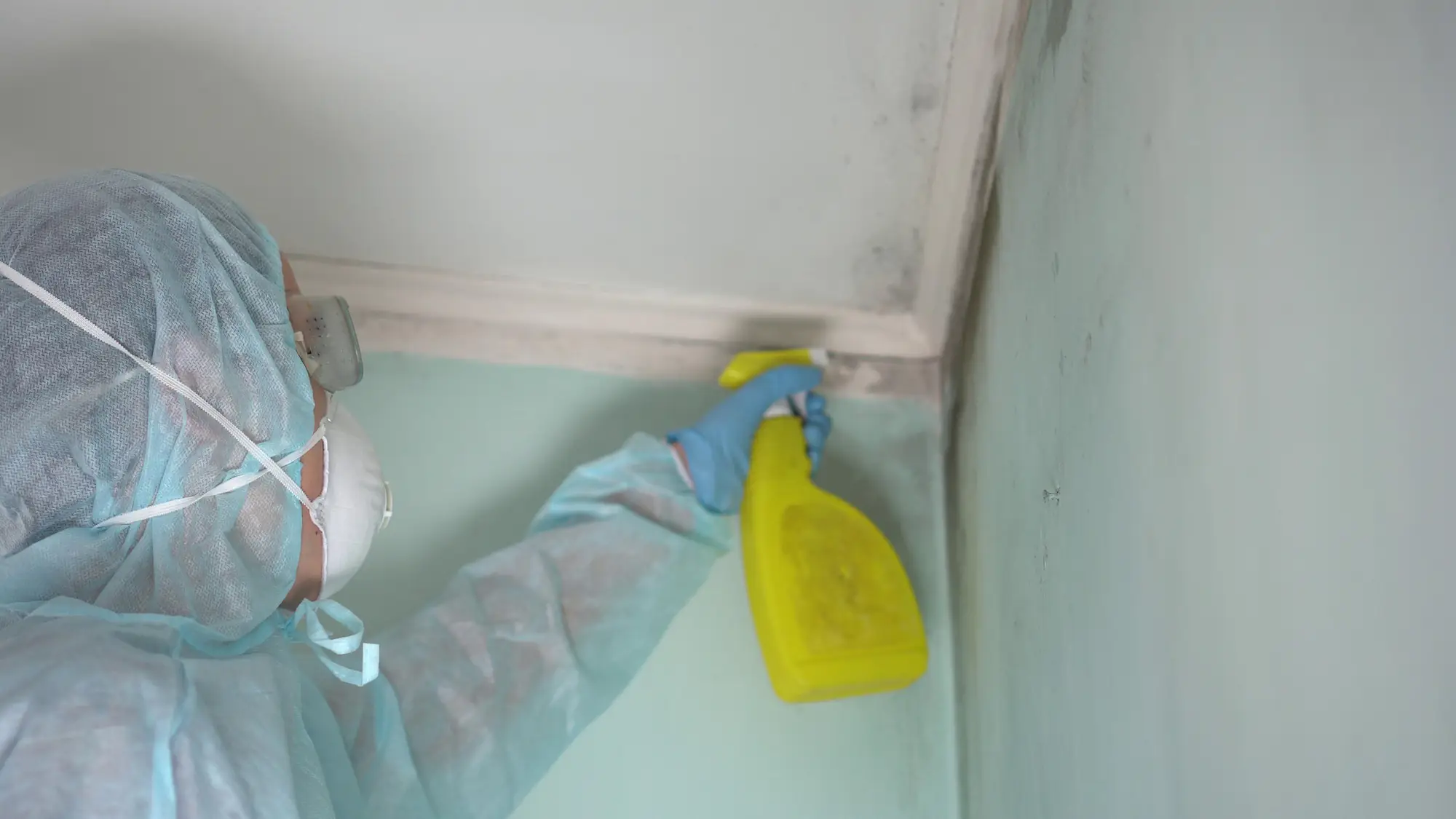
If you do need mold remediation, we handle that too. We’ll contain the affected area to prevent spores from spreading, remove contaminated materials safely, treat surfaces to kill remaining mold, and address the moisture source so it doesn’t come back. All work follows IICRC standards for mold remediation.
The key is fixing the underlying problem, not just cleaning up visible mold. If moisture is coming from a basement leak, poor grading, or HVAC condensation, that needs to be addressed or mold will return. We identify the source and recommend permanent solutions, not temporary fixes that fail in six months.
Testing costs depend on your home’s size and how many samples you need. A basic mold air test for a typical home usually runs a few hundred dollars. More comprehensive testing that includes multiple rooms, surface samples, and analysis for various contaminants costs more.
We offer a free initial inspection to assess your situation and determine what testing actually makes sense. You’re not paying for tests you don’t need. If you’ve got a musty smell in one basement corner, you don’t need whole-house sampling. If symptoms happen throughout the house, broader testing makes sense.
Think of it as a diagnostic investment. You’re spending a few hundred dollars now to avoid spending thousands later on remediation that might not have been necessary, or on the wrong solution because you were guessing at the problem. Testing gives you certainty, which saves money in the long run.
Other Services we provide in Maple Point