

Hear from Our Customers
You’re smelling something musty. Maybe you’ve spotted discoloration on a wall. Or maybe someone in your house can’t stop coughing and you’re wondering if it’s the air.
Here’s what matters: you need to know if mold is actually there, what type it is, and whether it’s something that requires action. Not every dark spot is toxic black mold. Not every smell means you’re facing a five-figure remediation bill.
Professional mold testing gives you lab results that show exactly what species are present and in what quantities. That’s the difference between guessing and knowing. Between overpaying for work you don’t need and addressing a real problem with a clear plan.
We use air sampling, surface testing, and thermal imaging to find mold even when it’s hidden behind walls or under flooring. Then we send those samples to an independent lab. You get a report that tells you what’s there, where it is, and what it means for your health and your home.
We’ve been serving Gallows Hill and Bucks County for years as an independent mold testing company. We’re InterNACHI certified with over 2,000 mold inspections under our belt.
Here’s why that matters to you: we don’t do remediation. We’re not trying to sell you a cleanup job. Our only role is to test your property, analyze the results, and give you an honest assessment. That’s it.
Bucks County’s humid summers and temperature swings create perfect conditions for mold growth. Homes here deal with condensation issues, basement moisture, and attic ventilation problems that other regions don’t face. We know what to look for because we’ve seen it hundreds of times in properties just like yours.
You’re not getting a sales pitch. You’re getting certified testing, independent lab analysis, and a clear report you can use to make informed decisions.
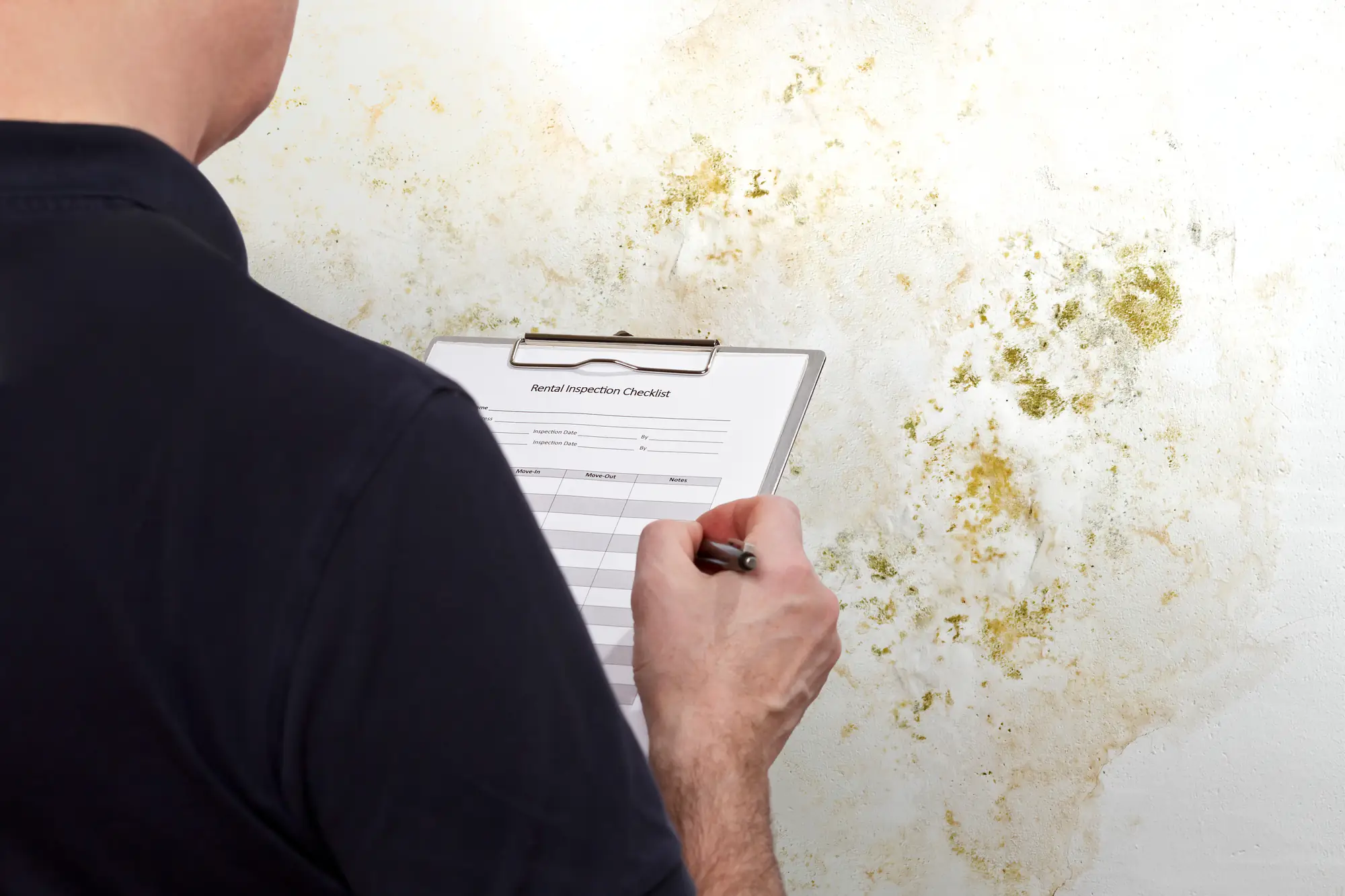
First, we schedule a time that works for you. Most inspections in Gallows Hill happen within 24 hours of your call.
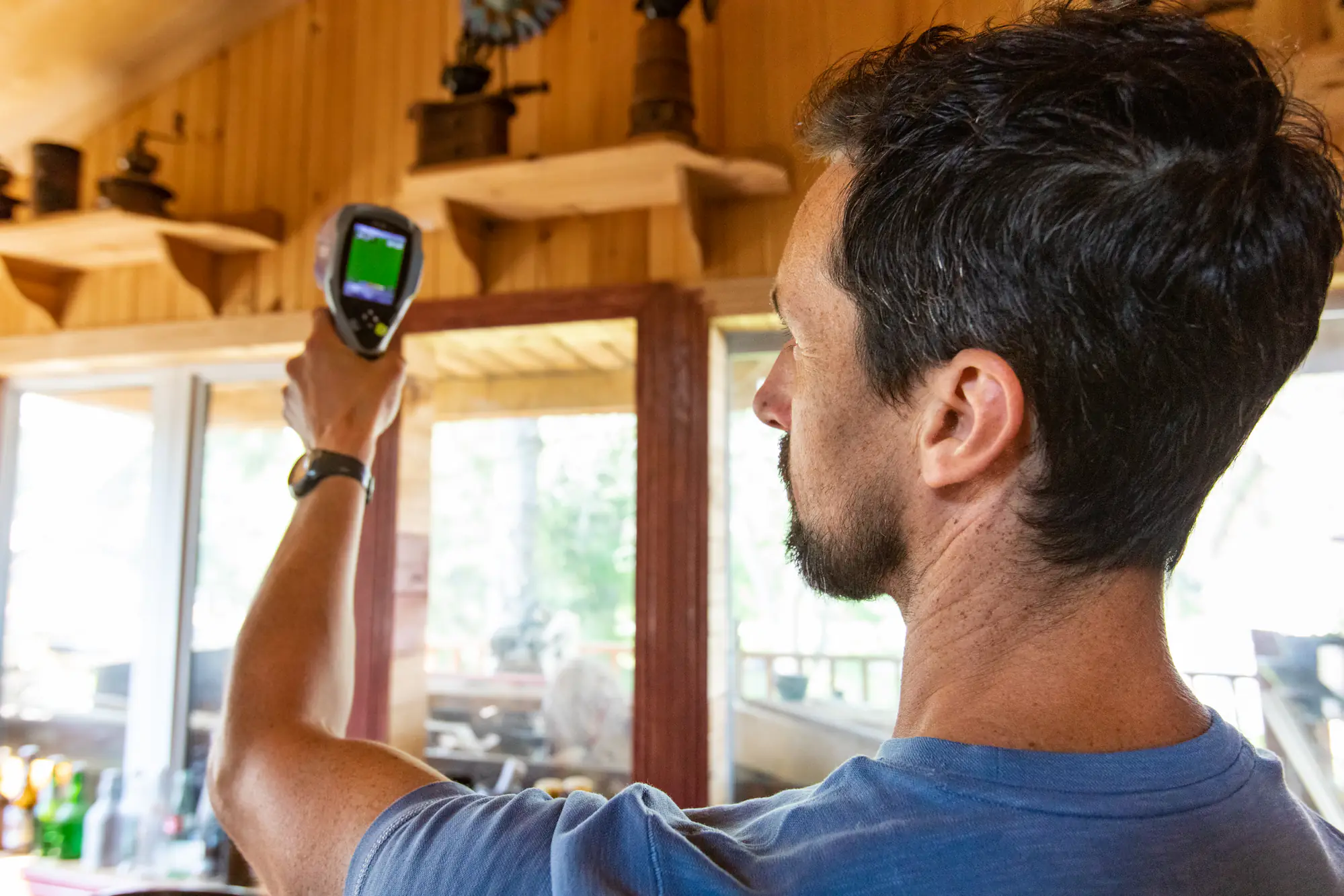
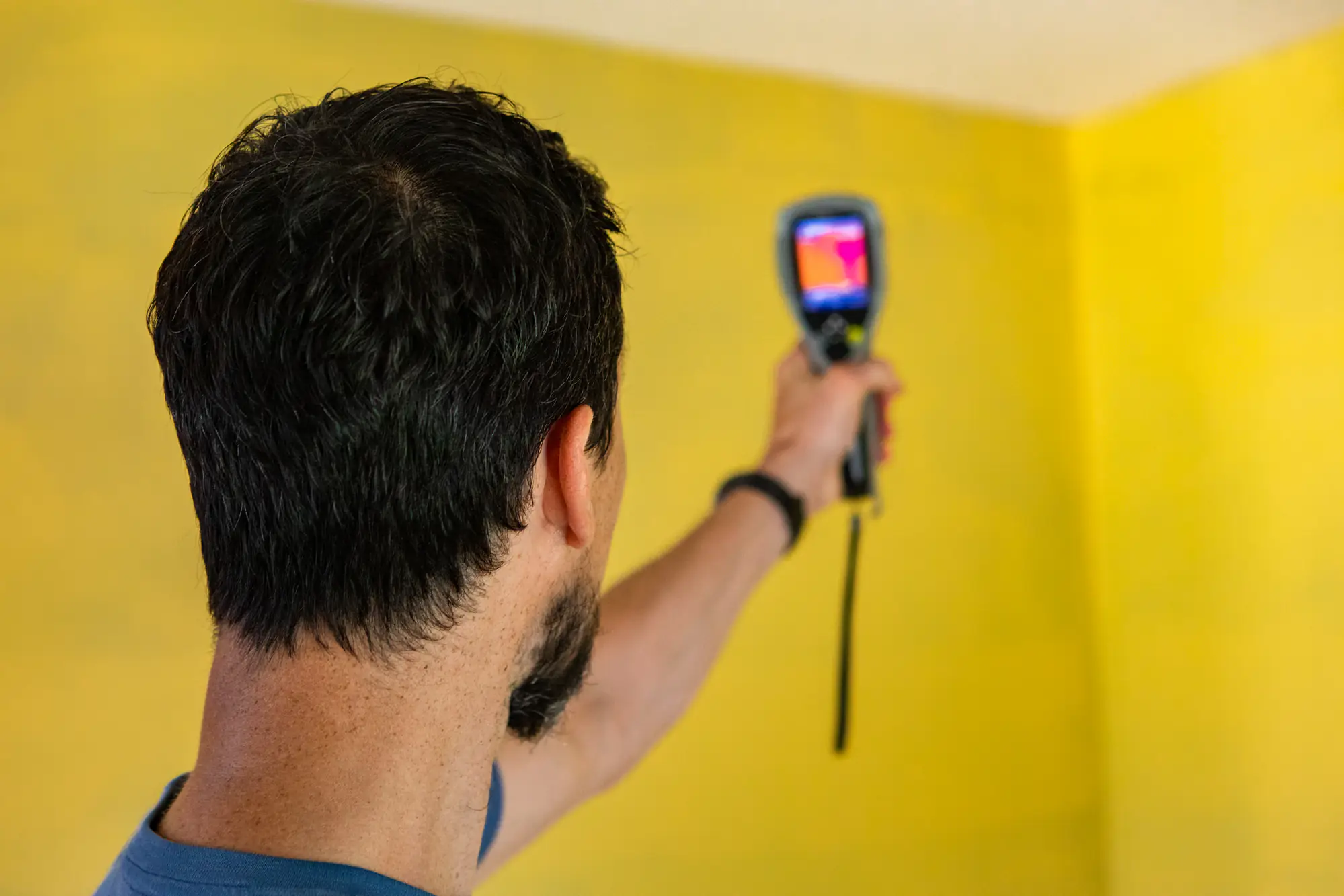
When we arrive, we start with a visual assessment of your property. We’re looking for visible mold, water damage, condensation patterns, and areas where moisture could be trapped. We use thermal imaging cameras to identify temperature differences in walls and ceilings—cooler spots often indicate moisture problems you can’t see.
Next, we collect samples. Air sampling captures mold spores floating in your indoor environment. Surface sampling tests specific areas where we see growth or discoloration. If needed, we’ll take samples from your HVAC system since that’s where mold often spreads throughout a home.
Those samples go to an EPA-certified independent laboratory. Not our lab. Not a lab that has any reason to inflate results. The analysis identifies specific mold species and measures concentration levels.
You receive a detailed report within a few days. It shows what types of mold are present, where they were found, and whether levels exceed safe thresholds. If remediation is needed, the report outlines what should be addressed. If levels are normal, you’ll know that too.
Ready to get started?
Every mold check includes a complete visual inspection of your property, air quality sampling from multiple rooms, and surface testing of suspected problem areas. We bring moisture meters and infrared cameras to every job.
You’re not paying for a guy with a flashlight. You’re getting advanced detection technology that finds problems before they become visible. In Gallows Hill homes, that often means catching mold in crawl spaces, behind finished basements, or in attic insulation before it spreads to living areas.
The lab report you receive breaks down results by room and sample type. It’s written in plain language, not just technical jargon. You’ll see exactly which mold species were detected—Aspergillus, Penicillium, Stachybotrys (black mold), or others—and whether concentrations are elevated compared to outdoor baseline levels.
Here’s what else you get: documentation that insurance companies accept, evidence you can use in real estate transactions, and an unbiased assessment that helps you avoid unnecessary remediation costs. Some homeowners save thousands by learning their mold problem is minor or non-toxic. Others get the proof they need to move forward with confidence.
Pennsylvania’s climate means mold risk doesn’t take a season off. Summer humidity pushes indoor moisture above 60%. Winter condensation forms when warm air hits cold surfaces. Spring and fall bring rain that tests your home’s drainage and waterproofing. Professional testing tells you if your home is handling these challenges or if moisture is winning.
Most residential mold testing in Gallows Hill runs between $300 and $600 depending on your home’s size and how many samples you need. A typical single-family home inspection with air and surface sampling usually falls in the $400-$500 range.
Here’s what affects the price: square footage, number of rooms tested, whether you need HVAC sampling, and how many surface samples we collect. A 1,500 square foot home with three air samples and two surface samples costs less than a 3,000 square foot home with five air samples and multiple surface tests.
The lab analysis is included in that price. So is the detailed report and our time on-site. You’re not paying separately for the inspection, the samples, and the lab work—it’s one complete service.
Some companies offer cheap mold testing because they’re hoping to upsell you on expensive remediation. We don’t do remediation, so our pricing reflects actual testing costs, not a loss leader to get in your door.
If you can see mold on a small area—less than 10 square feet—and it’s on a non-porous surface like tile or glass, you can usually clean it yourself with proper protection. But here’s the catch: visible mold is often just part of the problem.
Mold grows in colonies. What you see on the surface might extend into drywall, insulation, or structural materials. It might also be spreading through your HVAC system, which means cleaning one spot doesn’t solve the issue.
Testing tells you what you’re actually dealing with. Not all mold is toxic. Stachybotrys (black mold) produces mycotoxins that cause serious respiratory problems, but other species are relatively harmless. You can’t tell the difference by looking at it.
Here’s when testing isn’t optional: if anyone in your home has respiratory symptoms, if you smell mold but can’t find the source, if you’ve had water damage, or if you’re buying or selling a property. Testing also matters for insurance claims—you need documentation that shows what type of mold is present and how extensive the contamination is.
Pennsylvania requires professional assessment when mold contamination exceeds certain thresholds. Testing protects you legally and medically.
The on-site inspection typically takes 1-2 hours depending on your home’s size and the number of samples we’re collecting. We’re thorough but efficient—we’re not going to disrupt your entire day.
Lab results usually come back within 3-5 business days. The lab needs time to culture samples and identify specific mold species. Some labs offer rush processing for an additional fee if you’re on a tight timeline for a real estate closing or insurance claim.
You’ll receive a written report that includes lab findings, our observations from the inspection, photos of problem areas, and recommendations. We’ll walk you through the results if you have questions about what they mean or what steps to take next.
The timeline matters because mold doesn’t stop growing while you wait. But rushing the lab analysis can compromise accuracy. Three to five days is the sweet spot—fast enough to address problems quickly, slow enough to ensure reliable results.
If you need testing done urgently, we can usually get to your Gallows Hill property within 24 hours of your call. The inspection happens fast. The lab work takes a few days. Then you have answers.
Air testing measures mold spores floating in your indoor environment. We use a pump that pulls air through a collection device, capturing spores on a slide that goes to the lab. This tells you what you’re breathing and whether spore levels are elevated compared to outdoor air.
Surface testing samples visible growth or suspected contamination on walls, floors, ceilings, or other materials. We use swabs or tape lifts to collect samples directly from the surface. This identifies the specific mold species growing in that location.
Both types of testing serve different purposes. Air testing is better for finding hidden mold or assessing overall indoor air quality. If you smell mold but can’t see it, air sampling often reveals the problem. It’s also useful after remediation to confirm that spore levels have returned to normal.
Surface testing is better when you can see discoloration or growth and want to know exactly what it is. It’s more targeted—you’re testing a specific spot rather than the general air quality.
Most comprehensive mold inspections include both. Air sampling gives you the big picture. Surface sampling gives you specifics about problem areas. Together, they provide a complete assessment of your mold situation and help determine whether remediation is necessary.
Many mold remediation companies offer free or discounted testing because they want to sell you cleanup services. That’s like letting a mechanic inspect your car when they profit from finding problems. The conflict of interest is obvious.
Independent testing means we have no financial incentive to exaggerate results or recommend unnecessary work. We don’t do remediation. We don’t get paid more if your mold problem is bigger. Our only job is to test accurately and report honestly.
Industry standards actually recommend that all mold testing be performed by third-party inspectors separate from remediation companies. The reason is simple: unbiased results protect you from overpaying for work you don’t need.
Here’s a real example: a homeowner in Bucks County was quoted $8,000 for mold remediation by a company that did their own testing. They called us for a second opinion. Our independent testing showed elevated mold levels in one bathroom, not the whole house. Actual remediation cost was under $2,000.
Independent testing can save you thousands. It also gives you documentation that insurance companies and real estate attorneys trust because there’s no conflict of interest. You’re getting facts, not a sales pitch disguised as an inspection.
First, don’t panic. Elevated mold levels are fixable, and knowing exactly what you’re dealing with is half the battle. Your lab report will show which rooms have problems and what species are present.
Start by addressing the moisture source. Mold needs water to grow. If you have a leak, condensation problem, or humidity issue, fix that first. Otherwise, mold will just come back after remediation.
Next, decide whether you need professional remediation or can handle it yourself. Small areas (under 10 square feet) on non-porous surfaces can often be cleaned with proper safety equipment. Larger areas, toxic mold species like Stachybotrys, or contamination in HVAC systems require professional remediation.
Use your testing report to get accurate remediation quotes. Give it to contractors so they know exactly what they’re treating. This prevents overcharging and ensures the work addresses the actual problem.
After remediation, get post-remediation testing to confirm that mold levels have returned to normal. This is critical for insurance claims and gives you peace of mind that the problem is actually solved. Many homeowners skip this step and end up with recurring issues because the remediation was incomplete.
Your report also includes our recommendations based on what we found during the inspection. We’ll tell you which areas need attention and what steps make sense for your specific situation.
Other Services we provide in Gallows Hill