

Hear from Our Customers
You can’t fix what you can’t see. Mold hides in walls, crawls through HVAC systems, and grows behind baseboards where you’d never think to look.
A professional mold test tells you if you actually have a problem, where it is, and how serious it’s gotten. No guessing. No wondering if that musty smell is just old carpet or something worse.
You get a clear report that shows mold type, concentration levels, and contaminated areas. That means you know whether you need full remediation or just better ventilation. It also means you’re not tearing into walls based on a hunch or wasting money on fixes that don’t address the real issue.
If you’re buying or selling a home in Brittany Farms-The Highlands, a mold inspection protects the deal. Buyers want proof the house is safe. Sellers want to avoid surprises during closing. Testing gives both sides the facts.
We’ve spent two decades testing homes across Bucks County. We know how mold behaves in Pennsylvania’s humid summers and damp winters. We’ve seen what happens when homeowners wait too long, and we’ve helped hundreds of families catch problems early.
We’re local. We understand the housing stock in Brittany Farms-The Highlands—the attached homes, the older construction, the basements that flood after heavy rain. That experience matters when you’re trying to figure out if your home has a mold problem or just normal humidity.
You’re not getting a national franchise that sends out undertrained techs. You’re working with people who live in this area and have built a reputation on getting it right.
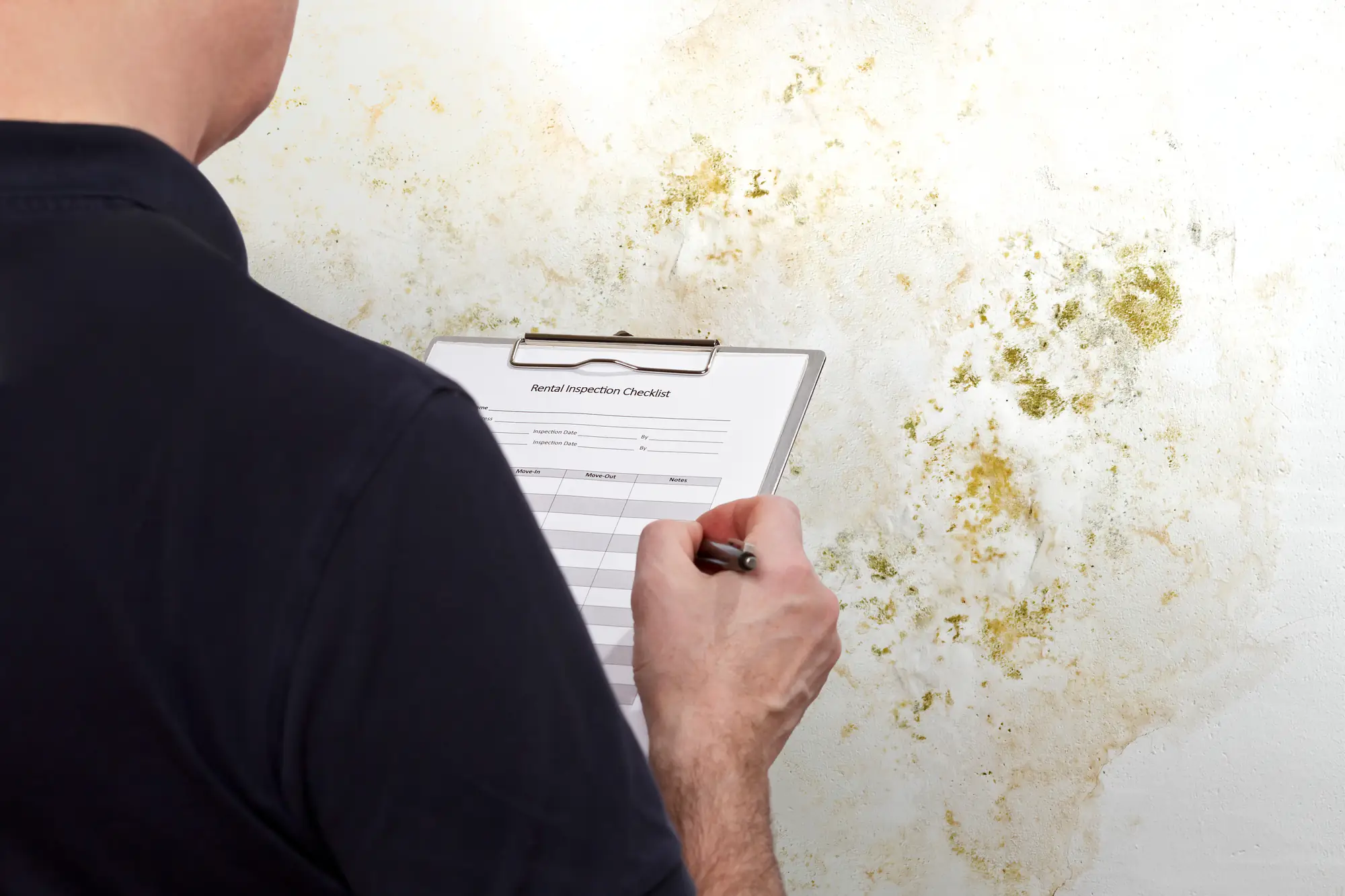
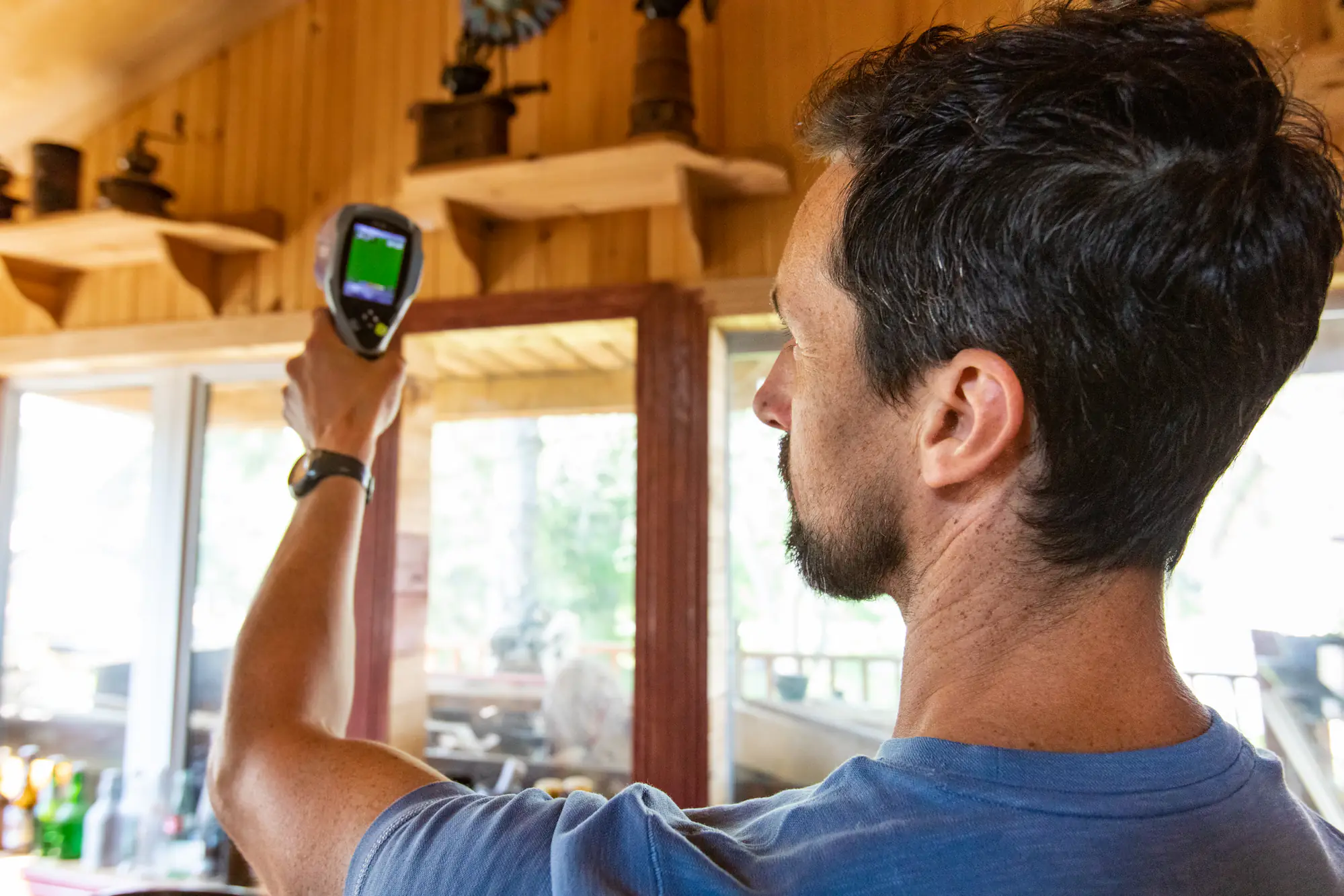
First, we walk through your home and look for visible mold, water damage, and moisture issues. We check basements, attics, bathrooms, and anywhere else water tends to collect. We use thermal cameras to spot temperature differences that indicate hidden moisture.
Then we test the air. Air sampling captures mold spores you can’t see and measures concentration levels in different rooms. We also take surface samples from suspicious areas—that discoloration on your ceiling, the dark spots behind your washing machine.
Everything gets sent to an independent lab for analysis. You’re not relying on our opinion. You get lab results that identify mold species and spore counts. The whole process usually takes a few hours onsite, and you’ll have results within a few days.
After that, we sit down and explain what we found. If there’s mold, we’ll tell you how bad it is and what needs to happen next. If the test comes back clean, you’ll have documentation proving your home is safe.
Ready to get started?
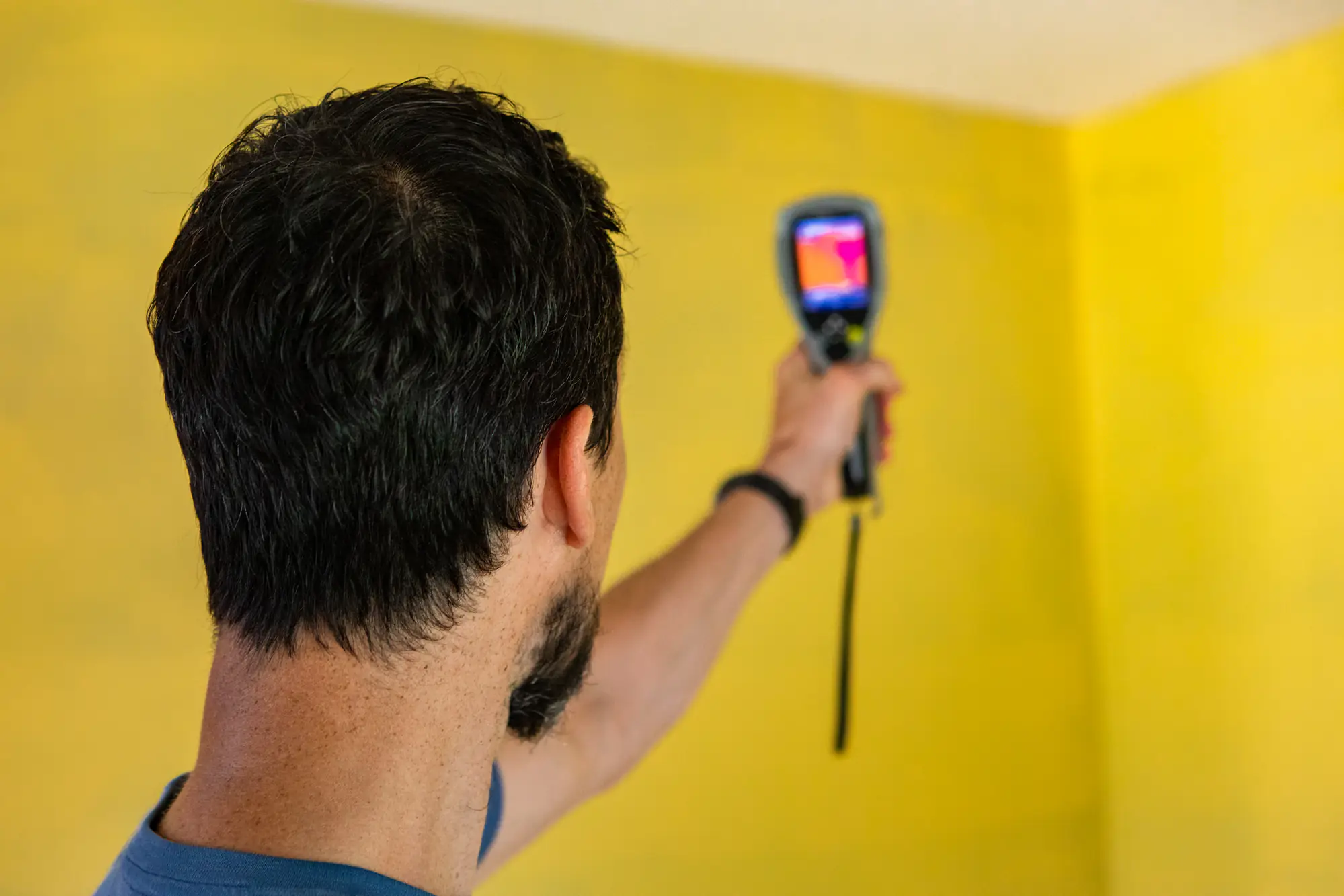
You get a full visual inspection of your property, including areas most homeowners never check. We bring moisture meters to measure humidity levels in walls and floors. Thermal imaging helps us see where water is hiding.
Air quality testing is standard. We sample multiple rooms to compare spore levels and identify contamination patterns. Surface testing targets visible growth or stains that look suspicious.
In Brittany Farms-The Highlands, we pay special attention to attached homes and rowhouses. Shared walls can transfer moisture between units. Older HVAC systems sometimes spread mold from one home to another. We check for those issues because we’ve seen them before in this area.
You’ll receive a detailed report with lab results, photos, moisture readings, and our recommendations. If remediation is needed, we’ll outline the scope of work. If your home is clear, you’ll have documentation for insurance, real estate transactions, or your own peace of mind.
DIY kits can tell you if mold spores are present, but they can’t tell you if the levels are dangerous. Every home has some mold spores in the air. The question is whether you have enough to cause health problems or structural damage.
Professional testing measures concentration levels and identifies specific mold species. Some molds are relatively harmless. Others, like black mold, produce toxins that can make you sick. A lab analysis tells you exactly what you’re dealing with.
DIY kits also miss hidden mold. You might test a room that looks fine while mold is growing inside your walls or under your floors. We use moisture meters and thermal cameras to find problems you can’t see. If you’re experiencing health symptoms, planning to buy or sell, or dealing with water damage, professional testing is worth the investment.
Musty smells are the most common warning sign. If your basement, bathroom, or any room smells like mildew, there’s probably mold growing somewhere. You might not see it, but your nose knows.
Health symptoms are another red flag. Constant sinus problems, headaches, coughing, or allergy symptoms that get worse at home all point to poor indoor air quality. Mold releases spores and mycotoxins that irritate your respiratory system.
Visible water damage means you should test even if you don’t see mold yet. Leaky pipes, roof leaks, flooding, or even high humidity create the conditions mold needs to grow. In Bucks County’s climate, moisture problems turn into mold problems fast. If you’ve had any water issues in the past year, testing will tell you if mold has taken hold.
Most residential mold testing runs between $300 and $600 depending on your home’s size and how many samples we need to collect. Larger homes require more air samples to get accurate results. If you want us to test specific areas or materials, that adds surface samples to the scope.
The investment pays off during remediation. Without testing, contractors often overbid because they don’t know the extent of contamination. They price for worst-case scenarios. A mold test shows exactly where the problem is, which means you only pay to fix what actually needs fixing.
Testing also prevents expensive mistakes. We’ve seen homeowners spend thousands treating visible mold while missing the real source hidden in their HVAC system or crawl space. The mold comes back, and they’re paying for remediation twice. Proper testing upfront costs less than guessing wrong.
The onsite inspection usually takes two to four hours depending on your home’s size and layout. We’re thorough because we only get one chance to collect samples correctly. Rushing through an inspection means missing problems.
Lab analysis takes 24 to 72 hours after we submit your samples. The lab is identifying mold species and counting spore concentrations, which requires time under a microscope. We can’t speed that up without compromising accuracy.
Once results come back, we’ll call you to schedule a review. We’ll walk through the findings, explain what they mean, and answer your questions. If remediation is needed, we’ll outline next steps. If your home tests clean, you’ll have documentation proving it. Most people have their full report within a week of the initial inspection.
Yes, that’s exactly what lab analysis does. Not all mold is created equal. Some species are relatively harmless and just look ugly. Others produce mycotoxins that cause serious health problems.
The lab identifies specific mold types in your samples. Stachybotrys chartarum—black mold—is the one most people worry about because it releases toxins that affect your nervous system and respiratory health. Aspergillus and Penicillium species can also cause problems, especially for people with allergies or weakened immune systems.
Spore concentration matters too. A few mold spores in your air sample is normal. Thousands of spores per cubic meter means you have active growth that’s contaminating your indoor air. The report will show both the species and the concentration levels, which tells you whether you’re dealing with a minor issue or a health hazard that needs immediate attention.
First, don’t panic. Finding mold is actually better than living with it unknowingly. Now you have the information you need to fix the problem correctly.
We’ll review the lab results with you and explain which areas are contaminated. Then we’ll identify the moisture source that’s feeding the mold growth. Maybe it’s a plumbing leak, poor ventilation, or water seeping through your foundation. Fixing that source is critical because mold will come back if the conditions are still right.
After that, we’ll outline a remediation plan. Minor mold issues might just require cleaning and improving airflow. Extensive contamination means removing affected materials and treating the space with antimicrobial solutions. We follow IICRC S520 standards to make sure the job is done right. Once remediation is complete, we can do post-testing to verify your home is clean and safe again.
Other Services we provide in Brittany Farms-The Highlands