
Hear from Our Customers
That musty smell in your basement isn’t just unpleasant. It’s a warning sign that moisture has created the perfect breeding ground for mold—and what you see on the surface is rarely the full picture.
A real mold inspection doesn’t rely on guesswork or a $20 hardware store kit. It maps moisture patterns with thermal imaging, tests air quality in multiple rooms, and sends samples to an independent lab for analysis. You get a report that tells you what type of mold is present, where the moisture is coming from, and what needs to happen next.
Plumsteadville homes face specific challenges. Pennsylvania’s humid summers and cold, damp winters create constant moisture stress on older foundations and basements. Add in the combined sewer systems that can back up during heavy rains, and you’ve got conditions where mold doesn’t just grow—it thrives. Early detection means you’re looking at a few hundred dollars for inspection instead of thousands for remediation and structural repairs down the road.
We’ve spent nearly three decades working in homes across Bucks County. We know how Pennsylvania weather beats up on older properties. We know where moisture hides in split-level homes common to this area, and we’ve seen what happens when basement waterproofing fails during spring thaws.
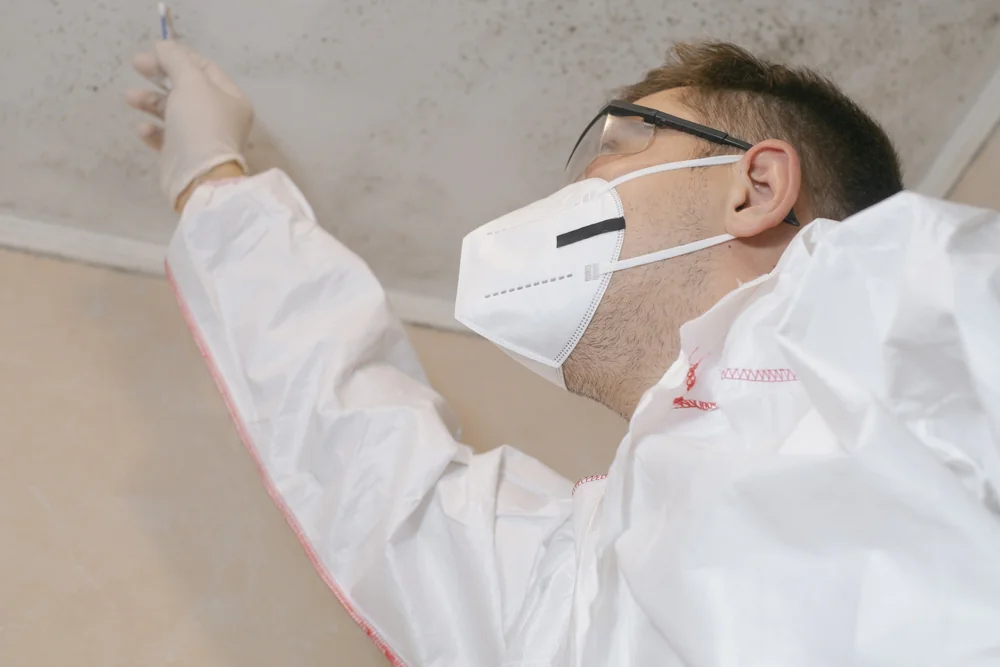
Our inspectors use moisture meters and thermal imaging cameras—not just their eyes. Every sample goes to a NACHI-certified lab, not an in-house facility with a vested interest in upselling you. We provide free initial assessments because we’d rather give you accurate information upfront than surprise you with costs later.
When you call, you’re talking to people who understand that Plumsteadville’s hard water conditions and stormwater management issues aren’t just technical problems. They’re daily frustrations that affect your home’s comfort and your family’s health.
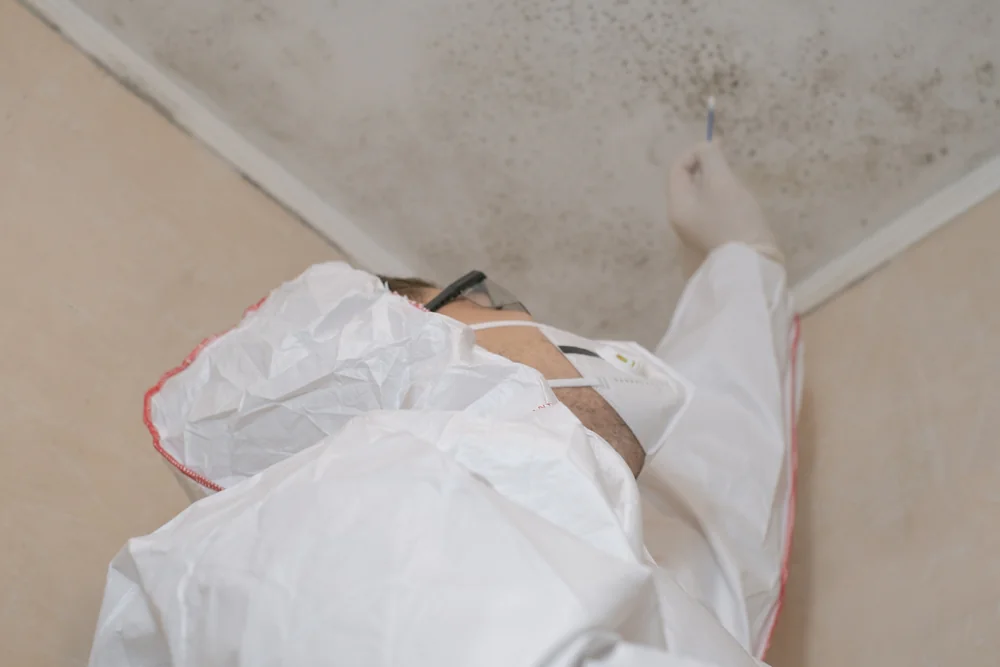
First, we walk through your home and listen. You know where the problems are—the bathroom that always feels damp, the bedroom where allergies flare up, the basement corner that smells off. We check those areas plus the spots most people miss: behind appliances, inside HVAC systems, around window frames, and in crawl spaces.
Next comes the technology. Moisture meters tell us exactly how wet your walls and floors are, even when they look dry. Thermal imaging shows temperature differences that indicate water intrusion or poor ventilation. These tools find problems before they become visible disasters.
We collect air samples from multiple rooms and surface samples from suspicious areas. Those samples go to an independent laboratory that identifies mold species and measures concentration levels. Within a few days, you get a detailed report explaining what’s growing, whether it’s a health concern, and where the moisture is coming from. No scare tactics, no inflated threats—just lab results and clear recommendations for what to do next.

Ready to get started?
A thorough inspection covers every area where moisture accumulates. Basements get special attention in Plumsteadville because older foundations and Pennsylvania’s freeze-thaw cycles create cracks that let water seep in. We check sump pumps, floor drains, foundation walls, and the areas around basement windows where condensation builds up.
Attics and crawl spaces are next. Poor ventilation traps humid air, and roof leaks often go unnoticed until mold has spread across insulation and rafters. We look for water stains, check ventilation systems, and measure humidity levels that indicate chronic moisture problems.
Living spaces matter too. We inspect around plumbing fixtures, under sinks, behind toilets, and near any appliance that uses water. HVAC systems get checked because mold spores spread through ductwork, affecting air quality throughout your entire home. Nearly half of residential buildings show visible mold or detectable odor, according to the National Institute for Occupational Safety and Health—which means the problem is common, but that doesn’t make it acceptable. You receive a written report with lab results, moisture readings, photographs of problem areas, and specific recommendations. If remediation is needed, we explain what it involves and provide a clear estimate. If the issue is minor, we tell you that too.
Most residential mold inspections in Plumsteadville run between $300 and $600, depending on your home’s size and how many areas need testing. That includes the visual inspection, moisture mapping with thermal imaging, air and surface sampling, and laboratory analysis from a certified facility.
Some companies offer free inspections, but they’re often tied to remediation services—which creates an incentive to find problems whether they exist or not. An independent inspection gives you unbiased results. You’re paying for information, not a sales pitch.
Consider this: professional remediation costs average $1,220 to $3,750 for moderate mold problems, and severe cases can hit tens of thousands. Spending a few hundred dollars now to catch issues early saves you from those bigger bills later. Plus, if you’re buying or selling a home, an inspection report gives everyone clear facts instead of assumptions that can derail a deal.
A mold inspection is the full process: visual examination, moisture detection, identifying problem areas, and determining where water is coming from. Testing is just one part of that—it’s the lab analysis of air and surface samples.
You need both. Testing alone won’t tell you why mold is growing or where the moisture source is located. An inspection without testing can miss hidden mold or fail to identify specific species that might require different approaches.
Here’s how it works together: the inspection finds the problems and maps the moisture patterns. The testing confirms what type of mold is present and measures concentration levels. That combination gives you a complete picture—what’s growing, where it’s growing, why it’s growing, and what health risks it might pose. Some mold is relatively harmless; other types, like Stachybotrys (black mold), produce toxins that cause serious respiratory issues. Lab results tell you which one you’re dealing with.
Home test kits from hardware stores seem convenient, but they miss critical information. They might tell you mold is present—which isn’t surprising since mold spores exist in virtually every indoor environment—but they don’t tell you where it’s growing, how much is there, or what’s causing it.
The bigger problem is that DIY kits can’t detect hidden mold behind walls, under flooring, or in HVAC systems. They test whatever air happens to be near the collection plate, which gives you a tiny snapshot of a much larger picture. You might get a positive result from harmless surface mold while missing the serious growth happening inside your walls.
Professional mold detection uses targeted sampling based on moisture readings and thermal imaging. We know where to look because we understand how water moves through homes—especially older Bucks County properties with basement moisture issues and aging foundations. The lab analysis is more detailed too, identifying specific mold species and concentration levels instead of just “mold present” or “mold not detected.” If you’re trying to make decisions about your family’s health or plan remediation work, you need accurate information.
Most residential inspections take two to three hours, depending on your home’s size and how many problem areas we’re investigating. A small single-family home with one suspected area might take closer to 90 minutes. A larger property with a basement, attic, and multiple moisture concerns could take four hours.
We’re not rushing through. Thermal imaging takes time because we’re scanning walls, ceilings, and floors in every room. Moisture readings require multiple measurements to map patterns accurately. Collecting air samples means setting up equipment in different locations and waiting for proper collection times.
You’ll get preliminary findings before we leave—what we saw, where moisture levels are high, which areas need lab testing. The full report with laboratory results typically arrives within three to five business days. That report includes photographs, moisture readings, lab analysis of mold species and concentration levels, and specific recommendations for addressing any issues we found. If it’s an urgent situation—like water damage from a burst pipe—we can expedite the process and provide faster turnaround on results.
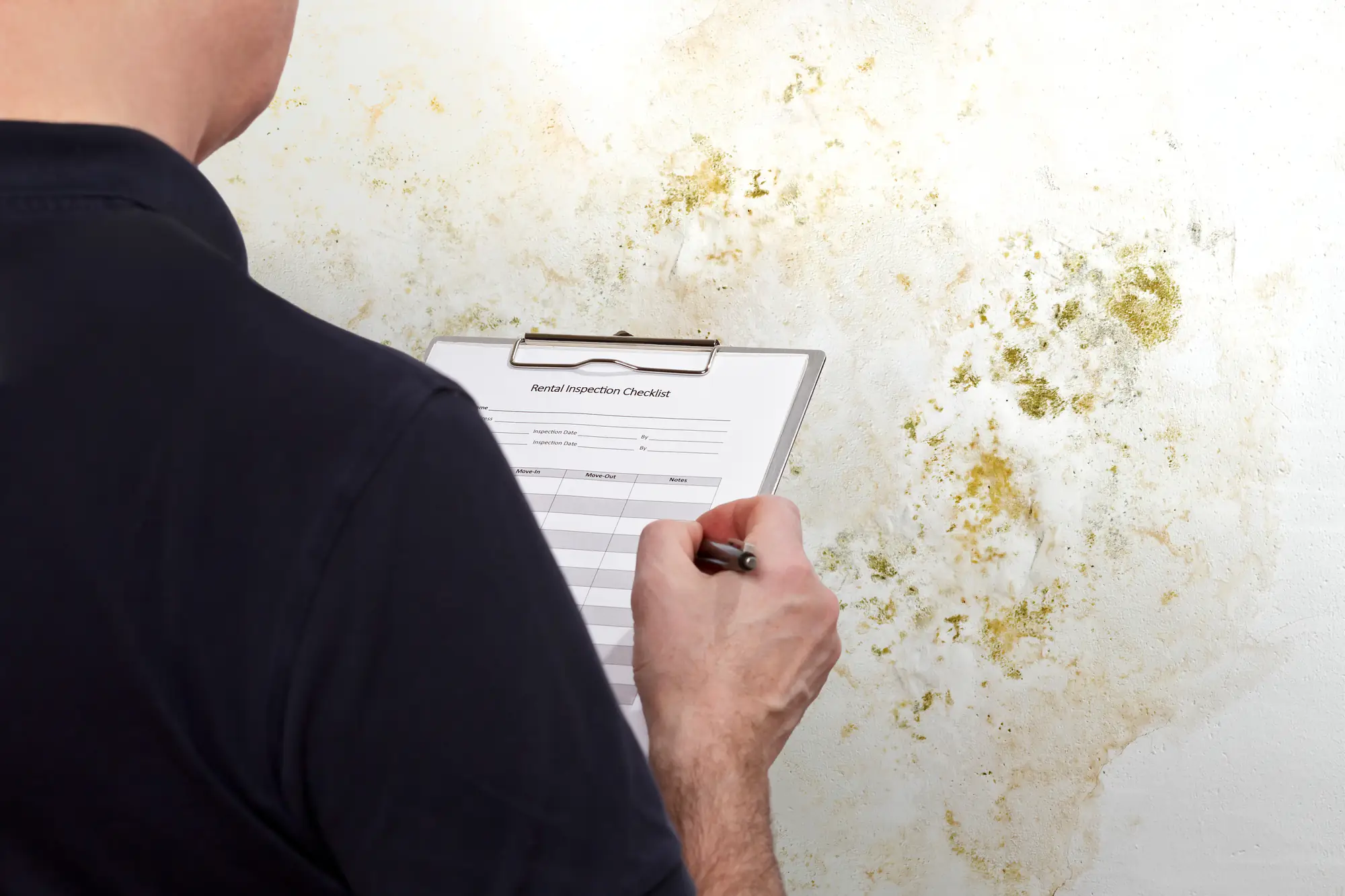
The obvious sign is visible mold—dark spots on walls, fuzzy growth on bathroom ceilings, discoloration around windows. But visible mold is often just the surface of a bigger problem. The more telling signs are persistent musty odors that don’t go away, allergy symptoms that improve when you leave the house, or unexplained respiratory issues affecting family members.
Water damage is a major red flag. If you’ve had a leak, flooding, or sewage backup—even if it was cleaned up—mold can start growing within 24 to 48 hours. Plumsteadville’s combined sewer systems can overflow during heavy rains, and that creates contamination risks beyond just mold. Any water intrusion needs follow-up inspection.
Pay attention to condensation patterns too. Windows that fog up regularly, damp basement walls, water stains on ceilings, or peeling paint all indicate moisture problems. Humidity above 60% creates ideal conditions for mold growth, and Pennsylvania’s climate keeps indoor humidity high without proper ventilation. If your basement always feels damp, your attic smells musty, or certain rooms feel stuffier than others, those are signs that moisture is accumulating somewhere. An inspection finds the source before it turns into expensive structural damage.
It depends on what caused the mold. Most homeowners insurance policies cover mold remediation if it resulted from a “covered peril”—like a burst pipe, roof damage from a storm, or appliance malfunction. They typically won’t cover mold from long-term neglect, maintenance issues, or flooding (which requires separate flood insurance).
The key is documenting everything. If you have sudden water damage, file a claim immediately and get a professional inspection before starting cleanup. Insurance companies want proof that the damage was sudden and accidental, not gradual deterioration. We work directly with insurance adjusters and provide detailed reports that document the extent of mold growth, moisture sources, and necessary remediation.
Some policies have mold coverage limits—often $10,000 or less—so review your policy before assuming everything is covered. If the inspection reveals mold from an ongoing moisture problem rather than a single incident, you’ll likely pay out of pocket. That’s why early detection matters. Catching a small problem costs hundreds; waiting until it’s a major issue costs thousands. We offer flexible payment options and provide accurate quotes upfront so there are no surprises.
Other Services we provide in Plumsteadville