
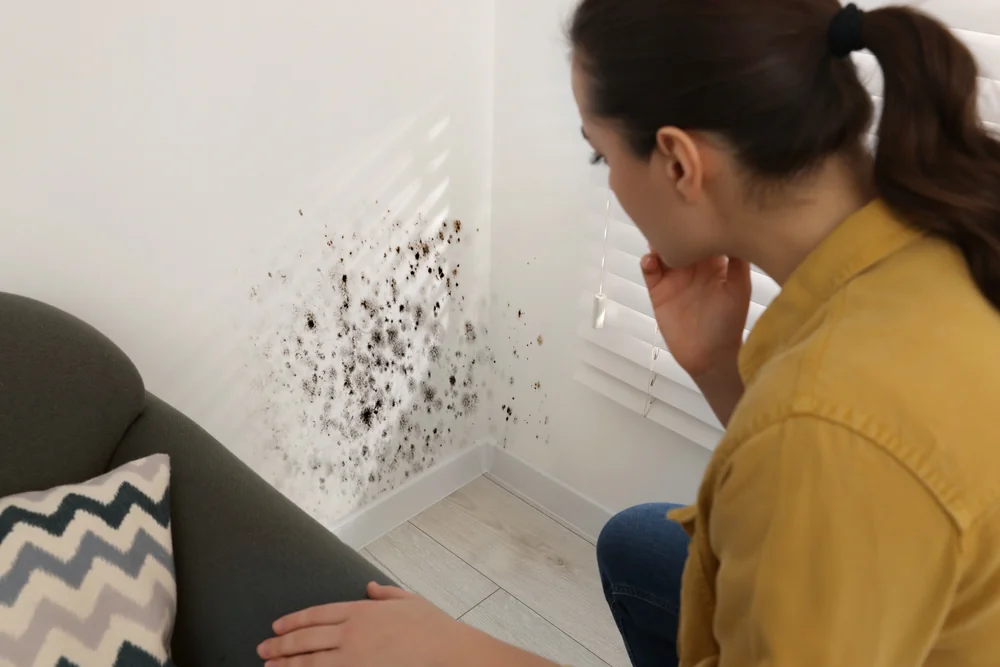
Hear from Our Customers
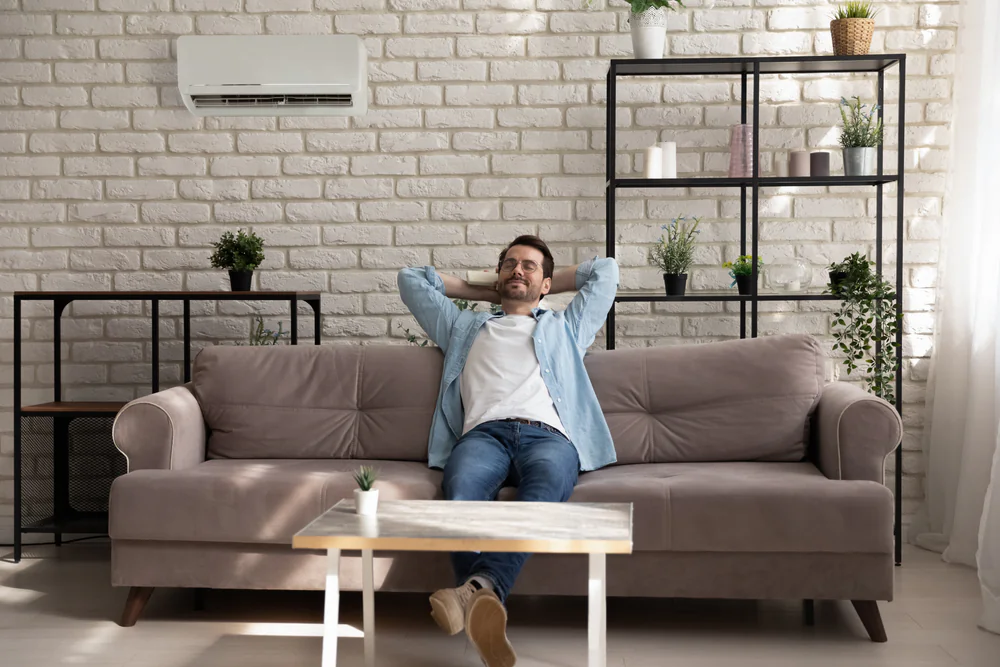
You’ve noticed the symptoms. Persistent coughing that gets better when you leave the house. Allergy flare-ups that don’t match the pollen count. Headaches that seem to follow you from room to room.
Here’s what most people don’t realize: your indoor air can be two to five times more polluted than the air outside. And in Plumsteadville’s humid climate, where basements stay damp and summers get sticky, your home might be harboring mold spores, allergens, and contaminants you can’t see.
A home air quality test gives you actual data. Not guesses. Not assumptions. We measure mold spore levels, check humidity that leads to growth, and identify what’s actually in the air your family breathes every day.
You’ll know exactly what you’re dealing with. You’ll get a clear report that explains the findings in plain language. And you’ll have a roadmap for fixing it before minor issues turn into major remediation projects that cost thousands.
We’ve been testing and treating homes across Bucks County for years. We understand how Plumsteadville’s climate affects your home differently than homes in drier regions.
Your older basement isn’t just charming. It’s a potential breeding ground during our humid summers. Your crawl space doesn’t just need ventilation. It needs someone who knows how moisture behaves in Pennsylvania’s freeze-thaw cycles.
We’re not a national franchise reading from a script. We’re local specialists who’ve seen what happens when humidity hits 70% in July and what that means for your air quality by September. When we test your home, we’re looking at it through the lens of someone who knows this area’s specific challenges.

First, we start with a free inspection. We walk through your home and talk about what you’ve noticed. Musty smells. Health symptoms. Visible water damage. This conversation matters because it tells us where to focus.
Next, we conduct air sampling throughout your home. We’re measuring mold spore levels in different rooms to see if you have elevated counts that indicate hidden growth. We also check humidity levels because anything above 60% creates conditions where mold thrives.
If you have specific concerns about certain areas like your basement, attic, or crawl space, we can do targeted testing there too. Surface sampling helps us identify exactly what type of mold you’re dealing with if we find visible growth.
You’ll get a detailed report within a few days. It breaks down what we found, what the numbers mean, and what you should do about it. If we find issues, we’ll explain your options clearly. If your air quality is fine, we’ll tell you that too.
The whole process typically takes a few hours, depending on your home’s size. You can be there or not. Either way, we’ll walk you through everything we found.
Ready to get started?
Our residential air quality testing covers the contaminants that most commonly affect Plumsteadville homes. We test for mold spores, which is critical in Bucks County where the average indoor radon level sits above EPA action guidelines and humidity creates perfect conditions for growth.
We measure moisture levels throughout your home because humidity above 60% doesn’t just feel uncomfortable. It actively encourages mold growth, dust mites, and other allergens that trigger respiratory issues.
We also look for common allergens like dust, pet dander, and pollen that get trapped inside when your home’s ventilation isn’t working properly. In newer, tightly sealed homes, this becomes an even bigger issue because there’s less air exchange with the outside.
If you’re buying or selling a home, our testing provides documentation that protects both parties. Pennsylvania’s disclosure laws require sellers to report known mold issues, and buyers want proof before closing. Our reports give you that clarity.
For homes with persistent health symptoms, unexplained odors, or previous water damage, we can do more comprehensive testing that identifies specific mold species and measures additional air quality parameters. You’re not paying for tests you don’t need, but you’re not missing anything that matters either.
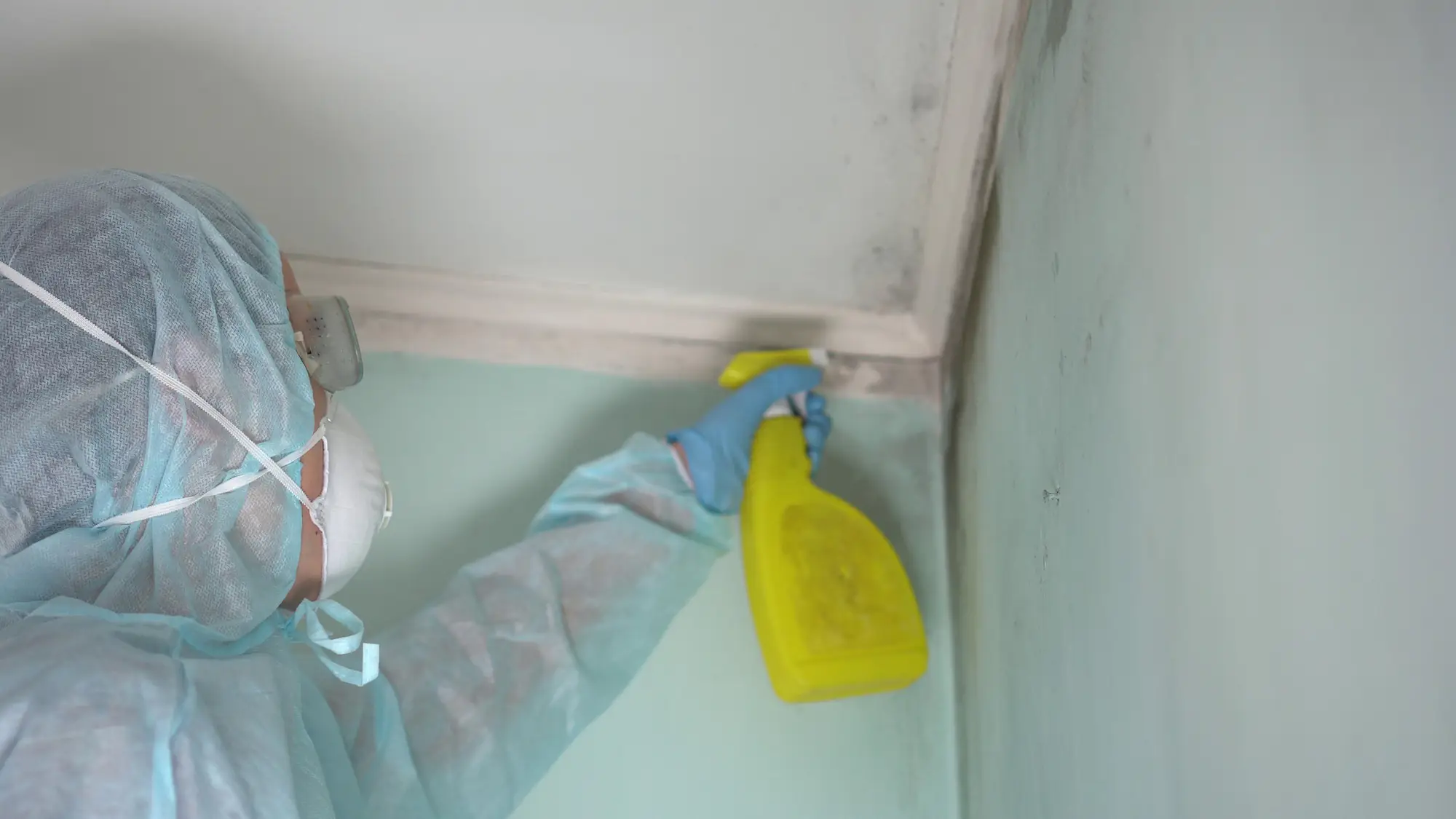
The clearest sign is health symptoms that improve when you leave your house. If you’re dealing with persistent coughing, sneezing, headaches, or allergy symptoms that seem worse at home, your indoor air quality deserves a closer look.
You should also consider testing if you’ve had any water damage, even if it was cleaned up quickly. Leaky roofs, basement flooding, or even a small pipe leak can create conditions for mold growth that isn’t visible but still affects your air.
Musty odors are another red flag. That smell means something is growing somewhere, even if you can’t see it. Older homes in Plumsteadville with basements or crawl spaces are especially prone to this because of how moisture behaves in our climate.
If you’re buying or selling a home, testing makes sense as part of your due diligence. It’s much better to know what you’re dealing with before closing than to discover a problem six months later when it’s become your expensive headache.
A standard home inspection looks at structural issues, electrical systems, plumbing, and visible problems. The inspector is checking if your roof leaks and your furnace works. They’re generalists covering a lot of ground.
Professional air quality testing is specialized. We’re measuring what’s actually in your air, not just looking at what we can see on surfaces. We use air sampling equipment to detect mold spore levels, even when there’s no visible growth. We measure humidity that creates conditions for problems to develop.
Home inspectors might note visible mold or water stains, but they typically don’t have the equipment or training to tell you what species you’re dealing with or how serious the contamination is. They can’t measure spore counts or identify hidden mold behind walls.
Think of it this way: a home inspector tells you if your basement looks damp. We tell you if that dampness has created a mold problem that’s affecting your air quality throughout the house. Both serve a purpose, but they’re not interchangeable.
The actual testing usually takes two to four hours, depending on your home’s size and how many areas we’re sampling. We can often do it while you’re at work or running errands if that’s easier for your schedule.
We collect air samples from multiple rooms to get an accurate picture of your overall air quality. If you have specific problem areas like a musty basement or a bedroom where someone’s symptoms are worse, we’ll focus additional attention there.
The samples go to a certified lab for analysis. You’ll typically get your results within three to five business days. Some labs can rush results if you’re in a time-sensitive situation like a real estate closing, though that may cost extra.
When your report comes back, we’ll walk you through it in detail. We explain what the numbers mean, whether your levels are elevated compared to outdoor air, and what specific actions you should take if we found issues. You’re not just getting a lab report dropped in your email. You’re getting an explanation from someone who understands what it means for your specific situation.
Yes, that’s exactly what air sampling is designed to do. Mold doesn’t have to be visible to affect your air quality. It can be growing inside walls, under flooring, in your HVAC system, or in your attic where you never look.
When we test your air, we’re measuring mold spore levels throughout your home. Everyone has some mold spores in their indoor air because they come in from outside. But elevated levels compared to outdoor air typically indicate hidden growth somewhere in your house.
If we find elevated spore counts, we can often narrow down where the problem is based on which rooms show the highest levels. That helps focus the investigation so you’re not tearing apart your entire house looking for the source.
Surface sampling is another tool we use when we find suspicious areas. If there’s discoloration on your basement wall or your attic sheathing looks questionable, we can test that specific spot to confirm whether it’s actually mold and what type you’re dealing with. That information matters because different mold species require different approaches to remediation.
We start with a free inspection, which gives you a chance to show us what you’re concerned about and get our professional assessment before spending anything. Many homeowners find that conversation alone helps them understand whether testing makes sense for their situation.
If you decide to move forward with testing, costs vary based on what you need. A basic air quality test with sampling from a few rooms typically runs a few hundred dollars. More comprehensive testing that covers additional areas or includes specialized analysis costs more.
The investment makes sense when you consider what you’re avoiding. Finding a minor mold issue early might cost a few hundred dollars to fix. Waiting until it becomes a major problem can easily run into thousands for remediation, plus potential health costs if your family’s breathing contaminated air for months.
For real estate transactions, testing costs are minimal compared to the price of the home and the peace of mind they provide. Buyers want to know what they’re getting into. Sellers want documentation that protects them from future liability. A few hundred dollars for testing is cheap insurance either way.
First, you’ll get a clear explanation of what we found and what it means. Not every mold finding is a crisis. Sometimes it’s a minor issue with a straightforward fix. Other times it requires more extensive remediation. We’ll be straight with you about which situation you’re facing.
If remediation is needed, we’ll walk you through your options. We handle mold removal ourselves, so we can give you a detailed plan and quote for fixing the problem. We don’t just identify issues and leave you to figure out the next steps on your own.
Our approach is to find the source and fix it, not just clean up the visible mold. If your basement has mold because of a humidity problem, we need to address that humidity or the mold will just come back. If you have a leak that’s creating conditions for growth, that leak needs to be fixed as part of the solution.
We also work with insurance companies if your situation is covered under your policy. We can help document everything properly and communicate with adjusters to make that process smoother. And if you need it, we offer 24/7 emergency service for situations that can’t wait.
Other Services we provide in Plumsteadville