You’ve probably seen those $30 mold test kits at the hardware store. Maybe you’ve even gotten a call offering a “free” mold inspection. Both sound like smart, budget-friendly ways to find out if you have a problem.
Here’s what they don’t tell you upfront: what you’re actually getting for free or cheap usually leaves out the most important parts. The air sampling. The lab analysis that compares your indoor levels to what’s normal outside. The expertise to interpret what those numbers actually mean for your specific situation.
If you’re dealing with a potential mold issue in your Bucks County, PA home, the testing method you choose determines whether you get real answers or just more questions. Let’s talk about what actually separates a $40 DIY kit from a professional mold inspection—and why that difference matters more than you might think.
What Free Mold Testing Actually Includes (And What’s Missing)
When someone offers you free mold testing, they’re usually offering a visual walkthrough. They’ll look at the areas you point out, maybe take a few photos, and tell you whether they see something that looks like mold.
What they’re not doing is measuring your indoor air quality. They’re not collecting samples and sending them to an accredited lab. They’re not comparing your indoor spore counts to outdoor baseline levels to determine if you actually have elevated mold growth or just normal environmental presence.
Here’s the part most people miss: mold spores exist in every home. They float in from outside. They land on surfaces. The question isn’t whether mold spores are present—it’s whether the levels in your home are higher than what’s normal for your area and season. A visual inspection alone can’t answer that question.
The companies offering truly free inspections aren’t doing it out of generosity. They’re doing it because they also sell mold remediation services. Their business model depends on finding a problem that needs fixing. That’s not necessarily dishonest, but it is a conflict of interest you should understand before you accept their “free” offer.
Why Companies Offer Free Mold Inspections in Bucks County
The mold industry doesn’t have the same regulations as, say, the asbestos industry. In Pennsylvania, there’s no state licensing requirement for mold inspectors or remediators. Anyone can start offering services without formal credentials or oversight.
That regulatory gap creates opportunities for business models that wouldn’t fly in more regulated industries. The most common one is the company that offers free or deeply discounted inspections as a way to get in your door, then sells you the remediation work they “discover” you need.
Think about the incentive structure here. If a company makes money by removing mold, and they’re the ones testing your home to determine whether you have mold that needs removing, what do you think their testing is likely to find? It’s the same reason you wouldn’t hire a roofer to inspect your roof and tell you whether you need a new one. The person diagnosing the problem shouldn’t be the same person profiting from the solution.
Some of these companies are perfectly ethical and do solid work. But the conflict of interest is built into the business model. They can’t make money unless they find problems. Independent testing firms that only do testing—no remediation, no cleanup, no reconstruction—don’t have that conflict. Their only job is to tell you what’s actually there.
In states like Texas and Florida, it’s actually illegal for the same company to do both testing and remediation. Those states recognized the conflict of interest and made it against the law. Pennsylvania hasn’t gone that far yet, which means you need to be more careful about who you hire and what their incentives are.
The other thing free inspections typically skip is laboratory analysis. Real mold testing involves collecting air samples with calibrated equipment, sending those samples to an accredited lab, and having a microbiologist identify and count the spore types under a microscope. That process costs money. Labs charge fees. Equipment needs maintenance and calibration. A truly comprehensive inspection takes several hours, not the 20-minute walkthrough you get with most free offers.
When you see “free mold inspection,” what you’re usually getting is a sales consultation disguised as a service. It’s not worthless—you might learn something useful—but it’s not the same thing as independent professional testing.
What DIY Mold Test Kits Actually Tell You (And What They Don’t)
DIY mold test kits seem like the obvious middle ground. You’re not accepting a “free” inspection from someone trying to sell you remediation. You’re not paying several hundred dollars for professional testing. You’re spending $30 or $40 on a kit from the hardware store, following the instructions, and getting results.
The problem is what those results actually tell you. Most DIY kits use what’s called a settling plate—basically a petri dish with growth medium that you leave exposed in your home for a set period of time. Mold spores that happen to land on the plate will grow, and you can see them.
Here’s the issue: that method only captures spores that randomly fall onto the plate. It doesn’t measure the concentration of spores in your air. It doesn’t tell you how many spores per cubic meter you’re breathing. It doesn’t compare your indoor levels to outdoor levels. And it definitely doesn’t give you the context to know whether what you’re seeing is normal or concerning.
Consumer Reports tested a bunch of these kits and rated every single one as “Not Recommended.” The U.S. Navy’s environmental health fact sheet states plainly that home mold test kits “do not provide meaningful answers.” Multiple studies have shown that DIY kits report high mold counts when actual levels are low, and vice versa.
Even if you spring for one of the more expensive DIY kits that includes lab analysis, you’re still working with incomplete data. The kit might tell you what species of mold grew on your plate. It won’t tell you whether the concentration in your home is elevated compared to normal outdoor conditions. That comparison is critical, because mold spores are literally everywhere. The question is whether you have more than you should.
Professional air sampling uses a calibrated pump that draws a specific volume of air—usually 15 liters per minute—through a collection cassette. The lab counts the spores captured in that known volume of air and gives you a number: spores per cubic meter. Then you compare that to an outdoor control sample taken the same day. If your indoor count is significantly higher than outdoor, you likely have active mold growth somewhere in your home.
DIY kits can’t replicate that process. They don’t have the equipment. They don’t collect outdoor controls. They don’t measure air volume. What they give you is a yes/no answer to a question that requires nuance and context.
The other hidden cost of DIY testing is what happens when the results are inconclusive or misleading. You might get a false negative and miss a real problem that continues to grow and cause damage. Or you might get a false positive and spend money on remediation you didn’t actually need. Either way, you’re not saving money—you’re just deferring the cost of getting accurate information.
How a Mold Inspection Specialist Approaches Your Home
Professional mold testing starts with a conversation, not a sales pitch. A qualified mold inspection specialist will ask about your concerns, your home’s history, any water damage or leaks, and whether anyone in your household is experiencing health symptoms. That context matters because it helps guide where to look and what to test.
Then comes the visual inspection. This isn’t just walking through and eyeballing things. A good inspector uses tools—thermal imaging cameras to detect temperature differences that might indicate moisture behind walls, moisture meters to measure water content in building materials, and sometimes even borescopes to look inside wall cavities or other inaccessible areas.
The visual inspection identifies obvious problem areas and helps the inspector develop a testing strategy. Not every room needs air sampling. Not every surface needs swabbing. The inspector’s job is to figure out where testing will provide the most useful information.
When it comes time to collect samples, professional inspectors use calibrated equipment. For air sampling, that means a pump that draws a precise volume of air through a collection cassette over a measured period of time. For surface sampling, it might mean tape lifts, swabs, or bulk samples of affected materials. Every sample gets labeled, documented, and sent to an accredited laboratory for analysis.
Residential Mold Testing: What Lab Results Reveal
The lab analysis is where you get actual answers instead of guesswork. A microbiologist examines your samples under a microscope, identifies the species of mold present, and counts the concentration of spores. For air samples, you get a number: spores per cubic meter for each species detected.
That number by itself doesn’t mean much. Mold spores are always present in indoor and outdoor air. What matters is the comparison. If your outdoor control sample shows 500 spores per cubic meter of a particular species, and your indoor sample shows 5,000, that’s a problem. It means you have active mold growth somewhere in your home that’s releasing spores into your air.
The species matters too. Some molds are more concerning than others. Stachybotrys, commonly called black mold, produces toxins that can cause serious health effects. Aspergillus and Penicillium are common but can still cause respiratory issues in sensitive individuals. Cladosporium is often found outdoors and might not indicate a problem if indoor levels aren’t elevated.
A professional inspector doesn’t just hand you lab results and walk away. They interpret what those results mean for your specific situation. They explain which findings are concerning, which are normal, and what actions you should consider. They identify the likely source of any mold growth—whether it’s a roof leak, condensation in your HVAC system, poor ventilation in your bathroom, or water intrusion in your basement.
That source identification is critical for residential mold testing. You can remove all the mold you want, but if you don’t fix the moisture problem that caused it, the mold will just come back. Professional testing includes figuring out why you have mold, not just confirming that it’s there.
The written report you receive documents everything—the inspection findings, the testing methodology, the lab results, the comparison to outdoor controls, the identified sources of moisture, and the recommended next steps. That documentation is valuable if you need to file an insurance claim, negotiate a real estate transaction, or hire a remediation company.
Speaking of remediation, here’s where independent testing really pays off. When you have an unbiased report from a testing-only company, you can get competitive bids from multiple remediation contractors. They’re all working from the same objective data about what needs to be done. You’re not locked into using the company that did your testing, because they don’t do remediation work.
Air Quality Testing for Mold: Understanding the Process
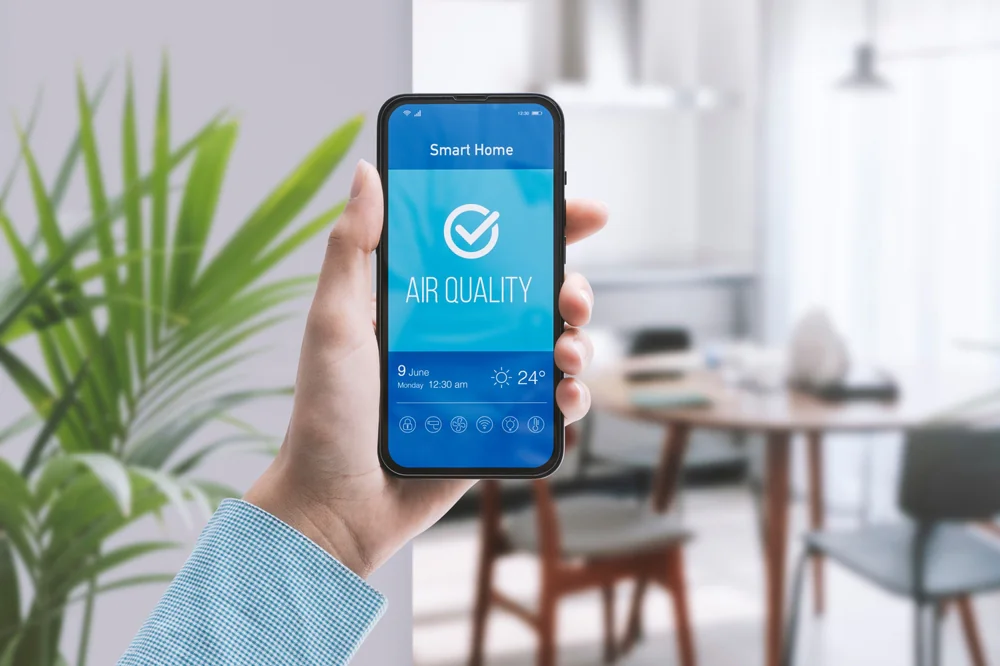
Understanding how air quality testing for mold actually works helps you see why DIY kits and free inspections fall short. The goal isn’t just to detect mold—it’s to measure whether your indoor air has elevated levels compared to normal outdoor conditions.
Professional air sampling uses spore trap cassettes and calibrated pumps. The pump draws air through the cassette at a controlled rate, typically 15 liters per minute, for a set period of time—usually 5 to 15 minutes. That gives you a known volume of air sampled. The cassette contains a sticky surface that captures spores as air flows through.
The cassette goes to an accredited laboratory where a trained microbiologist examines it under a microscope. They identify each type of mold spore present and count how many of each type they find. Then they calculate the concentration: spores per cubic meter of air.
The outdoor control sample is just as important as the indoor samples. It’s collected the same day, using the same equipment and methodology, from the air outside your home. That outdoor sample tells you what’s normal for your area on that particular day.
Mold spore counts vary by season, weather, and geography. A count that would be concerning in winter might be perfectly normal in fall. A species that’s rare in one part of the country might be common in another. The only way to know if your indoor levels are elevated is to compare them to what’s happening outdoors.
There are no federal standards for acceptable indoor mold levels. OSHA, the EPA, and NIOSH haven’t established numerical limits. That’s why the comparison to outdoor air is so critical—it’s the baseline that tells you whether you have a problem.
If your indoor levels are lower than outdoor, you’re fine. If they’re roughly equal, you’re probably fine. If your indoor levels are significantly higher—especially for species that shouldn’t be growing indoors—that’s when you need to take action.
Surface sampling works differently but serves a similar purpose. When an inspector sees visible mold growth, they might take a tape lift sample—literally pressing a piece of clear tape against the moldy surface, then sticking it to a slide for lab analysis. Or they might use a swab with preservative to collect a sample.
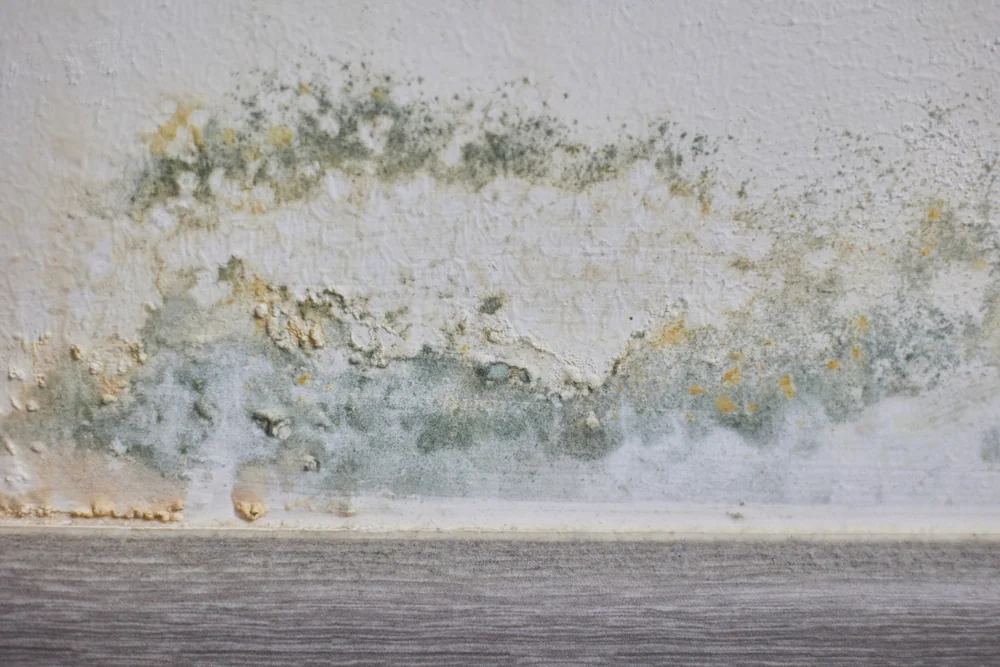
Surface sampling confirms what species of mold is growing and can help determine if what looks like mold actually is mold. Sometimes what appears to be mold is just dirt, soot, or mineral deposits. Testing confirms what you’re dealing with.
The combination of air sampling and surface sampling gives you a complete picture. Air sampling tells you what’s floating around in the air you breathe. Surface sampling identifies what’s actively growing on building materials. Together, they help pinpoint where the mold is, what type it is, and how extensively it’s affecting your indoor environment in Bucks County, PA.
Choosing the Right Testing Method for Your Home
The difference between free mold testing, DIY kits, and professional inspection comes down to what you actually need to know. If you just want confirmation that the fuzzy black stuff in your bathroom corner is mold, you probably don’t need professional testing. You can see it. Clean it up and fix whatever’s causing the moisture.
But if you’re dealing with health symptoms, unexplained odors, recent water damage, or a real estate transaction, you need more than visual confirmation. You need accurate data about what’s in your air, how it compares to normal outdoor levels, and where it’s coming from. That’s what professional testing provides.
The cost of professional inspection in Bucks County, PA—typically a few hundred dollars—is small compared to the cost of unnecessary remediation or the cost of missing a problem that continues to grow. Independent testing gives you the information you need to make smart decisions about your home and your health.
If you’re ready to get real answers about your indoor air quality, we offer professional testing services throughout Bucks County, PA and the surrounding areas. We use EPA-approved methods, state-of-the-art equipment, and independent lab analysis to give you accurate, unbiased results. We’re available 24/7 for consultations and emergency response.