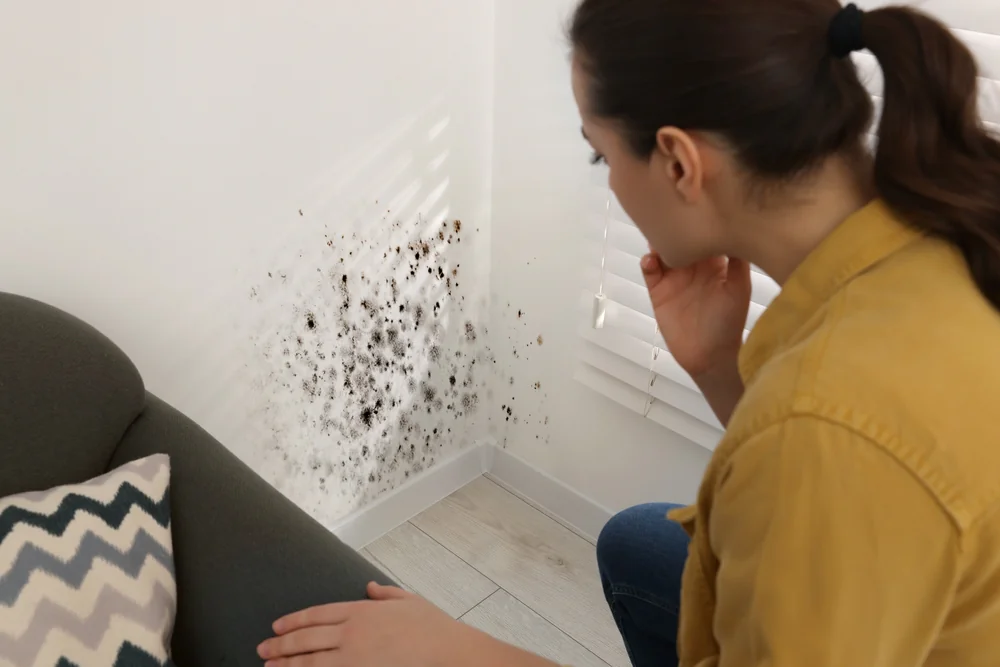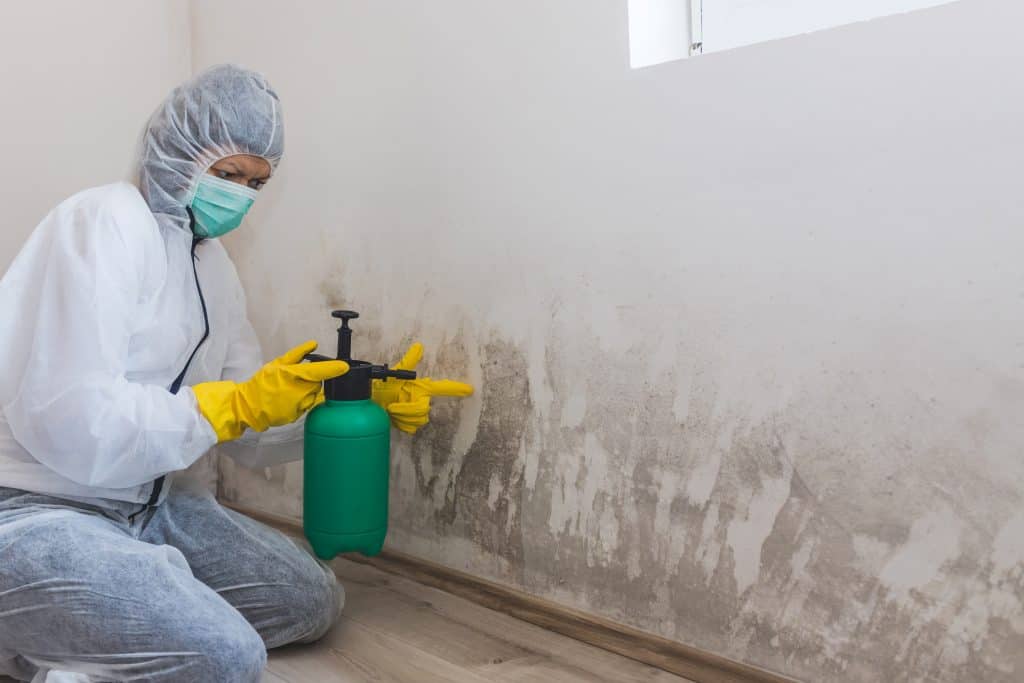
You’ve spotted some discoloration on your basement wall. Maybe you haven’t seen anything at all, but there’s a musty smell that won’t quit no matter how many times you clean. Or perhaps you’re dealing with unexplained allergy symptoms that seem worse at home than anywhere else.
The question isn’t whether mold exists. It’s whether you actually know what you’re dealing with. Accurate mold testing answers that question with science instead of guesswork. It finds growth you can’t see, measures what you’re breathing, and gives you the information you need to make smart decisions about your home and health. Here’s what you need to know about when testing matters and how the process actually works.
What Mold Testing Actually Measures
Mold testing isn’t about proving mold exists. Mold spores are everywhere, indoors and out. They float through the air, land on surfaces, and wait for the right conditions to grow.
What testing does is measure concentration and identify species. It tells you whether the mold in your home is at normal background levels or whether something’s actively growing. It compares indoor air to outdoor air. It identifies whether you’re dealing with common mold or species that produce toxins. And it pinpoints sources you’d never find with your eyes alone.
The science comes down to sampling and lab analysis. Air samples capture spores floating through your living space. Surface samples identify what’s growing on walls, floors, or materials. Both get sent to certified laboratories where analysts count spores, identify species, and quantify concentrations. The results give you a snapshot of your indoor air quality and whether remediation makes sense.
How Air Sampling Detects What You Can’t See
Air sampling is the gold standard for finding hidden mold. It works by pulling a measured volume of air through a collection device that traps mold spores. Those samples then go to a lab where technicians analyze exactly what’s floating around your home.
The process starts with outdoor samples. Mold grows abundantly outside, so you need a baseline for comparison. If your indoor spore counts match outdoor levels, you’re probably fine. But if indoor concentrations are significantly higher, or if you’re seeing species that don’t typically grow outdoors, that points to an active problem inside your home.
Air testing catches mold growing in places you’d never think to check. Behind walls. Inside ductwork. Under flooring. In crawl spaces. These areas stay hidden during visual inspections, but they release spores into the air you breathe every day.
The samples measure concentration in spores per cubic meter. Labs identify specific species like Aspergillus, Penicillium, Cladosporium, and Stachybotrys. Each species has different health implications. Some trigger allergies. Others cause respiratory issues. A few produce mycotoxins that pose serious risks to immune-compromised individuals.
But here’s the critical part. Air testing works best when combined with a thorough inspection. The numbers tell you what’s in the air. The inspection tells you where it’s coming from and why. One without the other leaves gaps in understanding. Together, they give you the complete picture you need to address the problem at its source rather than just treating symptoms.
Bucks County’s humid summers and damp winters create perfect conditions for mold growth. The area’s older housing stock, combined with seasonal temperature swings, means hidden mold often develops in multiple locations simultaneously. Air testing identifies these problem areas even when they’re not visible, giving you a roadmap for effective remediation.
When Testing Is Necessary and When It’s Not
If you can already see mold growing on your walls, you don’t need testing to tell you it’s there. The EPA is clear on this point. Visible mold means you need remediation, not confirmation. Testing won’t change that fact, and it won’t tell you anything that affects how you remove it.
But there are situations where testing provides critical information you can’t get any other way. When you smell mold but can’t find the source, air sampling pinpoints where it’s hiding. When you’re experiencing health symptoms that might be mold-related but you’re not sure, testing confirms whether elevated spore levels are the culprit. When you’ve had water damage and want to verify whether mold developed in hidden spaces, testing gives you that answer.
Testing also makes sense after remediation. Post-cleanup verification confirms that spore levels have returned to normal and that the job was done right. It’s your insurance that the problem is actually solved, not just covered up or partially addressed.
Real estate transactions are another scenario where testing proves valuable. Buyers want to know what they’re getting into. Sellers want documentation that their property is clean. Testing provides objective data that protects both parties and prevents disputes down the road.
But here’s what testing can’t do. It can’t tell you whether mold is “toxic” or “safe” because there are no federal standards defining acceptable levels. Different people react differently to the same mold species. Someone with asthma might have serious symptoms at spore counts that don’t bother someone else at all.
Testing also can’t replace fixing the underlying moisture problem. You can test all day long, but if you’ve got a leaky pipe or poor ventilation, the mold will keep coming back. The value in testing is understanding what you’re dealing with so you can address both the growth and the conditions that caused it.
In Bucks County, where humidity is a constant challenge, testing helps distinguish between normal background mold and active growth that needs attention. It tells you whether that musty basement smell is just typical for the area or whether you’ve got a problem that requires professional intervention. That distinction matters when you’re deciding how to spend your money and protect your family’s health.
The Difference Between Mold Inspection and Mold Testing
Mold inspection and mold testing aren’t the same thing, even though people use the terms interchangeably. An inspection is a visual and technical examination of your property. Testing involves collecting samples for laboratory analysis.
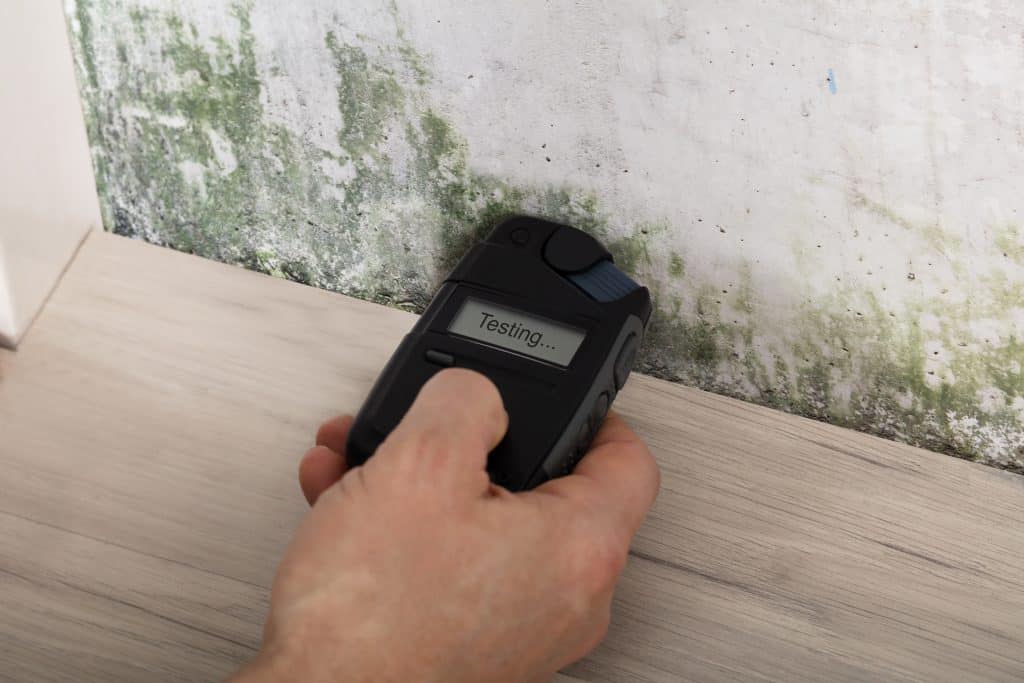
Inspections identify visible mold, moisture problems, and conditions that promote growth. Inspectors use moisture meters to find wet spots behind walls. They use thermal imaging to detect temperature differences that indicate dampness. They check basements, attics, crawl spaces, and areas around plumbing where mold typically develops. The inspection tells you where mold is likely growing and what’s causing it.
Testing goes a step further. It collects air or surface samples that get analyzed in a lab. The results identify specific mold species and quantify spore concentrations. Testing tells you what types of mold are present and whether indoor levels are elevated compared to outdoor baseline readings.
What Happens During a Professional Mold Inspection
A professional mold inspection starts with understanding your concerns. We ask about visible mold, musty odors, water damage history, and any health symptoms you’ve noticed. This conversation helps focus the inspection on areas most likely to have problems.
Next comes the visual examination. We check obvious spots like bathrooms, kitchens, and basements. But we also look in places homeowners rarely think about. Behind appliances. Inside HVAC systems. Around windows and doors where condensation collects. In attics where roof leaks might have gone unnoticed.
Moisture detection is a critical part of the process. Mold needs water to grow, so finding moisture tells you where mold is likely developing. We use specialized meters that measure moisture content in walls, floors, and ceilings. We use infrared cameras that reveal temperature differences indicating wet areas behind surfaces.
The inspection also evaluates your home’s ventilation and humidity levels. Poor air circulation and high humidity create ideal conditions for mold. Identifying these issues helps prevent future problems even after current growth is remediated.
Throughout the inspection, we document everything. Photos of visible mold. Moisture readings from different areas. Notes about ventilation problems or water intrusion points. This documentation becomes part of your inspection report and provides a baseline for tracking remediation success.
If we find conditions suggesting hidden mold, we may recommend testing. Air samples can confirm whether spores are elevated even when growth isn’t visible. Surface samples can identify species and help determine the extent of contamination. The inspection identifies potential problems. Testing confirms them and provides the data needed for targeted remediation.
In Bucks County’s older homes, inspections often reveal multiple moisture sources. Leaky basements. Inadequate ventilation. Aging plumbing. Condensation from temperature swings between seasons. Understanding these contributing factors is just as important as finding the mold itself, because addressing root causes prevents recurrence.
Understanding Your Mold Test Results
Mold test results come back from the lab as a detailed report listing mold species, spore counts, and concentration levels. For most homeowners, these reports look like a foreign language. But understanding what the numbers mean is essential for making informed decisions.
The report typically shows spore counts measured in spores per cubic meter. You’ll see both raw counts and concentration calculations. The raw count is what the lab technician actually counted under the microscope. The concentration adjusts that number based on the volume of air sampled, giving you a standardized measurement for comparison.
Species identification matters more than total counts. Aspergillus and Penicillium are common indoor molds that can trigger allergies but aren’t necessarily dangerous at low levels. Cladosporium thrives in damp conditions and often indicates moisture problems. Stachybotrys, the notorious black mold, produces mycotoxins and warrants serious attention even at relatively low concentrations.
The most important comparison is indoor versus outdoor levels. If your indoor Aspergillus count is 500 spores per cubic meter and your outdoor count is 600, that’s normal. Outdoor spores drift inside through normal air exchange. But if indoor levels are significantly higher than outdoor levels, or if you’re seeing species indoors that weren’t detected outside, that indicates active growth inside your home.
There are no federal standards defining “acceptable” mold levels. The EPA hasn’t set limits because people react differently to the same exposure. What triggers severe symptoms in one person might not affect another at all. This is why interpretation requires context. Your health symptoms, the species identified, the concentration levels, and the comparison to outdoor baseline all factor into understanding what your results mean.
Some general guidelines exist based on industry experience. Counts below 500 spores per cubic meter are typically considered trace levels that don’t require action. Counts between 500 and 1,500 warrant attention, especially if you’re seeing allergenic species or if sensitive individuals are experiencing symptoms. Counts above 1,500 generally indicate a problem that needs remediation.
But these are rough guidelines, not hard rules. A count of 200 spores of Stachybotrys is more concerning than 1,000 spores of Cladosporium. The specific species, the distribution across different areas of your home, and the presence of moisture problems all influence what your results actually mean for your situation.
Your test report should also note whether any hyphal fragments were detected. These are pieces of actively growing mold, not just spores floating in the air. Finding hyphal fragments strongly suggests active growth somewhere in your home, even if you haven’t located the source yet.
Professional interpretation matters. A qualified mold inspector or indoor air quality specialist can explain what your specific results mean for your home and health. We can identify which findings require immediate action and which are simply background noise. We can recommend next steps based on the complete picture, not just the numbers on the page.
Making Informed Decisions About Mold Testing
Accurate mold testing gives you information that visual inspection alone can’t provide. It measures what you’re breathing. It finds growth hiding behind walls and in spaces you’d never think to check. It identifies species and quantifies concentrations so you understand exactly what you’re dealing with.
But testing isn’t always necessary, and knowing when it makes sense saves you time and money. If mold is visible, move straight to remediation. If you suspect hidden growth, are experiencing health symptoms, need post-remediation verification, or want documentation for real estate purposes, testing provides valuable answers.
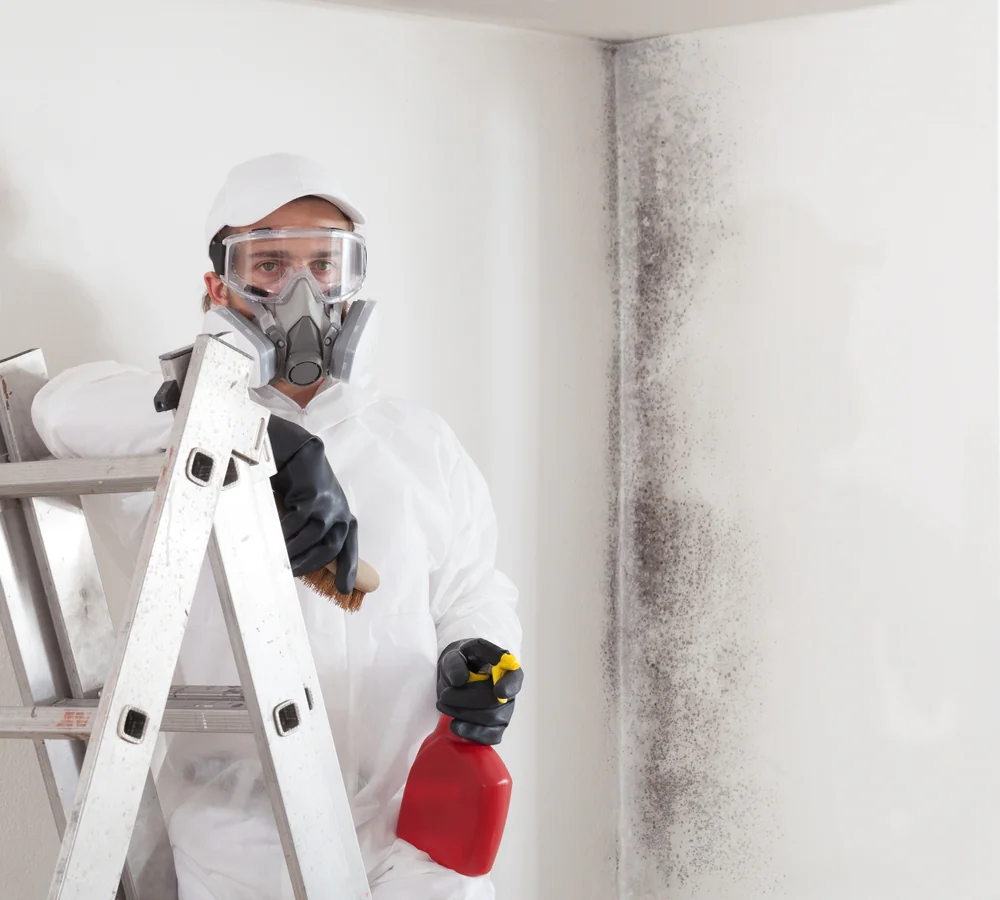
The key is working with professionals who give you honest guidance instead of selling unnecessary services. At Mack’s Mold Removal, we combine thorough inspections with strategic testing to give you the complete picture. We use EPA-approved methods, advanced detection equipment, and straightforward communication to help you make informed decisions about your home and health.