You’ve been to the doctor three times this year for the same persistent cough. Your daughter’s asthma seems worse, but only at home. You’re exhausted no matter how much sleep you get, and that brain fog makes it hard to focus at work.
The doctors run tests, prescribe inhalers, suggest allergy medications—but nothing really helps. Here’s what they might not be asking: when did you last check your basement for mold?
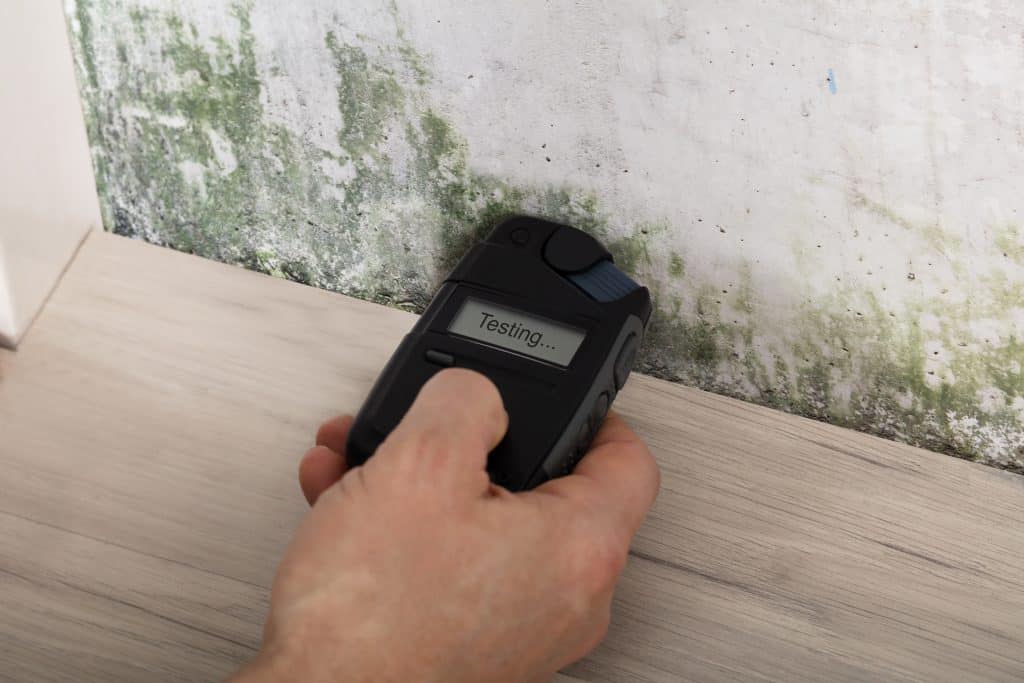
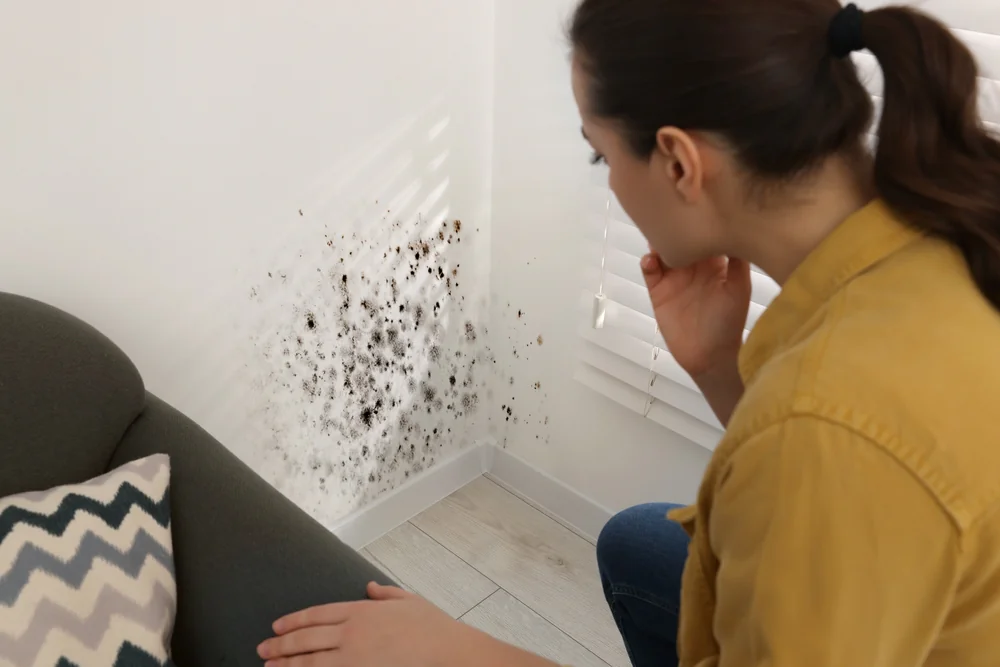
In Bucks County, where we get nearly 50 inches of rain a year and summer humidity regularly tops 70%, mold isn’t just possible—it’s probable. And it might be the missing piece in your family’s health puzzle. Let’s talk about what mould exposure actually looks like, because the symptoms aren’t always what you’d expect.
Understanding Mould Exposure Symptoms and How They Develop
Mold exposure symptoms show up differently in every person. Some people walk into a moldy basement and immediately start sneezing. Others live with hidden mold for months before they notice anything wrong.
The tricky part? Most mould exposure symptoms look exactly like a dozen other health issues. That’s why families often go months—sometimes years—without connecting their health problems to what’s growing in their walls.
Your body reacts to mold in one of three ways: allergic reaction, immune system inflammation, or in rare cases with compromised immune systems, infection. The symptoms you experience depend on which type of reaction you’re having, how much mold you’re exposed to, and how long you’ve been breathing it in. What makes this even more confusing is that symptoms can show up right away or take weeks to develop.
Symptoms 1-4: Respiratory and Breathing Problems from Mold
The most common mould exposure symptoms affect your breathing. This makes sense—you’re inhaling mold spores with every breath in a contaminated space. What doesn’t make sense to most people is why these respiratory symptoms don’t respond to typical cold or allergy treatments.
**Symptom 1: Persistent Cough That Won’t Quit.** Not the productive cough that comes with a cold, but a dry, irritating cough that lingers for weeks or months. You’ve tried cough syrup, honey, even prescription medications, but it keeps coming back. This is often the first sign families notice, especially in children who seem to have a cough that never fully resolves.
**Symptom 2: Wheezing and Shortness of Breath.** You might notice wheezing, especially if you already have asthma. The difference is that mold-triggered wheezing often gets worse in specific rooms or areas of your home—your basement, a particular bathroom, or that bedroom that always feels damp. Shortness of breath that makes it hard to take a deep breath in your own home is your body telling you something in the air isn’t right.
**Symptom 3: Chronic Nasal Congestion and Sinus Pressure.** Stuffy nose, sinus pressure, and congestion that never fully clear up are telltale signs, especially when they improve dramatically whenever you leave your house for a few days. You might feel like you have a perpetual cold that antibiotics won’t touch because it’s not actually a bacterial infection—it’s your sinuses reacting to mold spores.
**Symptom 4: Throat Irritation and Chest Tightness.** That constant need to clear your throat, combined with a feeling of tightness in your chest, can point to mold exposure. The spores irritate your throat tissues, creating inflammation. For people with asthma, mold exposure can trigger severe attacks. According to research, nearly 21% of asthma cases may actually result from mold exposure.
The key pattern to watch for: do your respiratory symptoms get better when you’re away from home and worse when you return? That’s not a coincidence. That’s your environment trying to tell you something. In Bucks County’s humid climate, where basements stay damp year-round and HVAC systems struggle during muggy summers, these respiratory symptoms are often the first warning sign that mold has taken hold.
Symptoms 5-8: Neurological and Cognitive Effects Most People Miss
This is where mould exposure symptoms get really confusing. Brain fog, difficulty concentrating, and memory problems don’t scream “mold issue” to most people. You’re more likely to blame stress, aging, or lack of sleep. But research shows that mycotoxins from certain molds can actually cross the blood-brain barrier and affect neurological function.
**Symptom 5: Brain Fog and Difficulty Concentrating.** Brain fog feels like you’re thinking through cotton. Simple tasks take longer. You walk into a room and forget why you’re there. You read the same paragraph three times and still don’t absorb it. For many people living with mold exposure, this cognitive cloudiness becomes their new normal—until they realize it’s not normal at all. This is one of the 10 warning signs of mold toxicity that gets overlooked most often because people attribute it to busy schedules or aging.
**Symptom 6: Persistent Headaches or Migraines.** Not the occasional headache everyone gets, but persistent head pain that doesn’t respond well to typical pain relievers. Some people experience a dull, constant ache. Others get severe migraines that seem to have no clear trigger. The pattern to watch: do your headaches worsen in certain areas of your home, particularly damp spaces like basements or bathrooms? Do they ease up when you’re at work or away for the weekend?
**Symptom 7: Dizziness and Lightheadedness.** Feeling off-balance or dizzy specifically when you’re at home, with improvement when you’re elsewhere, is worth investigating. This symptom is less common but can be particularly disorienting and concerning when it occurs.
**Symptom 8: Mood Changes and Increased Anxiety.** Increased anxiety, depression, or unexplained irritability can all be connected to mold exposure. Your brain is an organ like any other, and when it’s exposed to inflammatory compounds from mold, it can affect your mental health. Studies on mold exposure have found that people spending time in moldy buildings report higher levels of anxiety and depression.
The inflammatory response triggered by mold doesn’t just affect your lungs—it affects your entire system, including your brain chemistry. This is especially important for families to understand. If your teenager seems more depressed lately, or your normally calm child is suddenly anxious, and you’ve ruled out the obvious causes, it might be time to check for hidden mold in their bedroom or play areas.
Black Mould Symptoms and Toxic Mold Health Effects
Let’s clear up some confusion about black mold. The term gets thrown around a lot, usually with an implication that black mold is uniquely dangerous. The truth is more nuanced.
“Black mold” typically refers to Stachybotrys chartarum, which can produce mycotoxins under certain conditions. But here’s what matters: the color of mold doesn’t determine how dangerous it is. Black mould symptoms are essentially the same as symptoms from other mold types—respiratory issues, allergic reactions, and in some cases, more serious health effects.
What makes certain molds more problematic isn’t their color but whether they produce mycotoxins and how much exposure you’re getting. The CDC confirms that all mold should be removed from homes, regardless of type or color, because any mold growth indicates a moisture problem that needs fixing.
Symptoms of Black Mold Exposure in Children and At-Risk Groups
Children face higher risks from mold exposure for several reasons. They breathe faster than adults, taking in more air—and more mold spores—relative to their body size. They spend more time on floors and carpets where spores settle. And their immune systems are still developing, making them more susceptible to mold’s effects.
Watch for respiratory symptoms that seem disproportionate to typical childhood illnesses. A cough that lingers for weeks after a cold has passed, wheezing that wasn’t there before, or asthma that’s suddenly harder to control. Research shows infants in homes with mold have significantly higher risk of developing asthma and allergic rhinitis.
If your child has persistent respiratory symptoms and you live in an older Bucks County home—especially in areas like Levittown where moisture-retaining soil creates perfect conditions for basement mold—it’s worth investigating. Behavioral changes in children can also signal mold exposure. Increased fussiness in babies and toddlers, difficulty concentrating in school-age kids, or unexplained fatigue in teenagers. These symptoms are easy to attribute to other causes, but if they coincide with time spent in specific areas of your home, mold could be the culprit.
Elderly individuals face elevated risks too. As immune systems weaken with age, the body’s ability to fight off the effects of mold exposure decreases. An older parent or grandparent who seems to be catching every bug, experiencing worsening respiratory issues, or showing increased confusion might be reacting to mold in their living environment.
People with compromised immune systems—those undergoing cancer treatment, HIV patients, transplant recipients taking immunosuppressive drugs—face the most serious risks. For these individuals, mold exposure can lead to actual fungal infections in the lungs or other organs, not just allergic reactions. If you or a family member falls into this category and you suspect mold in your home, professional mold remediation isn’t optional—it’s urgent.
The pattern that should raise red flags: symptoms that improve when the vulnerable person leaves the house and return when they come back. Your child’s cough clears up during that week at grandma’s house but returns within days of coming home. Your elderly parent seems sharper and more energetic after a hospital stay but declines again at home. These aren’t coincidences.
Symptoms 9-11: Systemic Effects and 10 Warning Signs of Mold Toxicity
Beyond respiratory and neurological symptoms, mold exposure can affect your entire body system. These final three symptoms round out the 11 most commonly missed signs that mold might be making you sick.
**Symptom 9: Chronic Fatigue That Doesn’t Improve with Rest.** This isn’t the normal tiredness that comes from a busy week. It’s bone-deep exhaustion that persists no matter how much you sleep. You wake up tired. You’re tired all day. Coffee doesn’t help. Rest doesn’t help. This chronic fatigue is one of the hallmark 10 warning signs of mold toxicity, yet it’s often attributed to stress, poor sleep habits, or other medical conditions. The key difference: mold-related fatigue often comes with other symptoms on this list and improves when you’re away from the moldy environment for extended periods.
**Symptom 10: Skin Rashes and Irritation.** Unexplained skin rashes, itching, or hives that don’t respond to typical treatments can indicate mold exposure. Your skin is your body’s largest organ, and when mold spores land on it or when your immune system is reacting to airborne mold, it can manifest as various skin issues. These rashes might appear on exposed skin or in areas that come into contact with moldy surfaces.
**Symptom 11: Digestive Issues and Nausea.** Nausea, abdominal pain, diarrhea, and bloating can be warning signs of mold toxicity. Mold can disrupt the balance of your gut microbiome, leading to gastrointestinal symptoms that seem completely unrelated to respiratory exposure. This happens through two pathways: ingesting mold-contaminated food or through your body’s systemic inflammatory response to mold exposure.
Understanding the full picture of 10 warning signs of mold toxicity helps you recognize when symptoms have progressed beyond simple allergic reactions. These warning signs include: persistent respiratory problems, chronic sinus infections, unexplained fatigue, brain fog and memory issues, headaches that won’t resolve, mood changes, skin problems, digestive disturbances, muscle and joint pain, and sensitivity to light or sound. When multiple symptoms from this list appear together and improve when you’re away from home, mold toxicity becomes a strong possibility worth investigating.
The difference between allergic reactions and toxic mold symptoms matters for treatment. Allergic reactions typically respond to antihistamines and improve quickly when you leave the moldy environment. Toxic mold symptoms tend to be more systemic, don’t respond as well to allergy medications, and may persist even after you’ve left the environment because the inflammatory response continues. For most Bucks County families, the practical takeaway is this: don’t get too caught up in trying to determine if your mold is “toxic” or just “allergenic.” Any mold growth in your home indicates a moisture problem that needs addressing, and any mold exposure can cause health symptoms.
What to Do If You’re Experiencing Mould Exposure Symptoms
If you’re experiencing persistent symptoms that match what we’ve discussed—especially if they improve when you’re away from home—it’s time to take action on two fronts.
First, see your doctor. Mold exposure symptoms can overlap with other medical conditions, and you need to rule out or address those possibilities. Be specific about the pattern of your symptoms and mention that you suspect mold in your home. Many conventional doctors don’t immediately think of mold as a cause, so you may need to advocate for yourself.
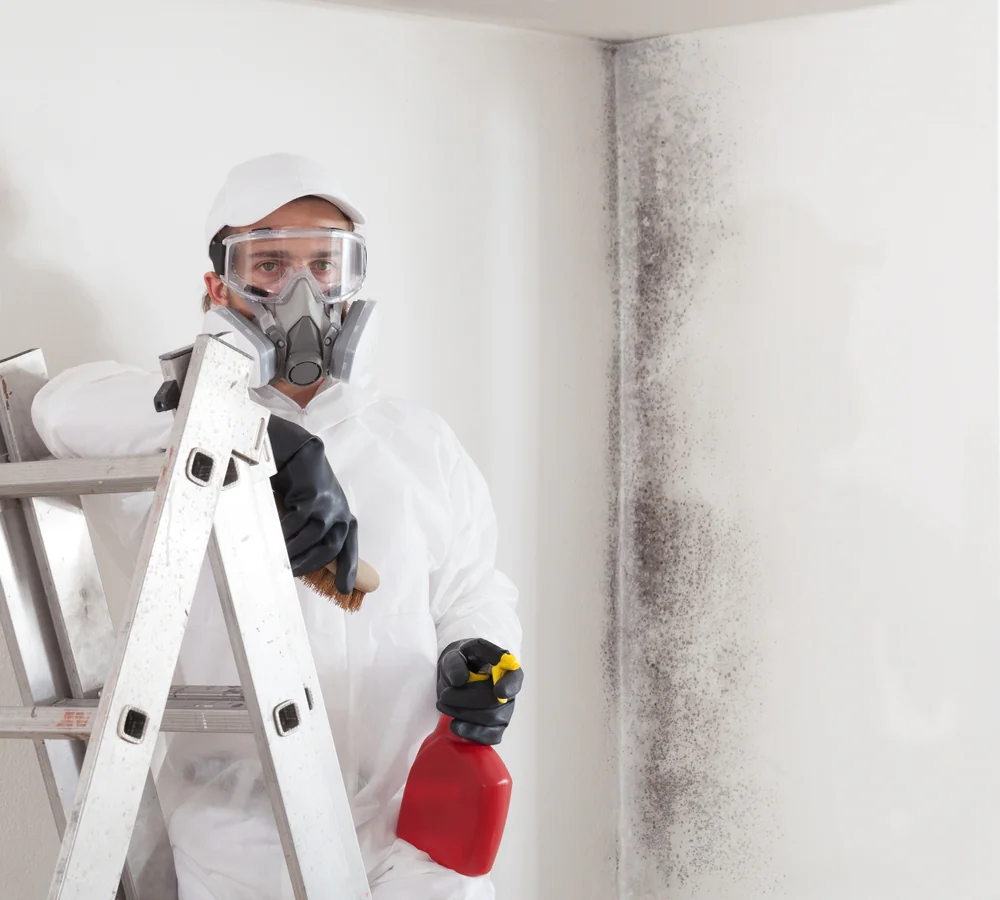
Second, address the source. Your symptoms won’t fully resolve until the mold is gone and the moisture problem is fixed. In Bucks County’s climate, where humidity and rainfall create ongoing challenges, professional remediation often makes the difference between temporary relief and actual resolution. The good news is that most people’s symptoms improve significantly once mold is properly removed and moisture issues are corrected.
Your home should support your health, not undermine it. If you suspect mold is affecting your family’s wellbeing, we offer free inspections throughout Bucks County to help you get answers. With 24/7 availability, EPA-approved methods, and a focus on addressing root causes—not just surface problems—we understand what local families are facing. Because you deserve to know what you’re dealing with and breathe easy in your own home again.