
Hear from Our Customers
You’re not imagining that musty smell. You’re not overreacting to the dark spots near your bathroom ceiling. And you’re definitely not wrong to worry about what’s happening behind your walls in a neighborhood where some buildings have been standing since before the Civil War.
Mold testing tells you what’s actually there. Not guesses. Not maybes. Actual data about what type of mold you’re dealing with, where it’s growing, and how much of it is affecting your indoor air quality.
That matters because different molds require different approaches. Some need immediate remediation. Others just need better ventilation. Professional mold evaluation gives you the information to make the right call instead of paying for work you don’t need or ignoring problems that will cost you later.
In Rittenhouse Square, where property values can drop 20% to 37% from unaddressed mold issues, testing isn’t paranoia. It’s protection for what’s probably your biggest investment.
We’ve spent more than a decade and a half dealing with mold problems in Philadelphia’s unique building stock. We understand how moisture moves through century-old brick foundations, why your brownstone’s basement stays damp even in summer, and what happens when historic ventilation systems meet modern humidity levels.
We’re not a national franchise reading from a script. We’re local professionals who know that Rittenhouse Square properties face different challenges than new construction in the suburbs. Your building materials are different. Your HVAC systems are different. Your exposure to Philadelphia’s coastal moisture is constant.
That’s why we don’t just show up with a moisture meter and call it done. We test your air quality, inspect your property’s specific risk areas, and give you documentation that holds up with insurance companies and meets Pennsylvania’s indoor air quality regulations.
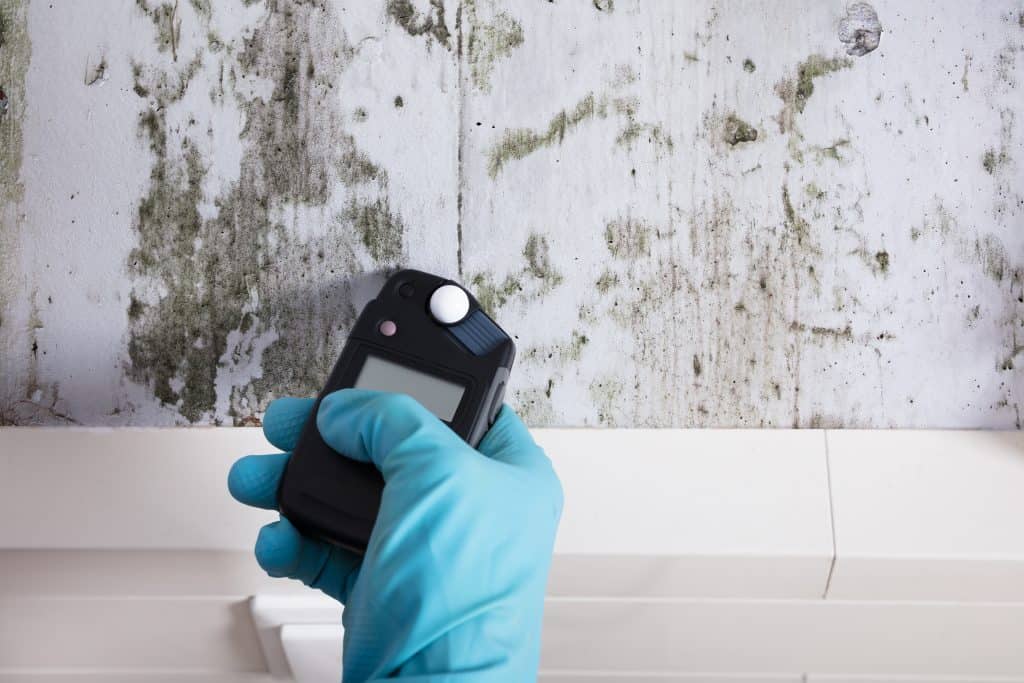
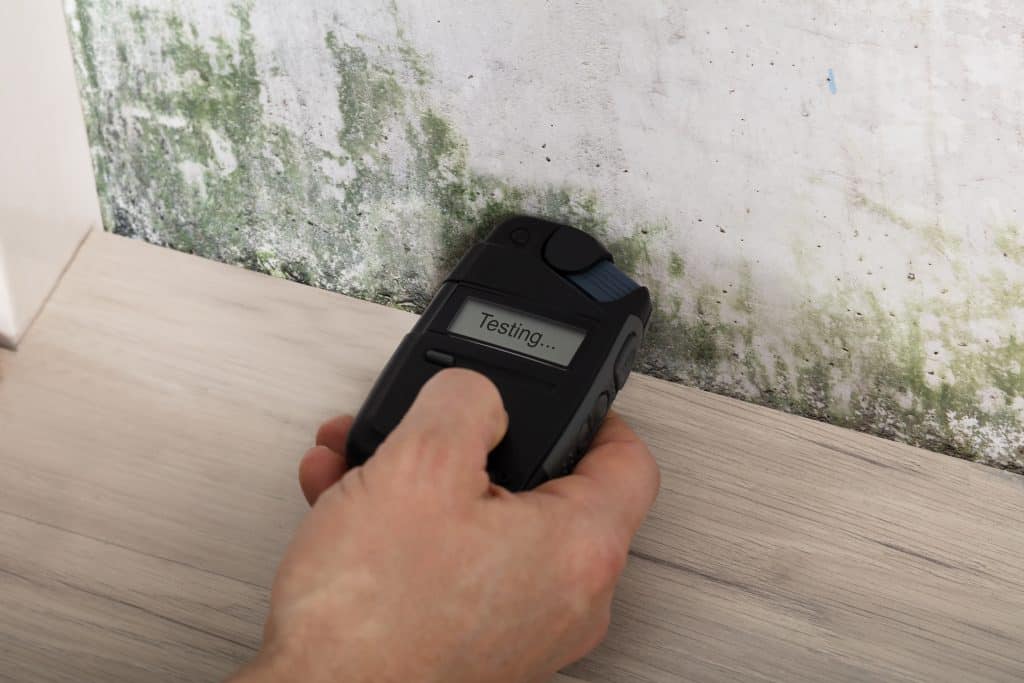
First, we come to your property and do a visual inspection. We’re looking for obvious signs of water damage, checking areas where mold typically grows in Philadelphia buildings, and using moisture detection equipment to find hidden problems. This isn’t a quick walkthrough. We’re checking your basement, your bathrooms, around your windows, near your HVAC system, and anywhere else moisture tends to accumulate in your specific type of building.
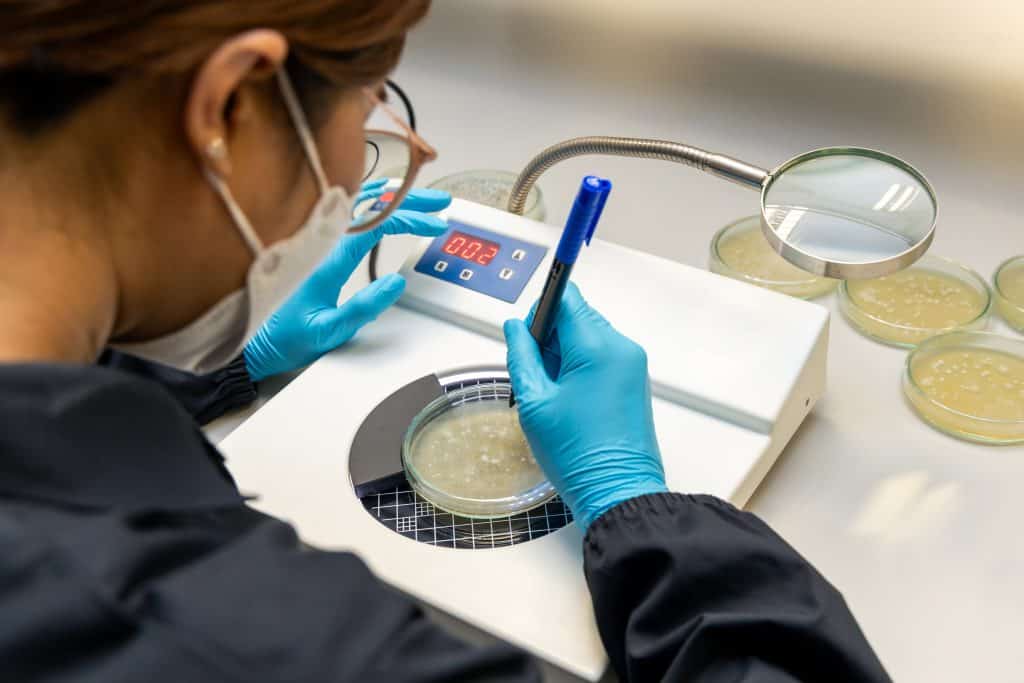
Next, we collect samples. Depending on what we find during the inspection, we might take air samples, surface samples, or both. Air sampling tells us what’s floating around that you’re breathing. Surface sampling identifies what’s actually growing on your walls, ceilings, or other materials. We send these samples to a certified lab that specializes in mold identification.
You get results within 24 hours. The lab report tells you exactly what types of mold are present, the concentration levels, and whether they’re within normal ranges or indicate a problem that needs remediation. We walk you through what the results mean in plain language, explain your options, and help you decide what makes sense for your situation and budget.

Ready to get started?
Your mold testing service includes a complete property assessment with professional-grade moisture meters and thermal imaging to detect hidden water intrusion. You’re not paying for someone to look around and take a guess. You’re getting scientific data about what’s happening in your building.
We document everything. You receive a detailed report with lab results, photos of problem areas, moisture readings, and specific recommendations. This documentation is exactly what insurance companies ask for when you file a claim, and it’s what real estate attorneys want to see during property transactions.
In Rittenhouse Square, where 45% of older buildings have ongoing water damage issues according to EPA studies, this level of detail matters. Your historic rowhome doesn’t behave like a house in the suburbs. Water comes up through your brick foundation. It seeps through your shared walls. It condenses in your poorly ventilated bathroom. Professional testing accounts for these neighborhood-specific factors instead of applying generic standards that don’t match your reality.
We also test for the molds that actually cause health problems. Research shows mold exposure increases bronchitis risk by 45% and respiratory infections by 44%. If you’ve been dealing with unexplained coughing, wheezing, or nasal congestion, testing identifies whether mold is the culprit or if you need to look elsewhere for answers.
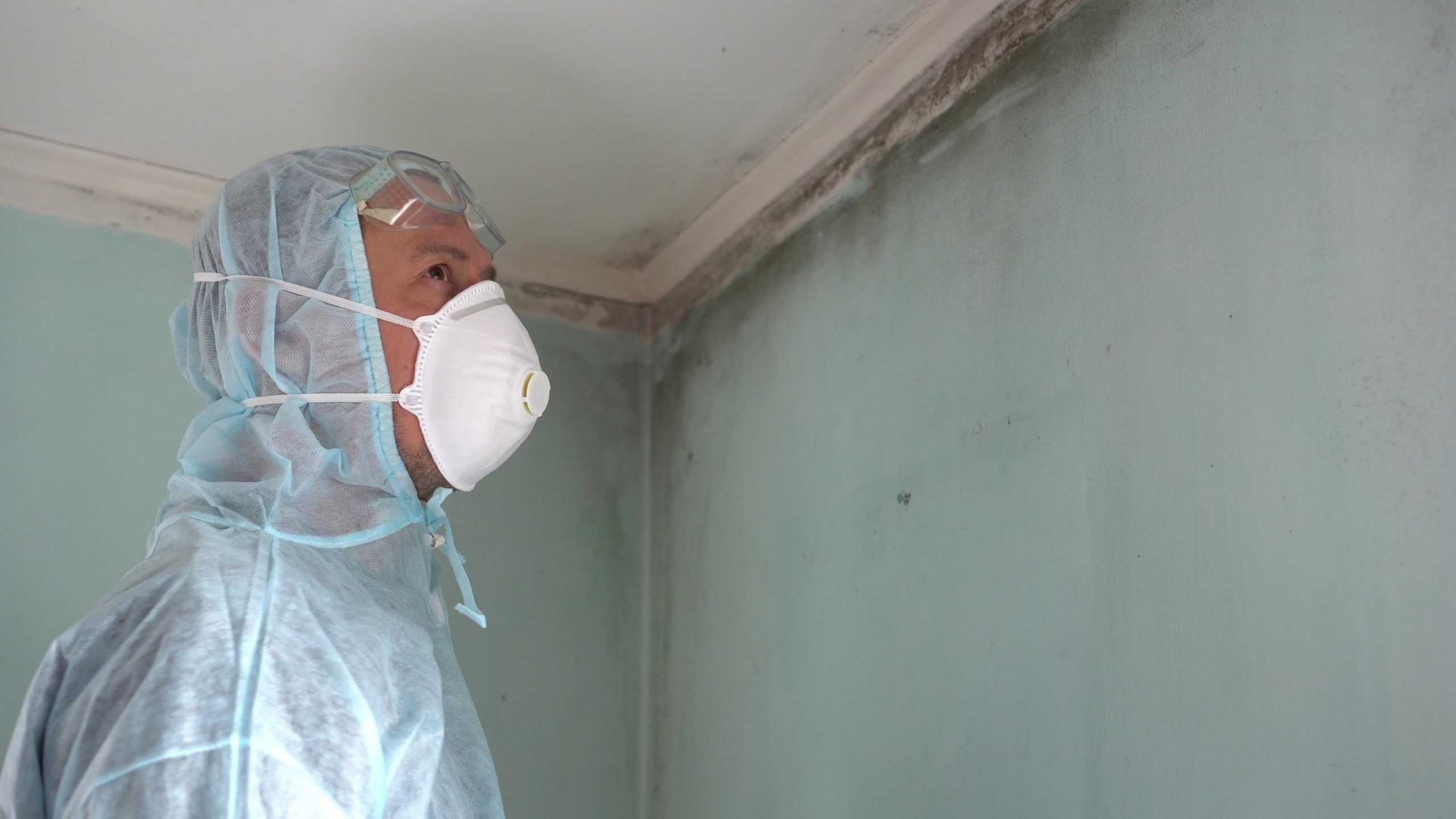
You need testing if you can see mold growth larger than a few square feet, if you smell persistent musty odors you can’t locate, or if you’re experiencing unexplained respiratory symptoms at home that improve when you leave. You also need it before buying or selling property in Rittenhouse Square, after any water damage event, or if you’ve had previous mold problems and want to confirm they’re actually resolved.
Testing isn’t overreacting when you consider that up to 21% of current asthma cases connect directly to dampness and mold in homes. That’s not a small risk, especially if you have kids. Infants in moldy homes are three times more likely to develop asthma by age seven.
The other reason to test is financial. Unchecked mold can tank your property value by 20% to 37% because buyers worry about hidden damage and health risks. A few hundred dollars for testing now can save you tens of thousands in lost equity or unnecessary remediation work later.
A mold inspection is the visual assessment and moisture detection work we do when we first arrive. We’re looking at your property, identifying problem areas, checking for water intrusion, and determining where mold is likely growing. Think of it as the diagnostic exam.
Mold testing is when we actually collect air or surface samples and send them to a lab for analysis. The lab identifies the specific types of mold present, measures the concentration levels, and determines whether you’re dealing with toxic varieties or common molds that aren’t particularly dangerous.
You might need just an inspection if you have obvious mold growth in a small area and you just want to understand the extent of the problem. But you need actual testing if you’re experiencing health symptoms, if you can’t find the source of musty odors, if you’re buying or selling property, or if your insurance company requires documentation. Testing gives you the scientific proof that inspection alone can’t provide.
The on-site portion usually takes one to two hours depending on your property size and how many areas we need to inspect. We’re not rushing through this. We’re checking your basement, bathrooms, kitchen, around windows, near HVAC systems, and anywhere else moisture accumulates in Philadelphia buildings.
Sample collection itself only takes a few minutes per location, but we’re spending most of our time doing the thorough inspection that tells us where to sample. If we’re just grabbing air samples without understanding your building’s specific moisture patterns, we might miss the actual problem areas.
Lab results come back within 24 hours. That’s faster than most companies because we work with local certified labs instead of sending samples across the country. Once we have results, we contact you immediately to explain what they mean and discuss your options. You’re not waiting a week to find out if you have a serious problem.
It depends on what caused the mold. If it resulted from a sudden, accidental event like a burst pipe or storm damage, most homeowner policies cover both testing and remediation. If it developed gradually from ongoing moisture problems, poor ventilation, or deferred maintenance, they typically won’t cover it.
That’s why documentation matters. Insurance companies want proof that you didn’t just ignore a slow leak for months. Professional testing provides the evidence that shows when the problem started, what caused it, and whether it falls under your policy coverage.
Pennsylvania regulations also require proper documentation when mold issues are discovered, especially in rental properties. If you’re a landlord in Rittenhouse Square dealing with tenant complaints about mold, you need certified testing to prove you’re meeting habitability standards and state health codes. Without that documentation, you’re exposed to legal disputes that cost far more than the testing itself.
Aspergillus and Penicillium are the most common because they thrive in the exact conditions your neighborhood provides: high humidity, poor ventilation in older buildings, and organic materials like old wood and plaster. These aren’t usually the most dangerous varieties, but they still cause respiratory problems and allergic reactions in sensitive individuals.
Stachybotrys, the black mold everyone worries about, shows up less frequently but tends to grow in areas with serious water damage or chronic moisture problems. Basements with stone foundations, bathrooms with inadequate ventilation, and areas around old windows where condensation collects are the typical locations.
Cladosporium is another frequent find, especially in damp basements and around HVAC systems. It’s one of the molds that spreads through air circulation, which is why you might smell it throughout your home even if the growth is isolated to one area. Testing identifies exactly which varieties you’re dealing with so you know whether you need aggressive remediation or if improving ventilation and fixing moisture sources will solve the problem.
Home test kits tell you that mold exists, which you probably already know if you can see it or smell it. They don’t tell you what type of mold you have, how much of it is present, where it’s actually growing, or what’s causing the moisture problem that’s feeding it. You’re basically paying $40 to confirm what you already suspected without getting any useful information about what to do next.
Professional testing includes the inspection that identifies moisture sources, the expertise to know where mold hides in Philadelphia’s older buildings, and lab analysis that actually identifies specific mold types and concentration levels. That’s the information you need to make decisions about remediation, to satisfy insurance requirements, and to protect your property value.
The other problem with DIY kits is that they often produce false positives because all buildings have some mold spores present naturally. Without professional interpretation and comparison to baseline levels, you can’t tell the difference between normal background mold and a genuine problem that requires remediation. You end up either panicking unnecessarily or missing serious issues because you don’t know how to read the results correctly.
Other Services we provide in Rittenhouse Square