
Hear from Our Customers
You spend 90% of your time indoors. If you’re dealing with unexplained allergies, respiratory issues, or that musty smell that won’t go away, your air quality is probably the culprit.
A professional air quality test tells you exactly what’s floating around in your home. Mold spores, allergens, volatile organic compounds—things you can’t see but definitely feel. Once you know what’s there, you can actually fix it instead of masking symptoms with air fresheners or running through allergy medication.
This matters in Rittenhouse Square because Philadelphia’s air quality has gotten worse, not better. The city now sees 6.3 days per year of unhealthy ozone levels, and particle pollution days jumped from 1.5 to 5.8 annually. When outdoor air is already struggling, your indoor environment becomes even more important. Testing gives you a baseline and a plan forward.
We’ve spent over 20 years inspecting homes in Bucks County and the surrounding areas. We’re not a national franchise that shows up with a checklist. We know how Philadelphia’s humid climate creates mold in basements, how older buildings in Rittenhouse Square trap moisture, and how energy-efficient retrofits can actually seal pollutants inside.
Our team uses EPA-approved testing methods and equipment that meets Pennsylvania regulations. We’re certified, insured, and we’ve seen every type of air quality issue these homes can throw at us. When we test your air, we’re looking at your specific property—not running a generic protocol.
You’ll get clear results, straightforward explanations, and honest recommendations. No upselling. No scare tactics. Just information you can use to make decisions about your home.
First, we schedule a time that works for you. When we arrive, we’ll walk through your property and ask about any symptoms you’ve noticed—allergies, odors, visible moisture, previous water damage. This context matters because it tells us where to focus.
Next, we conduct a visual inspection of your entire home, including areas most people don’t check regularly. Basements, crawl spaces, behind appliances, inside HVAC systems. We’re looking for visible mold, water stains, condensation, and ventilation issues. We use moisture meters and thermal imaging to find problems hiding behind walls.
Then comes the actual air testing. We collect air samples from multiple rooms using specialized equipment that captures particles and spores. These samples go to an accredited lab for analysis. You’ll get a detailed report showing exactly what’s in your air, at what concentrations, and how those levels compare to outdoor air and acceptable standards.
Finally, we review the results with you and explain what they mean for your home. If we find issues, we’ll tell you what’s causing them and what it takes to fix them properly. If your air quality is fine, we’ll tell you that too.
Ready to get started?
Your air quality test includes a full property inspection, not just air samples. We check your HVAC system, plumbing, basement, attic, and any areas where moisture or mold typically develop. This matters because air quality problems almost always have a source, and finding that source is half the battle.
You’ll receive laboratory analysis from an accredited facility that identifies specific mold types, spore counts, and other airborne contaminants. The report breaks down results by room and compares your indoor air to outdoor samples. This gives you context—not just numbers that mean nothing without comparison.
In Rittenhouse Square, where the median home value sits at $618,400, air quality directly affects your property value. Philadelphia’s declining air quality has already correlated with a 1.2% decrease in property value retention across the city. Poor indoor air quality can make that worse. Testing helps you catch problems before they become expensive repairs or deal-breakers during a sale.
We also provide recommendations based on your specific results. If you need mold remediation, improved ventilation, or humidity control, we’ll explain your options. If you just need to change your HVAC filters more often, we’ll tell you that instead.
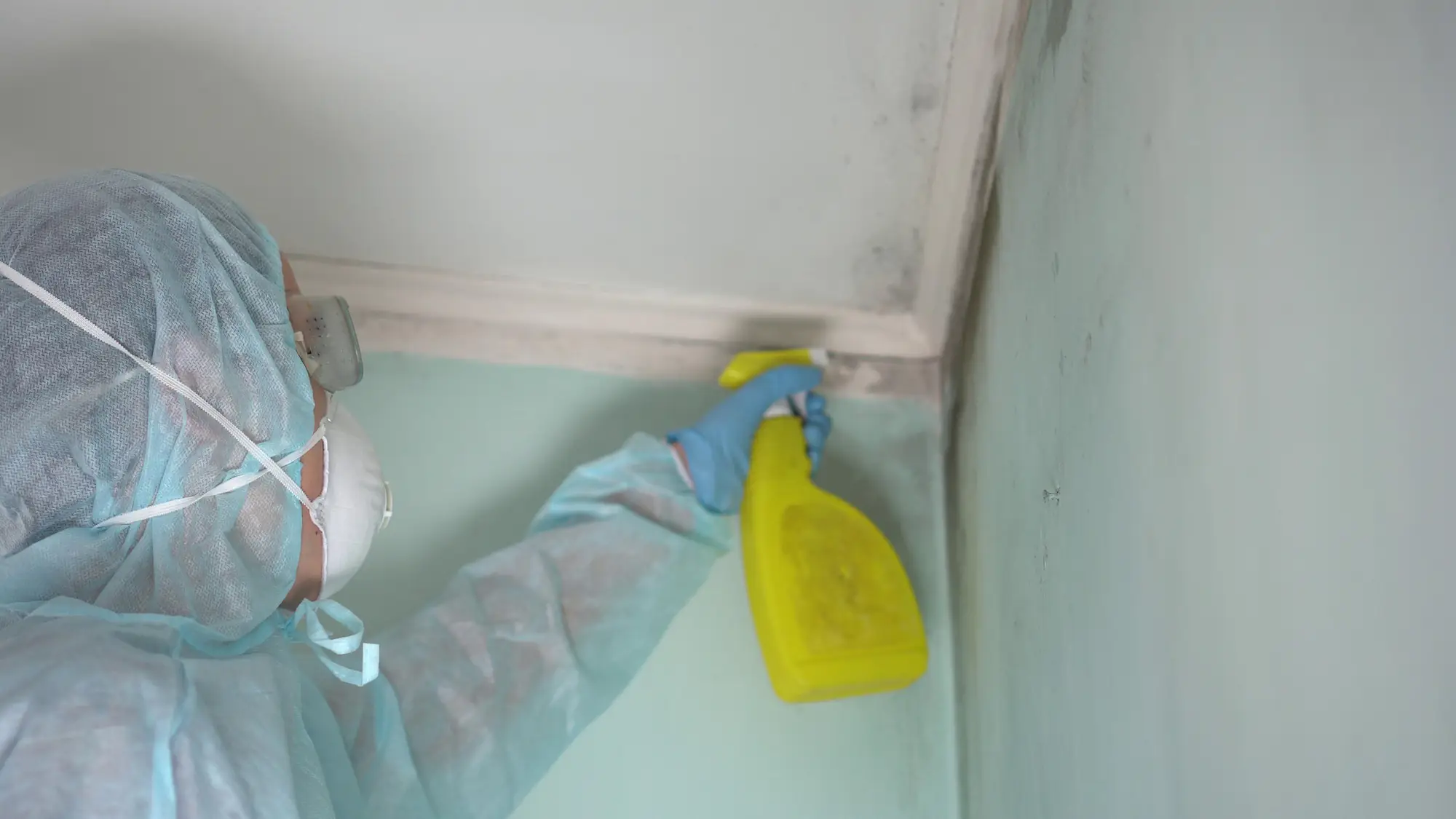
Most residential air quality tests in Rittenhouse Square run between $300 and $600, depending on your home’s size and how many rooms you want tested. Larger properties or homes with multiple suspected problem areas will cost more because they require additional air samples and more inspection time.
We offer free initial inspections. We’ll assess your situation, explain what testing would involve, and give you a clear price before we do anything. No surprises, no pressure.
Some homeowners worry about cost, but consider this: catching a mold problem early might cost you $500 for testing and $2,000 for remediation. Ignoring it until it spreads behind walls could run $10,000 or more. Testing is the cheapest insurance you can buy for your home.
A comprehensive indoor air quality test identifies mold spores, allergens, volatile organic compounds (VOCs), dust mites, pollen, and other airborne particles. The lab analysis tells you which specific types of mold are present—some are harmless, others indicate serious moisture problems or health risks.
We also measure humidity levels, check for carbon monoxide, and assess ventilation effectiveness. In older Rittenhouse Square buildings, we often find elevated VOC levels from aging materials, paint, or cleaning products. Energy-efficient upgrades sometimes trap these compounds indoors.
The test results show concentration levels for each contaminant and compare them to acceptable standards and outdoor air quality. This helps you understand if what you’re breathing is actually a problem or just normal background levels. You get specific data, not vague assessments.
The on-site portion typically takes 1-3 hours depending on your home’s size and complexity. We’ll spend time inspecting your property, setting up air sampling equipment, and collecting samples from multiple locations. Smaller apartments might take an hour. Larger homes with basements, attics, and multiple floors take longer.
Air samples need to run for a specific duration to capture accurate data—usually 5-10 minutes per location. While that’s happening, we’re inspecting other areas of your home for visible issues.
Lab analysis takes 3-5 business days after we collect samples. Once results come back, we’ll schedule a follow-up call or meeting to review findings and discuss next steps. Total timeline from inspection to results is usually about a week. If you have an urgent situation, we can request expedited lab processing.
No, you can stay home during testing. The process is non-invasive and doesn’t involve any chemicals or disruptive equipment. We’re essentially taking air samples and inspecting your property—nothing that would make your home uncomfortable or unsafe.
Some homeowners prefer to be present so they can ask questions and see what we’re checking. Others have us come while they’re at work. Either way works fine.
The only thing we ask is that you keep windows and doors closed for at least 2-3 hours before we arrive. This gives us an accurate picture of your normal indoor air quality without outside air diluting the sample. If you have pets, just let us know so we can work around them comfortably.
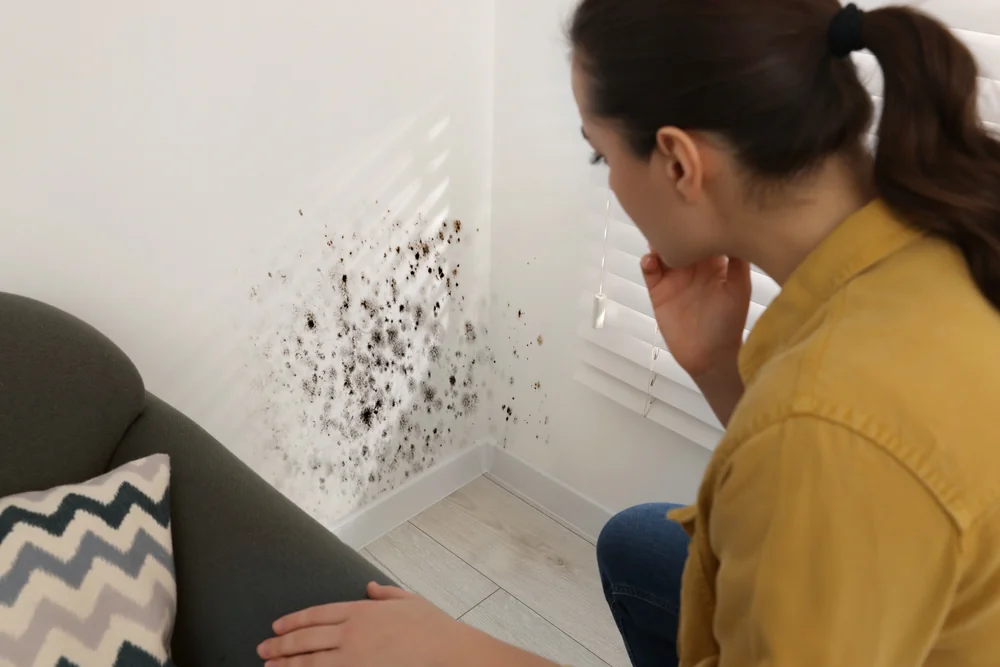
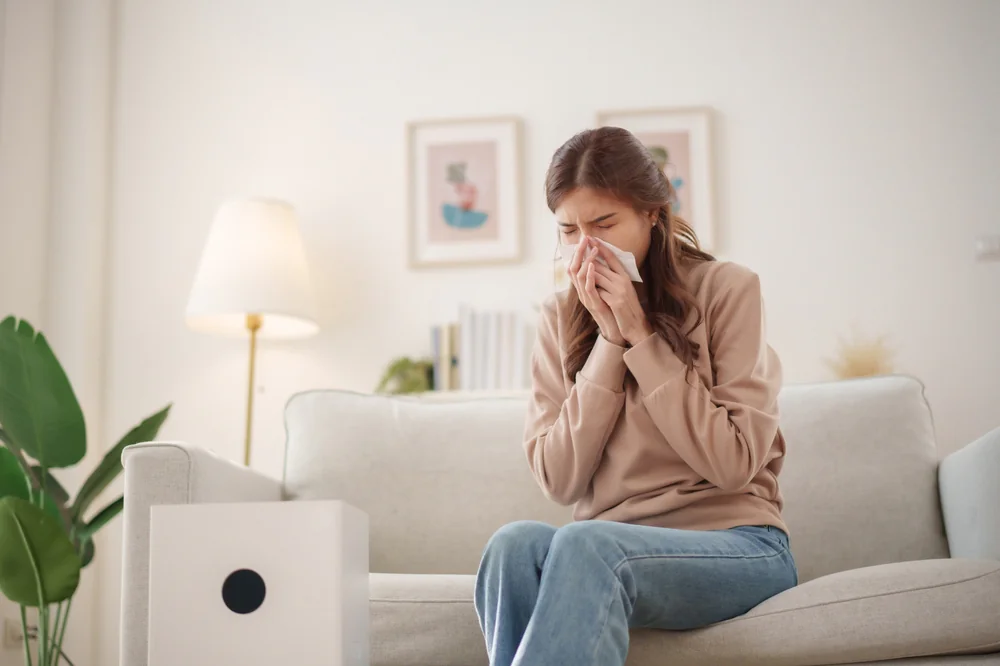
Get your air tested if you’re experiencing unexplained respiratory symptoms, allergies that won’t quit, persistent musty odors, or visible mold growth anywhere in your home. These are clear signs something’s wrong with your indoor environment.
You should also test after any water damage—even if it was cleaned up quickly. Leaky pipes, roof leaks, basement flooding, or even a washing machine overflow can create conditions for mold growth within 24-48 hours. Testing confirms whether moisture led to contamination.
In Rittenhouse Square, where many buildings date back to the 1950s or earlier, testing makes sense if you’ve just bought an older property or you’re planning renovations. You want to know what you’re dealing with before you start tearing into walls. Annual testing is smart for homes with known moisture issues, poor ventilation, or residents with respiratory conditions.
DIY air quality test kits exist, but they’re limited. Most consumer kits only test for mold and give you yes/no results without identifying specific types or concentration levels. They can’t tell you if you’re dealing with harmless surface mold or toxic black mold. They also miss other air quality issues like VOCs, allergens, or ventilation problems.
Professional testing uses calibrated equipment and accredited lab analysis. We collect samples properly, test multiple locations, and provide detailed reports that actually mean something. We also inspect your property to find the source of contamination—something a mail-in kit can’t do.
If you’re just curious about your air quality and have no symptoms or visible issues, a DIY kit might satisfy your curiosity. But if you’re making decisions about remediation, dealing with health symptoms, or preparing to buy or sell a property in Rittenhouse Square’s competitive market, professional testing is worth the investment. You get accurate data and expert interpretation instead of guessing what a color-changing strip means.
Other Services we provide in Rittenhouse Square