
Hear from Our Customers
You’ve noticed the musty smell. Maybe someone in your house has been dealing with headaches, a runny nose that won’t quit, or respiratory issues that seem worse at home. You’re wondering if it’s mold, but you’re not sure where it is or how bad it really is.
That’s where professional mold testing comes in. We don’t just look at what’s visible on your bathroom ceiling. We use thermal imaging cameras and moisture meters to find mold growing inside your HVAC ducts, behind walls, under flooring, and in crawl spaces you can’t access. Pennsylvania’s humid summers create perfect conditions for mold to thrive in these hidden areas, and Point Breeze homes are no exception.
Our testing gives you lab-verified results that show exactly which mold species are present and in what quantities. You’ll know if you’re dealing with common surface mold or something more serious like black mold. You’ll have documentation if you need it for insurance claims or real estate transactions. Most importantly, you’ll know whether you need remediation or if simple cleaning will handle the problem.
We’ve been serving Point Breeze and the greater Philadelphia area with one clear focus: give you accurate information without a conflict of interest. We’re certified mold inspectors, not a restoration company trying to upsell you on services you might not need.
That matters because some companies offer “free inspections” and then immediately push expensive remediation packages. We test, analyze, and report. If you need remediation, we’ll tell you. If you don’t, we’ll tell you that too.
Point Breeze has seen its share of water damage from Pennsylvania’s increasing precipitation and aging home infrastructure. We’ve tested hundreds of local properties and understand exactly what homeowners here are dealing with. When we show up, we’re equipped with professional-grade tools and we’re available within 24 hours when you need answers fast.
First, we walk through your property and talk about what you’ve noticed. Where did you see visible mold? When did the musty smell start? Has anyone experienced health symptoms? This conversation helps us know where to focus our inspection.
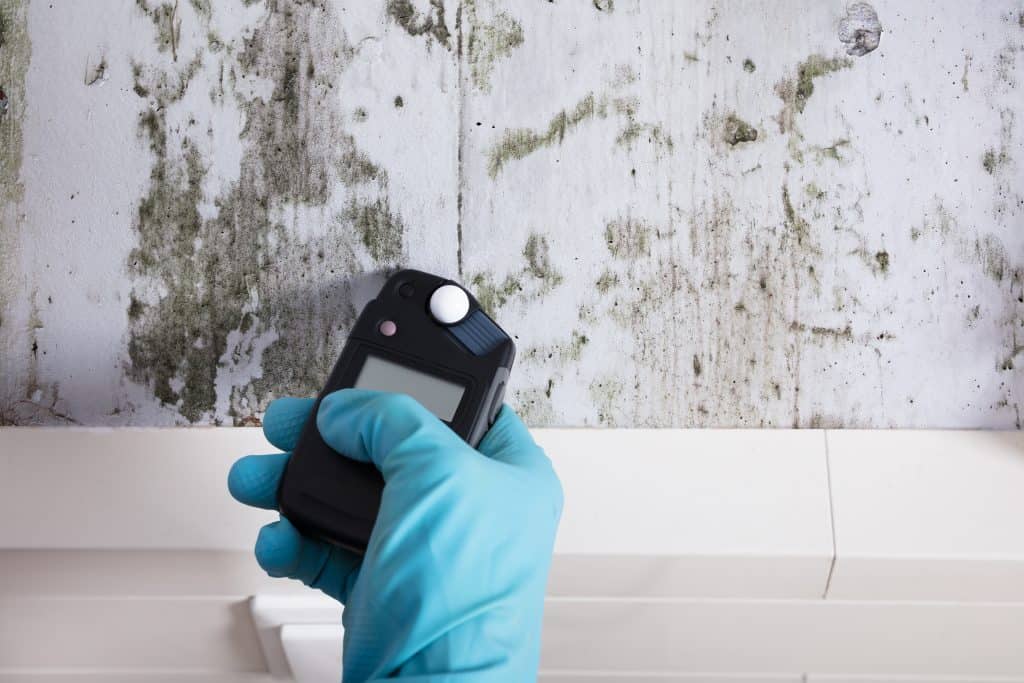
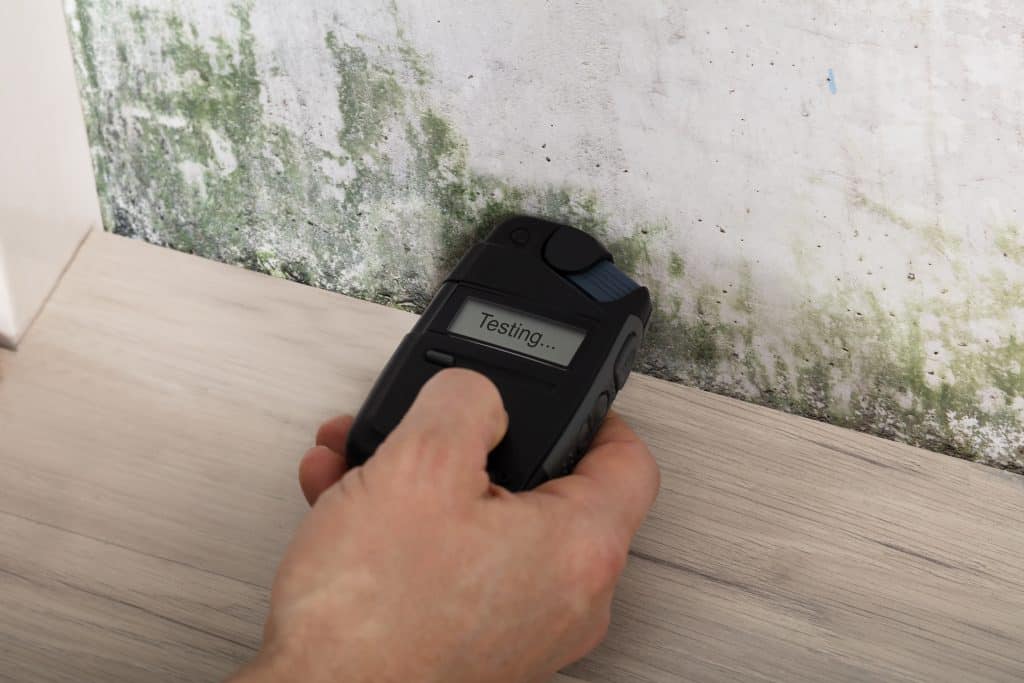
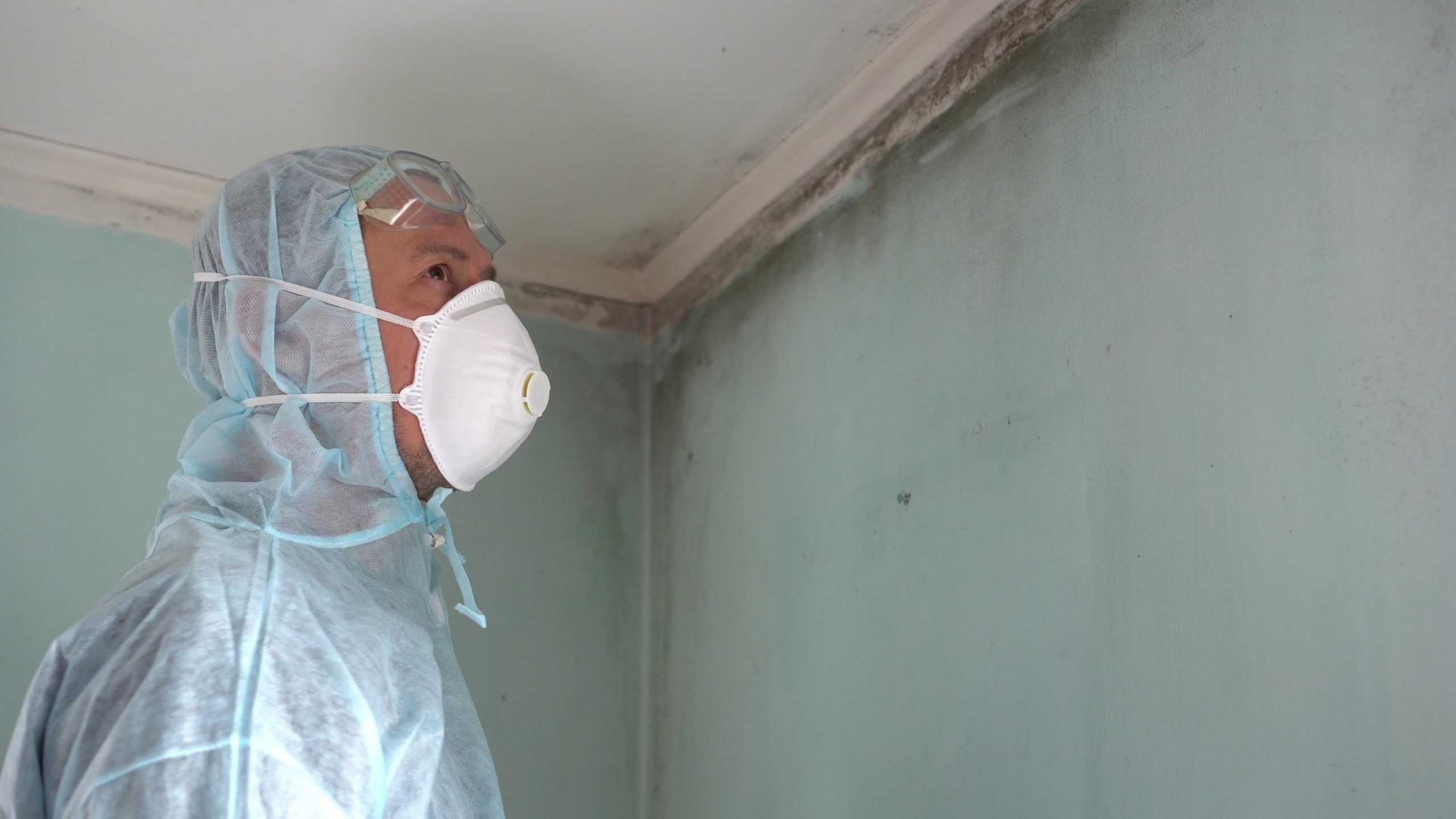
Next, we conduct a thorough visual assessment of your entire property, not just the problem areas. We’re looking for water stains, discoloration, condensation patterns, and any signs of past or present moisture intrusion. We use moisture meters to measure humidity levels in walls, ceilings, and floors. We use thermal imaging to detect temperature differences that indicate hidden moisture or mold growth behind surfaces.
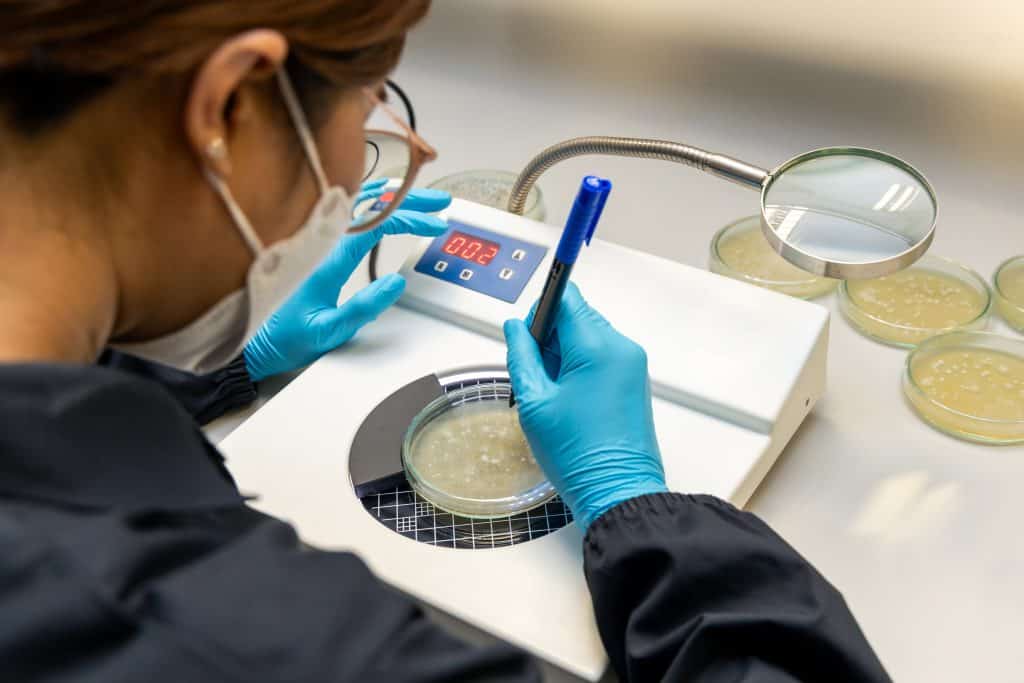
Then we collect samples. Air quality testing captures mold spores circulating through your home. Surface samples are taken from suspected mold growth areas. If needed, we’ll take samples from inside HVAC systems or other hidden locations. These samples go to an independent lab for analysis.
You’ll receive a detailed report within a few days that identifies the mold species present, the concentration levels, and our professional recommendations. We’ll explain what the results mean in plain language and answer every question you have. If remediation is necessary, you’ll know exactly what needs to be addressed and why.

Ready to get started?
Every mold inspection we conduct includes a comprehensive visual examination of your property’s interior and exterior. We check attics, basements, crawl spaces, bathrooms, kitchens, and any areas where moisture tends to accumulate. In Point Breeze, we pay special attention to older homes with original plumbing and roofing systems that may have developed leaks over time.
You get air quality sampling that measures the concentration of mold spores in your indoor environment compared to outdoor levels. This tells us if you have an active mold problem even when nothing is visibly growing. Surface sampling identifies the specific mold species present, which matters because different molds require different remediation approaches and pose different health risks.
Our moisture mapping service uses advanced meters to create a detailed picture of where water is accumulating in your property. Mold needs moisture to grow, so finding the water source is critical to preventing future problems. We’ll document moisture levels in building materials and identify whether you’re dealing with a current leak, past water damage, or high humidity issues.
The final report includes lab results, photos of problem areas, moisture readings, and specific recommendations. You’ll know whether you need mold remediation, better ventilation, dehumidification, or repairs to stop water intrusion. We also provide guidance on preventing mold from returning after the issue is resolved.
Mold testing costs vary based on the size of your property and how many samples need to be collected and analyzed. A basic inspection for a typical Point Breeze home usually ranges from a few hundred dollars to around $600 or $700 for more comprehensive testing with multiple sample locations.
Here’s what affects the price: larger homes require more time to inspect thoroughly. If we need to test multiple rooms or take samples from hidden areas like inside walls or HVAC systems, that adds to the lab analysis costs. Air quality testing and surface sampling each have associated lab fees.
Some companies advertise free mold inspections, but they’re often tied to remediation services. They make money on the cleanup, not the testing, which creates a conflict of interest. You’re paying for an unbiased assessment when you hire an independent inspector. That investment can actually save you money if it turns out you don’t need expensive remediation, or if it helps you negotiate a better price on a home purchase after discovering mold issues.
A mold inspection is the visual examination of your property. We look for visible mold growth, water damage, moisture problems, and conditions that promote mold. We use tools like moisture meters and thermal imaging cameras to find hidden issues. An inspection tells you where mold is likely growing and what’s causing it.
Mold testing goes further by collecting actual samples for lab analysis. Air samples measure the concentration of mold spores in your indoor environment. Surface samples identify the specific species of mold present. Testing gives you scientific data about what types of mold you’re dealing with and how severe the contamination is.
You might need just an inspection if you have obvious mold growth and mainly want to find the moisture source. But testing is important when you smell mold but can’t find it, when someone in your home has unexplained health symptoms, when you’re buying or selling a property, or when you need documentation for insurance or legal purposes. Testing is also critical if you suspect toxic mold like Stachybotrys (black mold), because you need lab confirmation to know what you’re dealing with.
The on-site inspection typically takes two to four hours depending on your property size and the number of areas we need to examine. We’re not rushing through your home. We’re checking attics, crawl spaces, behind appliances, inside HVAC systems, and anywhere else mold might be hiding.
Sample collection adds another 30 minutes to an hour. We need time to properly collect air samples, surface samples, and document everything with photos and moisture readings. If we’re testing multiple locations or taking samples from hard-to-reach areas, it takes longer.
Lab results usually come back within three to five business days. The lab is analyzing your samples to identify mold species and measure spore concentrations, which requires time for cultures to develop. Rush processing is sometimes available if you’re in a time-sensitive situation like a real estate closing, but standard turnaround is less than a week.
Once we receive the lab results, we’ll contact you to schedule a time to review the findings. We’ll walk you through the report, explain what the data means for your specific situation, and answer all your questions. You’re not just getting a stack of papers you’re getting a clear explanation of what’s happening in your home and what to do about it.
DIY mold test kits are available at hardware stores, but they have serious limitations. Most home test kits only tell you that mold is present, which isn’t particularly useful since mold spores exist in virtually every indoor environment. They don’t tell you what type of mold you have, how much is present, or whether the levels are actually dangerous.
The bigger problem is that DIY testing can’t find hidden mold. You might test a visible spot on your wall but completely miss the mold growing inside your HVAC system or behind your shower tiles. Pennsylvania’s humid climate means mold in Point Breeze homes often grows in places you can’t see without professional equipment.
Professional mold testing uses calibrated air sampling equipment that measures spore concentrations throughout your home. We compare indoor levels to outdoor baseline levels to determine if you actually have a mold problem. Lab analysis identifies the specific species, which matters because some molds are more hazardous than others. Our thermal imaging and moisture detection tools find hidden mold that home test kits will never locate.
If you’re dealing with health symptoms, planning to buy or sell a property, need documentation for insurance, or want to know the full extent of a mold problem before paying for remediation, professional testing is worth the investment. You get accurate data and expert interpretation instead of guessing based on a color-changing test strip.
Cladosporium is probably the most common mold we find in Point Breeze properties. It grows on damp surfaces like window sills, bathroom tiles, and painted walls. It’s usually black or green and thrives in both warm and cool conditions, which makes it a year-round issue in Pennsylvania.
Aspergillus is another frequent finding, especially in homes with poor ventilation or water damage. It appears in various colors and often grows on dust, insulation, and paper products. Some Aspergillus species produce mycotoxins that can cause respiratory problems, particularly for people with weakened immune systems or existing lung conditions.
Stachybotrys, commonly called black mold, is less common but more concerning when it shows up. It needs constant moisture to grow, so we typically find it after significant water damage from leaks or flooding. It appears as dark black or greenish-black slime on materials with high cellulose content like drywall, wood, and ceiling tiles.
Penicillium grows on water-damaged materials and often appears blue or green. It spreads quickly and produces a strong musty odor. We frequently find it in homes with plumbing leaks, roof leaks, or basement moisture problems. Point Breeze’s older housing stock means these moisture issues are fairly common, especially in properties that haven’t had recent updates to plumbing or waterproofing systems.
Yes, that’s one of the main reasons to get professional testing. The lab results show the type and concentration of mold present, which directly determines whether you need professional remediation or if you can handle it yourself with proper cleaning methods.
Small areas of surface mold less than 10 square feet can often be cleaned with appropriate products if it’s a less hazardous species and hasn’t penetrated porous materials. But if testing reveals toxic mold species like Stachybotrys, or if spore concentrations are extremely high, professional remediation is necessary for safety reasons. You need containment, proper protective equipment, and specialized cleaning methods.
Testing also reveals whether mold has spread to hidden areas. You might see a small patch on your bathroom wall, but air quality testing could show elevated spore counts throughout your home, indicating a much larger problem inside walls or ductwork. That’s not something you can clean yourself it requires professional remediation with containment barriers to prevent spreading spores during removal.
The report we provide includes specific recommendations based on your results. We’ll tell you exactly what needs professional attention and what you might be able to address on your own. We’ll also identify the moisture source that’s feeding the mold growth, because cleaning or remediation won’t solve the problem permanently if water is still getting in. You need both the mold removed and the moisture issue fixed.
Other Services we provide in Point Breeze