
Hear from Our Customers

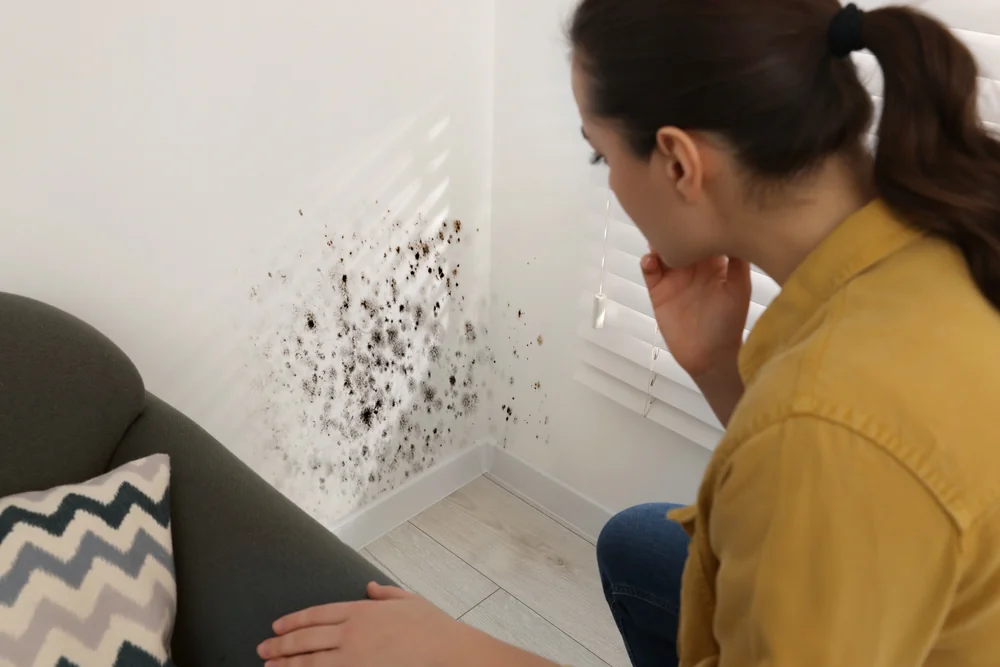
You’ve noticed the symptoms. Headaches that won’t quit. Allergies acting up inside your own home. Maybe your kids are coughing more than usual, or that musty smell just won’t go away no matter how much you clean.
Here’s what most people don’t realize: your indoor air can be two to five times more polluted than the air outside. And Philadelphia already ranks as the 12th most polluted city in the nation for fine particle pollution. That means the air inside your Point Breeze home could be working against you every single day.
A professional air quality test gives you actual data. Not guesses. Not assumptions based on a smell or a stain. You get laboratory results that tell you exactly what’s in your air—mold spores, allergens, volatile organic compounds, particulate matter. Once you know what you’re dealing with, you can actually fix it instead of masking symptoms or wasting money on solutions that don’t address the real problem.
We aren’t new to this. We’ve been helping homeowners across Bucks County and the greater Philadelphia area understand what’s happening inside their walls and ductwork for years now.
We work with EMSL Laboratories, one of North America’s leading environmental testing firms with over 40 years of experience. That means your samples get analyzed by certified professionals using EPA-approved methods. We’re IICRC-certified, and we follow Pennsylvania Department of Health standards on every single test.
Point Breeze homes face specific challenges. The humidity here creates perfect conditions for mold growth, especially in older rowhomes with limited ventilation. We understand how these buildings breathe—or don’t breathe—and what that means for your indoor air quality. When we test your home, we’re not just running through a checklist. We’re looking at your specific situation with local context in mind.

First, we talk. You tell us what you’ve noticed—symptoms, smells, visible issues, whatever brought you here. That conversation helps us understand where to focus.
Then we come to your home and collect air samples from multiple locations. We’re looking at the spaces where you spend the most time, plus areas where problems typically hide—basements, crawl spaces, around HVAC systems. We use calibrated equipment that captures airborne particles and spores. This isn’t a visual inspection. We’re collecting actual samples of what’s floating around in your air.
Those samples go to the lab for analysis. The lab identifies and quantifies what’s in your air—specific mold species, concentration levels, allergens, other contaminants. You get a detailed report that breaks down exactly what was found and what it means for your health.
After we get the results, we walk you through them. We explain what the numbers mean in plain language. If there’s a problem, we tell you what’s causing it and what needs to happen to fix it. If your air is fine, we tell you that too. No upselling. Just honest assessment based on scientific data.
Ready to get started?
When you schedule an indoor air quality test with us, you’re getting laboratory analysis from EMSL—not a quick visual check or a cheap home testing kit. The difference matters because those DIY kits can’t tell you what species of mold you’re dealing with or whether the concentration levels are actually dangerous.
Our testing identifies specific contaminants. Mold species. Allergen levels. Volatile organic compounds. Particulate matter. We measure concentration levels so you know if what you’re dealing with is a minor issue or something that needs immediate attention.
You get documentation that meets insurance standards and Pennsylvania health regulations. If you’re buying or selling a home in Point Breeze, this documentation matters. If you’re filing an insurance claim, you need this level of detail. If you just want to know whether your home is safe for your family, you deserve accurate information.
Point Breeze’s urban environment and older housing stock create specific air quality challenges. Many homes here were built before modern ventilation standards. Humidity from the Schuylkill River area affects basements and lower levels. Row home construction means moisture problems in one unit can affect neighbors. We factor all of this into our assessment because local context changes what “normal” looks like and what solutions actually work in your specific situation.
Most residential air quality tests run between $300 and $800 depending on the size of your home and how many samples we need to collect. A typical Point Breeze rowhome usually falls in the $400-$600 range for comprehensive testing.
Here’s what affects the price: square footage, number of rooms tested, whether we’re testing for mold specifically or doing a full air quality panel that includes VOCs and other contaminants, and whether you need rush processing on the lab results. If you’re dealing with an urgent situation—someone in the home is having serious respiratory symptoms, for example—we can expedite the lab work for an additional fee.
We offer financing options because we know this isn’t always a planned expense. Most people call us when they’re already dealing with symptoms or concerns, not because they budgeted for air testing six months ago. We work with your insurance company too if you’re filing a claim related to water damage or mold contamination.
The cost of testing is almost always less than the cost of guessing wrong. If you treat for mold that isn’t there, you’ve wasted money. If you ignore mold that is there, you’re looking at bigger remediation costs down the road plus potential health impacts that are hard to put a price on.
DIY kits can tell you if mold is present. They can’t tell you what kind of mold, whether the levels are dangerous, or where it’s coming from. That’s the difference that matters.
Most home testing kits use petri dishes that collect whatever lands on them over 48-72 hours. The problem is they can’t differentiate between harmless mold species and the ones that actually cause health problems. They also can’t measure concentration levels accurately. Finding mold spores in your air isn’t automatically a problem—mold spores are everywhere. The question is how much and what type.
Professional testing uses calibrated air sampling equipment that measures exactly how many spores per cubic meter are in your air. The samples go to a certified laboratory where mycologists identify specific species under microscopes. You get a report that tells you not just “mold detected” but “Stachybotrys chartarum at 2,400 spores per cubic meter in the basement” along with what that means for your health.
We also look for the source. A DIY kit might tell you there’s mold in your bedroom. It won’t tell you it’s coming from a slow leak in the wall cavity behind your headboard. We find the source because that’s what you need to fix the actual problem instead of just treating symptoms.
Standard turnaround is 3-5 business days from when we collect the samples. If you need results faster, we can request rush processing that gets you results in 24-48 hours.
Here’s the timeline: We schedule your appointment and come out to collect air samples. That visit usually takes 1-2 hours depending on your home’s size. We send the samples to EMSL Laboratories the same day. The lab processes them and sends us a detailed report. As soon as we get that report, we call you to schedule a time to review the results together.
Most people don’t need rush processing. The exceptions are real estate transactions with tight closing deadlines, insurance claims with time-sensitive requirements, or situations where someone in the home is having severe respiratory symptoms and you need to know immediately whether mold is the culprit.
We don’t make you wait for answers. Once we have your results, we reach out right away. We don’t sit on reports or make you chase us down. You’re dealing with potential health concerns—we treat that with the urgency it deserves.
Air testing tells you if mold spores are in your air and at what concentration. If levels are elevated, that’s a strong indicator that you have an active mold problem somewhere—possibly in your walls, but could also be in your HVAC system, crawl space, attic, or other hidden areas.
Here’s how it works: mold growing inside wall cavities releases spores into the air. Those spores circulate through your home. When we test your air and find elevated levels of specific mold species, we know there’s an active source somewhere. The air test doesn’t pinpoint the exact location, but it confirms there’s a problem that needs to be found.
That’s when we do a thorough inspection. We use moisture meters to check walls for hidden water intrusion. We look at areas where mold commonly grows—around windows, in corners where condensation collects, near plumbing, in basements. We check your HVAC system because that’s often how mold spreads throughout a home even when the source is localized.
Point Breeze rowhomes are particularly susceptible to hidden mold in shared walls and party walls where moisture from a neighbor’s issue can affect your home. We’ve seen situations where a slow leak in one unit creates mold problems in the adjoining home. The air test picks up the elevated spore counts, then we track down where it’s actually growing.
Yes. A comprehensive indoor air quality test can identify volatile organic compounds (VOCs), allergens, particulate matter, and other contaminants beyond just mold spores. You tell us what concerns you have, and we test accordingly.
VOCs come from paints, cleaning products, building materials, furniture, and dozens of other sources. Some cause headaches, dizziness, and respiratory irritation. Some are linked to longer-term health effects. Testing identifies which VOCs are present and whether levels are within acceptable ranges.
Allergen testing looks at dust mites, pet dander, pollen, and other particles that trigger allergic reactions. This is especially useful if someone in your home has allergies that seem worse indoors than outdoors. Particulate matter testing measures fine particles in your air—the stuff you can’t see but that gets deep into your lungs.
Philadelphia’s air quality issues make this particularly relevant for Point Breeze residents. The city ranks 12th nationally for fine particle pollution. That outdoor pollution gets inside your home. Add in indoor sources like cooking, heating systems, and household products, and your indoor air quality can be significantly worse than outdoor air. Testing gives you a complete picture of what you’re breathing so you can address all the problems, not just the obvious ones.
If testing shows elevated mold levels, we give you a detailed report explaining what was found, where it’s likely coming from, and what needs to happen next. Then we help you fix it.
First, we identify the moisture source. Mold doesn’t grow without water. Whether it’s a leaky pipe, poor ventilation, foundation seepage, or condensation issues, we find what’s feeding the mold growth. Fixing the moisture problem is step one because if you just remove mold without stopping the water source, it comes right back.
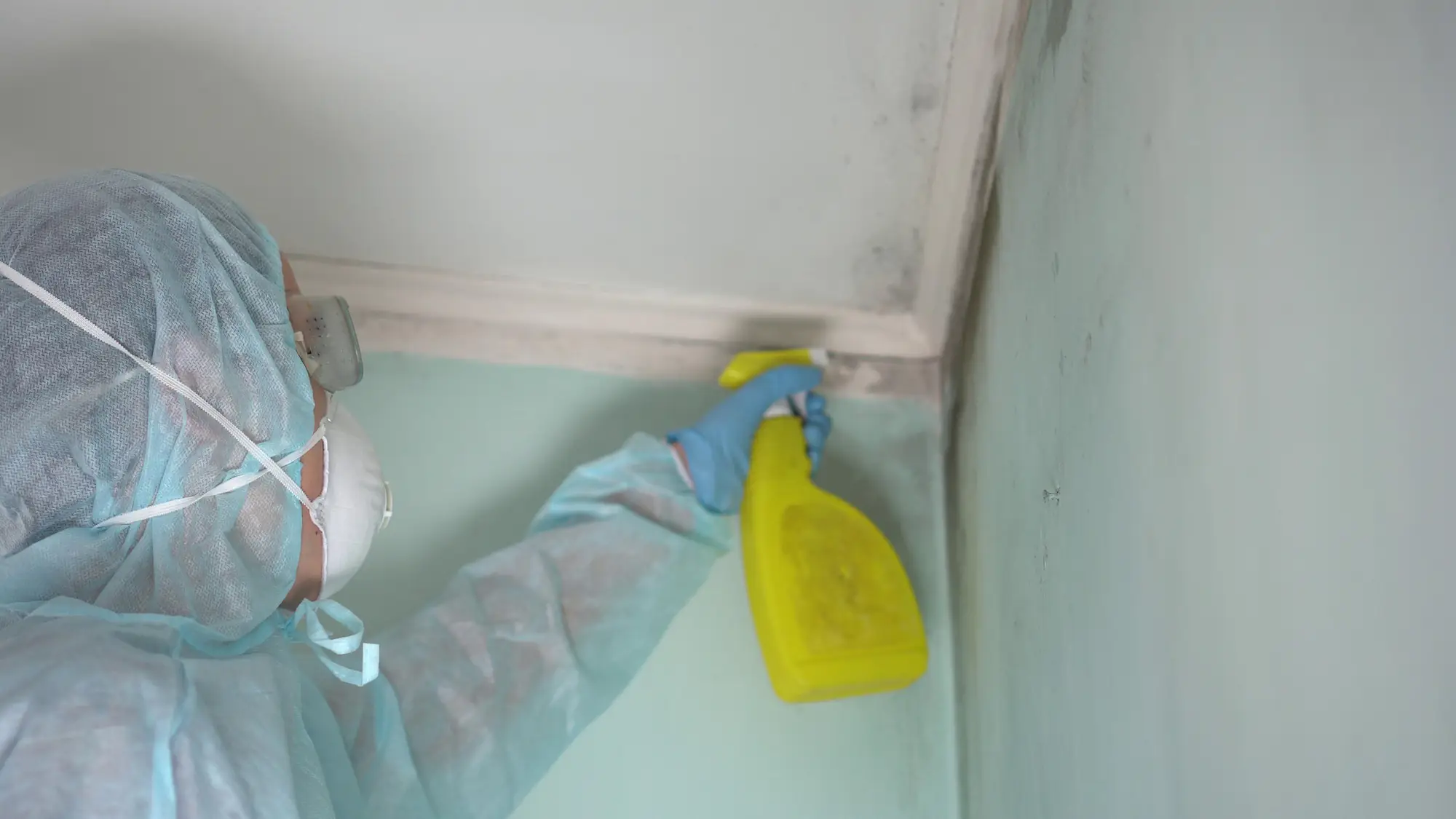
Then we develop a remediation plan specific to your situation. Small, contained mold problems might be straightforward. Extensive contamination requires more involved remediation including containment, air filtration, removal of affected materials, and thorough cleaning. We follow IICRC standards and EPA guidelines for safe mold removal.
We handle the insurance coordination if you’re filing a claim. We document everything with photos and detailed reports that meet insurance requirements. We work directly with adjusters to make the claims process as smooth as possible.
After remediation, we do post-testing to confirm the mold is gone and your air quality is back to normal levels. You’re not guessing whether the work was effective. You have laboratory proof that your home is safe again. We also give you specific recommendations for preventing future mold growth based on what caused the problem in the first place.
Other Services we provide in Point Breeze