
Hear from Our Customers
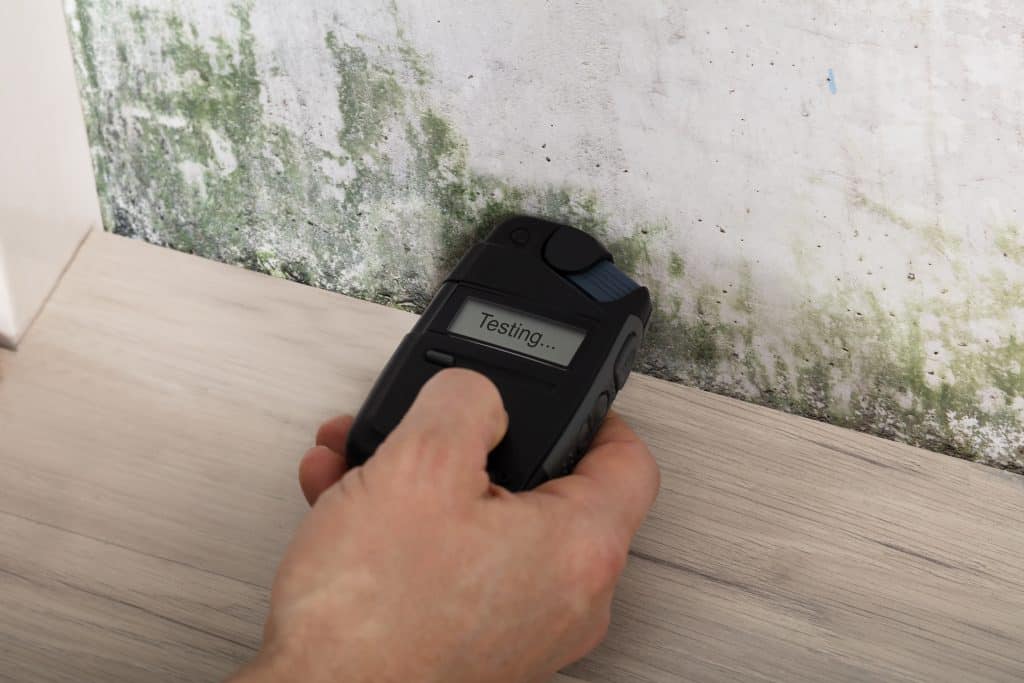
You can’t fix what you can’t see. Mold hides in wall cavities, under flooring, behind appliances, and in crawl spaces where moisture sits unnoticed for months.
A professional mold inspection gives you the full picture. We use infrared cameras and moisture meters to detect mold growth before it spreads through your HVAC system or compromises structural materials. You’ll know exactly what type of mold you’re dealing with, where it’s growing, and what’s causing it.
Most homeowners in Packer Park, PA don’t realize they have a mold problem until someone gets sick or they smell something off. By then, spores have already spread. Testing catches it early when remediation is faster, less invasive, and far less expensive. You get a clear assessment, a written report, and a plan that actually solves the problem at the source.
We’ve been serving Packer Park, PA and the surrounding area for years. We’re certified mold inspectors who understand how Philadelphia’s humid summers and aging housing stock create the perfect environment for mold growth.
Homes built in the 1930s and 1940s which make up over half of Packer Park’s housing weren’t designed with modern moisture barriers. Brick foundations, unfinished basements, and old plumbing mean water finds its way in. We’ve seen it hundreds of times.
Our team uses EPA-approved testing methods and advanced detection equipment to give you accurate results. We’re not here to upsell you on services you don’t need. We’re here to tell you what’s actually happening in your home so you can make an informed decision.

We start with a visual assessment of your property. That means checking basements, bathrooms, kitchens, attics, and any areas where moisture tends to collect. We’re looking for visible mold, water stains, condensation, and ventilation issues.
Next, we use moisture meters and infrared cameras to detect hidden problems. These tools show us what’s happening inside walls and under floors without tearing anything apart. If we find elevated moisture levels or temperature variations, we investigate further.
When necessary, we collect air and surface samples for lab analysis. This tells us exactly what type of mold is present and how concentrated the spore levels are. You’ll receive a detailed report that breaks down our findings in plain language no jargon, no guessing.
From there, we walk you through what needs to happen next. If remediation is required, we explain the scope of work and give you a clear timeline. If the issue is minor, we’ll tell you that too. You’ll know what you’re dealing with before any work begins.

Ready to get started?
Our mold testing service covers every area of concern in your home. We inspect basements, crawl spaces, attics, HVAC systems, bathrooms, and any rooms with a history of leaks or water damage. You’re not paying for a quick walkthrough you’re getting a thorough evaluation.
We test air quality to measure airborne mold spore levels. High spore counts mean mold is actively releasing particles into the air you breathe. Surface testing identifies the specific mold species growing on walls, ceilings, or floors. Both methods give us the data we need to assess the severity of the problem.
In Packer Park, PA, older homes with brick foundations and damp basements are especially vulnerable. We pay close attention to these areas because that’s where moisture problems start. Poor drainage, aging sealants, and inadequate ventilation all contribute to mold growth. Our inspection identifies not just the mold, but the conditions allowing it to thrive.
You’ll receive a written report with photos, lab results, and our professional recommendations. If remediation is needed, we’ll outline the steps required to remove the mold and prevent it from coming back. If your home is clear, you’ll have documentation proving it useful for real estate transactions or insurance purposes.
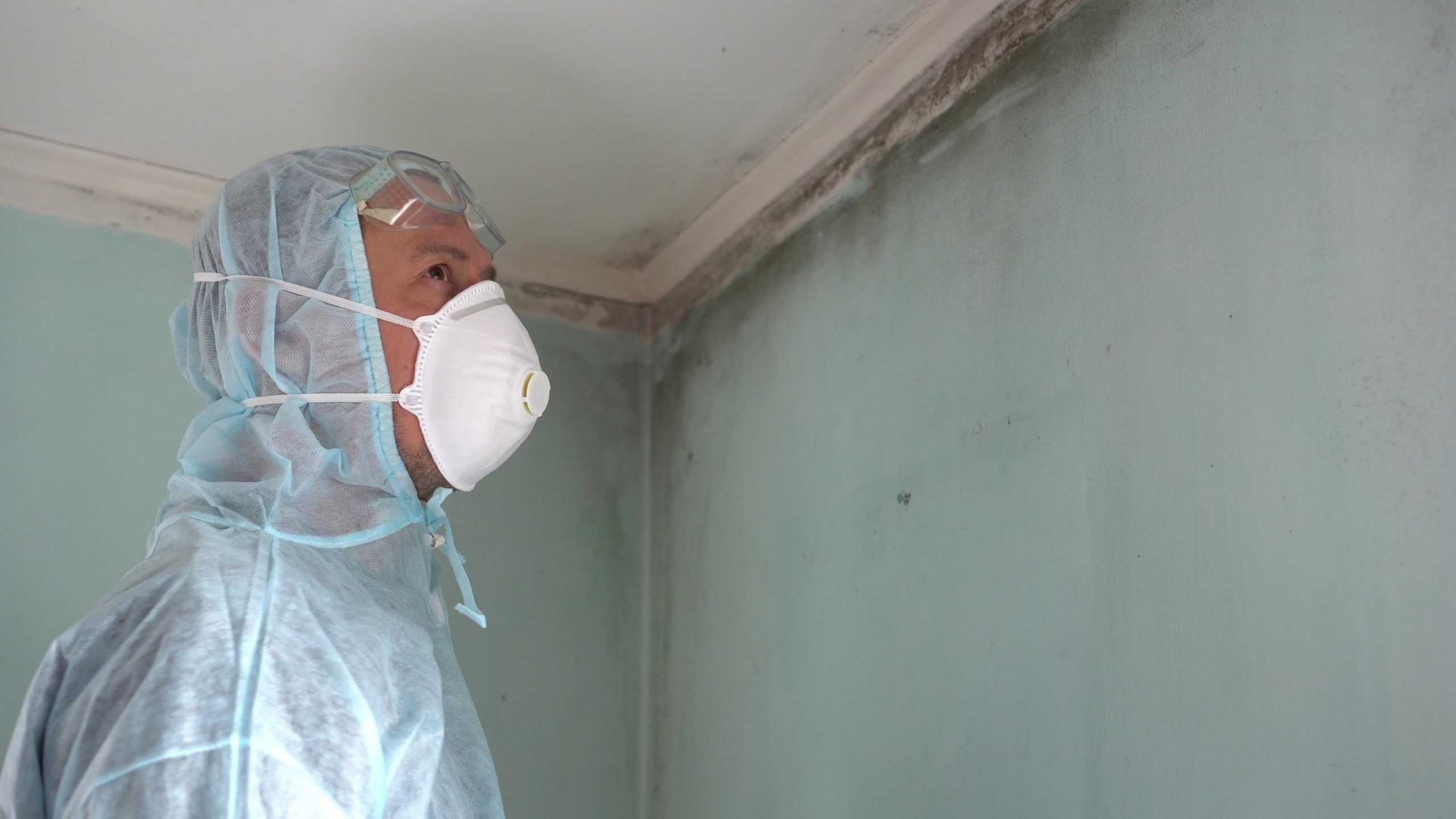
You need mold testing if you notice a musty smell, see visible discoloration on walls or ceilings, or if anyone in your household is experiencing unexplained allergy symptoms or respiratory issues. These are the most common signs that mold is present.
Water damage is another major indicator. If you’ve had a leak, flood, or persistent condensation problem, mold is likely growing somewhere even if you can’t see it. Mold starts developing within 24 to 48 hours of water exposure, and it spreads quickly through porous materials like drywall and insulation.
Homes in Packer Park, PA are particularly at risk due to the age of the housing stock. If your home was built before 1950, you’re dealing with older construction methods that didn’t account for modern moisture control. Basements with stone or brick foundations, unfinished walls, and limited ventilation create ideal conditions for mold growth. Testing gives you a clear answer instead of guessing.
The most common types we find are Cladosporium, Aspergillus, and Penicillium. These molds thrive in damp, humid environments and are frequently found in basements, bathrooms, and areas with poor airflow. They’re not always dangerous, but they can trigger allergies and respiratory problems in sensitive individuals.
Stachybotrys, commonly called black mold, is less common but more concerning. It grows on materials with high cellulose content like drywall and wood that have been exposed to prolonged moisture. Black mold produces mycotoxins that can cause serious health issues, especially in children and people with compromised immune systems.
Lab testing is the only way to know for sure what type of mold you’re dealing with. Visual identification isn’t reliable because different mold species can look similar. We collect samples and send them to a certified lab for analysis. You’ll get a report that identifies the specific mold types and their concentration levels, so you know exactly what you’re up against.
Most inspections take between one and three hours, depending on the size of your home and the extent of the problem. A small townhome with a single area of concern will be faster than a larger property with multiple moisture issues.
We don’t rush the process. A thorough inspection means checking every potential problem area basements, crawl spaces, attics, HVAC systems, bathrooms, and any rooms with a history of leaks. We use moisture meters and infrared cameras to detect hidden mold behind walls and under floors, which takes time but gives you accurate results.
If we collect air or surface samples, lab analysis typically takes three to five business days. You’ll receive a detailed report with our findings and recommendations. If the situation is urgent like active water damage or severe mold growth we’ll prioritize your case and work with the lab to expedite results.
DIY mold test kits are available, but they’re not reliable. Most home test kits only tell you that mold is present which isn’t useful, because mold exists in almost every home. What matters is the type of mold, the concentration levels, and where it’s growing. DIY kits don’t give you that information.
Professional mold testing uses calibrated equipment and lab analysis to identify specific mold species and measure spore counts. We also locate the moisture source that’s feeding the mold growth. Without finding and fixing that source, the mold will keep coming back no matter how many times you clean it.
In Packer Park, PA, where many homes have aging plumbing and damp basements, professional inspection is especially important. Hidden leaks and moisture problems aren’t always obvious. Infrared cameras and moisture meters detect issues you can’t see with the naked eye. You’re not just paying for a test you’re paying for accurate diagnosis and a plan that actually solves the problem.
It depends on what caused the mold. Most homeowners insurance policies cover mold remediation if the mold resulted from a covered peril like a burst pipe or sudden water damage. If the mold developed due to long-term neglect or lack of maintenance, your claim will likely be denied.
Insurance companies want documentation. A professional mold inspection provides the evidence you need to file a claim. Our reports include photos, lab results, and a clear explanation of what caused the mold growth. We’ve worked with insurance adjusters before, and we know what they’re looking for.
If you’re filing a claim, get the inspection done quickly. Most policies require you to mitigate damage promptly to prevent further loss. Waiting too long can give the insurance company grounds to deny your claim. We can walk you through the process and provide the documentation your insurer needs to approve coverage.
If we find mold, we’ll explain what type it is, where it’s growing, and what’s causing it. Not all mold requires full remediation. Minor surface mold in a bathroom can often be cleaned and prevented with better ventilation. Extensive mold growth in walls or HVAC systems requires professional removal.
Our report will outline the scope of work needed. That includes removing contaminated materials, treating affected areas, fixing the moisture problem, and preventing future growth. We’ll give you a clear timeline and cost estimate so you know what to expect.
Mold remediation isn’t something you want to ignore. Mold spreads quickly, and the longer it sits, the more damage it causes. In older Packer Park, PA homes, mold can compromise structural materials like floor joists and wall studs. It also affects indoor air quality, which impacts your family’s health. We’ll handle the remediation using EPA-approved methods, and we’ll verify the work with post-remediation testing to make sure your home is safe.
Other Services we provide in Packer Park