
Hear from Our Customers
You don’t need someone walking through your property with a flashlight telling you they “see mold.” You need scientific proof of what species you’re dealing with, where it’s concentrated, and how serious the problem actually is.
That’s what mold testing does. Air samples and surface swabs get sent to an independent lab. You get back a report with species identification, spore counts, and moisture readings. No interpretation required just data that tells you if you have a problem worth fixing or if you can breathe easy.
Most Old City property owners who call us aren’t sure if they even have mold. They smell something musty in the basement. They’re buying a historic rowhome and want to know what they’re getting into. Or they’ve had a leak and want confirmation it didn’t turn into something worse. Testing gives you that answer before you commit to remediation, insurance claims, or panic.
We’ve spent more than a decade and a half working in Philadelphia’s oldest neighborhoods. That means we’ve seen the quirks of Old City’s historic buildings the flat roofs that pool water, the century-old basements with stone foundations, the brick walls that trap moisture when humidity spikes in July.
Jeff, the owner, handles the work personally. You’re not getting a rotating crew or a corporate checklist. You’re getting someone who knows what to look for in buildings like yours and won’t try to sell you services you don’t need.
We’re rated 5.0 stars because we show up on time, explain what we find in plain language, and give you documentation you can use with your insurance company or real estate agent. No runaround. No pressure. Just honest evaluation of what’s happening in your property.
First, we walk through your property and talk about what you’ve noticed odors, visible growth, water damage, health symptoms. That conversation tells us where to focus.
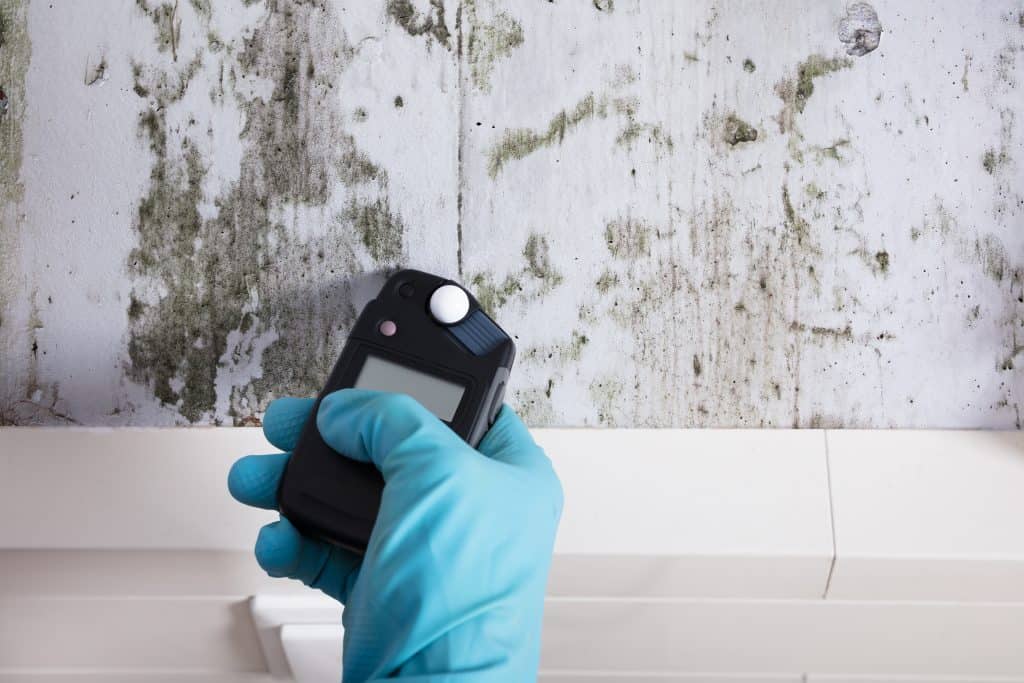
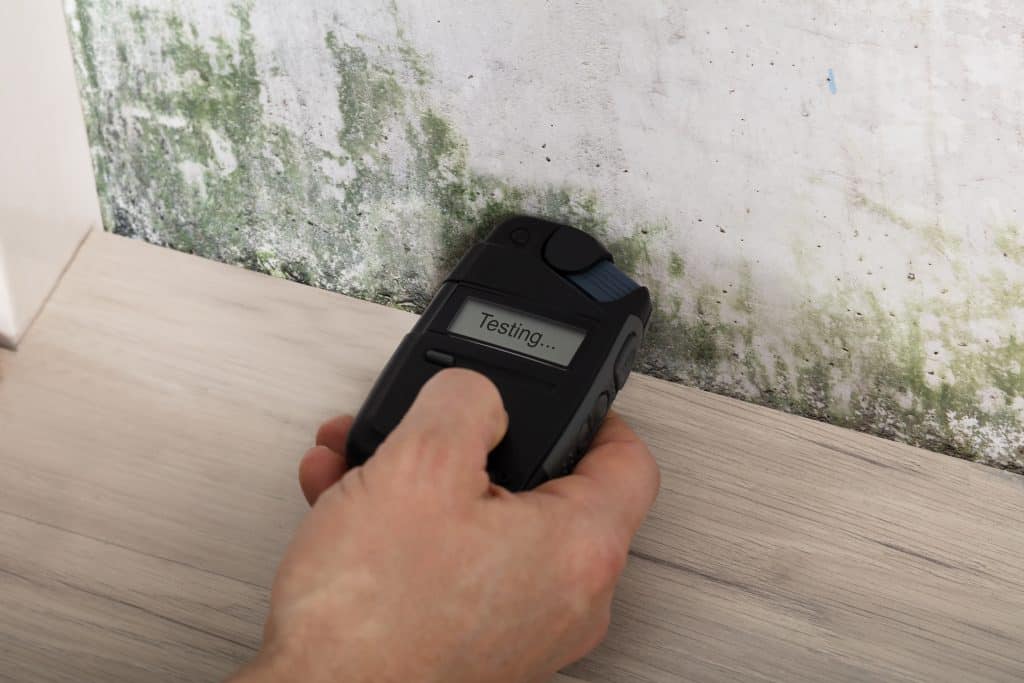
Then we use thermal imaging cameras and moisture meters to find hidden problems. Mold doesn’t always grow where you can see it. It hides behind drywall, under flooring, inside HVAC systems. Our equipment detects temperature differences and moisture levels that indicate active growth even when nothing’s visible.
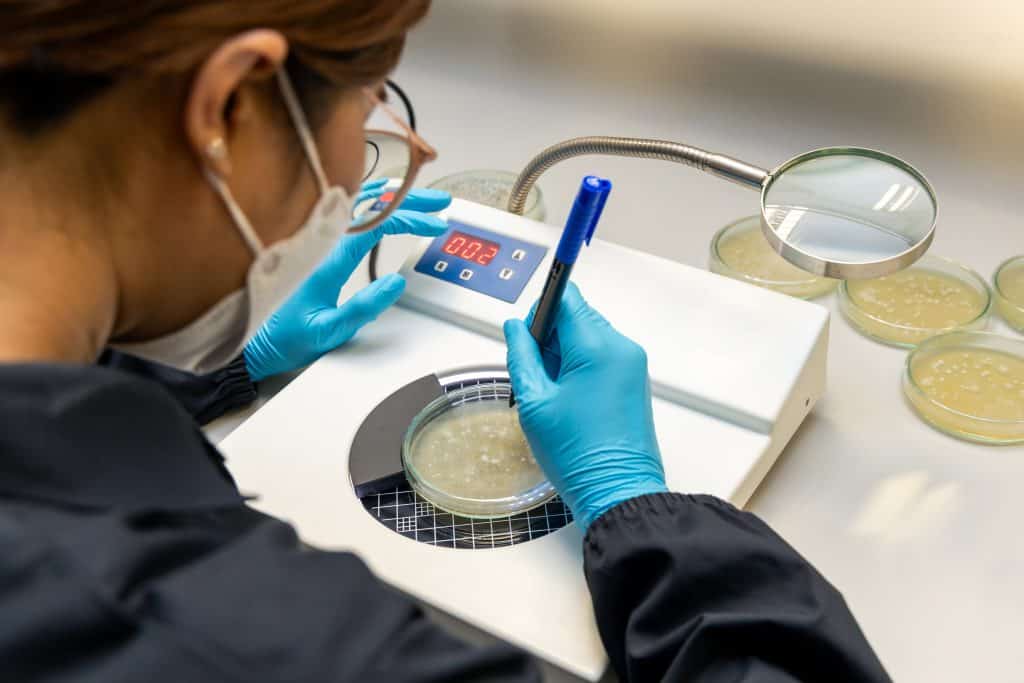
We collect air samples from multiple rooms and take surface samples from any suspicious areas. Those samples go to an independent laboratory for analysis. You’re not relying on our opinion you’re getting certified lab results that identify the exact mold species and measure spore concentration in your indoor air.
Results typically come back within three to seven business days. We walk you through the report, explain what the findings mean for your health and property, and give you clear recommendations. If remediation is needed, we’ll tell you what that involves. If the results show you’re in the clear, we’ll tell you that too.

Ready to get started?
You get laboratory analysis from a certified third-party lab. That means your results aren’t coming from the same company trying to sell you remediation. You get unbiased data about what’s in your air and on your surfaces.
You get thermal imaging scans that show moisture patterns and temperature anomalies throughout your property. In Old City’s historic buildings, this is critical. Water doesn’t always show up as a visible stain it travels through old plaster, brick, and wood in ways that only infrared technology can detect.
You get a written report with photographs, moisture readings, lab results, and specific recommendations. This documentation works for insurance claims, real estate transactions, landlord-tenant disputes, or just your own peace of mind. Everything is time-stamped and professionally formatted.
Old City properties face unique challenges. Philadelphia’s summer humidity regularly exceeds 60%, and older buildings weren’t designed with modern ventilation. Basements stay damp. Roofs develop slow leaks. HVAC systems circulate spores if they’re not maintained. Testing accounts for all of that we know where problems develop in buildings like yours because we’ve tested hundreds of them.
Most residential mold inspections in Old City run between $300 and $800 depending on property size and how many samples you need. A typical rowhome with two or three collection points usually falls in the $400 to $600 range.
That price includes the inspection itself, sample collection, laboratory analysis, and a written report with recommendations. You’re not paying separately for the lab work or the report it’s all included upfront. We give you exact pricing before we start so there’s no surprise charges when the work is done.
If you’re buying a property and need testing as part of your due diligence, that’s often worth the cost compared to discovering a mold problem after closing. If you’re dealing with a known water issue and want to confirm whether it caused mold growth, testing gives you documentation for insurance claims or contractor accountability.
Lab results typically come back within three to seven business days after we collect samples. The timeline depends on the lab’s current workload, but most analyses are completed within that window.
If we find something during the inspection that raises immediate health concerns like visible black mold in a bedroom or heavy growth near a child’s play area we’ll let you know right away. You don’t have to wait for lab results to take action if there’s an obvious problem that needs attention.
Once results are in, we’ll call you to go over the findings. You’ll get the full written report via email, but we don’t just send it and disappear. We walk through what the lab found, what the spore counts mean, and what your options are. If remediation is recommended, we explain what that process involves and what it typically costs so you can make an informed decision.
You can buy DIY mold test kits at hardware stores, but they don’t give you the same level of information. Most consumer kits just tell you “mold is present,” which isn’t particularly useful mold spores exist in every building. What matters is the species, the concentration, and whether levels are elevated compared to outdoor air.
Professional testing uses calibrated equipment and follows specific protocols for sample collection. Air samples need to be taken at the right flow rate for the right duration. Surface samples need to be collected from the right locations using sterile technique. If the process isn’t done correctly, results won’t be accurate.
The bigger issue is interpretation. A lab report lists spore counts and species names, but it doesn’t tell you what that means for your specific situation. We’ve done this long enough to know which findings require immediate action and which are normal background levels. That context matters when you’re deciding whether to spend thousands on remediation or just improve your ventilation and move on.
A mold inspection is the visual assessment we walk through your property, look for visible growth, check for water damage, use moisture meters and thermal cameras to find hidden problems. That’s the detective work that tells us where issues might exist.
Mold testing is the laboratory analysis. We collect air samples and surface swabs during the inspection, then send those samples to a certified lab. The lab identifies exactly what species are present and measures spore concentration. Testing turns suspicion into scientific data.
Most people need both. The inspection finds the problem areas. The testing confirms what’s growing and how serious it is. Some situations don’t require testing if there’s visible mold covering a basement wall, you don’t need a lab to tell you it should be removed. But if you’re buying a property, dealing with insurance, or trying to figure out why you’re having respiratory symptoms, testing gives you documentation and answers you can’t get from a visual inspection alone.
If you’re buying a building that’s over 100 years old, testing is one of the smartest investments you can make during your due diligence period. Old City properties have charm, but they also have outdated drainage, minimal ventilation, and decades of deferred maintenance.
A standard home inspection doesn’t include laboratory mold analysis. Your inspector might note water stains or musty odors, but they’re not collecting samples or measuring spore counts. If the property has had leaks, flooding, or long periods of vacancy, there’s a real chance mold has taken hold in places you can’t easily see.
Testing before you close gives you leverage. If lab results show elevated mold levels, you can negotiate repairs, request remediation, or adjust your offer. Once you own the property, those problems become your responsibility and your expense. Spending $500 on testing now can save you from discovering a $10,000 remediation project six months after moving in. It’s not required, but it’s rarely a waste of money when you’re dealing with historic buildings in a humid climate.
Aspergillus and Penicillium are the most common species we find in Old City homes. Both thrive in damp environments and spread quickly when humidity stays above 60% which happens regularly in Philadelphia summers. They’re usually found in basements, bathrooms, and around windows where condensation builds up.
Stachybotrys, often called black mold, shows up less frequently but tends to appear after significant water damage. If a property has had a roof leak, pipe burst, or flooding that wasn’t properly dried, Stachybotrys can colonize drywall and wood within 48 hours. It produces mycotoxins that cause respiratory issues, so we take it seriously when lab results confirm its presence.
Cladosporium is another frequent finding, especially in older buildings with poor ventilation. It grows on porous surfaces like wood, fabric, and drywall. It’s generally considered less toxic than Stachybotrys, but it still triggers allergies and asthma in sensitive individuals. The lab report will identify which species are in your property and at what concentration, which determines whether remediation is necessary or if improved ventilation and dehumidification will solve the problem.
Other Services we provide in Old City