
Hear from Our Customers
You can’t see most mold problems until they’ve already spread. By then, you’re looking at thousands in damage and months of worry about what your family’s been breathing.
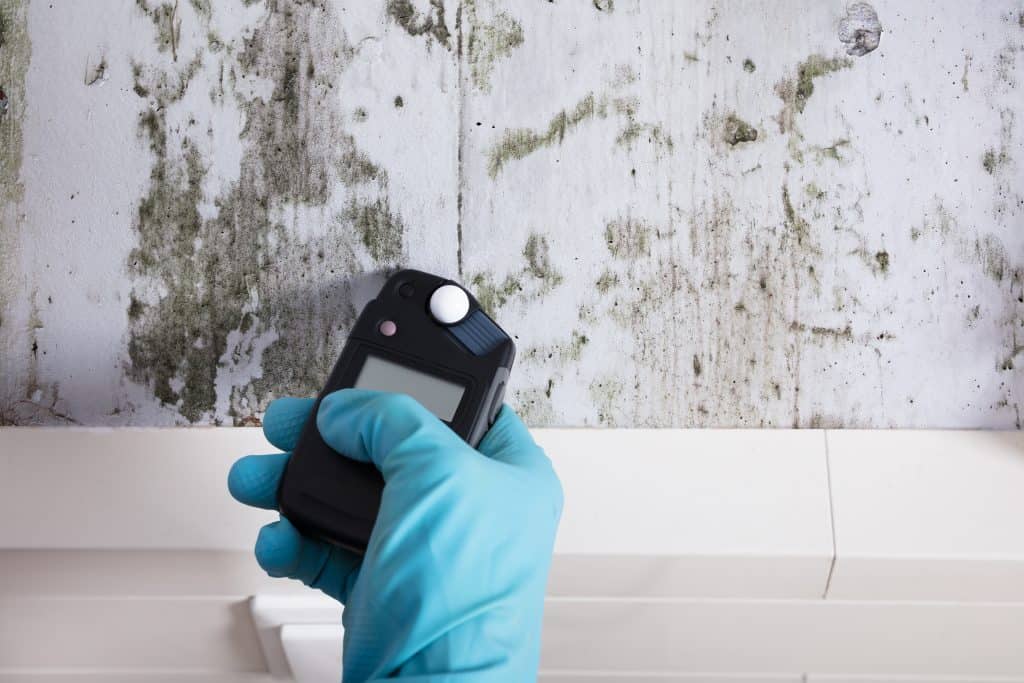
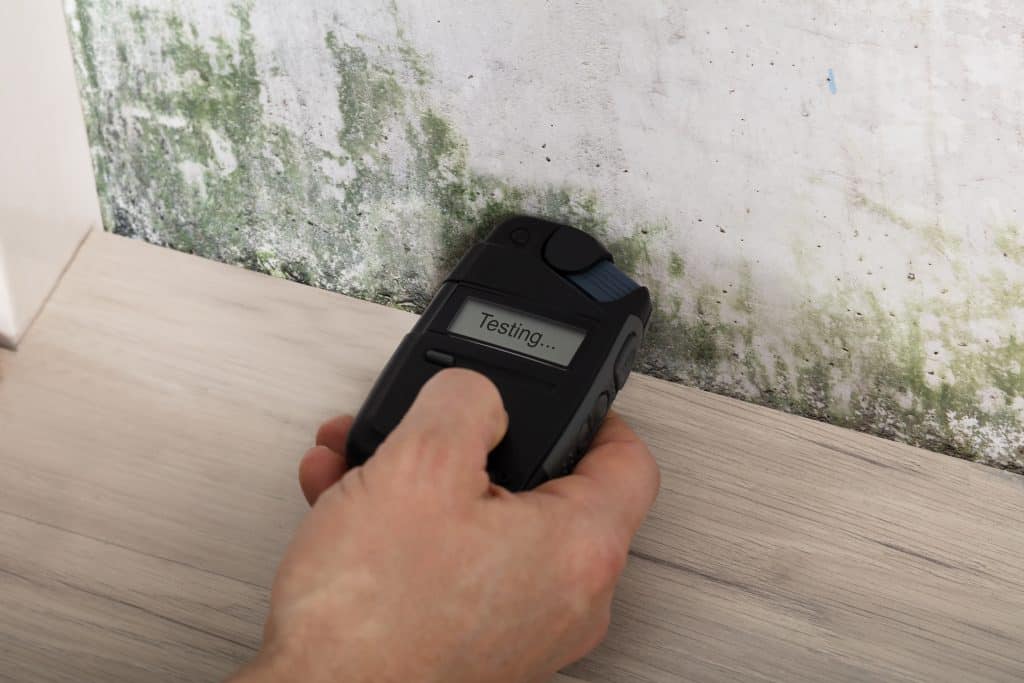
Professional mold testing finds what’s hidden behind walls, under floors, in your HVAC system. We use thermal imaging and moisture meters to detect problems before they become disasters. You get lab results that identify the exact species, concentration levels, and health risks.
That means you know if you’re dealing with common surface mold or something more serious. You know if that musty smell is just old carpet or active growth. You know what action to take or if you can relax because there’s nothing dangerous happening.
No more wondering if that dark spot is dirt or mold. No more lying awake worried about your kids’ coughs. Just clear answers from an independent inspection that has zero incentive to upsell you on removal services you don’t need.
We’ve spent over 15 years inspecting homes across Bucks County and the Philadelphia area. We know Manayunk’s housing stock those beautiful Victorian conversions and pre-1940s rowhomes that make the neighborhood special also make it vulnerable to moisture problems.
Your home wasn’t built with modern vapor barriers or waterproofing. Add in Manayunk’s flood risk 30% of properties face severe flooding in the next 30 years and you’ve got the perfect recipe for hidden mold growth.
We’ve seen it all. The converted mill lofts with HVAC systems that create condensation. The stone foundations that wick moisture. The finished basements that look perfect but are growing mold behind the drywall. That’s why we don’t just look we use technology to see what’s actually happening in your walls and under your floors.
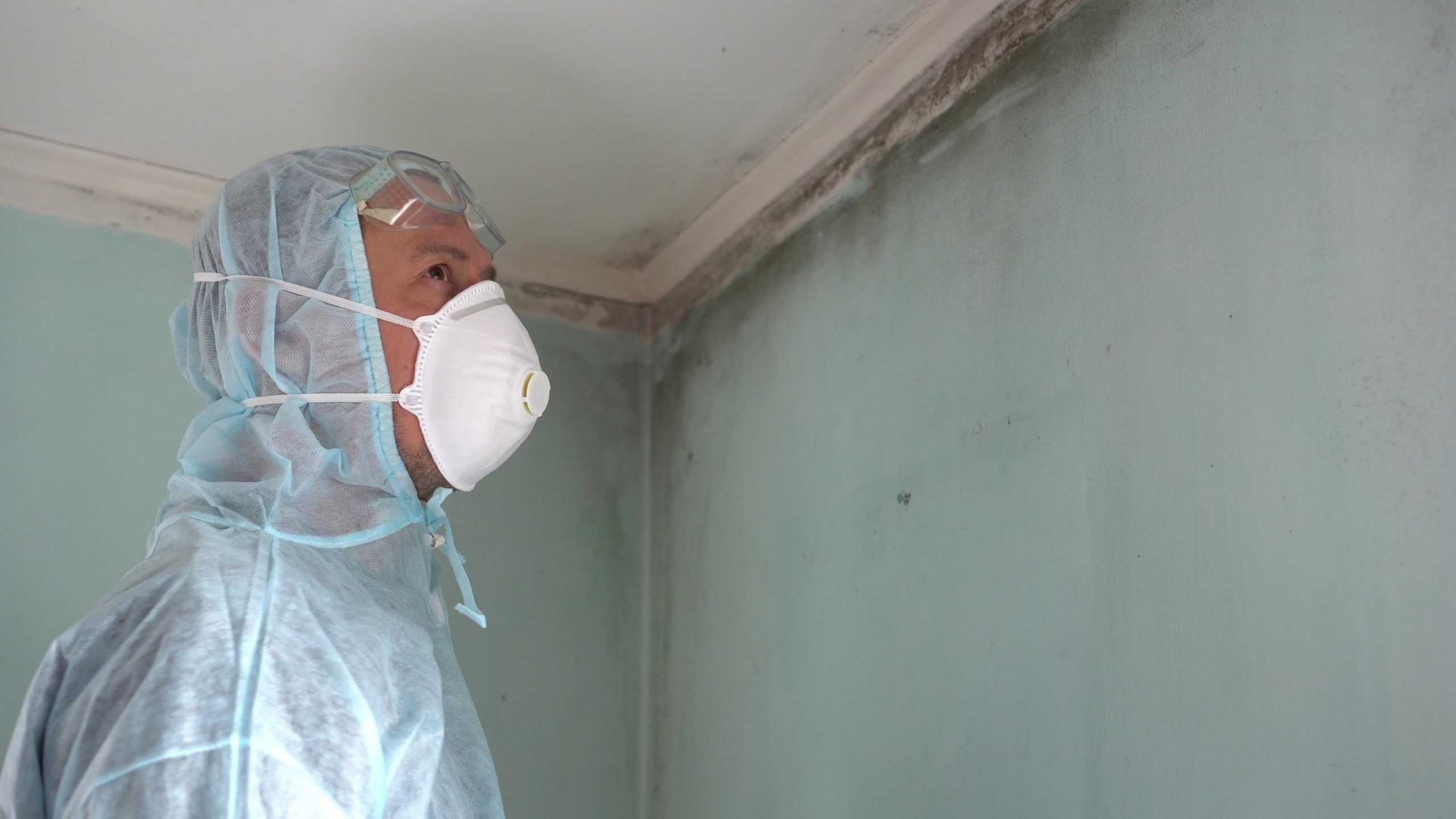
We start with a visual inspection of your entire property. That includes the obvious spots bathrooms, basements, kitchens and the places most people forget. Crawl spaces, attics, behind appliances, inside HVAC systems.
Then we bring out the thermal imaging camera. This shows us temperature differences that indicate moisture behind surfaces. We use digital moisture meters to measure exactly how wet your walls, floors, and ceilings are. High moisture means high risk, even if you can’t see mold yet.
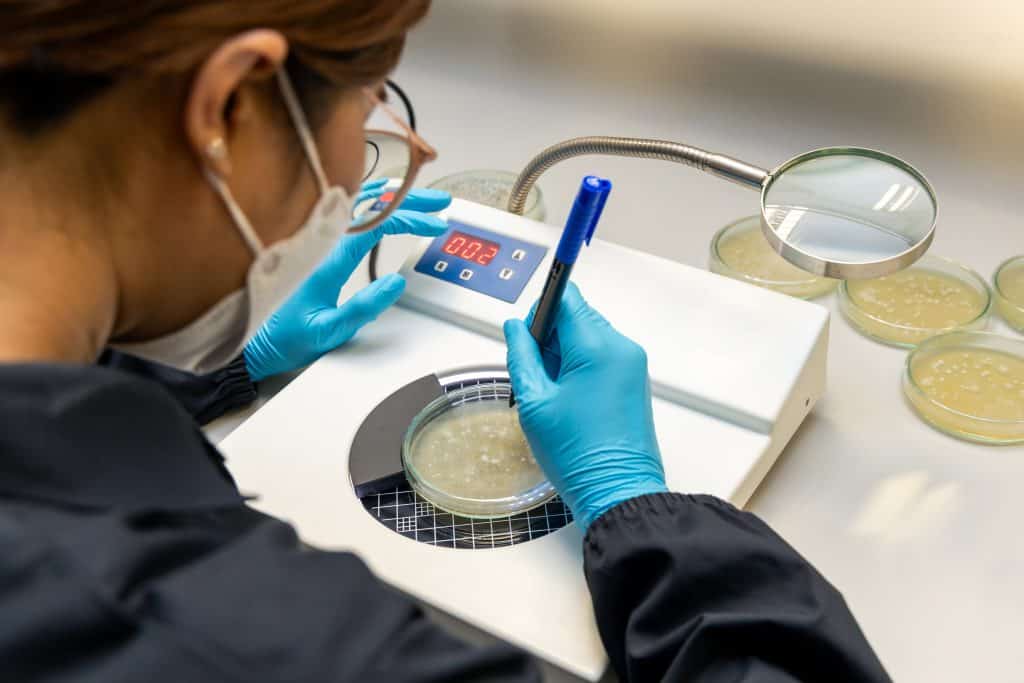
When we find suspicious areas, we take samples. Air samples test what you’re breathing. Surface samples test what’s growing. We send everything to an independent certified lab not our own facility, because we want unbiased results.
You get a detailed report in 3-7 business days. It identifies the species, tells you the concentration levels, explains the health implications, and includes photos of problem areas. Most importantly, it gives you a clear action plan. Sometimes that means remediation. Sometimes it means fixing a leak and monitoring. Sometimes it means you’re fine and can stop worrying.

Ready to get started?
Your inspection includes a comprehensive visual examination of every accessible area in your home. We check basements, crawl spaces, attics, wall cavities, and your entire HVAC system anywhere moisture can hide and mold can grow.
We use thermal imaging to identify temperature anomalies that indicate hidden moisture. We measure humidity levels throughout your home. We document everything with photographs so you can see exactly what we’re seeing.
The lab analysis identifies specific mold species Aspergillus, Penicillium, Cladosporium, Stachybotrys. That matters because some species are more dangerous than others. The report shows concentration levels so you know if you’re dealing with normal background levels or actual contamination.
You also get documentation that meets Pennsylvania Department of Health standards. That’s critical if you need to file an insurance claim or if you’re buying or selling a home in Manayunk. Real estate transactions fall apart over undocumented mold problems.
Here’s what makes our testing different: we don’t do remediation. We just test. That means our only job is giving you accurate information, not selling you on a removal service. You can take our results to any remediation company you want, or handle it yourself if it’s minor.
Most residential mold inspections in Manayunk run between $400 and $600. That includes the visual inspection, moisture mapping with thermal imaging, sample collection, and lab analysis.
The price varies based on your home’s size and how many samples we need to take. A 1,200 square foot rowhome with one problem area costs less than a 3,000 square foot converted mill with multiple levels and complex HVAC systems.
Here’s the math that matters: mold remediation in Philadelphia averages $500 to $6,000 depending on severity. Catching a problem early when it’s still small and contained can save you thousands compared to discovering it after it’s spread through your walls. Testing is cheap insurance when you consider what you’re protecting against.
DIY kits test one small area and tell you if mold is present. Professional inspection tells you what species, how much, where it’s coming from, and what to do about it.
Those $10 hardware store kits can’t identify dangerous species like black mold. They can’t measure concentration levels. They can’t find hidden mold behind walls or under floors. And they can’t tell you if the moisture problem that caused the mold is still active.
Professional testing uses thermal imaging to see moisture you can’t see. We test multiple areas to understand the full scope. The lab analysis identifies specific species and provides health risk information. You get a comprehensive report that actually helps you make decisions not just a positive/negative result that leaves you wondering what to do next.
The inspection itself takes 1-3 hours depending on your home’s size. Lab results come back in 3-7 business days. We can expedite to 24-48 hours if you’re in a time-sensitive situation like a real estate transaction.
During the inspection, we’ll give you preliminary observations about what we’re seeing. If there’s visible mold growth or obvious moisture problems, you’ll know that day. But the lab analysis is what tells you the species and concentration levels.
Once results are in, we walk you through the report and answer your questions. We explain what the findings mean for your health and your home. We give you a clear action plan whether that’s immediate remediation, monitoring, or simple fixes like improving ventilation.
Yes, especially in Manayunk where 42% of homes were built before 1940. Older homes have moisture vulnerabilities that newer construction doesn’t stone foundations, outdated plumbing, no vapor barriers, poor ventilation.
A standard home inspection doesn’t include mold testing. Your inspector might note water stains or musty odors, but they’re not testing air quality or taking samples. That means you could buy a home with hidden mold and not know until you’re living there.
Pre-purchase mold testing costs $400-600. Discovering mold after closing can cost thousands in remediation plus the nightmare of negotiating with a seller after the deal is done. Testing during your inspection period gives you leverage to negotiate repairs or walk away if the problem is severe. It’s one of the smartest investments you can make before buying an older Manayunk home.
Musty odors are the biggest red flag. If your basement, bathroom, or any room smells earthy or damp, there’s likely mold growing somewhere. You might not see it, but you’re smelling the volatile organic compounds mold releases.
Visible signs include dark spots on walls or ceilings, peeling paint, warping floors, or water stains. But here’s the thing most mold grows where you can’t see it. Behind drywall, under flooring, in wall cavities, inside HVAC ducts.
Health symptoms are another indicator. If you or your family have unexplained respiratory issues, allergies, eye irritation, or headaches that improve when you leave the house, mold exposure could be the cause. Recent water damage even if you dried it quickly warrants testing because mold can start growing in 24-48 hours. And if you live in a flood-prone area of Manayunk, testing after heavy rain is smart prevention.
Yes. Lab results show exactly what’s in your air and on your surfaces. The report compares your indoor levels to outdoor baseline levels. If your indoor mold concentration is higher than outdoor levels, you have a problem.
The lab identifies species and tells you which ones pose health risks. Some molds are relatively harmless. Others like Stachybotrys chartarum (black mold) or certain Aspergillus species can cause serious respiratory problems, especially for children, elderly, or anyone with compromised immune systems.
Safe doesn’t mean zero mold. Mold spores exist everywhere. Safe means your levels are normal, the species present aren’t dangerous, and there’s no active growth. If testing shows elevated levels or hazardous species, you’ll know exactly what remediation is needed to make your home safe again. That’s the peace of mind professional testing provides clear answers instead of constant worry.
Other Services we provide in Manayunk