
Hear from Our Customers
You’re not imagining it. The headaches, the stuffy feeling when you wake up, the allergies that won’t quit—your home’s air might actually be the problem.
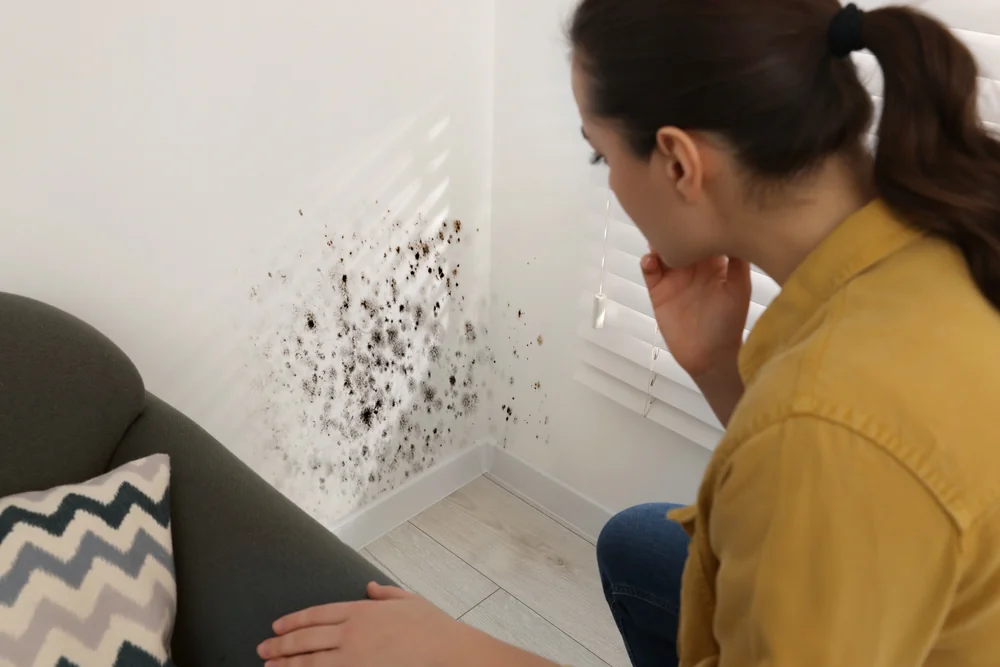
Most Manayunk homes have air that’s 2-5 times more contaminated than outdoor air. Mold spores, volatile organic compounds, elevated humidity—these aren’t things you can see or smell until they’ve been growing for months. By then, you’re dealing with health symptoms and expensive remediation instead of a simple fix.
A professional air quality test gives you lab-certified data about what’s actually in your air. You’ll know if mold is present, what species it is, and whether the concentration levels pose health risks. You’ll see moisture readings that reveal hidden problems before they spread. And you’ll get documentation that holds up for insurance claims, real estate transactions, or just your own peace of mind.
This isn’t about scaring you into unnecessary services. It’s about knowing what you’re dealing with so you can make informed decisions about your home and your family’s health.
We serve Manayunk and the greater Philadelphia area with certified air quality testing and mold inspections. We’re not a national franchise reading from a script—we’re local specialists who understand how Philadelphia’s humid summers and aging building stock create perfect conditions for mold growth.
We know where problems hide in Manayunk’s rowhomes and converted properties. Basement corners near old plumbing. Crawl spaces with poor ventilation. Areas around windows where condensation builds up during temperature swings. We’ve tested hundreds of homes in this area, and we know what to look for.
You’ll work with certified technicians who use laboratory-grade equipment and follow scientific protocols. We provide upfront pricing before we start, and you’ll receive comprehensive documentation of everything we find. No pressure, no upselling—just accurate testing and honest answers about what’s happening in your home.

We start with a complete visual inspection of your property. We’re looking for visible mold growth, water stains, condensation patterns, and any signs of moisture intrusion. We check basements, crawl spaces, attics, bathrooms, and areas around plumbing and HVAC systems.
Next, we take moisture readings throughout your home using digital meters and infrared cameras. These tools detect elevated humidity levels and hidden water damage that you can’t see with the naked eye. High moisture areas are where mold grows, so identifying these spots is critical.
Then we collect air samples from multiple locations in your home, including outdoor baseline samples for comparison. We use specialized equipment that captures airborne spores and particles. These samples go to a certified laboratory for analysis.
The lab identifies specific mold species, measures concentration levels, and determines whether the indoor air quality differs significantly from outdoor conditions. You’ll receive detailed results that show exactly what’s in your air and whether it poses health risks.
We walk you through the findings in plain language. If remediation is needed, we explain what that involves and connect you with qualified specialists. If your air quality is fine, we’ll tell you that too. The goal is giving you accurate information so you can make the right decision for your situation.
Ready to get started?
Every residential air quality testing appointment includes a thorough visual assessment, moisture level readings with professional-grade meters, thermal imaging to detect hidden water damage, and air sampling from multiple locations inside and outside your home.
Your samples are analyzed by certified laboratories that identify mold species and measure spore concentrations. You’re not getting a simple pass/fail—you’re getting detailed data about what’s present and whether it’s at levels that could affect your health.
Manayunk’s older housing stock presents unique challenges. Many properties here were built before modern moisture barriers and ventilation standards. Row homes share walls, which can trap humidity. Basements in this area often have stone foundations that allow groundwater seepage. We account for these local factors during testing because they directly impact your indoor air quality.
You’ll receive a comprehensive written report with laboratory results, photographs from the inspection, moisture readings, and our professional interpretation of the findings. If mold is detected, the report explains the types found, concentration levels, potential health implications, and recommended next steps. This documentation is accepted by insurance companies, real estate agents, and Pennsylvania health authorities.
DIY kits can’t provide the level of analysis you need to make informed decisions. Most home testing kits only tell you whether mold is present—not what species, not the concentration levels, and not whether it’s actually a health concern.
Professional air quality testing uses laboratory-grade equipment and certified analysis. We collect samples using calibrated air pumps that capture specific volumes of air over measured time periods. These samples go to accredited laboratories where microbiologists identify individual mold species and count spore concentrations per cubic meter of air.
That level of detail matters. Some mold species are relatively harmless. Others produce mycotoxins that can cause serious health problems. Concentration levels determine whether you’re dealing with normal background levels or an active contamination problem that requires remediation. DIY kits can’t give you that information, which means you’re either worrying unnecessarily or missing a real problem that needs attention.
A comprehensive indoor air quality test identifies mold spores, measures humidity levels, and can include testing for volatile organic compounds, radon, and other airborne contaminants depending on your concerns and the testing protocol we use.
Mold testing specifically identifies fungal spores in your air and determines which species are present. Common indoor molds include Aspergillus, Penicillium, Cladosporium, and Stachybotrys (often called black mold). The lab analysis shows concentration levels for each species and compares your indoor air to outdoor baseline samples.
VOC testing detects chemicals released from building materials, cleaning products, furniture, and other sources. These compounds can cause headaches, respiratory irritation, and other health symptoms even when mold isn’t present. Radon testing measures radioactive gas levels—particularly important in Pennsylvania, where 40% of homes have elevated radon. We’ll recommend the right combination of tests based on your symptoms, your home’s age and condition, and any specific concerns you have about your indoor air quality.
Laboratory results typically take 3-7 business days from the time we collect samples. The exact timeframe depends on the types of tests performed and the lab’s current workload, but most residential air quality tests are completed within five business days.
We work with certified laboratories that prioritize residential testing and maintain strict quality control standards. Rush processing is available for urgent situations, though it comes with additional fees. In most cases, the standard turnaround time is appropriate—mold problems develop over weeks or months, so a few extra days for accurate results won’t change your situation.
Once we receive the lab results, we’ll contact you to schedule a time to review the findings. We’ll explain what the data means, answer your questions, and discuss next steps if remediation is needed. You’ll receive a complete written report with all the technical data, photographs, and our professional recommendations. That documentation is yours to keep, share with contractors, or submit to insurance companies or real estate agents as needed.
Yes—that’s actually one of the main advantages of air sampling over visual inspection alone. When mold grows in hidden spaces, it releases spores into the air. Those spores circulate through your home’s ventilation system and become airborne in living spaces where our equipment can capture them.
Air sampling is particularly effective at detecting hidden contamination because it measures what’s actually in the air you’re breathing, regardless of where the source is located. Even if mold is growing inside wall cavities, under flooring, or in ductwork, the spores typically enter your living space where we can detect them during laboratory analysis.
That said, air testing works best when combined with a thorough visual inspection and moisture readings. We use thermal imaging cameras to identify areas with elevated humidity or hidden water damage. Those areas often point us toward concealed mold growth. If air samples show elevated spore counts but we can’t locate the source visually, we may recommend targeted exploratory investigation in areas where moisture readings suggest problems. The goal is finding the source so it can be properly remediated, not just confirming that mold exists somewhere in your home.
Keep your home in normal living conditions for at least 24 hours before testing. Don’t deep clean, don’t leave windows open longer than usual, and don’t change your HVAC settings. We need to test the air quality you’re actually exposed to on a typical day, not artificially improved conditions.
Avoid using air purifiers or running exhaust fans excessively in the 24 hours before your appointment. These devices can temporarily reduce airborne spore counts and give you inaccurate results. If you normally use these devices, that’s fine—just don’t run them more than usual right before testing.
Make sure we can access all areas of your home, including basements, crawl spaces, attics, and any rooms where you’ve noticed musty odors or visible moisture problems. Clear any stored items blocking access to walls, corners, or mechanical systems so we can complete a thorough inspection. If you have specific areas of concern—a bathroom where you’ve seen mold, a basement that smells musty, a bedroom where someone has persistent allergy symptoms—let us know when we arrive so we can pay extra attention to those spaces during testing.
Coverage depends on your specific policy and the reason for testing. Many homeowners insurance policies cover mold inspections when they’re related to a covered water damage event—like a burst pipe, roof leak, or appliance failure. If you’re testing because of sudden water damage, contact your insurance company before scheduling to understand your coverage.
Insurance typically doesn’t cover testing for gradual moisture problems, routine maintenance inspections, or situations where mold developed over time due to humidity or poor ventilation. Those scenarios are usually considered preventable maintenance issues rather than sudden covered events.
Even when insurance doesn’t cover testing costs, the investment often saves money in the long run. Professional air quality testing costs a few hundred dollars. Ignoring a mold problem until it spreads can lead to remediation costs of $3,000 to $20,000 or more. Early detection through testing lets you address problems while they’re still small and manageable. We provide upfront pricing before we start, and you’ll receive detailed documentation that you can submit to your insurance company if you choose to file a claim for any remediation work that’s needed.
Other Services we provide in Manayunk