
Hear from Our Customers
You shouldn’t have to guess whether that musty smell is a problem. Or wonder if your headaches are connected to something growing behind your walls.
Mold testing gives you real answers. Not assumptions. Not maybes. You get lab results that show exactly what’s in your air, where it’s coming from, and whether it’s affecting your health.
That matters when you’re trying to sell a home and the buyer’s inspector flags moisture in the basement. It matters when your kid’s asthma keeps flaring up and nothing else explains it. And it definitely matters when you’ve had water damage and you’re not sure if the problem actually dried out or just looks like it did.
Pennsylvania’s humidity doesn’t help. Neither does the clay-heavy soil in Bucks County that pushes water into basements every spring. Mold can start growing within 24 hours of water exposure. By the time you see it or smell it, you’re already dealing with a bigger issue than you think.
Testing catches it early. Before remediation costs jump from $1,500 to $5,000. Before half your potential buyers walk away. Before your family keeps dealing with symptoms no one can explain.
That’s intentional. When the same company that finds mold also profits from removing it, the results get questionable. Some states have actually outlawed that practice because of conflicts of interest.
We provide independent mold evaluation and testing in Cedar Park and throughout Bucks County. We inspect your property, collect samples, send them to certified labs, and give you a detailed report of what’s actually there. No upselling. No remediation pitch. Just honest results you can use to make informed decisions.
We’ve been doing this for over 10 years because Cedar Park homeowners deserve to know what they’re dealing with before someone tries to sell them a solution. Pennsylvania’s older homes and unpredictable weather create real mold risks. You need testing you can trust.

First, we schedule a free consultation to understand what you’re seeing, smelling, or concerned about. Maybe you’ve had water damage. Maybe you’re buying a home and want to know what you’re getting into. Maybe someone in your house can’t stop coughing and you’ve ruled out everything else.
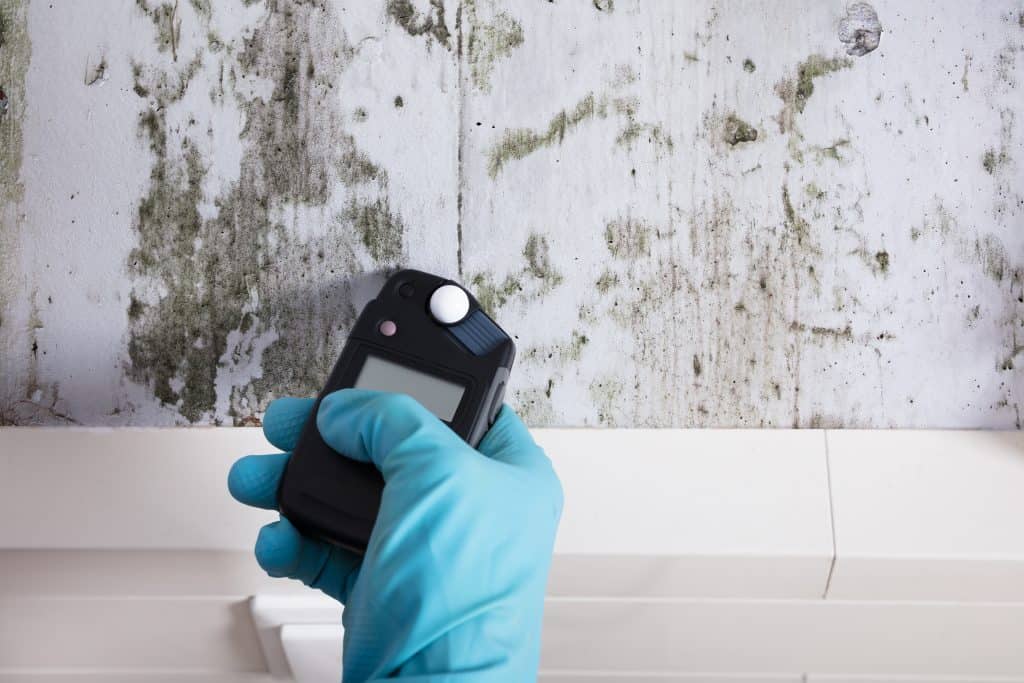
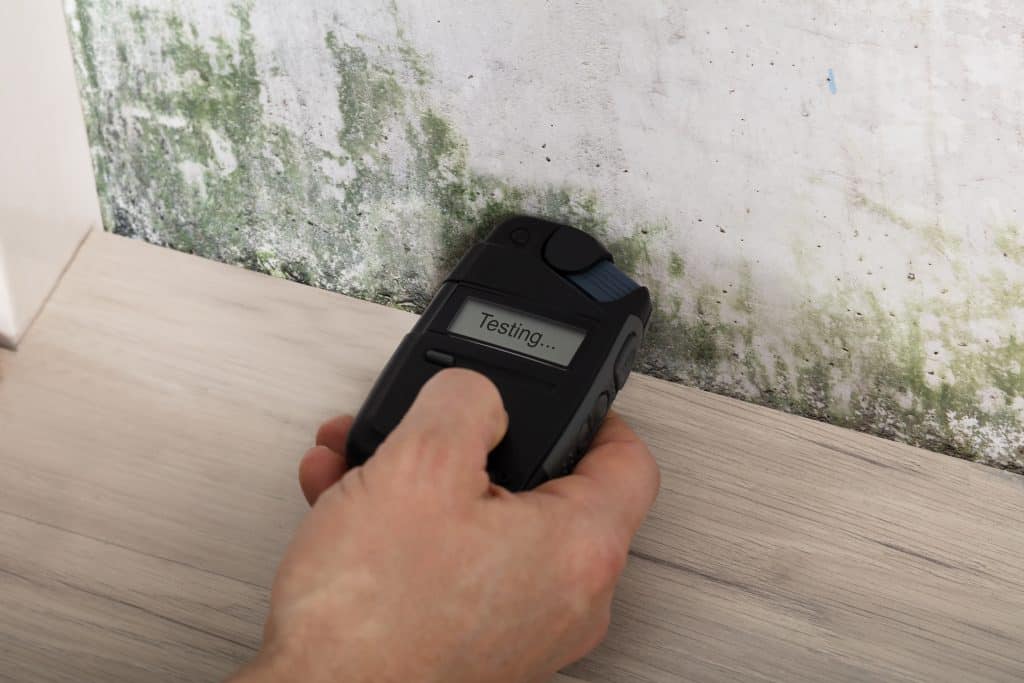
Next, we come to your property and conduct a full visual inspection. We’re looking for visible mold, water stains, condensation patterns, and moisture in places it shouldn’t be like inside walls, under flooring, or around HVAC systems. We use moisture meters and thermal imaging to find hidden problems you can’t see.
Then we collect samples. Air sampling tells us what’s floating around in your indoor environment. Surface testing identifies what’s growing on walls, ceilings, or other materials. We send everything to an accredited lab that can identify specific mold species and concentration levels.
Within a few days, you get a detailed report. It explains what was found, where it was found, and what the levels mean for your health and property. If remediation is needed, we’ll tell you what needs to happen but we won’t be the ones doing it. You can take that report to any remediation company you choose, or use it for insurance claims, real estate transactions, or peace of mind.

Ready to get started?
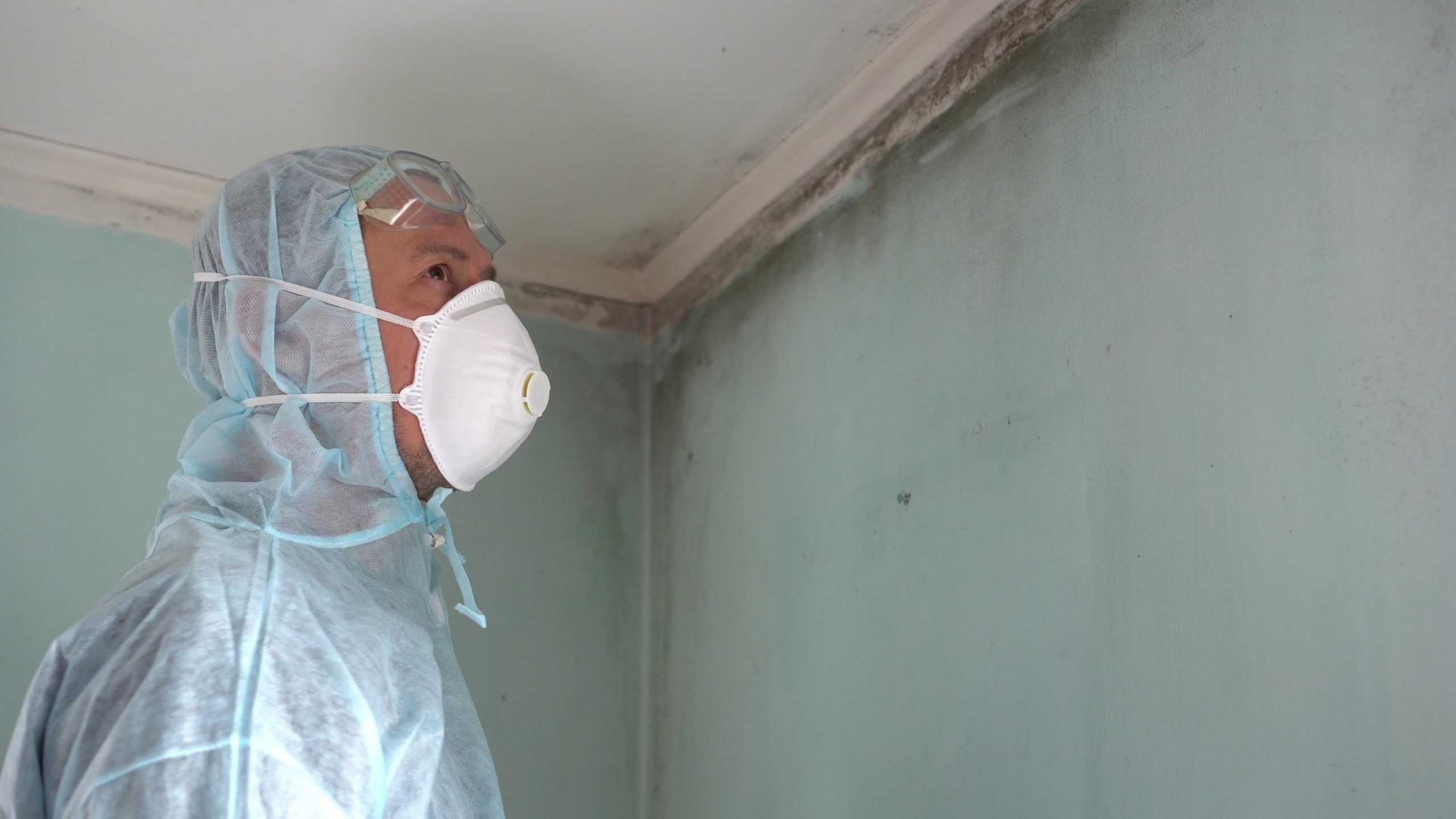
You get a certified inspector with over 10 years of experience who knows what to look for in Pennsylvania homes. Not a technician reading from a script someone who understands how Bucks County’s climate, soil, and building styles create specific vulnerabilities.
You get advanced detection tools that find mold even when it’s hidden. Thermal imaging shows temperature differences that indicate moisture behind walls. Moisture meters measure water content in materials that look dry on the surface. Air sampling captures spores you’re breathing but can’t see.
You get lab analysis from accredited facilities that can identify over 37,000 mold species. The report breaks down exactly what’s in your home, at what concentration, and whether those levels exceed EPA guidelines. That’s critical information if you’re dealing with health symptoms, preparing for a real estate transaction, or filing an insurance claim.
You also get clear recommendations. If the mold levels are normal, we’ll tell you. If they’re elevated, we’ll explain what needs to happen next and give you documentation you can share with remediation contractors, buyers, insurance adjusters, or healthcare providers. Nearly 47% of homes show visible mold or detectable odor so if you’re dealing with this, you’re not alone. But you do need accurate information to handle it right.
Most professional mold inspections in Cedar Park run between $300 and $600, depending on your home’s size and how many samples we need to collect. That includes the visual inspection, air and surface sampling, lab analysis, and a detailed report.
It’s not cheap. But compare that to guessing wrong. Small mold removal jobs cost $500 to $1,500. Moderate infestations that require tearing out drywall or flooring run $1,500 to $5,000. If you skip testing and hire a remediation company that also does the inspection, you’re trusting someone with a financial incentive to find problems and that’s exactly why some states have banned the practice.
Testing gives you unbiased information before you spend money on removal. It also gives you leverage if you’re buying a home and the seller needs to address mold before closing. And if you’re selling, a clean mold test can prevent deals from falling apart when buyers get cold feet over a musty basement.
An inspection is the visual assessment. We walk through your property, check for water damage, look for visible mold growth, and use tools like moisture meters to find hidden moisture. That tells us whether you likely have a problem and where it’s located.
Testing goes further. We collect air samples and surface samples, then send them to a lab for analysis. The lab identifies specific mold species and measures concentration levels. That’s important because not all mold is the same some species are more harmful than others, and concentration matters when you’re deciding whether remediation is necessary.
You can get an inspection without testing, but you won’t know exactly what you’re dealing with. You can’t get meaningful test results without an inspection, because we need to know where to sample. Most people in Cedar Park who are serious about understanding their mold situation do both. It’s the only way to get complete information.
The on-site inspection and sampling usually take one to two hours, depending on your property size and how many areas we’re testing. We’re thorough, but we’re not going to waste your time.
After we collect samples, the lab analysis takes three to five business days. Some labs offer rush services for an extra fee if you’re on a tight timeline like closing on a house or dealing with a tenant dispute.
Once we get the lab results, we put together your report and walk you through the findings. That usually happens within a week of your initial inspection. If you need results faster because of a real estate transaction or insurance claim, let us know upfront and we’ll do what we can to expedite things.
The whole process is designed to give you answers quickly, because mold doesn’t wait. Pennsylvania’s humidity means conditions are almost always right for growth. The faster you know what you’re dealing with, the faster you can address it.
You can buy DIY mold test kits at hardware stores for $10 to $50. They’ll tell you if mold is present, which isn’t particularly useful nearly half of all homes have detectable mold or mold odor. The real questions are what kind of mold, how much, and whether it’s a health risk. DIY kits don’t answer those questions.
Professional testing uses accredited labs that can identify specific species and measure concentration levels against EPA guidelines. We also know where to sample. Mold growth is rarely uniform it clusters in areas with moisture, poor ventilation, or hidden leaks. If you sample the wrong spot, you’ll get results that don’t reflect the actual problem.
The bigger issue is what happens after testing. If you find elevated mold levels, you need a plan. A professional inspection gives you documentation for insurance claims, real estate negotiations, and remediation contractors. It also gives you an unbiased assessment from someone who isn’t trying to sell you a removal service.
If you’re just curious, a DIY kit might satisfy that. If you’re making decisions that involve money, health, or property value, professional testing is worth the investment.
As soon as possible. Mold can start growing within 24 to 48 hours of water exposure. By the time you see visible growth or smell that musty odor, you’re already behind.
If you’ve had a leak, flood, or any significant water intrusion, get the area dried out immediately then schedule testing within a few days to make sure nothing’s growing in hidden spaces. Water can soak into wall cavities, under flooring, and inside HVAC ducts where it stays wet long after surface materials look dry.
This is especially important in Cedar Park and Bucks County, where clay-heavy soil and older home construction create conditions for water to seep into basements and crawl spaces. A small leak from an upstairs unit or a cracked foundation can turn into a mold problem overnight if the moisture doesn’t fully dry.
Testing after water damage also gives you documentation for insurance claims. If your carrier questions whether remediation is necessary, lab results showing elevated mold levels make it harder for them to deny coverage. Don’t wait until the problem becomes visible by then, remediation costs have already gone up.
Mold testing tells you what species are present and at what concentration. It doesn’t diagnose medical conditions that’s your doctor’s job. But it does give you and your healthcare provider important information to work with.
If you’re dealing with symptoms like persistent coughing, wheezing, headaches, or respiratory issues that don’t have another explanation, mold exposure could be a factor. Testing shows whether your indoor air quality is compromised and whether mold levels exceed safe thresholds. That’s useful context when you’re trying to figure out why you or your family members keep getting sick.
Some mold species are more likely to cause health problems than others. Lab analysis identifies exactly what’s growing in your home, which helps your doctor assess risk especially if someone in your household has asthma, allergies, or a compromised immune system.
Testing also gives you a baseline. If you remediate the mold and symptoms improve, you’ve likely found the cause. If symptoms persist, you know to keep looking elsewhere. Either way, you’re making decisions based on real data instead of guessing.
Other Services we provide in Cedar Park