
Hear from Our Customers
You can’t see most mold growth. It hides behind walls, under floors, in crawl spaces where moisture builds up over months without you knowing. By the time you spot visible growth, the problem is already expensive.
Professional mold testing gives you actual data. You’ll know which mold species are present, their concentration levels, and whether your indoor air quality poses health risks. That matters when you’re protecting a $369,000+ investment and your family’s respiratory health.
The difference between guessing and knowing is documentation. Lab results tell you if that musty smell is surface mildew or something that requires immediate remediation. They show insurance companies you have a legitimate claim. They give you leverage during real estate transactions instead of letting buyers walk away or demand massive price cuts.
Most importantly, testing catches problems early. Finding elevated mold spore counts before visible growth appears saves you from $10,000+ remediation bills down the road.
We’ve spent over 15 years handling mold issues specific to Bucks County homes. We know how Pennsylvania’s humidity affects basements in Andorra. We’ve seen what happens to crawl spaces during wet seasons. We understand which construction styles in your neighborhood are most vulnerable to moisture intrusion.
That local experience means we know exactly where to look in homes like yours. We’re not following a generic checklist we’re applying what we’ve learned from hundreds of Andorra properties to find problems other inspectors miss.
You’re working with a family business that answers calls 24/7, not a franchise that routes you through corporate. Our 5.0 rating reflects how we actually treat people, and our free inspections mean you can get answers without financial pressure.
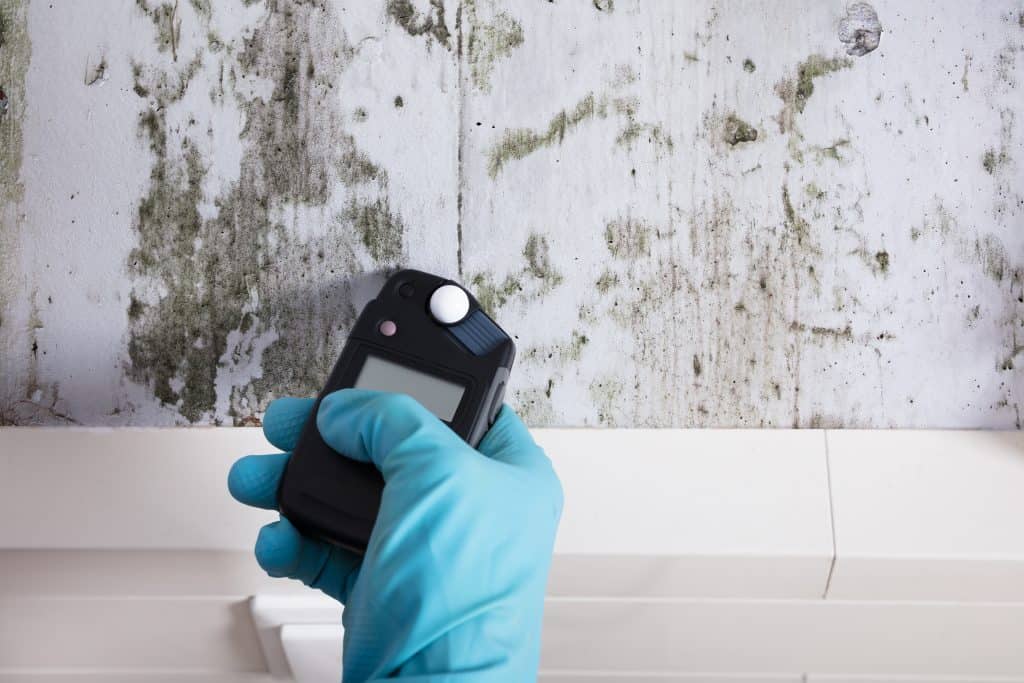
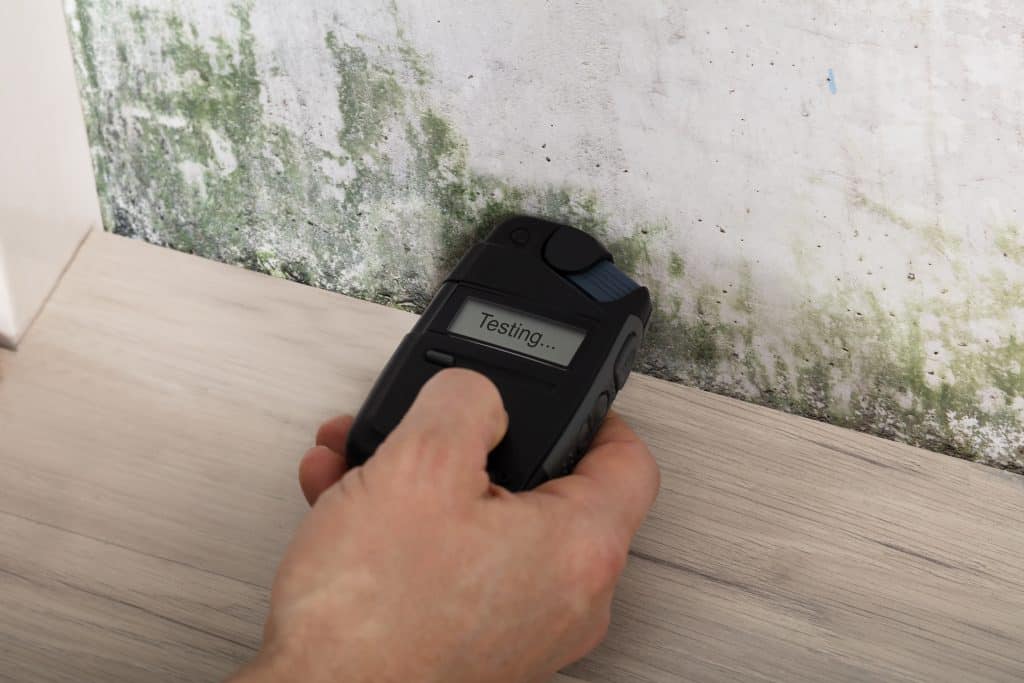
We start with a visual inspection using thermal imaging cameras and moisture meters. These tools identify temperature variations and elevated humidity levels that indicate potential mold growth even in areas you can’t easily access like inside walls or above ceilings.
Next comes air sampling. We collect air samples from multiple rooms to measure airborne mold spore concentrations. This catches hidden mold that hasn’t produced visible growth yet. We also take surface samples from suspicious areas to identify specific mold species through lab analysis.
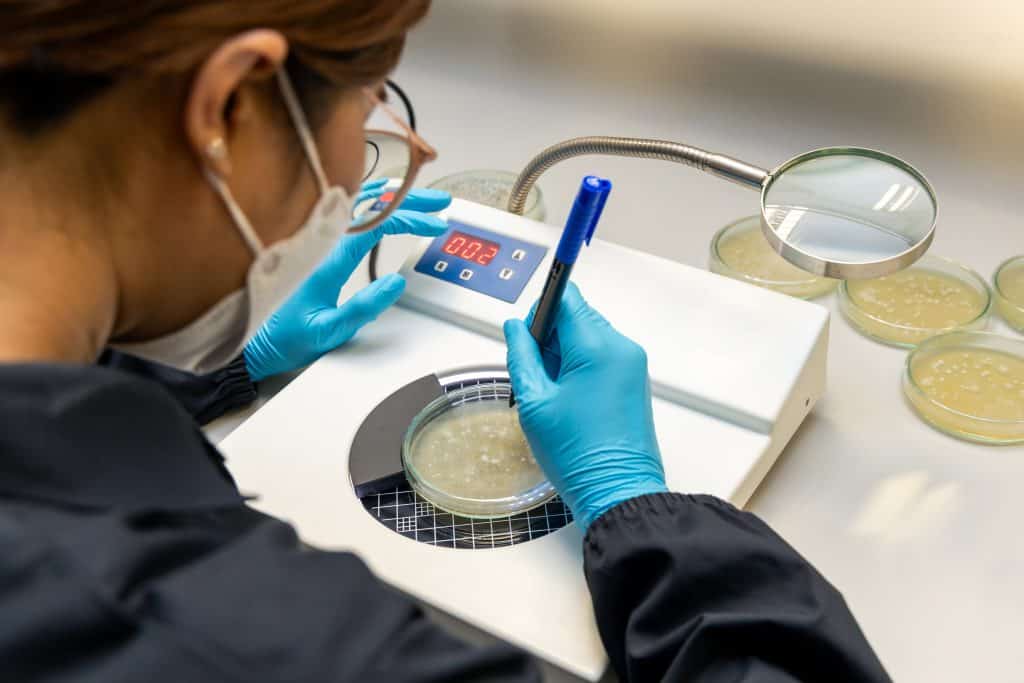
Your samples go to certified laboratories that specialize in mold identification. They analyze spore types, measure concentration levels, and determine whether counts exceed safe thresholds. Lab results typically take 3-7 business days depending on test complexity.
You receive a comprehensive report that includes lab findings, photographs from the inspection, moisture readings from affected areas, and our professional interpretation. We explain what the data means in plain language, which areas need attention, and what your next steps should be. No confusing jargon, no upselling just clear information about your specific situation.

Ready to get started?
Your mold testing includes thermal imaging scans of walls, ceilings, and floors to map moisture patterns. We use digital moisture meters to measure humidity levels in building materials. These readings tell us if conditions support active mold growth or if you’re at risk for future contamination.
Air sampling captures spores from your indoor environment. This matters in Andorra because Bucks County’s climate creates perfect breeding grounds for mold around windows, in basements, and near HVAC systems. Pennsylvania ranks in the top 60% of states for mold susceptibility, and Philadelphia specifically shows up as No. 85 among cities where residents face the highest mold exposure risks.
Surface sampling from visible growth or suspicious stains identifies exact mold species. That’s critical because some molds cause minor allergies while others trigger severe respiratory problems. Lab analysis distinguishes between common household molds and species that require immediate professional remediation.
You also get documentation suitable for insurance claims, real estate transactions, or health consultations. Many homeowners discover their unexplained headaches, respiratory issues, or persistent allergies stem from mold exposure and proper testing provides the evidence doctors and insurers need to take action.
Most professional mold inspections in Bucks County range from $300 to $600 depending on your home’s size and how many samples we collect. A typical 2,000 square foot home with standard air and surface sampling falls around $400-$450.
That cost includes the on-site inspection with thermal imaging and moisture detection, sample collection, certified laboratory analysis, and a detailed report with our professional recommendations. Some companies charge separately for each service, but we provide transparent pricing upfront.
We offer free initial inspections to assess your situation before you commit to full testing. Many homeowners find that early detection through professional testing saves them $5,000-$15,000 compared to discovering extensive contamination later. Insurance may cover testing costs if mold relates to a covered water damage claim, and we can help you understand your policy options.
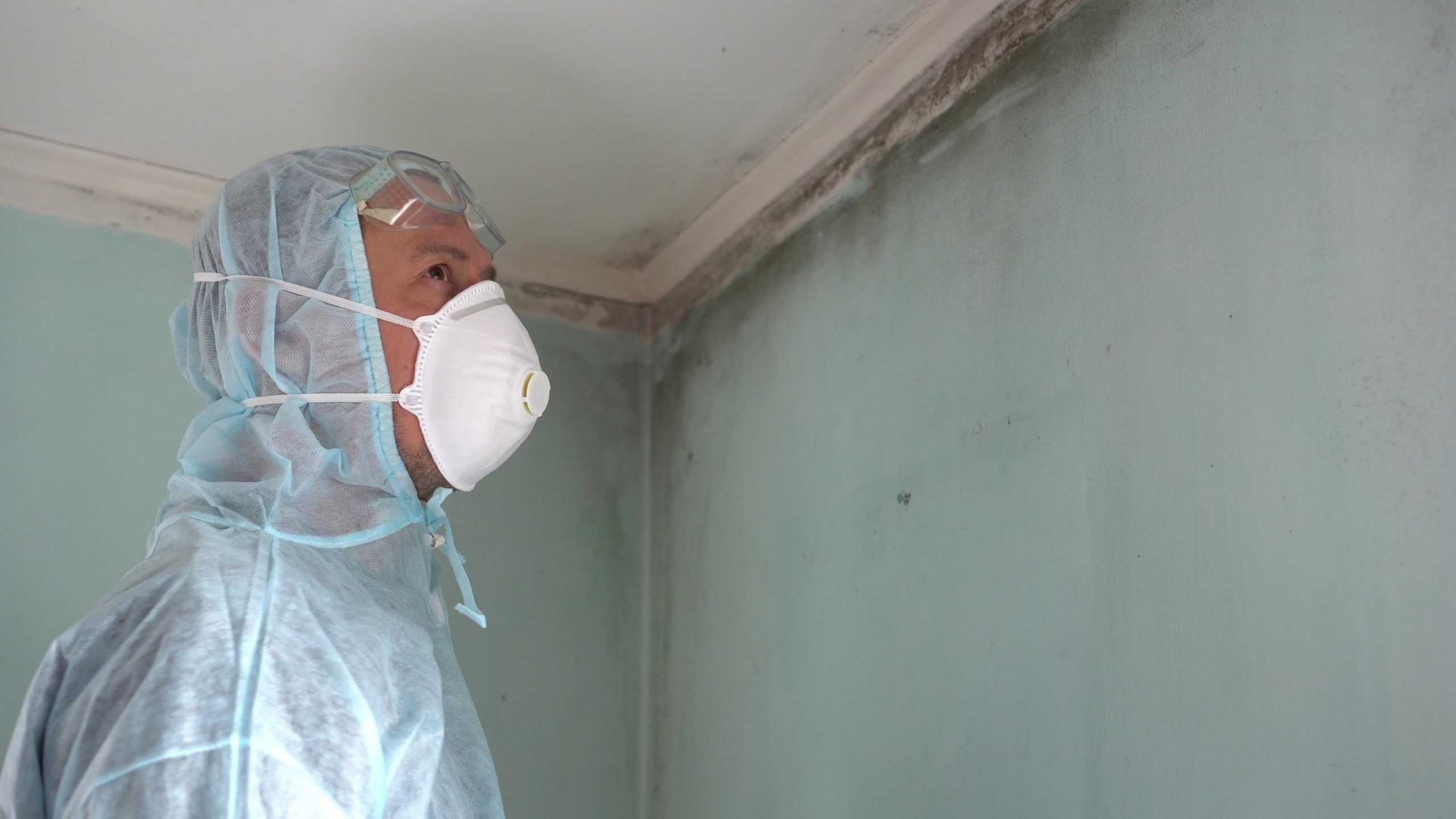
Mold inspection is the visual assessment where we examine your property for signs of mold growth, moisture problems, and conditions that support contamination. We use thermal cameras and moisture meters to identify problem areas, but we’re not collecting samples for lab analysis yet.
Mold testing involves collecting actual samples either air samples or surface samples and sending them to certified laboratories for species identification and concentration measurement. Testing gives you specific data about what types of mold are present and whether levels exceed safe thresholds.
Most homeowners need both. The inspection finds where problems exist or might develop. Testing confirms what’s actually growing and how serious the contamination is. Together, they provide complete information for making decisions about remediation, insurance claims, or real estate transactions. We typically recommend starting with inspection, then adding testing for areas where we find concerning conditions or visible growth.
Air sampling is particularly effective at finding hidden mold because it captures spores that have become airborne from concealed colonies. Even if mold grows behind drywall or under flooring, spores typically enter the air where our equipment detects them during laboratory analysis.
We also use thermal imaging cameras that identify temperature variations and moisture patterns inside walls without cutting holes. These cameras show us exactly where moisture accumulates and where moisture exists, mold likely follows. Elevated moisture readings combined with high airborne spore counts strongly indicate hidden growth.
In some cases, we recommend invasive inspection where we create small access points to visually confirm mold presence before major remediation begins. That’s especially common in Andorra homes with older construction or properties that have experienced water damage. The goal is giving you certainty about what’s actually there, not just suspicion based on musty odors or unexplained health symptoms.
Laboratory results typically take 3-7 business days from when we collect samples. The exact timeframe depends on which tests we’re running and the lab’s current workload, but we work with certified laboratories that prioritize residential testing.
Air sample analysis usually comes back within 3-5 days. These tests measure spore concentrations and identify common mold species in your indoor environment. Surface sample analysis can take 5-7 days because labs need time to culture samples and identify specific species through microscopic examination.
We contact you as soon as results arrive and schedule a consultation to review findings. You’ll receive a written report with lab data, our professional interpretation, and clear recommendations for next steps. If testing reveals urgent contamination that poses immediate health risks, we prioritize those results and contact you within 24-48 hours. Most situations aren’t emergencies, but when they are, you’ll know quickly.
Absolutely. Mold problems can reduce property values by 20-37% and cost $3,000-$20,000 to remediate if contamination spreads. Finding mold during inspection gives you negotiating leverage to reduce the purchase price, require seller remediation, or walk away before you’re financially committed.
Pennsylvania homes face significant mold risk due to regional humidity and climate conditions. Andorra properties especially those with basements, crawl spaces, or older construction are particularly vulnerable. Many buyers discover mold after closing and face unexpected costs that could have been avoided with pre-purchase testing.
Standard home inspections don’t include mold testing. Inspectors note visible growth or moisture concerns, but they don’t collect samples or measure spore concentrations. Professional mold testing provides the documentation you need to make informed decisions about a $369,000+ investment. We’ve seen too many new homeowners dealing with contamination that existed before purchase testing protects you from inheriting someone else’s mold problem.
Air sampling combined with surface sampling provides the most complete picture. Air samples measure airborne spore concentrations throughout your home, catching both visible and hidden mold. Surface samples identify specific species growing on walls, floors, or other materials.
We use spore trap air sampling, which captures mold spores on a collection device that labs analyze under microscopes. This method identifies species and counts concentrations in each room. We compare your indoor levels to outdoor baseline samples elevated indoor counts indicate active growth somewhere in your home.
For surface sampling, we use tape lifts or swabs from suspicious areas. Labs culture these samples to identify exact mold species and determine if you’re dealing with common household molds or more concerning varieties like Stachybotrys (black mold). Thermal imaging and moisture meters support these sampling methods by showing us exactly where to collect samples for most accurate results. The combination of technologies gives you reliable data, not guesswork.
Other Services we provide in Andorra