

Hear from Our Customers
You stop waking up with a scratchy throat. Your kids aren’t coughing every morning. That musty smell in the basement finally disappears.
Real mold removal means you’re not just scrubbing visible spots and hoping for the best. You’re getting rid of what’s behind the walls, under the floors, and inside the HVAC system where mold hides and spreads. The air in your home gets cleaner. Your allergies calm down. You stop wondering if that dark patch is going to grow back next month.
When the moisture source gets fixed and the contamination gets removed properly, you’re not dealing with the same problem six weeks later. You’re done with it. That’s what matters—not a temporary fix, but a home that stays mold-free because the root cause got handled the first time.
We’ve been helping homeowners in Warwick, PA and throughout Bucks County deal with mold problems for years. We’re IICRC certified, which means our team follows the highest standards for inspection, containment, and remediation.
We know the homes around Street Road. We’ve seen what happens when older properties deal with humidity from being close to the Delaware River. We’ve responded to water damage after Bensalem’s heavy spring rains. Warwick’s seasonal temperature swings and older housing stock create the exact conditions where mold thrives—and we’ve handled just about every scenario.
You’re working with people who understand local construction, local weather patterns, and what it takes to get mold out of a Warwick home permanently.

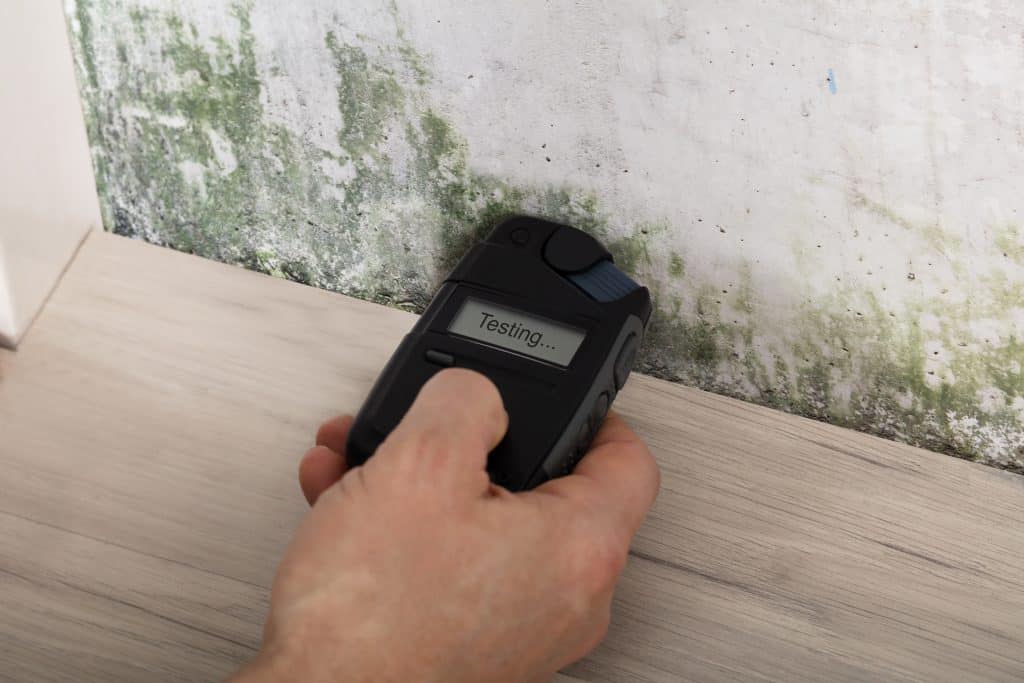
First, we inspect your property with moisture meters and infrared cameras. That tells us where the mold is growing, how far it’s spread, and what’s feeding it. You can’t fix a mold problem if you don’t know why it’s there.
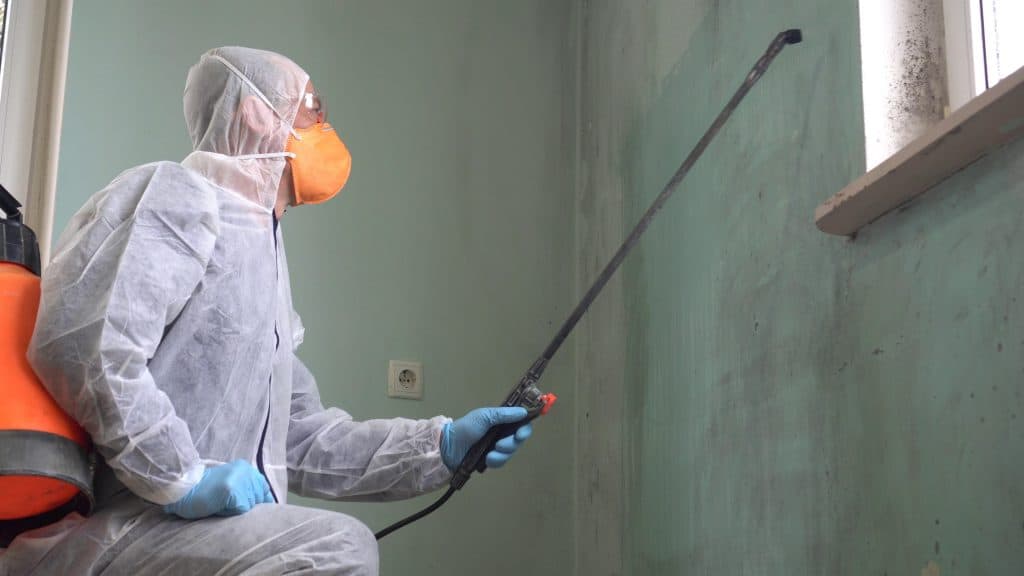
Next, we contain the affected area with physical barriers and negative air pressure systems. That keeps mold spores from spreading to clean parts of your home while we work. Then we remove contaminated materials—drywall, insulation, flooring, whatever can’t be saved—and treat surfaces with antimicrobial solutions.
We run air scrubbers to filter out airborne spores. We fix the moisture issue, whether that’s repairing a leak, improving ventilation, or installing a dehumidifier. After everything’s cleaned and dried, we conduct post-remediation testing to confirm the job’s complete. Most residential projects take one to five days depending on the extent of contamination. You’ll know the timeline upfront, and we’ll walk you through every step before we start.
Ready to get started?
You get a free inspection to assess the full scope of the problem. We test for mold, identify moisture sources, and give you an upfront estimate before any work begins. No surprises.
The remediation process includes containment, removal of contaminated materials, antimicrobial treatment, air filtration, and verification testing. If mold damage requires replacing drywall or flooring, we handle reconstruction too. You’re not left with a half-finished job.
We work directly with your insurance company to help with claims and documentation. Many homeowners insurance policies cover mold removal when it’s caused by a covered event like a burst pipe or storm damage. In Warwick and Bucks County, most projects run between $1,200 and $3,400 depending on the size and severity. Small bathroom issues might cost $500 to $1,500. Extensive problems requiring wall removal and HVAC cleaning can reach $5,000 or more.
We’re available 24/7 for emergencies. If you’ve got a flooding situation or sudden water damage, we can start containment right away. Mold can begin forming within 24 to 48 hours when conditions are right, so fast response matters.
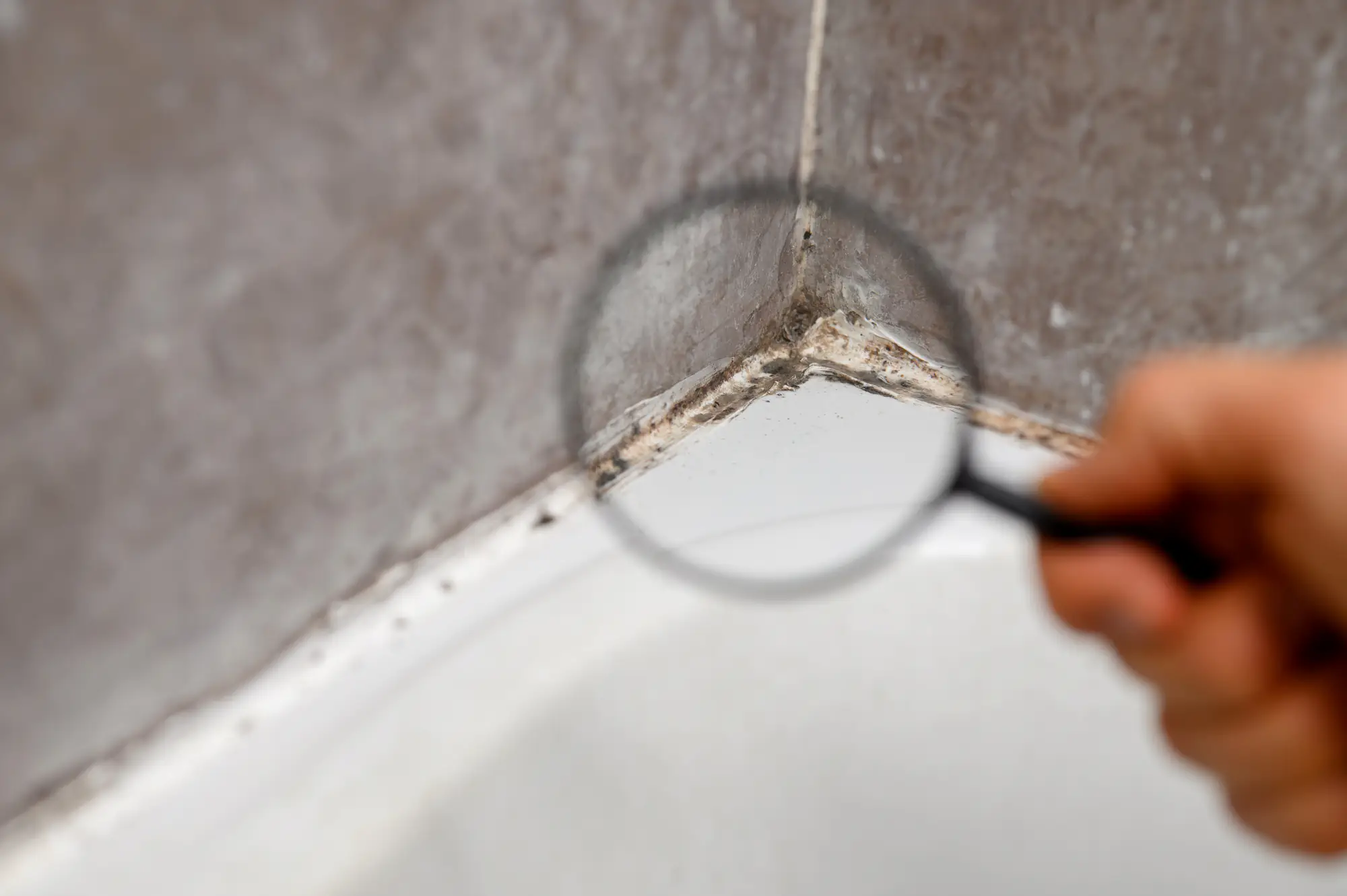
If the affected area is larger than 10 square feet, you need professional help. That’s the guideline from the EPA. Anything bigger than that means you’re dealing with contamination that’s likely spread beyond what you can see.
You also need professionals if mold is inside your walls, under flooring, or in your HVAC system. DIY cleaning only works on hard, non-porous surfaces where mold hasn’t penetrated. If you’ve got drywall, insulation, or carpet involved, those materials usually need to be removed and replaced—not just wiped down.
Here’s the other thing: if you clean mold and it keeps coming back, that’s a sign there’s a deeper moisture problem you’re not addressing. Scrubbing the surface won’t fix a leaky pipe, poor ventilation, or basement humidity. Without fixing the source, you’re wasting time. Professional mold removal identifies why mold is growing in the first place and eliminates that cause so it doesn’t return.
Mold exposure can trigger allergic reactions, respiratory issues, and asthma attacks. Common symptoms include sore throat, runny or stuffy nose, itchy eyes, coughing, headaches, fatigue, trouble breathing, and skin rashes. If you or your family members have these symptoms and they improve when you leave the house, mold could be the cause.
People with asthma, allergies, or weakened immune systems are more vulnerable. Kids and elderly family members are also at higher risk. Black mold—technically called Stachybotrys chartarum—produces mycotoxins that can cause more serious health effects, especially with prolonged exposure.
If you’re experiencing persistent health symptoms that don’t have another clear explanation, and you’ve noticed musty smells or visible mold growth in your home, get an inspection. You might not see mold, but if your house smells moldy or your symptoms line up, there’s likely hidden contamination somewhere. Don’t wait until health problems get worse—mold doesn’t improve on its own.
Most residential mold removal projects take one to five days. A simple surface mold issue in a bathroom can be done in a day. Basement or attic remediation typically takes two to three days. Complex situations involving multiple rooms, extensive contamination, or structural repairs can take a week or longer.
During the process, we seal off the work area with plastic barriers and set up negative air pressure to prevent spores from spreading. You’ll hear air scrubbers running—they’re filtering the air continuously. Depending on the location and extent of mold, you may need to stay out of certain areas while we work. We’ll let you know upfront if you need to make other arrangements.
After removal and cleaning, materials need time to dry completely. We don’t rush that step because moisture is what caused the problem in the first place. Once everything’s dry and treated, we run post-remediation tests to verify air quality is back to normal. You’ll get documentation showing the work is complete and your home is safe.
It depends on what caused the mold. Most homeowners insurance policies cover mold removal if it resulted from a covered peril—like a burst pipe, storm damage, or sudden water intrusion. If mold developed because of long-term neglect, poor maintenance, or ongoing moisture issues you didn’t address, insurance typically won’t cover it.
The key is acting fast. If you have a water damage event, document it immediately and start the remediation process. Insurance companies want to see that you took reasonable steps to prevent further damage. Waiting weeks to address water damage can give insurers a reason to deny your claim.
We work with insurance companies regularly and can help with documentation, photos, and the claims process. We’ll provide detailed reports and communicate directly with your adjuster to make things easier. Many of our clients in Bucks County have had mold removal covered when the cause was sudden and accidental. Call your insurance company as soon as you discover the problem, and let us know you’re filing a claim—we’ll coordinate from there.
Mold removal and mold remediation are often used interchangeably, but technically remediation is the more accurate term. You can’t remove every single mold spore from a building—mold spores are everywhere in the environment. Remediation means bringing mold levels back to normal, safe levels and eliminating the conditions that allowed overgrowth.
Real remediation involves more than just cleaning visible mold. It includes identifying the moisture source, fixing that problem, removing contaminated materials that can’t be salvaged, treating affected surfaces, and verifying through testing that contamination is gone. If someone just sprays bleach on mold and calls it done, that’s not remediation—that’s surface cleaning, and the mold will come back.
In Warwick’s humid climate and with the area’s older homes, the distinction matters. You need a process that addresses why mold grew in the first place. Otherwise, you’re paying for the same job twice. Professional mold remediation means the problem gets solved, not covered up.
Control moisture. That’s the entire answer. Mold needs moisture to grow, so if you keep humidity below 60% and fix water problems immediately, mold won’t come back.
Use dehumidifiers in basements and crawl spaces, especially during Warwick’s humid summer months. Make sure bathrooms and kitchens have proper ventilation—run exhaust fans during and after showers. Fix leaks as soon as you notice them. Check areas around windows, pipes, and roofs regularly for signs of water intrusion.
If you’ve had mold remediation done properly, the moisture source should already be fixed. But you still need to stay on top of maintenance. Clean gutters so water doesn’t back up and seep into your home. Make sure your property drains away from the foundation. If you notice condensation on windows or walls, that’s a sign humidity is too high—address it before mold starts growing again. Prevention is straightforward: keep things dry, and mold doesn’t stand a chance.
Other Services we provide in Warwick