
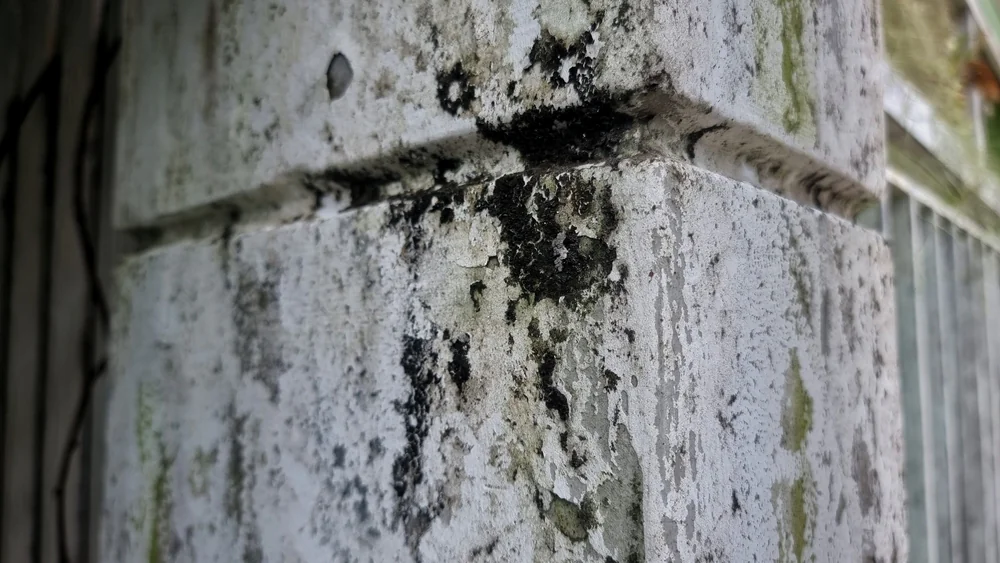
Hear from Our Customers
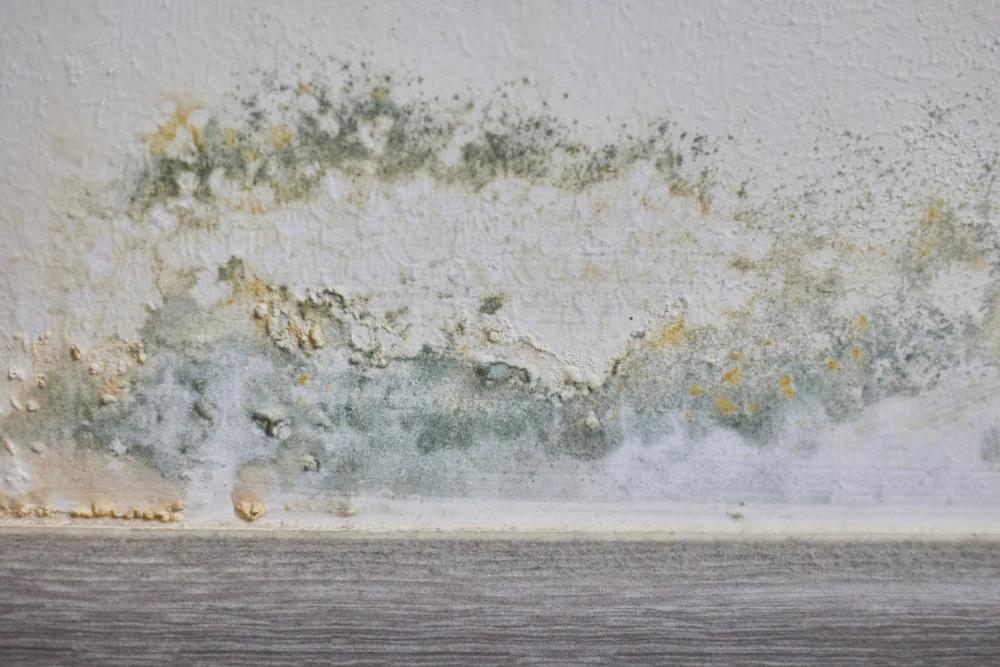
Mold doesn’t just look bad. It triggers allergies, causes respiratory issues, and can derail a home sale faster than anything else in Bucks County real estate.
When you address mold the right way, you’re not just cleaning surfaces. You’re improving your indoor air quality, reducing health risks for your family, and protecting one of your biggest investments. That means fewer allergy symptoms, better sleep, and confidence that your home environment is actually safe.
The difference between temporary fixes and real mold mitigation comes down to one thing: finding and fixing the moisture source. Without that, you’re just cleaning up the same problem over and over. With it, you’re done.
We’ve been handling mold problems in Warwick and throughout Bucks County for years. We’re not a national franchise following a script. We’re local professionals who understand exactly how this area’s humid summers and damp winters create year-round moisture challenges in basements, attics, and crawl spaces.
Our team uses EPA-approved methods and state-of-the-art detection equipment to find mold you can see and mold you can’t. We’re certified, insured, and focused on doing the job right the first time. That means identifying the source, removing the contamination safely, and making sure it doesn’t come back.
You get straight answers, transparent pricing, and a team that shows up when we say we will.
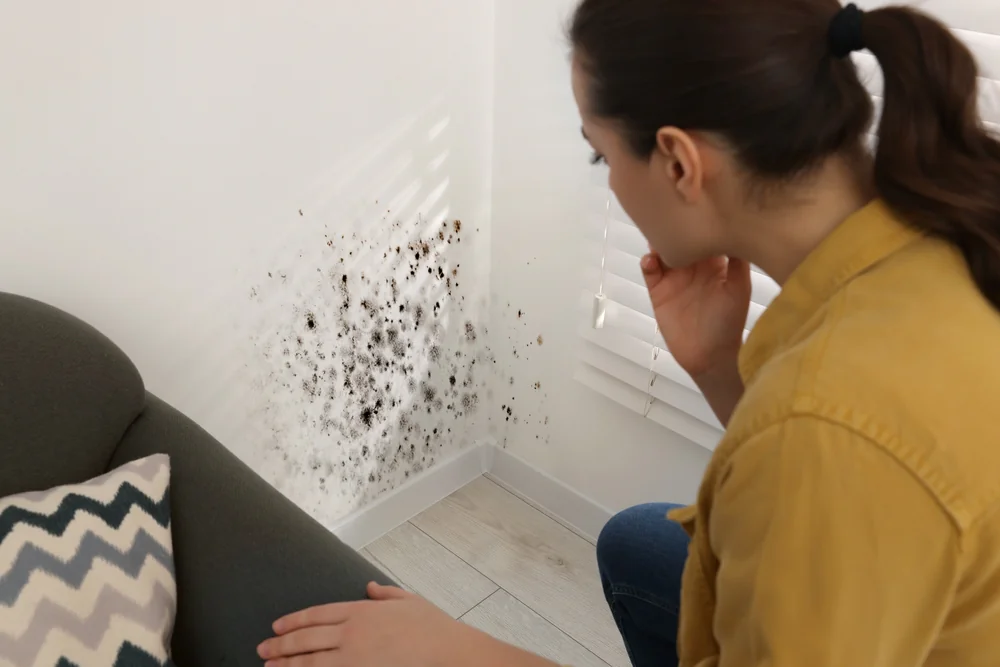
First, we inspect your property thoroughly. That includes visible areas and hidden spaces where mold loves to grow—behind walls, under floors, in attics and crawl spaces. We use moisture meters and thermal imaging to find the source of the problem, not just the symptoms.
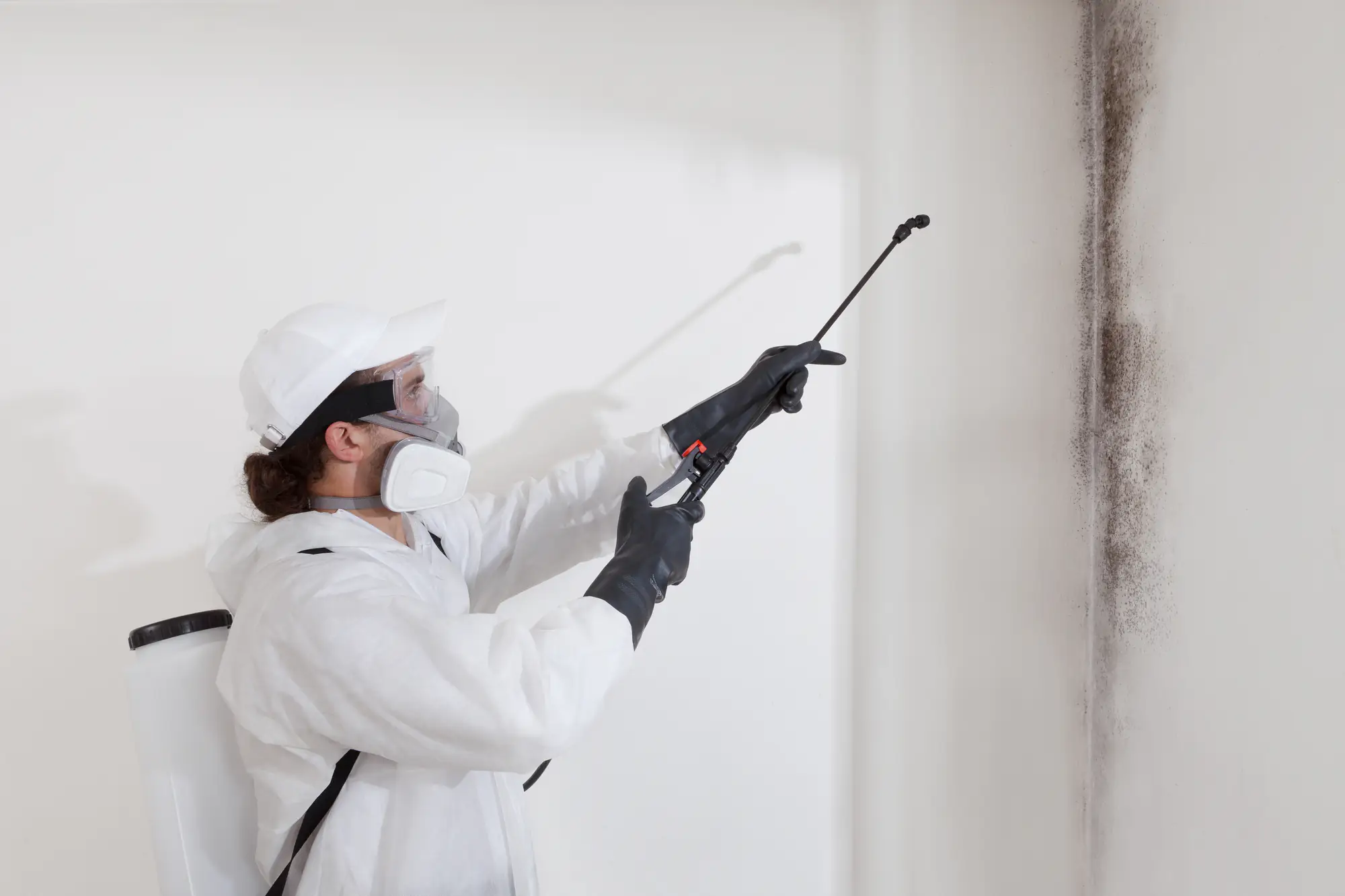
Once we know what we’re dealing with, we contain the affected area to prevent mold spores from spreading during removal. Then we remove contaminated materials safely, clean and treat surfaces with antimicrobial solutions, and dry everything completely. This isn’t about masking the issue. It’s about eliminating it.
After removal, we address the moisture problem that caused the mold in the first place. That might mean fixing a leak, improving ventilation, or recommending dehumidification. Without this step, mold will just come back. We also provide guidance on preventing future growth, specific to your home and Warwick’s climate.
Ready to get started?
You get a free inspection with no obligation. We assess the extent of the mold growth, identify the moisture source, and give you a clear estimate before any work begins. No surprises, no upselling.
Our mold mitigation services include containment to prevent cross-contamination, safe removal of affected materials, HEPA filtration during the process, antimicrobial treatment, and complete drying. We also handle the source—whether that’s a plumbing leak, poor ventilation, or water intrusion from Warwick’s heavy spring rains.
We work with your insurance company if your policy covers mold damage. Many homeowners don’t realize their insurance may help, especially if the mold resulted from a covered event like a burst pipe. We’ll walk you through that process and provide the documentation your insurer needs.
You also get maintenance recommendations tailored to your specific situation. Warwick homes face unique challenges—older basements, high humidity, and seasonal moisture swings. We’ll tell you exactly what to watch for and how to keep mold from returning.
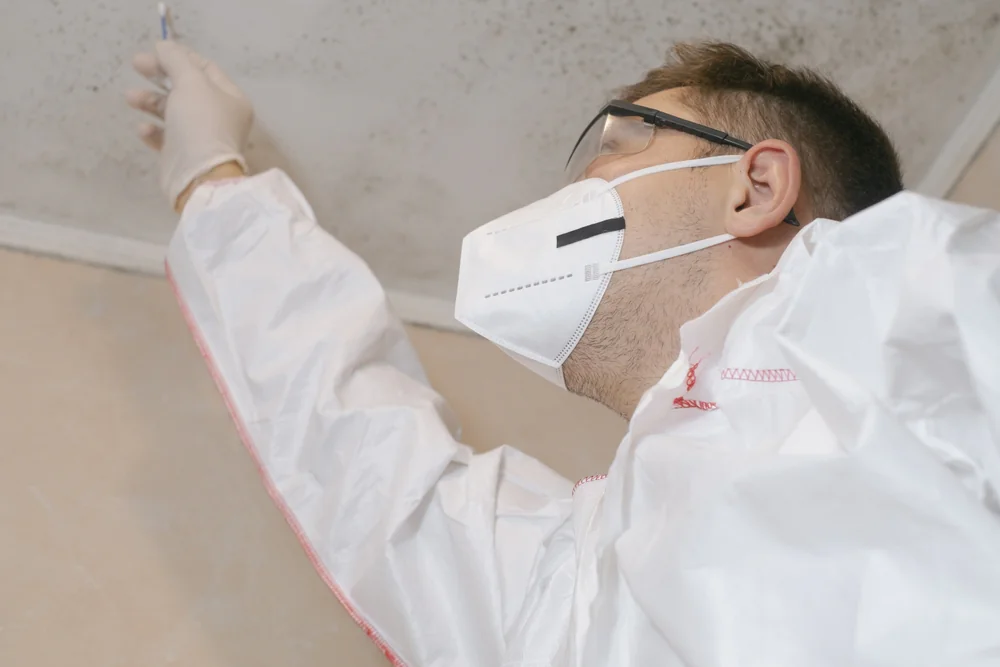
Mold can start growing within 24 to 48 hours after water exposure, especially in Bucks County’s humid climate. That’s why speed matters when you’re dealing with any kind of water damage—a burst pipe, roof leak, or even a flooded basement after heavy rain.
The longer moisture sits, the more extensive the problem becomes. What starts as a small patch behind a wall can spread throughout your HVAC system, into insulation, and across multiple rooms. In Warwick’s warm, moist conditions during spring and summer, that timeline can be even faster.
If you’ve had recent water damage, don’t wait to see if mold appears. By the time you can see it or smell it, the problem is already established. A professional inspection catches it early, when mitigation is simpler and less expensive.
Mold removal focuses on cleaning up visible mold. Mold mitigation goes further—it addresses the underlying moisture problem that caused the mold in the first place, and it includes steps to prevent it from returning.
Think of it this way: you can scrub mold off a basement wall, but if you don’t fix the humidity issue or the foundation leak, you’ll be scrubbing that same wall again in six months. Mitigation means identifying the source, removing the contamination safely, fixing the moisture problem, and giving you a plan to keep it from happening again.
In Warwick, where humidity and older home construction create perfect conditions for mold growth, mitigation is the only approach that actually works long-term. Anything less is just temporary.
Small surface mold—like a little mildew on a bathroom tile—you can usually handle yourself with proper cleaning products and ventilation. But if you’re dealing with black mold, mold covering more than a few square feet, or mold that’s spread into walls, insulation, or HVAC systems, you need professionals.
Here’s why: DIY mold removal often makes things worse. Disturbing mold without proper containment spreads spores throughout your home. Without the right equipment, you can’t see hidden growth or measure moisture levels accurately. And if you don’t address the source, you’re just cleaning up the same problem repeatedly.
Professional mold mitigation includes containment, HEPA filtration, antimicrobial treatment, proper disposal of contaminated materials, and source identification. We also know how to work safely—black mold exposure can cause serious respiratory issues, especially during removal when spore counts spike. For anything beyond minor surface mold, the cost of doing it right the first time is worth it.
Mold mitigation costs vary based on the extent of the contamination, the location of the mold, and what’s required to fix the moisture source. A small bathroom mold issue might cost a few hundred dollars. Extensive basement mold with structural repairs can run several thousand.
Most Warwick homeowners pay between $1,500 and $4,000 for professional mold mitigation, but every situation is different. The size of the affected area matters. So does accessibility—mold in a crawl space costs more to remediate than mold on an exposed wall. If we need to remove drywall, insulation, or flooring, that adds to the cost.
We provide free inspections and clear estimates before any work begins. You’ll know exactly what you’re paying for and why. Many homeowners are also surprised to learn their insurance may cover mold mitigation if it resulted from a covered event like a pipe burst. We’ll help you navigate that process and provide documentation for your claim.
Mold won’t come back if the moisture problem is fixed. That’s the whole point of mitigation versus just removal. We don’t just clean up what you can see—we find the source of the moisture and address it so mold can’t regrow.
If you have a basement that floods every spring, mold will return unless you fix the drainage or waterproofing issue. If your attic has poor ventilation and condensation problems, mold will keep appearing until airflow improves. If there’s a slow plumbing leak behind a wall, mold will thrive until that leak is repaired.
After mitigation, we give you specific maintenance recommendations for your home. That might include running a dehumidifier during Warwick’s humid summer months, improving bathroom ventilation, or monitoring areas that are prone to moisture. Follow those guidelines, and mold won’t be a recurring problem.
Hidden mold usually shows up through indirect signs before you actually see it. Musty odors are the most common indicator—if a room smells earthy or damp even when it looks clean, there’s likely mold growing somewhere out of sight. You might also notice increased allergy symptoms, respiratory issues, or unexplained headaches that improve when you leave the house.
Water stains, discoloration, or peeling paint on walls and ceilings can signal moisture problems and hidden mold growth. Warping or buckling floors, especially in basements or near bathrooms, often mean water damage and potential mold underneath. High humidity levels—consistently above 60%—create conditions where mold thrives behind walls, under floors, and in attics.
A professional mold inspection uses moisture meters, thermal imaging, and air quality testing to find hidden growth. We check areas you can’t easily access: inside walls, under flooring, in HVAC ducts, and in crawl spaces. If you suspect hidden mold, don’t ignore it. The longer it grows undetected, the more damage it causes and the more expensive mitigation becomes.
Other Services we provide in Warwick