

Hear from Our Customers
You walk into your home and breathe easily. No more musty odors that make you wonder what’s growing behind your walls. No more headaches, sinus issues, or that nagging worry about what the air in your house is doing to your family’s health.
Your basement doesn’t smell like a damp cave anymore. Your attic isn’t a breeding ground for problems you can’t see. The humidity issues that created this mess in the first place? Fixed at the source.
You have peace of mind because professionals who actually know what they’re doing handled every step. From the initial testing that found mold where you never would have looked, to the containment that kept spores from spreading during removal, to the moisture control that prevents it from coming back.
We’ve been handling mold issues in Solebury and throughout Bucks County for years. We understand how this area’s climate works against homeowners—the humid summers, the temperature swings, the way moisture gets trapped in basements and crawls into wall cavities around windows.
We’ve seen what happens when well-meaning contractors try to “fix” mold without understanding the science behind it. Spores spread. Problems get worse. Money gets wasted. That’s why we’re certified through MICRO, follow EPA guidelines, and use independent lab testing to know exactly what we’re dealing with before we start.
When you call us, you’re getting technicians who’ve solved these problems hundreds of times in homes just like yours.

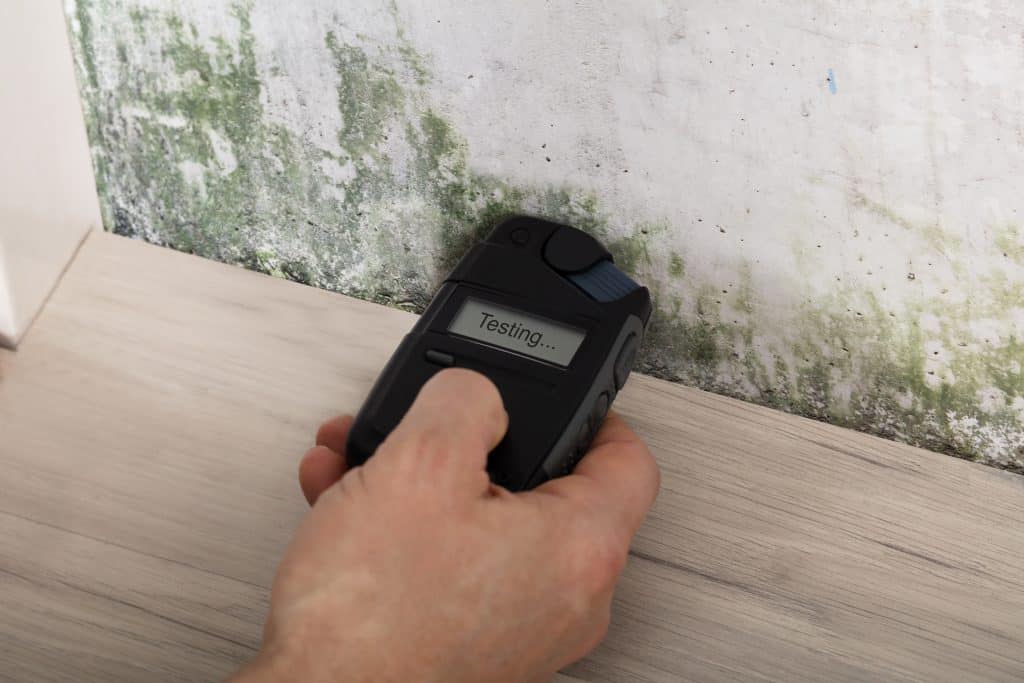
First, we test to find out what’s really happening in your home. Not just the mold you can see, but what’s growing behind walls, in air ducts, places most people never think to check. We use moisture detection equipment and air sampling that gets sent to an independent certified lab.
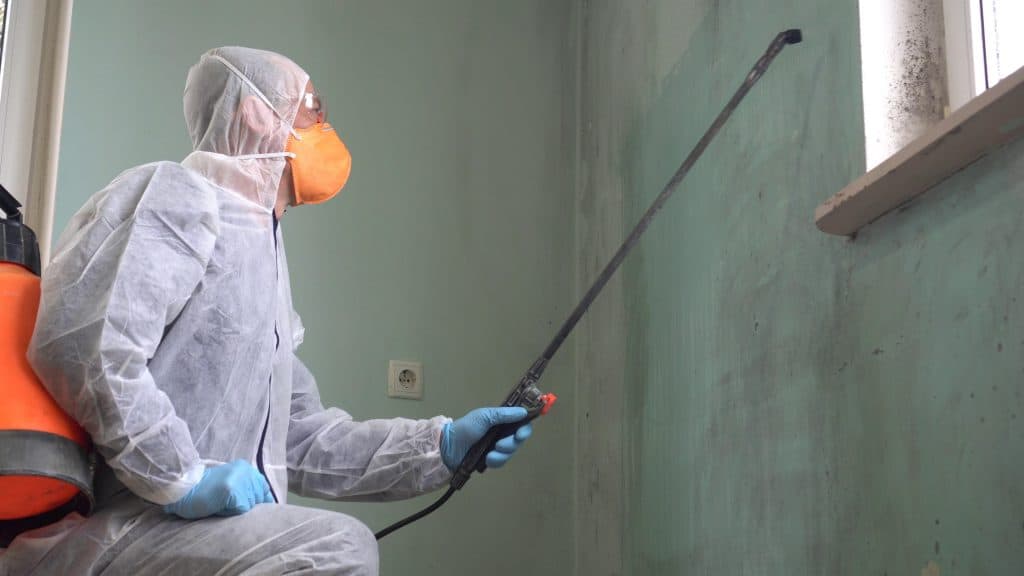
Once we know what we’re dealing with, we contain the affected areas so spores don’t spread during removal. Then comes the actual remediation—HEPA vacuums that capture particles down to 0.3 microns, antimicrobial treatments, and removal of contaminated materials that can’t be saved.
But here’s the part that matters most: we find and fix the moisture source that caused the problem. Leaky pipes, poor ventilation, humidity issues, condensation around windows—whatever created the environment for mold to grow gets addressed. Otherwise, you’re just paying to remove mold that’s going to come back.
Ready to get started?
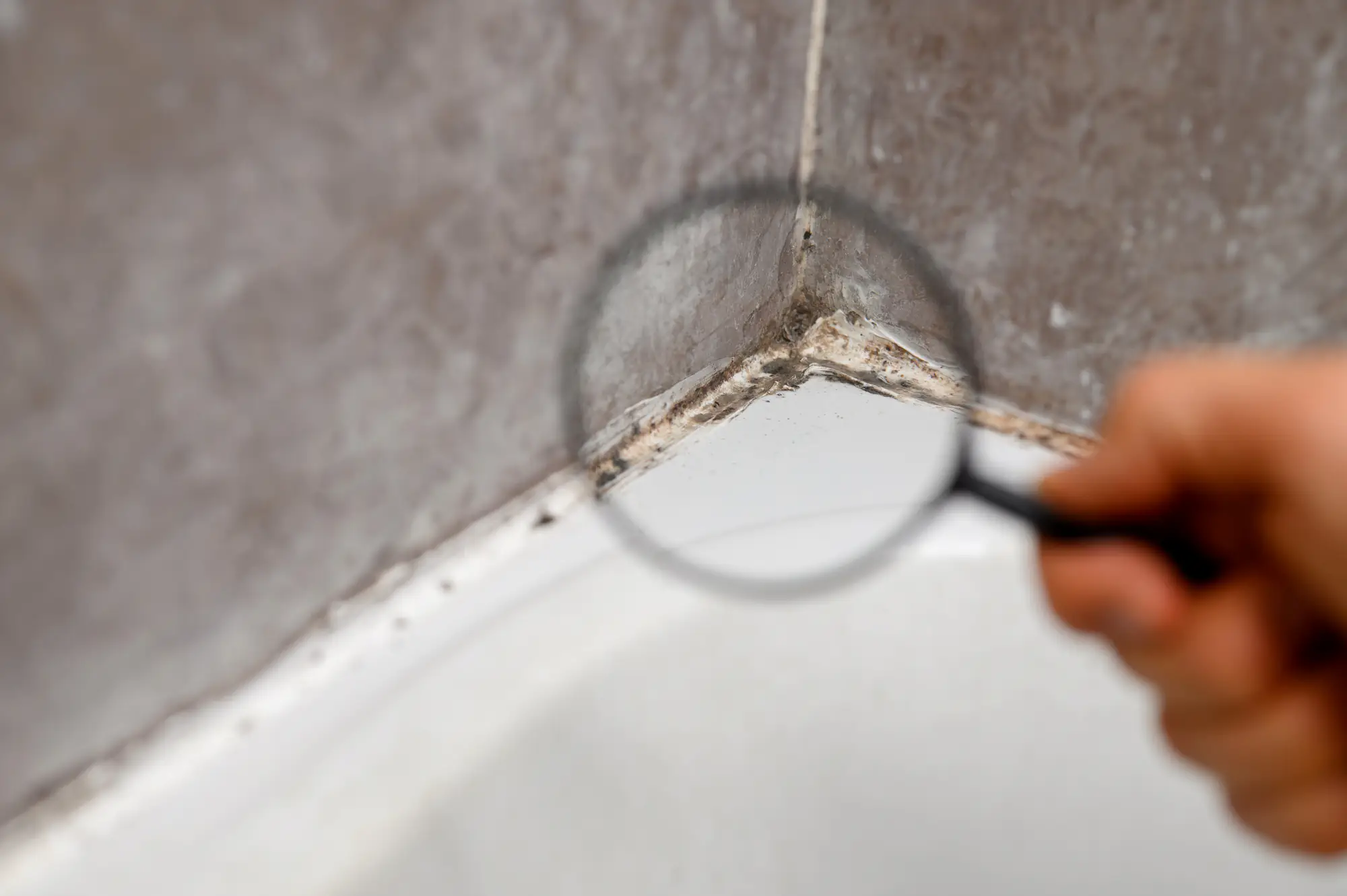
Complete mold inspection using advanced moisture detection and thermal imaging. Air quality testing that identifies airborne spores you can’t see. Surface sampling from areas where mold might be hiding. All testing goes to independent certified labs—not some in-house setup that might have conflicts of interest.
Professional containment during removal so spores don’t spread to clean areas of your home. HEPA filtration systems that capture microscopic particles. Antimicrobial treatments that eliminate mold at the source. Removal and proper disposal of contaminated materials following Pennsylvania environmental regulations.
In Solebury specifically, we see a lot of basement moisture issues from the area’s clay soil and seasonal water table changes. Attic problems from ice dams in winter and humidity in summer. Bathroom and kitchen issues from older homes that weren’t built with today’s ventilation standards. We know how to handle what this area throws at homes, and we address the root causes so you don’t end up calling someone back in six months.
Most residential mold remediation projects take between one and five days, depending on the size of the affected area and how extensively the mold has spread. Small bathroom or basement areas might be completed in a day or two. Larger problems—like mold that’s gotten into wall cavities, HVAC systems, or multiple rooms—can take a full week.
The timeline also depends on what we find during testing. Sometimes mold that looks minor on the surface has spread behind walls or into areas that require more extensive work. We give you a realistic timeline upfront based on our inspection, and we don’t rush the job just to finish faster.
If the mold problem is severe enough that you need to stay elsewhere during remediation, we’ll let you know that during our initial assessment. Most of our Solebury clients can remain in their homes during the work, but safety comes first.
Mold removal is just cleaning up what you can see. Mold remediation is solving the actual problem. Anyone can spray bleach on visible mold and call it done. Professional remediation identifies the source of moisture that’s feeding the mold, eliminates the contamination safely, and prevents it from coming back.
True remediation involves containment to prevent spores from spreading during the work. It means using HEPA filtration systems and antimicrobial treatments that actually kill mold at the cellular level. It includes removing and properly disposing of materials that are too contaminated to save.
Most importantly, remediation addresses the underlying moisture problem. If you just clean visible mold without fixing the leak, humidity issue, or ventilation problem that caused it, you’re wasting your money. The mold will be back, often worse than before.
Professional mold remediation typically costs between $1,200 and $3,750 for most residential projects, with the average around $2,300. Small areas like a bathroom corner might cost $500 to $1,500. Extensive problems affecting multiple rooms or whole-house remediation can reach $10,000 to $30,000.
The cost depends on several factors: the size of the affected area, how difficult the mold is to access, what type of mold we’re dealing with, and how much material needs to be removed and replaced. Hidden mold behind walls or in HVAC systems costs more to remediate than surface mold you can see.
We provide written estimates after our inspection so you know exactly what you’re paying for. No surprises, no hidden fees. Most homeowners find that professional remediation costs less than trying to fix the problem themselves multiple times, especially when you factor in the health risks and potential property damage from incomplete removal.
It depends on the extent of the mold problem and your family’s health situation. For small, contained areas, most people can stay in their homes during remediation. We use containment barriers and negative air pressure to prevent spores from spreading to unaffected areas.
However, if the mold problem is extensive, involves your HVAC system, or if anyone in your household has respiratory issues, compromised immune systems, or severe mold sensitivities, we’ll recommend temporary relocation. This is especially important for young children, elderly family members, or anyone with asthma.
We’re upfront about this during our initial assessment. If you need to stay elsewhere, we work quickly to minimize the disruption to your life. The safety of your family is more important than convenience, and we’ll never recommend staying in a home where the remediation process could make health problems worse.
Post-remediation testing is the only way to know for certain. After we complete the remediation work, we conduct clearance testing to verify that mold spore levels have returned to normal ranges. This involves air sampling and surface testing in the previously affected areas.
The samples go to the same independent certified lab we use for initial testing. We don’t consider the job complete until the lab results confirm that the remediation was successful. You get copies of all test results for your records.
We also address the moisture source that caused the original problem. If we fixed a leak, improved ventilation, or installed dehumidification equipment, we verify that humidity levels are now in the acceptable range (typically 30-50%). This prevents new mold growth and gives you confidence that the problem is actually solved, not just temporarily cleaned up.
Mold exposure can cause a wide range of health issues, from minor irritation to serious respiratory problems. Common symptoms include persistent coughing, sneezing, runny nose, eye irritation, skin rashes, and headaches. Many people also experience fatigue, sinus infections, and worsening of existing allergies or asthma.
Children, elderly family members, and anyone with compromised immune systems are particularly vulnerable. In homes with mold, the risk of developing asthma doubles. Some people experience more severe reactions like difficulty breathing, chest tightness, or neurological symptoms such as mood changes and difficulty concentrating.
The health effects often develop gradually, so people don’t immediately connect their symptoms to mold in their home. If family members feel better when they’re away from the house, or if respiratory symptoms seem to worsen at night or in certain rooms, mold could be the culprit. Professional testing can determine if mold is affecting your indoor air quality and putting your family’s health at risk.
Other Services we provide in Solebury