
Hear from Our Customers
You’ve noticed something’s off. Maybe it’s the lingering stuffiness in certain rooms, or allergies that never quite go away indoors, or that faint musty smell you can’t pin down. You’re not imagining it.
Indoor air can hold up to five times more pollutants than outdoor air, and in some cases, up to 100 times more. Mold spores, allergens, and other contaminants don’t always show visible signs, but they’re affecting how you feel every day. A professional air quality test gives you the data you need to stop guessing and start fixing the real problem.
When you test your home’s air in Solebury, you’re getting lab-grade analysis that identifies exactly what’s present and at what levels. That means you’ll know if you’re dealing with elevated mold spore counts, specific allergen sources, or other airborne irritants. More importantly, you’ll know what to do next—whether that’s targeted remediation, moisture control, or simple ventilation improvements.
We’ve been serving Bucks County homeowners for years, and we’ve seen just about every air quality issue this area throws at homes. From older stone houses in Solebury with moisture challenges to newer builds with ventilation problems, we understand how local construction and climate affect indoor air.
We’re not a franchise following a script. We’re a locally owned team that knows Bucks County homes inside and out. When you call, you’re talking to people who’ve worked in your neighborhood and understand the specific issues that come up here—whether it’s basement humidity, attic condensation, or crawl space moisture that’s common in this region.
Our testing process uses certified lab analysis and professional-grade equipment. You get a detailed report that explains what we found, what it means for your health, and what your options are moving forward.

First, we start with a free consultation at your Solebury home. You’ll walk us through what you’ve noticed—symptoms, odors, visible concerns, or just a gut feeling something’s not right. We listen, ask questions, and look at the areas you’re concerned about.
Next, we determine whether air testing is the right move or if a visual inspection makes more sense. Not every situation needs lab testing—sometimes the issue is obvious and testing just delays the fix. If testing is appropriate, we collect air samples from affected areas and send them to a certified lab for analysis.
The lab identifies and quantifies what’s in your air—mold spore types, concentrations, and comparisons to outdoor baseline levels. Within a few days, you’ll get a detailed report that breaks down the findings in plain language. We’ll walk you through what the numbers mean and whether action is needed.
If the results show elevated levels of mold or other contaminants, we’ll give you a clear remediation plan. If the air quality is fine, we’ll help you understand what might be causing your symptoms and point you toward other solutions. Either way, you’re not left wondering what to do next.
Ready to get started?
Your residential air quality testing includes a thorough on-site assessment where we evaluate your home’s specific conditions. We’re looking at ventilation patterns, moisture levels, visible mold indicators, and any areas where air quality might be compromised. This isn’t a quick walk-through—it’s a real investigation.
Air samples are collected using professional equipment that captures airborne particles and spores. We typically sample multiple areas to compare conditions between rooms and against outdoor air. This gives you a complete picture, not just a single data point that might not tell the whole story.
In Solebury and throughout Bucks County, we see common patterns—older homes with stone foundations that hold moisture, finished basements with hidden mold growth, and attics with inadequate ventilation. These local factors inform how we test and what we look for. Your home might have unique challenges based on its age, construction, or location near wooded areas that increase mold spore exposure.
The lab analysis identifies specific mold species, not just “mold present or absent.” That matters because some molds are harmless, while others indicate serious moisture problems or health risks. You’ll receive documentation you can share with your doctor, use for insurance purposes, or keep for your records if you’re buying or selling property.
Air testing makes sense when you’re experiencing symptoms but can’t see obvious mold growth, when you smell something musty but can’t locate the source, or when you need documentation for health or legal reasons. It’s also useful after water damage to confirm that remediation was successful.
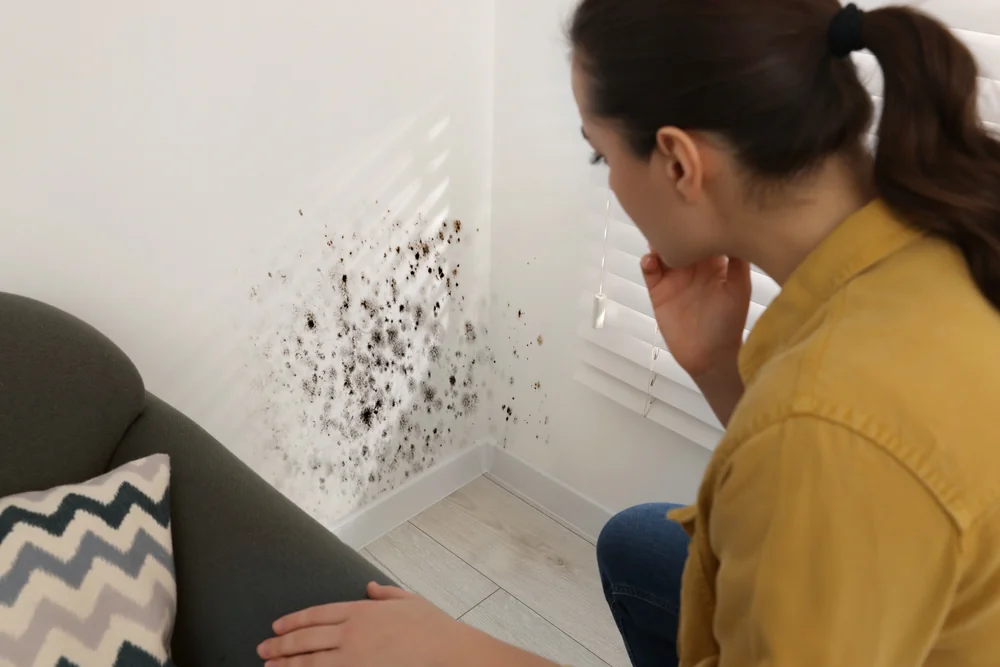
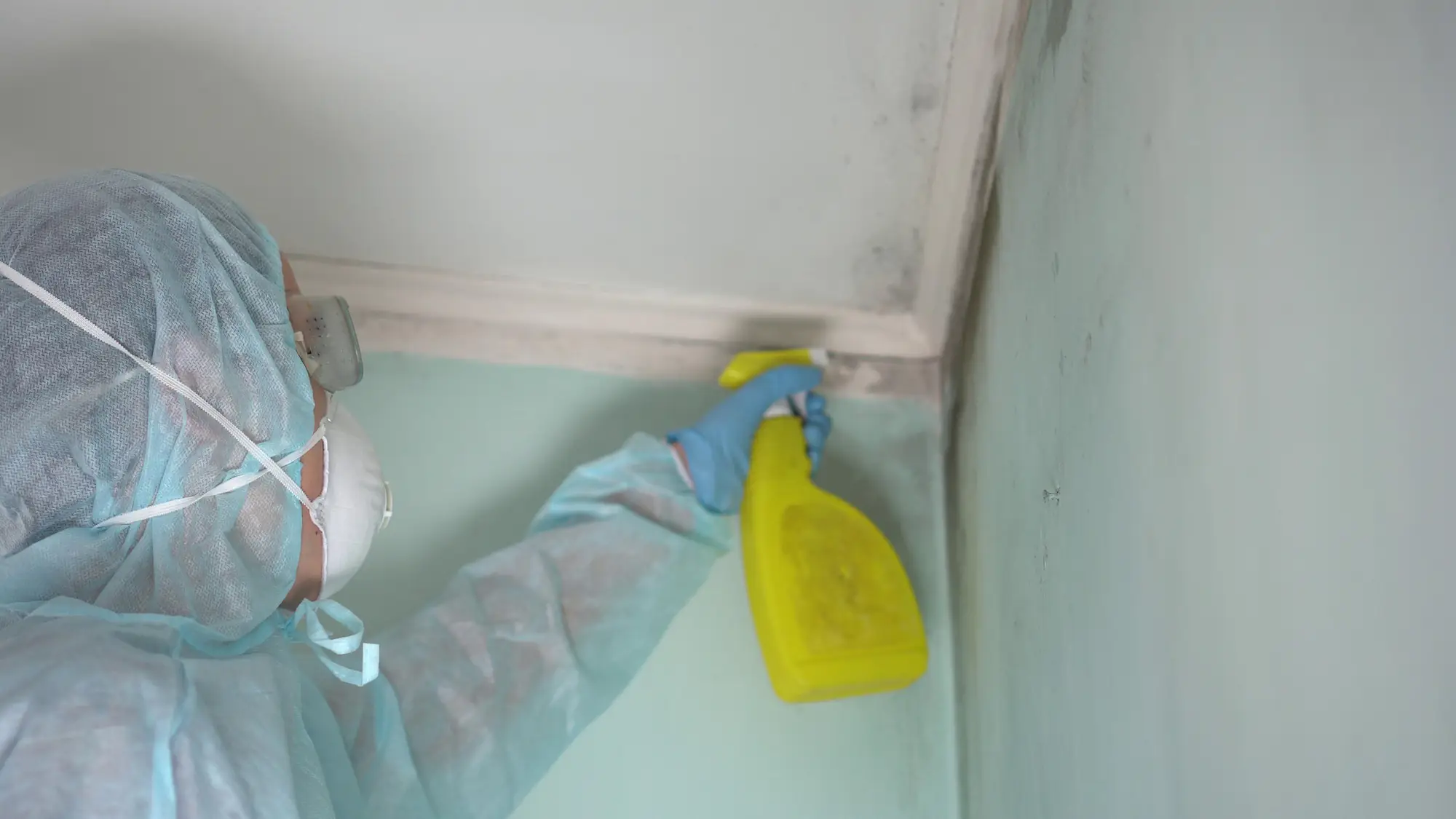
That said, if there’s visible mold on your walls or ceiling, you don’t need a test to tell you there’s a problem—you need remediation. Testing in that situation just delays fixing what you already know is wrong. The EPA generally recommends skipping the test and moving straight to removal when mold is visible.
The best use of air testing is for hidden problems. Mold growing inside walls, in ductwork, or under flooring releases spores into your air without obvious signs. Testing catches those situations and gives you evidence to act on. If you’re unsure whether testing is right for your situation, we’ll tell you honestly during the free consultation.
Professional testing uses calibrated equipment and certified lab analysis, while DIY kits rely on passive collection methods that often produce unreliable results. DIY kits can’t control for variables like air flow, sampling duration, or contamination during collection. They also tend to detect mold presence without quantifying levels or identifying species—which means you might panic over normal background spores.
Professional air sampling controls the volume of air tested, the sampling duration, and the handling process. The lab analysis identifies specific mold types and provides spore counts that can be compared to outdoor baselines and industry standards. That context matters—finding some mold spores is normal, but finding high concentrations of certain species indicates a real problem.
The cost difference between DIY and professional testing is usually a few hundred dollars. If you’re making decisions about thousands of dollars in remediation work or worried about your family’s health, that’s not where you want to cut corners. Accurate data from the start saves you money and stress in the long run.
Solebury’s mix of older stone homes and wooded properties creates specific air quality challenges. Older homes often have stone foundations that absorb and hold moisture, creating ideal conditions for mold growth in basements and lower levels. Poor ventilation in these spaces compounds the problem, especially during humid summer months.
Homes near wooded areas naturally have higher outdoor mold spore counts, which means more spores entering your home through windows, doors, and ventilation systems. That’s normal to a point, but if your home has moisture issues or poor air circulation, those spores find places to grow indoors.
We also see problems in finished basements where mold grows behind drywall or inside wall cavities, releasing spores without visible signs. Attic mold from roof leaks or condensation is another common issue, particularly in older homes with inadequate insulation or ventilation. Indoor air quality testing helps identify these hidden sources before they become expensive problems.
The on-site portion typically takes one to two hours, depending on your home’s size and how many areas we’re testing. We’ll collect samples from multiple locations, document conditions, and answer your questions while we’re there. The process is non-invasive—we’re not cutting into walls or disrupting your day beyond the appointment time.
Samples go to a certified lab for analysis, which usually takes three to five business days. You’ll receive a detailed report that breaks down what was found, where, and at what concentrations. We’ll schedule a follow-up call or meeting to review the results with you and explain what they mean in practical terms.
If the results show elevated mold levels or other air quality concerns, we can typically start remediation within a few days of reviewing the report. If results are normal but you’re still experiencing symptoms, we’ll help you identify other potential causes—HVAC issues, allergen sources, or ventilation problems that might not show up in mold testing.
Air testing tells you what’s in your air and whether levels are elevated compared to outdoor baselines, but it doesn’t pinpoint exact locations of mold growth. Think of it like a smoke detector—it tells you there’s a problem, but you still need to find the fire. That’s where visual inspection and moisture mapping come in.
During the testing appointment, we’re also doing a thorough visual inspection and using moisture meters to identify likely source areas. High mold spore counts in one room combined with moisture readings in a specific wall section give us a pretty clear picture of where to look. Often, the combination of air data and physical inspection narrows it down effectively.
If air testing shows a problem but the source isn’t obvious, we might recommend additional investigation—infrared cameras to find hidden moisture, or targeted sampling of suspected areas. The goal is always to find and fix the source, not just document that a problem exists. Air testing is one tool in that process, not the entire solution.
No, you can stay home during the entire process. Air sampling is completely non-invasive and doesn’t involve chemicals, demolition, or anything that would require you to leave. In fact, it’s helpful if you’re there to show us around, point out areas of concern, and answer questions about what you’ve noticed.
The equipment we use is quiet and doesn’t disrupt your daily routine. We’re essentially collecting air samples using pumps and collection devices—nothing loud, messy, or intrusive. If you need to go about your normal activities during the appointment, that’s fine too.
The only thing we ask is that you keep windows and doors closed for a few hours before we arrive, and avoid running exhaust fans or opening windows during sampling. This gives us accurate readings of your normal indoor air conditions rather than temporarily improved air from ventilation. After we’re done, you can immediately return to normal use of your home.
Other Services we provide in Solebury