

Hear from Our Customers
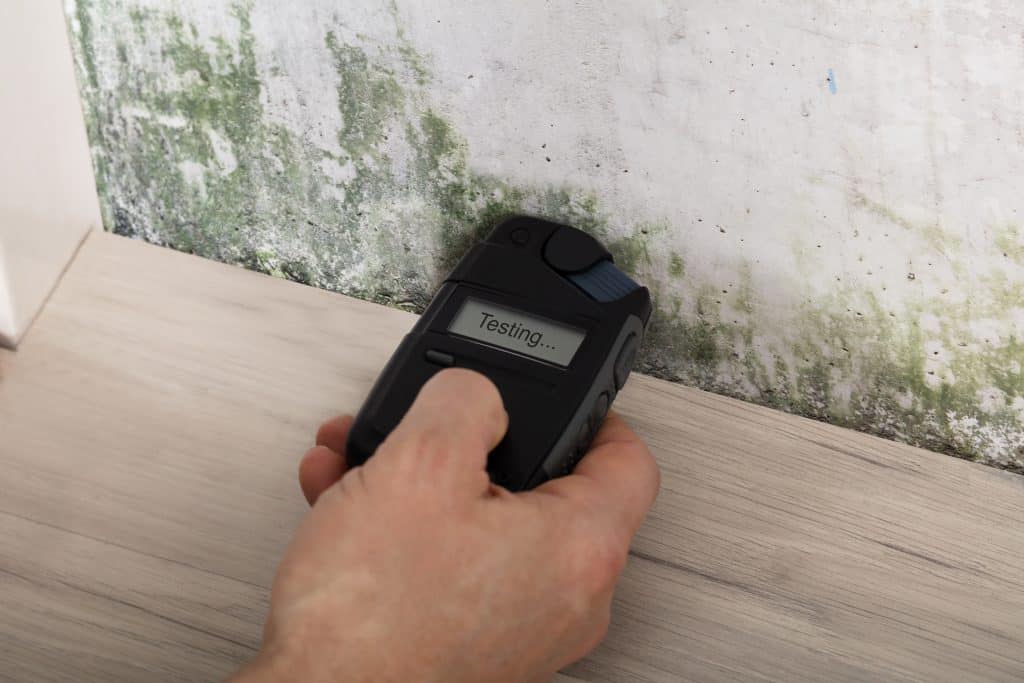
Mold doesn’t just disappear because you scrubbed the visible spots. It grows behind walls, under floors, and in places you can’t see. If the moisture source isn’t fixed, it comes right back.
That’s the difference between cleaning mold and actually removing it. Real mold removal means identifying where the moisture is coming from, eliminating the growth completely, and making sure your home stays dry enough that it can’t return.
When it’s done right, your indoor air gets cleaner. Allergy symptoms ease up. You stop worrying about what’s growing in the basement or behind the drywall. And if you’re selling your home, you’re not dealing with a failed inspection or a buyer walking away because of mold.
You get your home back. No musty smell. No health concerns. Just a space that feels safe again.
We’ve been serving Richland and the surrounding Bucks County area for years. We’re not a national franchise following a script. We’re local professionals who understand how Pennsylvania’s humid summers and damp winters create the perfect conditions for mold growth in basements, crawl spaces, and attics.
Our team is trained in EPA-approved mold remediation methods. We use professional-grade equipment, and we don’t cut corners. Every job starts with a free inspection so you know exactly what you’re dealing with before we start any work.
We live and work in this community. When we say we care about keeping Bucks County families safe, that’s not marketing talk. It’s just true.

First, we come to your home for a free inspection. We’re looking for visible mold, but also checking areas where moisture tends to hide. That includes crawl spaces, behind appliances, around windows, and anywhere water could be getting in.
Once we know what we’re dealing with, we give you a clear explanation of what needs to happen and what it’ll cost. No surprises. If there’s a moisture problem causing the mold, we tell you about that too, because removing mold without fixing the source is pointless.
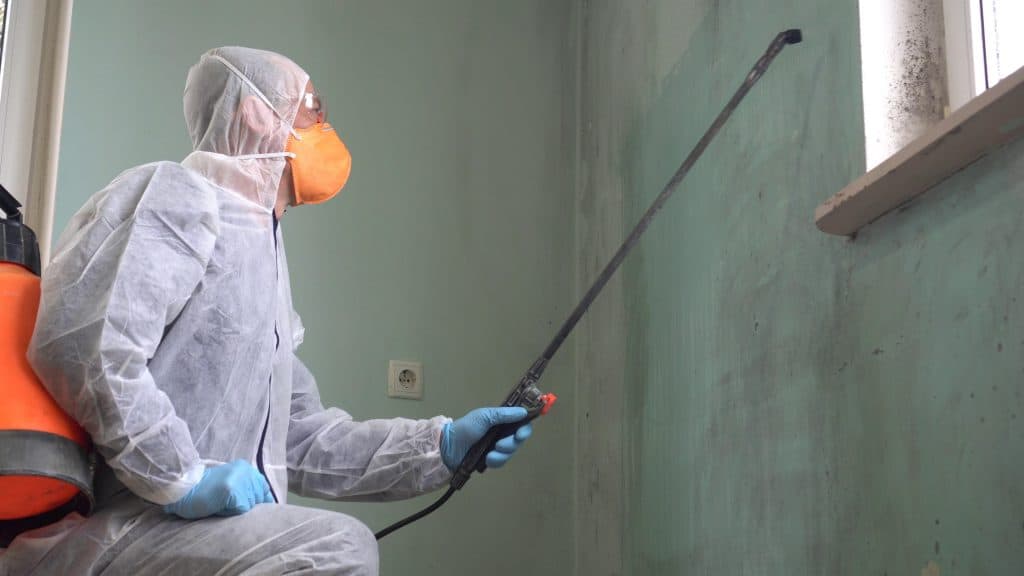
During remediation, we contain the affected area to prevent spores from spreading. We remove contaminated materials safely, treat surfaces with EPA-approved solutions, and use HEPA filtration to clean the air. Then we address the moisture issue, whether that’s a leak, poor ventilation, or drainage problem.
After everything’s dry and treated, we verify the work. You’re not guessing whether it’s gone. You know it is.
Ready to get started?
Every mold removal job includes a thorough inspection, containment of the affected area, safe removal of contaminated materials, and treatment with EPA-approved antimicrobial solutions. We use commercial-grade dehumidifiers and air scrubbers with HEPA filters to remove airborne spores and bring humidity levels down.
In Richland and throughout Bucks County, basements are a common problem area. The soil composition and water table in this region mean that even homes with sump pumps can develop moisture issues if drainage isn’t managed properly. We see it all the time. A wet spring, a clogged gutter, or a crack in the foundation, and suddenly you’ve got mold growing on basement walls.
We also handle black mold removal, which requires extra care due to the health risks. Black mold produces mycotoxins that can cause serious respiratory issues, especially in children and anyone with existing allergies or asthma. It’s not something to mess around with.
After remediation, we can help with repairs and restoration if drywall or flooring needs to be replaced. We also work directly with insurance companies to help you navigate the claims process if your mold issue is covered.
Mold can start growing within 24 to 48 hours after water exposure, especially in Bucks County’s humid climate. That’s not a lot of time.
If you’ve had a leak, flood, or even just persistent condensation, the clock is already ticking. The longer moisture sits, the more extensive the problem becomes. What starts as a small patch on drywall can spread behind walls and into insulation within days.
This is why speed matters. If you’ve had water damage, don’t wait to see if mold appears. By the time you see it, there’s usually more growing where you can’t see it. Getting a professional inspection right away gives you a chance to dry things out properly before mold takes hold.
You can clean small surface mold on non-porous materials like tile or glass. But if it’s covering more than a few square feet, growing on porous materials like drywall or wood, or if you’re dealing with black mold, you need a mold specialist.
Here’s why: mold removal isn’t just about scrubbing what you can see. It’s about containment, proper removal of contaminated materials, treating hidden growth, and addressing the moisture source. Without containment, you spread spores throughout your home during cleanup. Without addressing moisture, it grows right back.
DIY mold removal also puts your health at risk. Disturbing mold releases spores into the air, and without proper respiratory protection and ventilation, you’re breathing that in. We use EPA-approved methods, HEPA filtration, and protective equipment to do the job safely. We also know where to look for hidden growth that homeowners typically miss.
Cost depends on how extensive the mold growth is, where it’s located, and what’s causing it. A small bathroom mold issue might cost a few hundred dollars. A basement with widespread growth and moisture problems can run several thousand.
The biggest cost factors are the size of the affected area, whether materials like drywall need to be removed, and whether there’s an underlying issue like a foundation leak that needs to be fixed. Black mold removal costs more because it requires additional safety protocols.
We provide free inspections and upfront pricing, so you know what you’re looking at before any work starts. We also work with insurance companies if your policy covers mold remediation. Many homeowners don’t realize their insurance might cover it, especially if the mold resulted from a covered event like a burst pipe. It’s worth checking before you assume you’re paying out of pocket.
Mold exposure can cause respiratory issues, allergic reactions, chronic sinus infections, asthma attacks, and persistent coughing. Some people experience headaches, fatigue, or skin irritation. Children, elderly family members, and anyone with existing respiratory conditions are especially vulnerable.
Black mold is particularly concerning because it produces mycotoxins that can cause more severe health effects. Studies show that up to 21% of asthma cases may be linked to mold exposure, and 93% of chronic sinus infections are attributed to mold.
If people in your home are experiencing unexplained allergy symptoms, respiratory problems, or just feeling worse when they’re inside, mold could be the culprit. The longer you’re exposed, the worse symptoms can get. Removing the mold and improving indoor air quality usually leads to noticeable improvement in how people feel.
The most obvious sign is a musty, earthy smell that doesn’t go away. That odor is caused by microbial volatile organic compounds that mold releases as it grows. If you smell it, there’s mold somewhere, even if you can’t see it.
Other signs include water stains on ceilings or walls, peeling paint or wallpaper, warped wood, and condensation on windows or pipes. If you’ve had any water damage, leaks, or flooding in the past, there’s a good chance mold developed even if it’s hidden behind walls or under flooring.
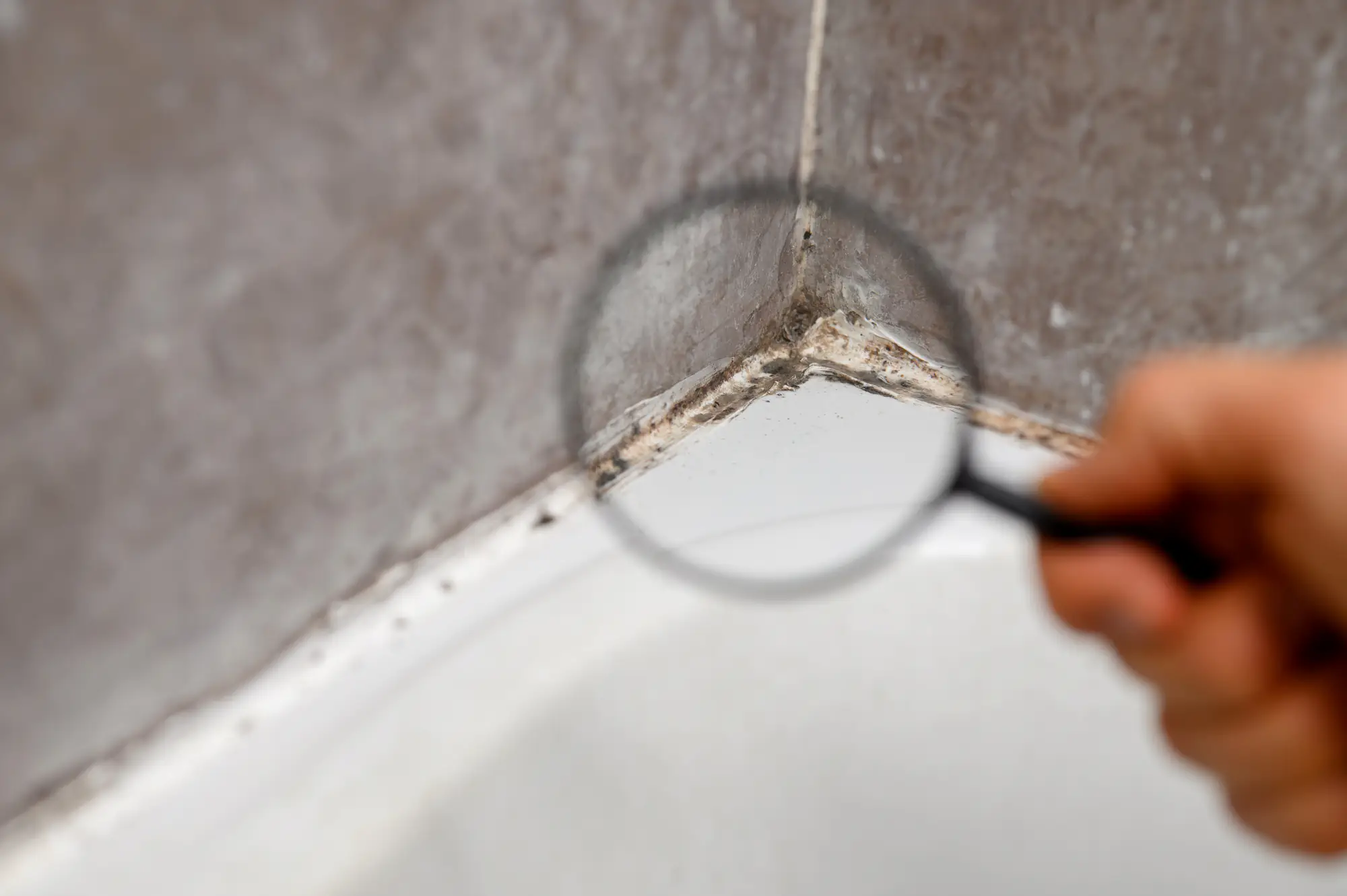
Health symptoms are another indicator. If people in your home have unexplained allergies, respiratory issues, or feel worse when they’re inside, that’s worth investigating. A professional mold inspection can identify hidden growth using moisture meters and thermal imaging. We check areas homeowners don’t typically think to look, like inside wall cavities, under carpets, and in HVAC systems.
Mold will come back if the moisture problem isn’t fixed. That’s the most important thing to understand about mold removal. You can clean and treat every surface, but if water is still getting in or humidity is still too high, mold will return.
That’s why we don’t just treat the mold. We find the source of the moisture and address it. That might mean fixing a leak, improving ventilation, installing a dehumidifier, or correcting drainage issues around your foundation.
In Richland and Bucks County, basement moisture is a recurring issue because of the local climate and soil conditions. Homes built on clay soil or near the water table are especially prone to dampness. Once we’ve eliminated the mold and fixed the moisture source, we make sure humidity levels stay low enough that mold can’t regrow. If the job is done right, it stays gone.
Other Services we provide in Richland