

Hear from Our Customers
When mold is completely gone, you’ll notice the difference immediately. No more musty odors that hit you when you walk through the door. No more wondering if that persistent cough is just a cold or something worse lurking in your walls.
Your family can breathe freely without worry. Kids can play in the basement again. You can sleep soundly knowing your home’s air quality isn’t slowly undermining everyone’s health. Property damage stops in its tracks, and your home’s value stays protected.
That’s what complete mold remediation looks like – not just surface cleaning, but total elimination of the problem and the conditions that created it.
We’ve been protecting Bucks County families for years, and we understand exactly what makes Mill Creek Falls homes vulnerable to mold. Pennsylvania’s humid summers and sudden weather changes create perfect conditions for mold growth, especially in older homes that weren’t built with modern moisture management.
We’ve seen it all in this area – from basement mold after heavy spring rains to attic problems from ice dams and poor ventilation. Every job teaches us more about how mold behaves in our specific climate, and that knowledge goes into every inspection and remediation we do.
When you call us, you’re getting local expertise that comes from actually working in Mill Creek Falls homes, not just reading about mold in a manual.

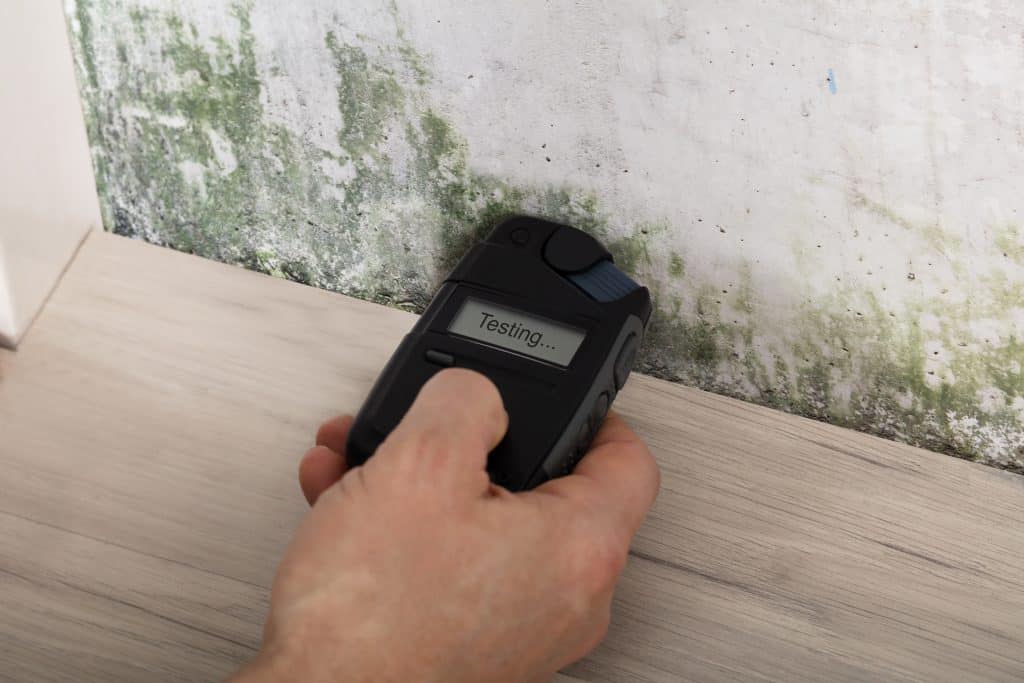
First, we come to your home for a free inspection – no sales pitch, just a thorough assessment using infrared cameras and moisture meters to find mold you can’t see. We test air samples and surface areas to understand exactly what you’re dealing with.
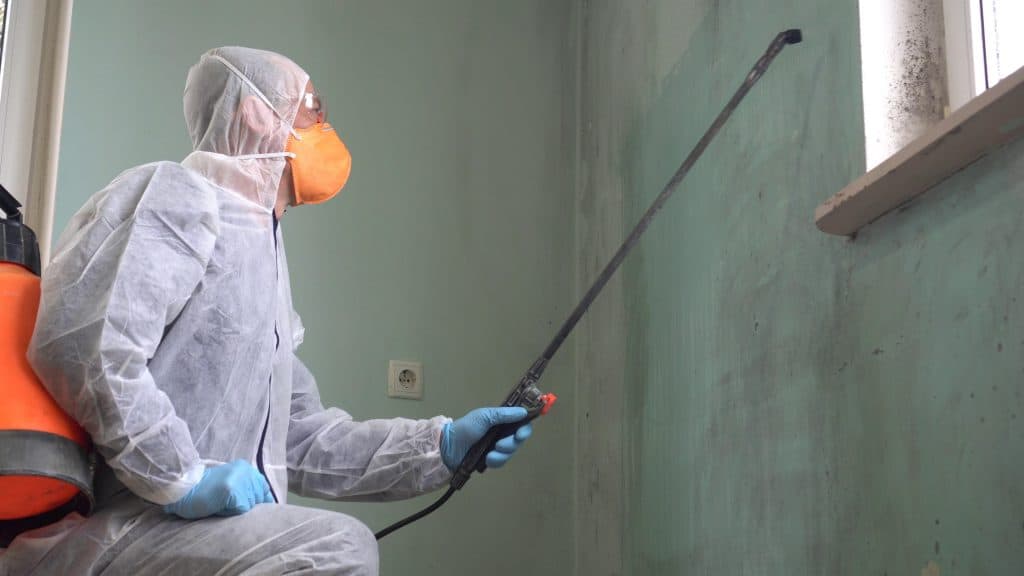
Once we know the scope, we contain the affected area to prevent spores from spreading during removal. Then we safely extract all contaminated materials and clean everything with EPA-approved methods that actually eliminate mold at the source.
But here’s the crucial part most companies skip – we identify and fix the moisture problem that caused the mold in the first place. Whether it’s a hidden leak, poor ventilation, or humidity issues, we address the root cause so you don’t end up calling someone again in six months.
Ready to get started?
Our mold remediation service covers every aspect of the problem. We handle everything from initial detection through complete restoration, so you don’t have to coordinate multiple contractors or worry about something being missed.
In Mill Creek Falls, we see mold most commonly in basements after our heavy spring rains, in bathrooms with poor ventilation, and in attics where Pennsylvania’s temperature swings create condensation problems. We know where to look because we’ve been in hundreds of homes just like yours.
Your service includes thorough inspection with advanced detection equipment, safe containment and removal, moisture source elimination, air quality restoration, and prevention recommendations specific to your home’s construction and our local climate. We also provide documentation for insurance claims and follow-up testing to verify the job was done right.
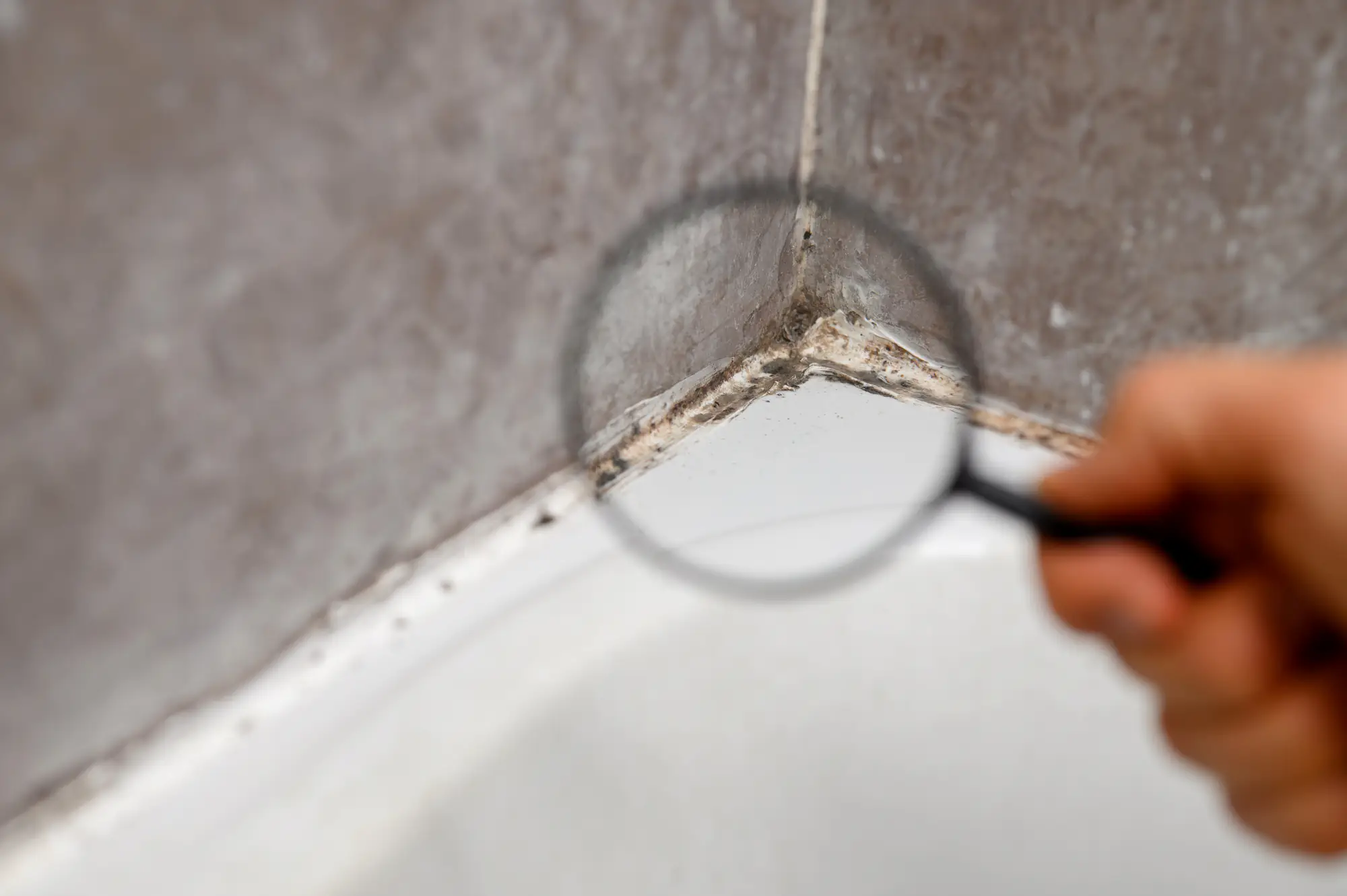
Mold can begin growing within 24 to 48 hours after water exposure, and established colonies can form within 72 hours. In Pennsylvania’s humid climate, this timeline can be even shorter during summer months when indoor humidity levels naturally run higher.
This is why quick action matters so much after any water event – whether it’s a pipe leak, roof damage from a storm, or flooding in your basement. Even if surfaces look dry, moisture can be trapped inside wall cavities, under flooring, or in insulation where mold can grow undetected.
The key is addressing both the visible water and the hidden moisture immediately. If you’ve had any water issues in the past week, it’s worth having a professional inspection even if you don’t see obvious signs of mold yet.
The most common symptoms include persistent coughing, sneezing, runny or stuffy nose, itchy or watery eyes, and skin irritation. Some people experience headaches, fatigue, or worsening of asthma symptoms when exposed to household mold.
Children are often affected first and most severely, so pay attention if kids develop respiratory symptoms that don’t seem to be typical colds or allergies. The symptoms often improve when they’re away from home and return when they come back.
If multiple family members are experiencing unexplained respiratory issues, especially if they seem worse in certain rooms or areas of your home, mold exposure is a real possibility. Don’t wait for symptoms to worsen – have your home inspected so you know what you’re dealing with.
Mold removal costs vary significantly based on the size and location of the affected area, the type of materials involved, and whether structural repairs are needed. Small, contained areas might cost a few hundred dollars, while extensive contamination requiring major remediation can reach several thousand.
The key factors affecting cost include how much square footage is affected, whether mold has penetrated porous materials like drywall or insulation that need replacement, and the complexity of moisture source repairs. Hidden mold in HVAC systems or crawl spaces typically costs more to address than surface mold in visible areas.
We provide free inspections and detailed written estimates before any work begins, so you’ll know exactly what you’re paying for. Many homeowners insurance policies cover mold removal when it results from a covered water damage event, and we can help you navigate that process.
Small areas of surface mold (less than 10 square feet) on non-porous surfaces can sometimes be cleaned by homeowners using proper safety equipment and EPA-approved cleaning solutions. However, most mold problems require professional remediation for several important reasons.
First, disturbing mold without proper containment spreads spores throughout your home, potentially making the problem worse. Second, visible mold is often just the tip of the iceberg – there’s usually more hidden behind walls, under flooring, or in other areas you can’t access safely.
Most importantly, DIY cleaning doesn’t address the moisture source that caused the mold in the first place. Without fixing the underlying problem, the mold will return. Professional remediation includes moisture source identification and elimination, proper containment, complete removal, and verification testing to ensure the job was done correctly.
Successful mold prevention focuses on controlling moisture, which is the only factor you can truly manage since mold spores are naturally present everywhere. Keep indoor humidity below 50% using dehumidifiers when necessary, especially during Pennsylvania’s humid summer months.
Fix water problems immediately – don’t let leaks, condensation, or flooding sit even for a day. Ensure proper ventilation in bathrooms, kitchens, and laundry areas where moisture naturally occurs. Clean gutters regularly and make sure water drains away from your foundation rather than pooling around your home.
In Mill Creek Falls specifically, pay attention to basement humidity during spring rains and attic ventilation during temperature swings. Regular HVAC maintenance also helps by keeping air moving and preventing condensation in ductwork. We provide specific recommendations based on your home’s construction and the moisture sources we identified during remediation.
Pennsylvania’s climate creates multiple challenges for mold prevention. Our humid summers regularly push indoor humidity above the 60% threshold where mold thrives, especially when air conditioning systems aren’t properly maintained or sized for the home.
We also experience significant temperature swings and frequent precipitation that can overwhelm older drainage systems and cause condensation problems. Many homes in our area were built before modern moisture management techniques became standard, making them more vulnerable to water intrusion and poor ventilation.
The combination of older housing stock, high humidity, frequent storms, and temperature fluctuations means Pennsylvania consistently ranks among the higher-risk states for household mold contamination. Regular maintenance, proper ventilation, and quick response to any water issues are essential for Mill Creek Falls homeowners who want to avoid mold problems.
Other Services we provide in Mill Creek Falls