
Hear from Our Customers

You can’t see mold spores. You can’t see VOCs floating through your living room. But you can feel the headaches, the sinus infections that won’t quit, the allergies that seem worse indoors than out.
A professional air quality test gives you actual data. Not hunches. We collect air samples from multiple rooms in your Mill Creek Falls home, send them to an EPA-certified lab, and get back a full breakdown of what’s circulating through your HVAC system and settling into your furniture.
The report tells you if mold spore counts are elevated, what types are present, and whether you’ve got a hidden problem that needs attention. It also identifies particulate matter and allergens that standard home inspections miss. Once you know what’s there, you can actually fix it instead of masking symptoms with air fresheners and allergy meds.
We’ve been serving Mill Creek Falls and Bucks County for years, and we’ve seen how Pennsylvania’s humidity and older home construction create the perfect conditions for mold growth and poor indoor air quality. Basements stay damp. Crawl spaces don’t ventilate well. Bathrooms without exhaust fans trap moisture for hours.
We’re not a national franchise following a script. We’re local, we know these homes, and we use the same advanced testing methods whether you’re in a 1950s ranch or a newer development. Our technicians are trained in mold remediation and air quality assessment, and every sample we collect gets analyzed by an independent lab so you’re getting unbiased results.

First, we walk through your home and listen. You tell us about the musty smell in the basement, the bedroom where your kid’s asthma flares up, the bathroom that never quite dries out. We’re looking for visible signs of mold, water damage, or ventilation issues, but we’re also noting where you spend the most time.
Then we collect air samples using calibrated equipment that pulls a measured volume of air through a collection device. We typically sample multiple rooms plus an outdoor control sample so we can compare what’s inside versus what’s normal for Mill Creek Falls air. If there’s visible mold, we’ll also take a surface sample and send it to the lab for species identification.
Within a few days, the lab sends back a detailed report. We review it with you in plain language—what the spore counts mean, whether levels are concerning, and what the next steps should be. If remediation is needed, we explain the scope. If it’s a ventilation issue, we tell you that too. You get a copy of everything, and we’re available to answer questions even after the appointment.

Ready to get started?
Every residential air quality testing appointment includes a visual inspection of your home, air sample collection from multiple rooms, and laboratory analysis by an EPA-certified lab. You’re not paying for a guy with a moisture meter and a hunch—you’re getting quantified data on mold spore counts, types, and concentrations.
The lab report breaks down exactly what’s in your air, including specific mold species like Aspergillus, Penicillium, Stachybotrys, and Cladosporium. It compares indoor levels to outdoor baseline levels, which matters because some mold is always present in Pennsylvania air. What you’re looking for is elevation—indoor counts significantly higher than outdoor, which indicates an indoor source.
We also test for common allergens and particulate matter that affect respiratory health. Mill Creek Falls homes, especially older ones with forced-air heating, can circulate dust, pet dander, and pollen that gets trapped in ductwork. If your HVAC system is pulling air from a moldy basement or attic, that’s spreading contamination throughout your home every time the heat kicks on.
After testing, you get a written report, a consultation to review findings, and clear recommendations. If mold remediation is needed, we provide a detailed estimate. If the issue is environmental—like humidity control or ventilation—we’ll explain what changes would help. No upselling, no scare tactics. Just honest assessment based on lab results.
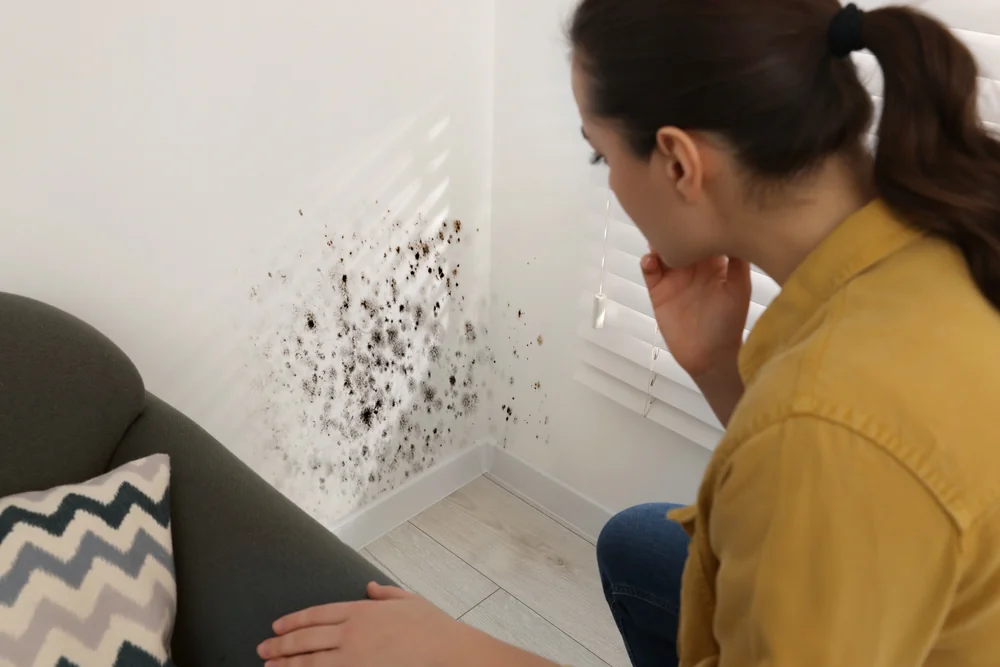
You should consider a mold air test if you’re experiencing unexplained health symptoms that improve when you leave the house—things like persistent sinus infections, headaches, respiratory irritation, or allergy symptoms that don’t respond to medication. These are often the first signs that something in your indoor air is affecting your health.
A mold air test also makes sense if you’ve had water damage, even if it was cleaned up. Leaks behind walls, slow drips under sinks, or flooding in basements can create hidden mold growth that you can’t see but can definitely breathe. If you smell mustiness but can’t locate the source, air testing can detect mold spores and help pinpoint where they’re coming from.
Finally, if you’re buying or selling a home in Mill Creek Falls, an air quality test gives you objective data about what’s in the air. It’s not required by law in Pennsylvania, but it’s one of the smartest investments you can make before closing on a property, especially older homes where mold issues are more common.
A mold inspection is a visual assessment. We look for visible mold growth, water stains, moisture problems, and conditions that support mold. It’s useful, but it only catches what we can see. Mold growing inside walls, above ceilings, or in HVAC ducts won’t show up in a visual inspection.
Air testing goes deeper. We’re collecting samples of what’s actually floating in your air and sending them to a lab for analysis. The lab identifies mold species, counts spore concentrations, and compares your indoor air to outdoor air. This tells us if you have an active mold problem even when there’s no visible growth.
Most thorough assessments include both. We inspect your home to find obvious issues and moisture sources, then we test the air to catch hidden contamination. If you’re dealing with health symptoms or suspected mold, air testing gives you the data you need to make informed decisions about remediation. A visual inspection alone might miss the problem entirely.
The actual testing appointment usually takes one to two hours depending on the size of your home and how many rooms we’re sampling. We’ll spend time walking through with you, discussing your concerns, collecting air samples from multiple locations, and taking surface samples if we find visible mold.
Once we collect the samples, they go to an independent lab for analysis. Turnaround time is typically three to five business days. The lab is looking at spore counts, identifying specific mold species, and comparing your indoor levels to the outdoor control sample we collected.
After we receive the lab report, we’ll contact you to schedule a review or go over findings by phone if you prefer. We explain what the numbers mean, whether remediation is recommended, and what your options are. You’ll get a copy of the full lab report for your records, and we’re available to answer follow-up questions. If the results show elevated mold levels, we can usually start remediation within a few days of your approval.
Yes. Lab analysis identifies the specific species of mold present in your air samples. The report will list each type detected and the concentration levels measured in spores per cubic meter. Common types we find in Mill Creek Falls homes include Aspergillus, Penicillium, Cladosporium, and occasionally Stachybotrys, which is the black mold people worry about.
Knowing the species matters because different molds have different health implications and different moisture requirements. Some molds thrive in very wet conditions and indicate active water intrusion. Others grow in moderate humidity and suggest ventilation problems. The lab report gives us clues about where the mold is likely growing and what’s feeding it.
That said, all mold growth indoors is a problem regardless of type. Even non-toxic molds trigger allergies and respiratory issues. The goal isn’t just to identify what’s there—it’s to find the source, remove it, and fix whatever moisture issue allowed it to grow in the first place. The species identification helps us understand the scope and urgency of remediation.
Cost depends on how many samples you need and the size of your home, but most residential air quality tests in Mill Creek Falls range from a few hundred dollars to around six or seven hundred for comprehensive testing. That includes the inspection, sample collection, lab analysis, and a consultation to review results.
We typically recommend sampling at least three areas—a problem area, a living space, and an outdoor control sample for comparison. Larger homes or homes with multiple suspected problem areas may need additional samples to get an accurate picture. Each sample adds to the cost because each one requires lab analysis.
We provide upfront pricing after the initial consultation so there are no surprises. If testing reveals mold that needs remediation, that’s a separate cost, and we’ll give you a detailed estimate before any work begins. Some homeowners try to save money with DIY test kits, but those don’t give you species identification or professional interpretation of results. If you’re serious about understanding what’s in your air, professional testing is worth the investment.
Yes. While mold is the primary focus of most air quality tests, lab analysis can also detect other airborne contaminants depending on the testing method used. We can identify elevated levels of dust, pollen, pet dander, and other particulate matter that affect respiratory health and allergies.
Some air quality tests also measure volatile organic compounds, or VOCs, which are chemicals released by building materials, cleaning products, paints, and furnishings. High VOC levels can cause headaches, dizziness, and long-term health issues. If you’re concerned about VOCs or other specific pollutants, let us know during the consultation so we can recommend the right type of testing.
The standard mold air test focuses on spore counts and species identification, but it still gives you valuable information about overall air quality. If spore levels are normal but you’re still experiencing symptoms, we can discuss additional testing or refer you to specialists who focus on chemical pollutants and indoor environmental quality. The goal is to figure out what’s making you sick and get it fixed.
Other Services we provide in Mill Creek Falls