

Hear from Our Customers
When mold invades your Hood home, it’s not just about the black spots on your walls or that musty smell in your basement. It’s about your family’s health, your property value, and your peace of mind. You’re dealing with sleepless nights wondering if those respiratory symptoms are getting worse, or if that strange odor means something dangerous is growing where you can’t see it.
Here’s what changes when we handle your mold problem the right way. Your indoor air quality improves dramatically – no more waking up congested or dealing with unexplained headaches. Your home feels fresh and clean again, without that underlying mustiness that makes you uncomfortable in your own space. Most importantly, you’ll have confidence that the problem is completely resolved, not just covered up or temporarily treated.
We don’t just remove visible mold and call it done. We find what’s causing it, fix the underlying moisture issue, and make sure it doesn’t come back. That’s the difference between a quick fix and a real solution.
We’ve been protecting Hood families from mold for years, and we understand exactly what you’re dealing with. Pennsylvania’s humid summers and unpredictable weather create perfect conditions for mold growth, especially in the older homes common throughout Bucks County. We’ve seen it all – from basement moisture issues after heavy rains to attic problems from roof leaks that went unnoticed for months.
What makes us different is our approach. We’re not here to scare you with horror stories or pressure you into expensive solutions. We’re here to solve your mold problem completely and honestly. Our team uses EPA-approved methods and follows all Pennsylvania regulations, but more importantly, we explain everything we’re doing and why.
You’ll work with certified mold remediation professionals who understand Hood’s specific challenges – from the clay soil that can cause foundation moisture issues to the humidity patterns that make certain areas of your home more vulnerable to mold growth.

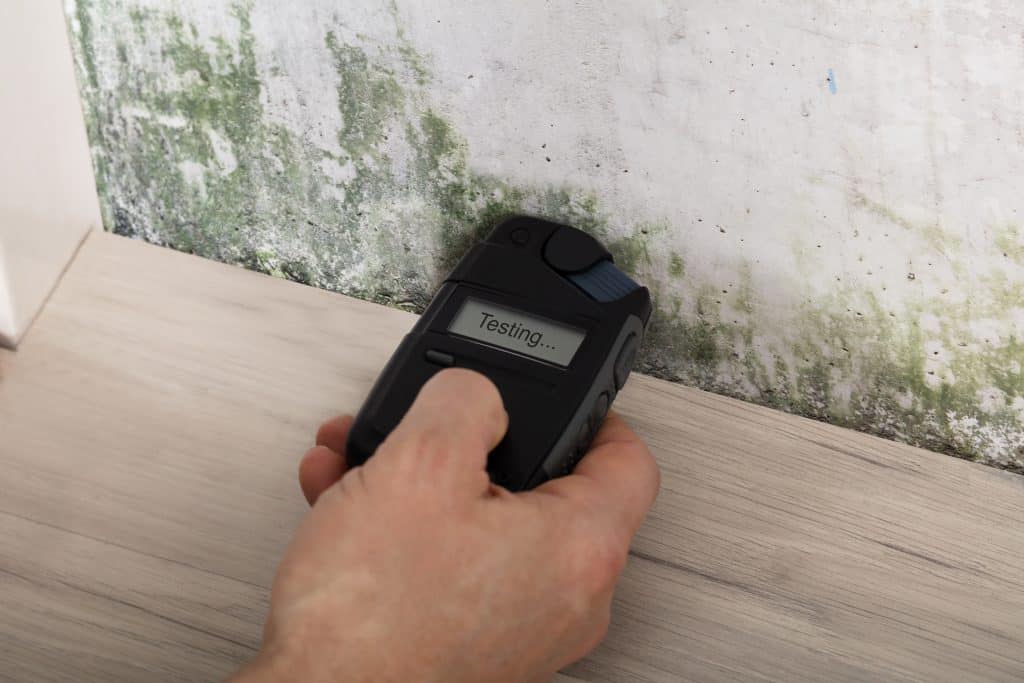
We start with a thorough inspection of your entire property, including areas you might not think to check. This isn’t a quick walkthrough – we’re looking in wall cavities, behind appliances, in crawl spaces, and anywhere moisture could be hiding. We use moisture meters and other diagnostic tools to map out exactly what we’re dealing with.
Next comes testing. Different types of mold require different removal strategies, so we take samples and send them to a lab for analysis. This tells us exactly what we’re fighting and helps us choose the most effective treatment approach. You’ll get a clear explanation of what we found and our recommended plan of action.
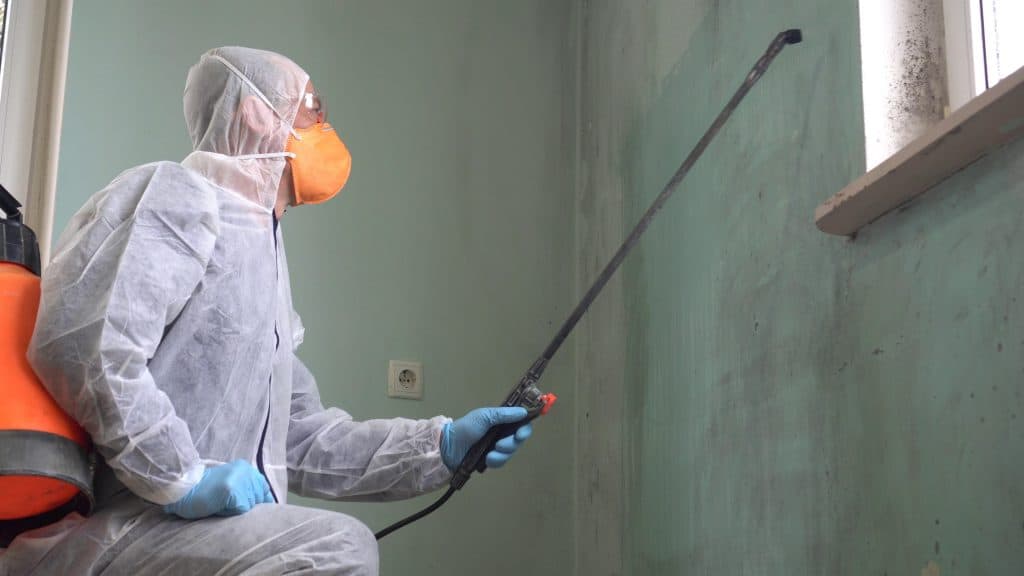
The actual remediation process involves containment first – we isolate the affected areas to prevent spores from spreading to clean parts of your home. Then we safely remove contaminated materials and treat all affected surfaces with EPA-approved antimicrobial solutions. Finally, we address the moisture source that caused the problem in the first place, whether that’s fixing a leak, improving ventilation, or addressing humidity issues.
Ready to get started?
Your mold removal service includes everything needed to solve the problem completely. We provide free initial inspections, so you know exactly what you’re dealing with before making any decisions. Our detailed assessment covers your entire property, not just the obvious problem areas.
Hood homes face unique challenges due to our local climate and soil conditions. The Delaware River valley’s humidity, combined with the clay-heavy soil common in Bucks County, creates moisture management challenges that many homeowners don’t realize they have. We’ve developed specific strategies for dealing with these local conditions, from basement waterproofing recommendations to humidity control solutions that work in Pennsylvania’s variable climate.
Every job includes upfront pricing with no surprises, insurance assistance to help with claims processing, and flexible payment options to make professional mold removal affordable. We also provide emergency services for urgent situations – because mold doesn’t wait for convenient timing. After we complete the removal, we offer cleanup and restoration services to get your home back to normal, plus ongoing support to help prevent future problems.
Mold removal costs in Hood typically range from $1,500 to $6,000, depending on the size and severity of the problem. Small, localized issues might cost less, while extensive contamination requiring structural repairs can cost more. The exact price depends on factors like the type of mold, how widespread it is, and what materials need to be removed or replaced.
We provide upfront pricing with detailed estimates before any work begins, so you’ll know exactly what to expect. Many Hood homeowners are surprised to learn that their insurance may cover mold remediation, especially if it’s related to a covered water damage event. We work directly with insurance companies to help streamline the claims process and reduce your out-of-pocket expenses.
The most important thing to understand is that delaying treatment almost always makes the problem more expensive. Mold spreads quickly in Pennsylvania’s humid climate, and what starts as a small issue can become a major remediation project if left untreated.
Most mold remediation projects in Hood take between 2-5 days to complete, depending on the scope of the problem. Small, contained areas might be finished in a day or two, while larger projects involving multiple rooms or structural repairs can take a week or more.
The timeline depends on several factors specific to your situation. If we need to remove and replace materials like drywall or flooring, that adds time. If there are underlying moisture issues that need to be addressed – like plumbing leaks or foundation problems – we’ll need to coordinate with other contractors, which can extend the timeline.
We’ll give you a realistic timeline estimate upfront and keep you informed throughout the process. We understand that having your home disrupted is stressful, so we work efficiently while making sure the job is done thoroughly. Rush jobs often lead to recurring problems, which is why we focus on doing it right the first time rather than doing it fast.
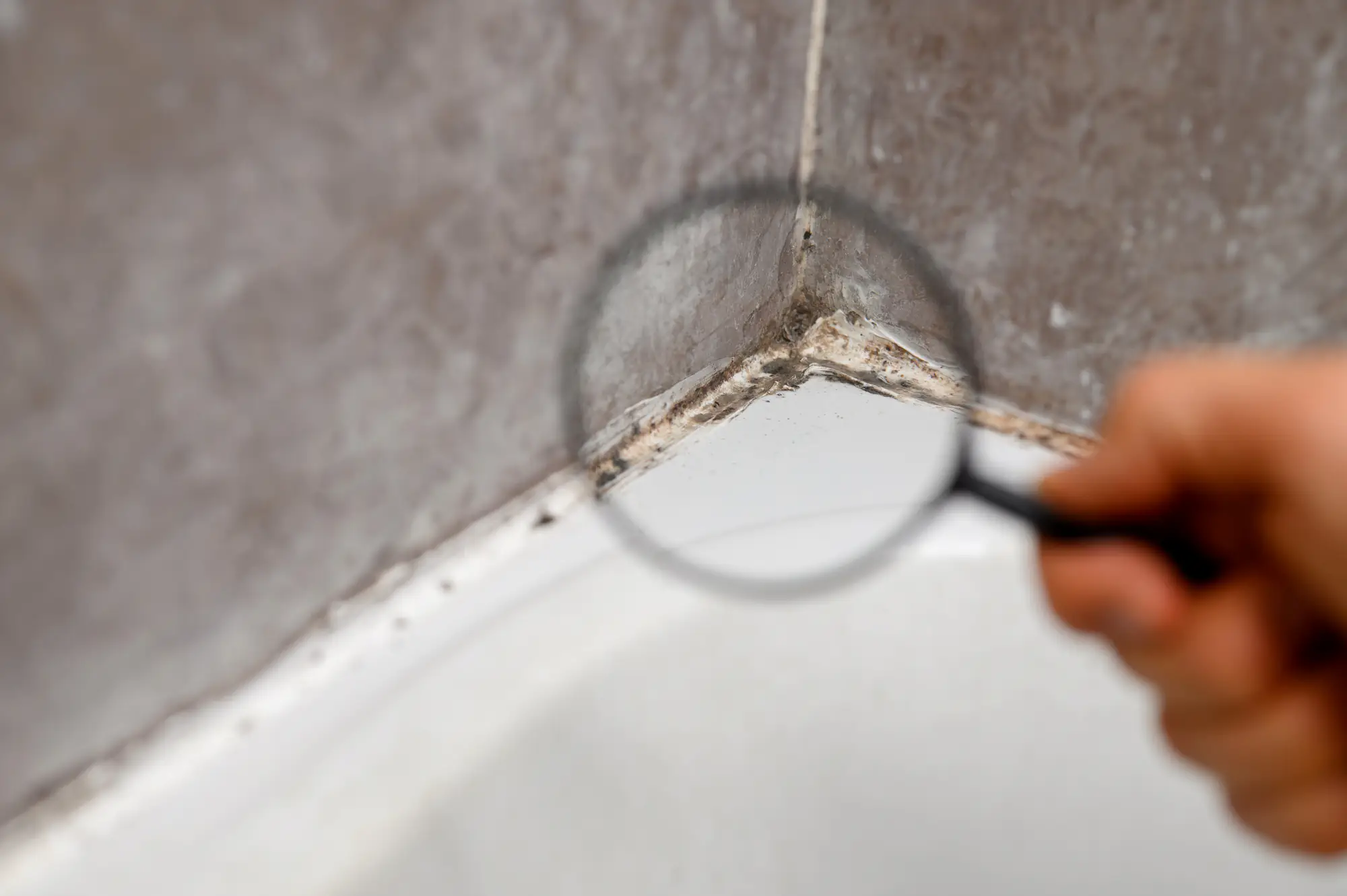
Hood homes commonly deal with several types of mold due to our humid climate and local conditions. Aspergillus is very common and typically appears as green, black, or gray spots on walls and ceilings. Stachybotrys, often called black mold, grows on materials with high cellulose content like drywall and wood, especially in areas with water damage.
Cladosporium is another frequent problem, appearing as brown, green, or black patches and often found in bathrooms, basements, and areas with poor ventilation. Penicillium typically shows up as blue or green fuzzy growth and is common in water-damaged areas and behind wallpaper.
The specific type of mold matters because different species require different treatment approaches. That’s why we always test samples rather than just assuming what we’re dealing with. Pennsylvania’s variable humidity levels and the age of many Hood homes create conditions where multiple types of mold can exist in the same property, which is why professional identification and treatment is so important.
Small surface mold problems covering less than 10 square feet can sometimes be handled by homeowners using proper safety equipment and EPA-approved cleaning solutions. However, most mold problems in Hood homes require professional treatment for several important reasons.
First, mold often grows in hidden areas where you can’t see the full extent of the problem. What looks like a small patch on your wall might indicate a much larger problem behind the drywall or in your HVAC system. DIY attempts often miss these hidden areas, allowing the mold to continue spreading.
Second, improper removal techniques can actually make the problem worse by releasing spores into the air and contaminating previously clean areas of your home. Professional remediation includes proper containment procedures, specialized equipment, and disposal methods that prevent cross-contamination. We also address the underlying moisture issues that caused the mold in the first place, which is something most homeowners can’t do effectively on their own.
When mold removal is done properly, it shouldn’t come back in the same location. However, this depends entirely on addressing the underlying moisture problem that caused the mold in the first place. Simply removing visible mold without fixing the root cause almost guarantees it will return.
Our approach focuses heavily on identifying and eliminating moisture sources. This might involve fixing plumbing leaks, improving ventilation, addressing humidity issues, or making structural repairs to prevent water intrusion. We don’t consider a job complete until we’ve addressed these underlying conditions.
Hood’s climate means you need to stay vigilant about moisture control even after professional remediation. We provide guidance on maintaining proper humidity levels, recognizing early warning signs, and making your home less hospitable to mold growth. With proper moisture management and the fixes we implement, mold recurrence is rare. If it does happen, it’s usually in a different location due to a new moisture source, not because our remediation was inadequate.
The most obvious signs are visible mold growth and musty odors, but mold problems often start long before you can see or smell them. In Hood homes, watch for unexplained health symptoms like persistent coughing, sneezing, or respiratory irritation that improves when you leave the house.
Look for signs of moisture problems: water stains on walls or ceilings, peeling paint or wallpaper, warped wood, or condensation on windows and pipes. Check areas prone to moisture like basements, bathrooms, around windows, and near appliances. Pay attention to rooms that feel more humid than others or areas where the air feels stagnant.
Pennsylvania’s humid summers make Hood homes particularly susceptible to mold growth, especially in poorly ventilated areas. If you’ve had any water damage – even minor leaks that were quickly dried – it’s worth having a professional inspection. Our free inspections can identify potential problems before they become major health hazards or expensive repairs. We use moisture meters and other diagnostic tools to detect conditions that promote mold growth, even when there’s no visible mold present yet.
Other Services we provide in Hood