

Hear from Our Customers
You stop worrying about what’s growing behind your walls. The sneezing, the coughing, the headaches—they start to fade when the air in your home is actually clean again.
Your basement doesn’t smell like mildew anymore. You’re not embarrassed when people come over. And if you’re selling, you’re not losing buyers over a mold disclosure.
The real benefit isn’t just removal. It’s knowing the moisture problem that caused it has been fixed. That’s what keeps mold from showing up again three months later. Most companies treat the surface. We go after the source—whether it’s a leaky pipe, poor ventilation, or humidity from Bucks County’s wet climate. You get a home that’s safer, healthier, and actually stays that way.
We work throughout Dyerstown, PA and the surrounding Bucks County area. We know what basements look like here after a heavy rain. We know how crawl spaces hold moisture in the summer.
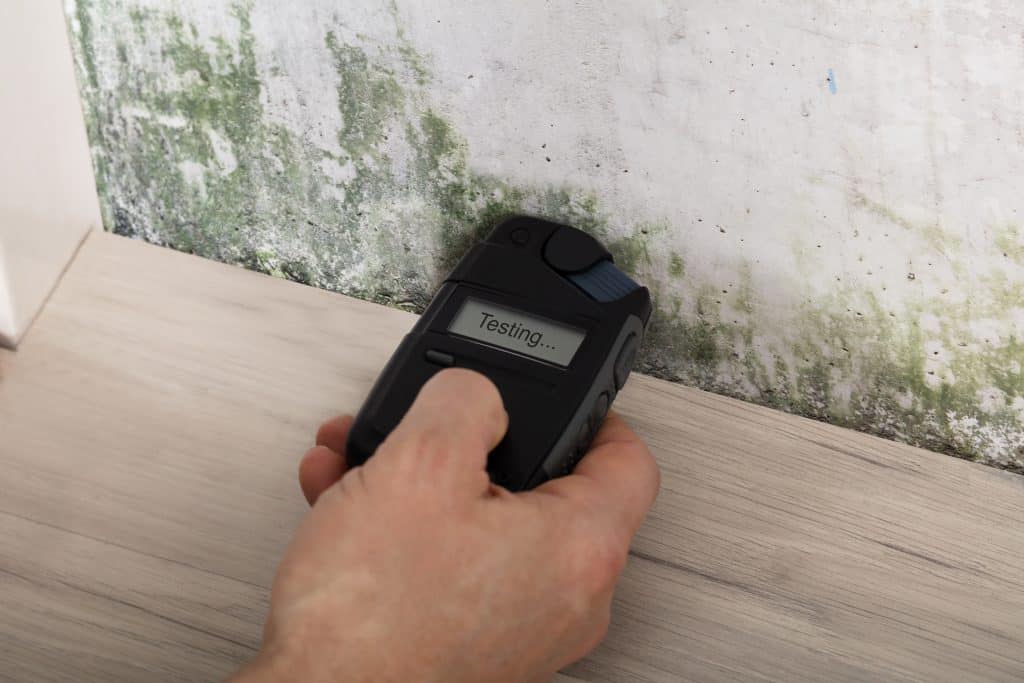
We’re certified, insured, and we follow EPA guidelines—not because we have to, but because cutting corners with mold is dangerous. Our team uses thermal imaging and moisture meters to find problems you can’t see. Then we document everything, which matters if you’re dealing with insurance or getting ready to sell.
We’ve worked with homeowners, landlords, and property managers across the region. Most of our work comes from referrals, which tells you something about how we operate.

We start with a free inspection. That means walking through your property, checking moisture levels, and using thermal imaging to find hidden mold growth. You’ll know where the problem is and what’s causing it before we talk about price.
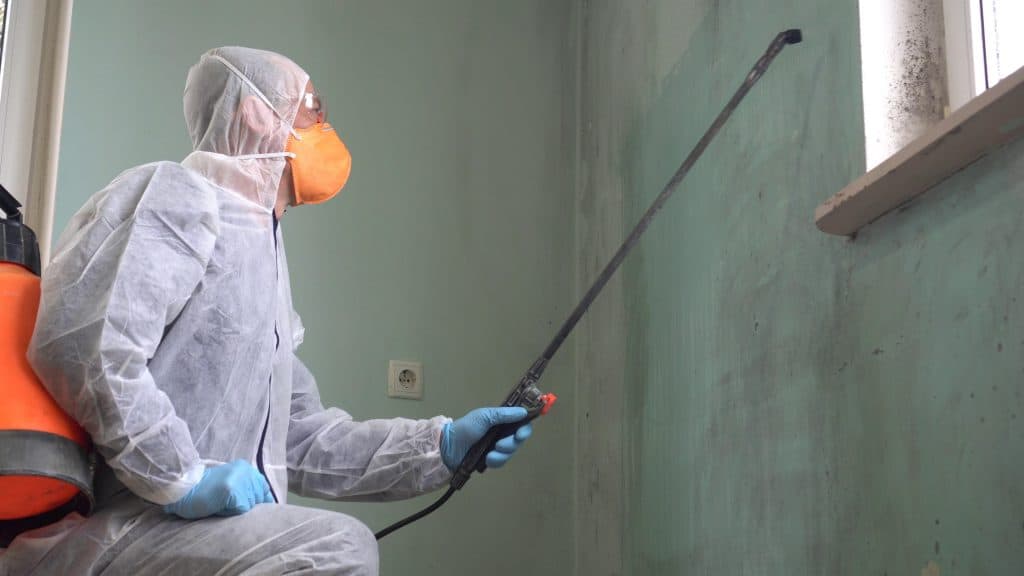
Once we have a plan, we contain the area to keep spores from spreading during removal. Then we remove contaminated materials—drywall, insulation, whatever’s affected—and treat surfaces with antimicrobial solutions. We don’t just spray and leave. We pull out what’s damaged.
After removal, we dry everything out and fix the moisture issue. Leaky pipe? We handle it. Poor ventilation? We address it. Then we test the air to confirm the mold is gone. You get documentation of the whole process, which is critical if you’re filing an insurance claim or need proof for a buyer. The job’s not done until your home tests clean and the source of moisture is handled.
Ready to get started?
Every mold removal job includes a full inspection with moisture mapping and thermal imaging. We’re looking for the hidden stuff—mold behind cabinets, under flooring, inside walls. In Dyerstown and Bucks County, basements and crawl spaces are the biggest culprits, especially after storms or during humid stretches in July and August.
We contain the work area with plastic sheeting and negative air pressure so mold spores don’t spread to clean areas of your home. Then comes removal—tearing out damaged drywall, insulation, or flooring that can’t be saved. We treat all surfaces with EPA-approved antimicrobial solutions and use HEPA filtration during the entire process.
After everything’s removed and treated, we handle the moisture fix. That could mean sealing a foundation crack, improving ventilation, or fixing a plumbing leak. Then we run air quality tests to confirm the mold is gone. You get a full report with photos, moisture readings, and lab results if testing was done. If you’re working with insurance, we’ll help with documentation and claims paperwork. You’re not navigating that alone.
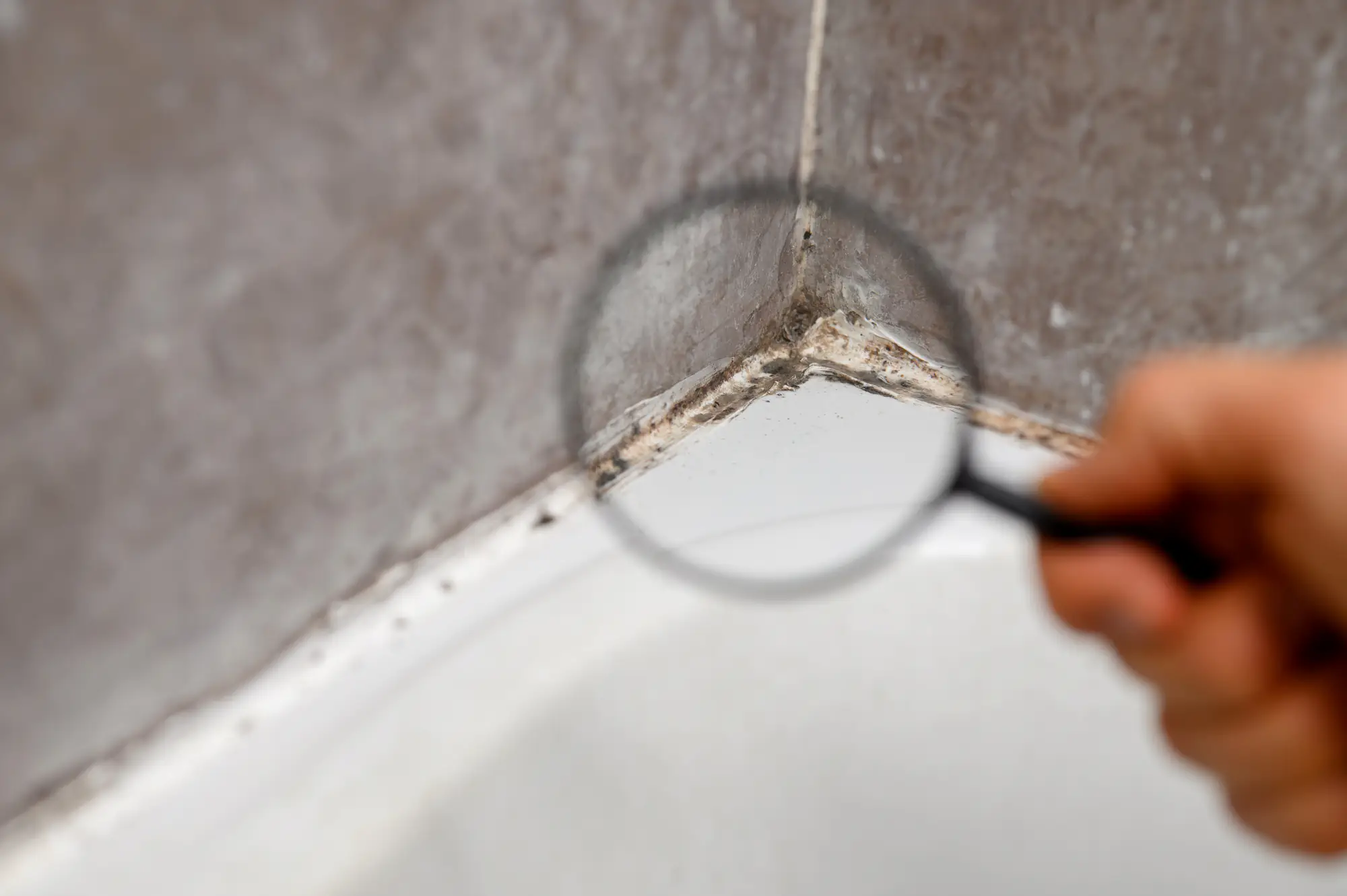
You’ll usually smell it before you see it—musty, damp, like wet cardboard. But not all mold has an odor, especially if it’s hidden inside a wall or under flooring.
Visible signs include black or green spots on walls, ceilings, or grout. Discoloration around windows, water stains that won’t dry, or peeling paint can all point to mold. If anyone in your home is dealing with unexplained allergies, coughing, or respiratory issues that get better when they leave the house, that’s a red flag.
In Dyerstown, basements are a common problem area because of how much moisture they hold, especially after heavy rain. Crawl spaces, attics, and areas around HVAC systems are also hotspots. If you’ve had any water damage—even a small leak—it’s worth getting an inspection. Mold can start growing within 24 to 48 hours of water exposure.
Small surface mold—like a little bit on bathroom tile—you can usually handle with bleach or a mold cleaner. But if it’s larger than a few square feet, or if it’s black mold, you’re better off calling a professional mold removal company.
Here’s why: mold you can see is often just part of the problem. It spreads through spores, which means disturbing it without proper containment can make things worse. You also need to find and fix the moisture source, or it’ll just grow back. Most DIY jobs miss that step.
If the mold is behind drywall, under flooring, or in your HVAC system, you need specialized equipment to remove it safely. We use HEPA vacuums, antimicrobial treatments, and containment barriers to keep spores from spreading. We also test the air afterward to make sure it’s actually gone. If you’re dealing with health symptoms or a large area of growth, don’t risk it. The cost of doing it wrong is higher than the cost of doing it right the first time.
It depends on how much mold there is and where it’s growing. A small bathroom job might run a few hundred dollars. A basement with widespread contamination could be several thousand.
The size of the affected area matters most. So does the type of material involved—removing mold from drywall is different than treating a concrete foundation. If we need to tear out insulation, flooring, or cabinetry, that adds to the cost. Accessibility is another factor. Crawl spaces and attics take more time and labor.
We always start with a free inspection so you know what you’re dealing with before any work begins. You’ll get a clear estimate based on the scope of the job, and we’ll walk through what’s necessary versus what’s optional. If you’re filing an insurance claim, we’ll work with your adjuster and provide all the documentation they need. Most homeowner policies cover mold if it’s tied to a sudden event like a pipe burst, though not always for long-term neglect or maintenance issues.
Most residential jobs take one to three days, depending on the size and severity. A single room with surface mold might be done in a day. A full basement remediation with structural damage could take a week.
The timeline depends on how much material needs to be removed, how long it takes to dry everything out, and whether we’re waiting on test results. If we’re tearing out drywall or flooring, that adds time. If the moisture source requires plumbing or foundation work, we factor that in too.
We don’t rush it. Mold removal done too quickly usually means it wasn’t done thoroughly. After we remove contaminated materials and treat surfaces, we need to confirm the area is dry and the air quality is clear. That can take 24 to 72 hours depending on humidity levels. In Bucks County, especially during summer, drying times can be longer because of how humid it gets. We’ll give you a realistic timeline upfront and keep you updated if anything changes.
Sometimes. It depends on what caused the mold and what your policy says. If mold resulted from a covered event—like a burst pipe, roof leak during a storm, or appliance malfunction—most policies will cover remediation.
If the mold is from long-term neglect, poor maintenance, or an issue that’s been ignored for months, insurance usually won’t pay. Flood-related mold typically isn’t covered under standard homeowner policies unless you have separate flood insurance.
The key is documentation. Insurance companies want proof of the damage, the cause, and the scope of work. That’s where we come in. We provide detailed reports with photos, moisture readings, and a clear breakdown of what needs to be done. We’ll work directly with your adjuster if needed and help you navigate the claims process. Even if insurance doesn’t cover everything, knowing what’s covered and what’s not helps you plan. We’ve worked with most of the major carriers in the Dyerstown and Bucks County area, so we know what they’re looking for.
Mold removal means getting rid of visible mold growth. Mold remediation means removing the mold and fixing the conditions that allowed it to grow in the first place. Remediation is the more complete approach, and it’s what actually keeps mold from coming back.
You can scrub mold off a wall, but if the wall is still damp or there’s a leak behind it, the mold will return. Remediation addresses the moisture source—whether that’s a plumbing issue, condensation problem, or poor ventilation. It also includes containment during removal so spores don’t spread, plus air quality testing to confirm the environment is safe.
Most professional mold companies, including us, use the term “remediation” because that’s the standard of care. We’re not just cleaning up what you can see. We’re identifying why it happened, removing contaminated materials, treating affected areas, and making sure the problem doesn’t repeat. That’s especially important in Dyerstown where basements and crawl spaces deal with moisture year-round. If someone’s only offering “removal” without addressing the source, you’re likely going to be calling them again in six months.
Other Services we provide in Dyerstown