

Hear from Our Customers
You stop worrying every time your kid coughs. The musty smell in the basement finally disappears. You can breathe easier—literally—because the air in your home isn’t working against you anymore.
That’s what happens when mold removal is done right. Not just scrubbed off the surface, but traced back to where it started, removed completely, and prevented from coming back. Your home feels cleaner. Your family feels safer. And you’re not wondering if those black spots are going to reappear in three months.
Most people don’t realize how much mold affects their daily life until it’s gone. Better sleep. Fewer allergy flare-ups. No more avoiding certain rooms. It’s not dramatic—it’s just relief.
We work exclusively in Bucks County, which means we know exactly what causes mold problems around here. The humid summers that hit 85°F with 70% humidity. The older homes with basements that weren’t built with modern moisture barriers. The way a small roof leak in Blue Ridge can turn into a bigger issue fast if it’s not caught early.
We’re certified mold remediation specialists who use EPA-approved methods, and we’ve seen just about every type of mold situation a homeowner can face. We’re not a national franchise following a script. We’re local, we’re direct, and we don’t leave until the job is done right.

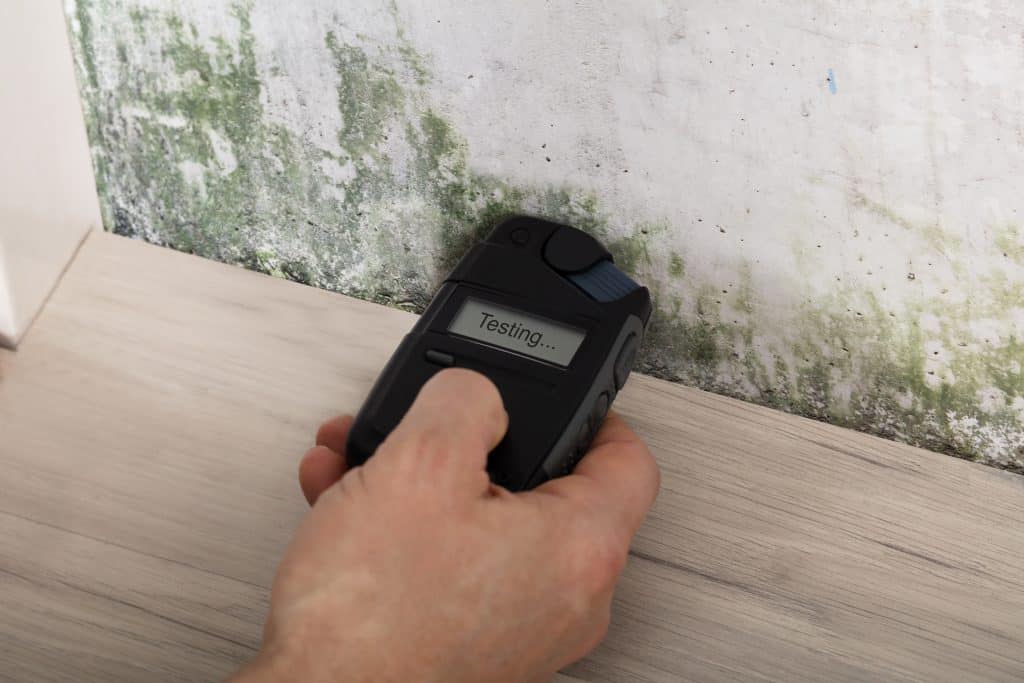
First, we come out for a free inspection. We’re looking for visible mold, but also checking places most people don’t think to look—behind walls, under flooring, around HVAC systems. We use moisture meters and thermal imaging to find hidden problem areas before they get worse.
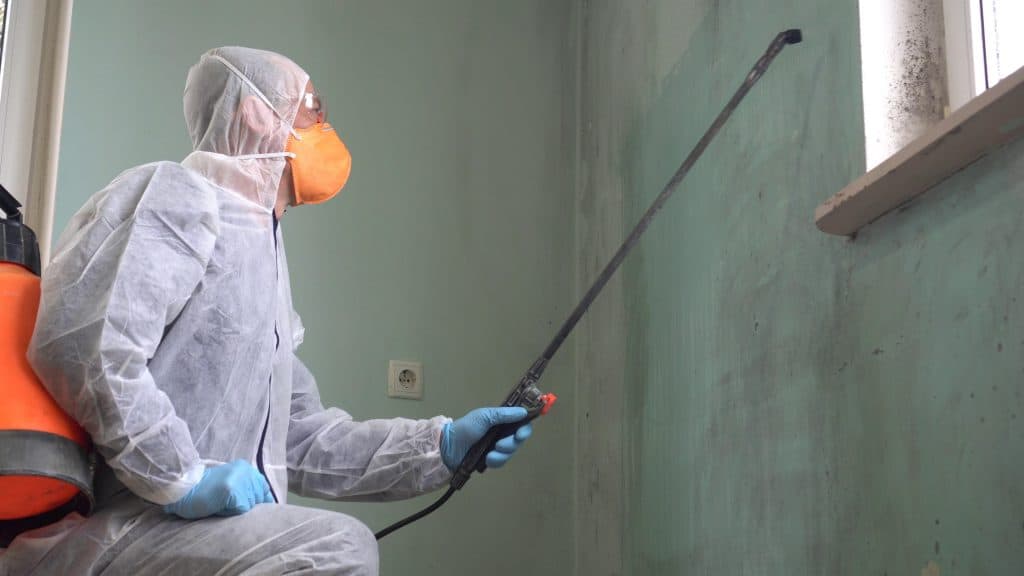
Once we know what we’re dealing with, we give you a clear estimate. No surprises. If you move forward, we contain the affected area to prevent mold spores from spreading during removal. Then we remove the mold using HEPA filtration and EPA-approved cleaning agents. We don’t just clean the surface—we remove contaminated materials if needed and treat the area to prevent regrowth.
After removal, we address the source. That might mean fixing a leak, improving ventilation, or recommending a dehumidifier for your basement. If we don’t fix what caused it, you’ll be calling someone again in six months. We also handle any necessary repairs or restoration so you’re not coordinating with multiple contractors.
Ready to get started?
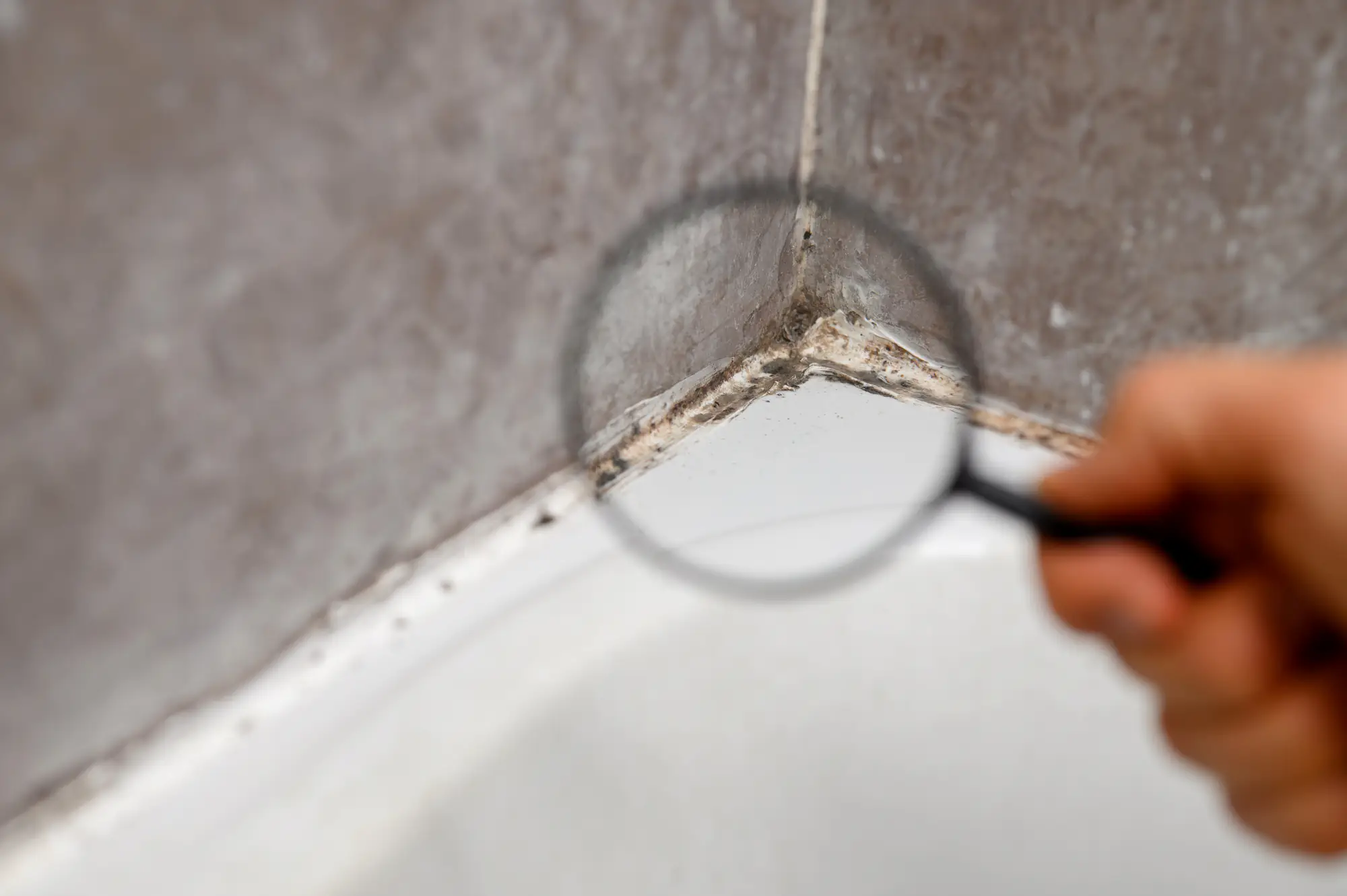
Every mold removal job starts with a thorough inspection at no cost to you. We document everything with photos, identify the type of mold, and map out the full scope of the problem. You get a detailed report before any work begins.
The removal itself includes containment setup, HEPA air filtration during the entire process, safe removal of all mold-contaminated materials, antimicrobial treatment of affected surfaces, and proper disposal of contaminated materials. We follow Pennsylvania regulations and EPA guidelines on every job—not because we have to, but because it’s the only way to do it safely.
Blue Ridge homes face specific challenges. The area’s humidity levels during summer create perfect conditions for mold growth, especially in basements and crawl spaces. Older homes in Bucks County often have ventilation issues that trap moisture. We factor in these local conditions when we develop your removal plan, which is why we also include recommendations for preventing future growth. That might mean suggesting better ventilation, identifying areas where water is getting in, or advising on humidity control.
Most residential mold removal jobs in Blue Ridge take between one and three days, depending on the size of the affected area and how far the mold has spread. A small bathroom with surface mold might be done in a day. A finished basement with mold behind drywall could take three days or more.
The timeline depends on a few factors. If we need to remove drywall, flooring, or insulation, that adds time. If the mold has spread to multiple rooms or into your HVAC system, we’re looking at a longer project. We also need to factor in drying time after we’ve cleaned and treated the area—rushing that step is how mold comes back.
We’ll give you a realistic timeline during the inspection. We don’t pad the schedule, but we also don’t cut corners to finish faster. You want this done once, not twice.
Mold removal and mold remediation are often used interchangeably, but technically, remediation is the more accurate term. Here’s why: you can’t remove every single mold spore from a home. Mold spores exist naturally in the air everywhere. What you can do is reduce mold levels back to normal, safe levels and fix the conditions that allowed it to grow out of control.
Remediation means we’re not just scrubbing visible mold off your walls. We’re removing contaminated materials, treating surfaces with antimicrobial solutions, controlling the spread of spores during the process, and addressing the moisture problem that caused it. That’s a more complete solution than just “removing” what you can see.
When people search for mold removal in Blue Ridge, they’re usually looking for the full remediation process—they just don’t know the industry term. Either way, what matters is that the job is done thoroughly and the problem doesn’t come back.
Mold removal costs in Blue Ridge typically range from $500 for a very small, contained area to $6,000 or more for extensive contamination affecting multiple rooms. Most homeowners end up somewhere in the $1,500 to $3,500 range for a standard basement or bathroom job.
The cost depends on the size of the affected area, how much material needs to be removed (drywall, insulation, flooring), whether the mold has spread into HVAC systems, and what caused the moisture problem in the first place. If we need to remove and replace building materials, that increases the cost. If it’s surface mold that can be treated and cleaned, it’s less expensive.
We offer free inspections specifically so you can get an accurate estimate before committing to anything. Some companies quote low to get in the door, then hit you with add-ons. We don’t work that way. You’ll know the full cost upfront, and we’ll work with your insurance company if your policy covers mold remediation.
If the mold covers less than 10 square feet, isn’t in your HVAC system, and you don’t have respiratory issues, you can technically handle it yourself using proper protective gear and EPA-recommended cleaning solutions. But most people underestimate the scope of the problem.
Here’s what happens: you see mold on a bathroom wall and think it’s just surface growth. You clean it with bleach, it looks gone, and three months later it’s back. That’s because the mold you saw was just the visible part. The real problem is often behind the wall, under the floor, or in areas you can’t easily access. DIY cleaning also risks spreading spores throughout your home if you don’t contain the area properly.
Black mold—specifically Stachybotrys chartarum—can cause serious health issues, especially for kids, elderly family members, or anyone with asthma or allergies. A mold specialist has the equipment to find hidden growth, remove it safely without contaminating other areas, and fix the moisture source so it doesn’t return. For anything larger than a small patch, or if you’re not sure what you’re dealing with, it’s worth getting a professional inspection. We offer them free for exactly this reason.
It depends on what caused the mold. Most homeowners insurance policies in Pennsylvania will cover mold removal if it resulted from a “covered peril”—like a burst pipe, storm damage, or a sudden leak from your water heater. If the mold developed because of long-term neglect, poor maintenance, or ongoing moisture issues you didn’t address, insurance typically won’t cover it.
The key is proving that the mold resulted from a sudden, unexpected event. Insurance companies will look at when the water damage occurred and whether you took reasonable steps to dry out the area quickly. If a pipe burst and you called for remediation within a few days, you’re likely covered. If your basement has been damp for years and now there’s mold, that’s considered a maintenance issue.
We work with insurance companies regularly and can help document the damage, provide detailed estimates, and communicate directly with adjusters. We’ve helped plenty of Blue Ridge homeowners navigate claims successfully. Even if insurance doesn’t cover the full cost, we’ll be straight with you about what to expect so there are no surprises.
All mold has the potential to cause health issues, especially if you’re exposed to it over time. You don’t need to wait for lab results to know you should take it seriously. If you see visible mold growth, smell a persistent musty odor, or notice unexplained respiratory symptoms that improve when you leave the house, you should get it inspected.
That said, certain types of mold are more concerning than others. Black mold (Stachybotrys) produces mycotoxins that can cause serious respiratory problems, chronic fatigue, and headaches. But even common molds like Aspergillus or Penicillium can trigger allergies and asthma attacks. The health risk depends on the type of mold, how much of it there is, and who’s being exposed. Young children, elderly individuals, and anyone with compromised immune systems are at higher risk.
During our inspection, we can identify the type of mold and assess the risk level. If you’re experiencing symptoms—persistent coughing, sneezing, itchy eyes, skin irritation, or worsening asthma—don’t wait to address it. Mold doesn’t get better on its own, and the longer it grows, the more expensive and complicated removal becomes.
Other Services we provide in Blue Ridge