
Hear from Our Customers
You get air that doesn’t make you cough. A basement you can actually use. Peace of mind that your kids aren’t breathing in something toxic while they sleep.
Most mold problems in Wissahickon aren’t just about the black spots on your bathroom ceiling. They’re about the humidity that comes with living near the Wissahickon Creek, the older homes built before anyone cared about vapor barriers, and the fact that Pennsylvania summers turn every hidden leak into a science experiment.
When mold gets handled correctly, you’re not just removing what you can see. You’re addressing the moisture source, the ventilation issues, and the conditions that let it grow in the first place. That’s the difference between a cleanup and actual mold remediation.
We’ve been serving Bucks County for over 25 years. We started back when most people didn’t realize mold could be a serious problem, and we’ve seen just about every scenario this area can throw at a homeowner.
Wissahickon homes face specific challenges. The older housing stock, the proximity to water, the way spring rains hit this part of Pennsylvania it all adds up. We know where mold hides in these homes because we’ve pulled back the drywall, crawled through the basements, and checked the attics in hundreds of properties just like yours.
We’re not the cheapest option, and that’s intentional. You’re paying for people who know the difference between surface mold and a systemic moisture problem, who follow EPA protocols, and who won’t leave until the job’s actually finished.
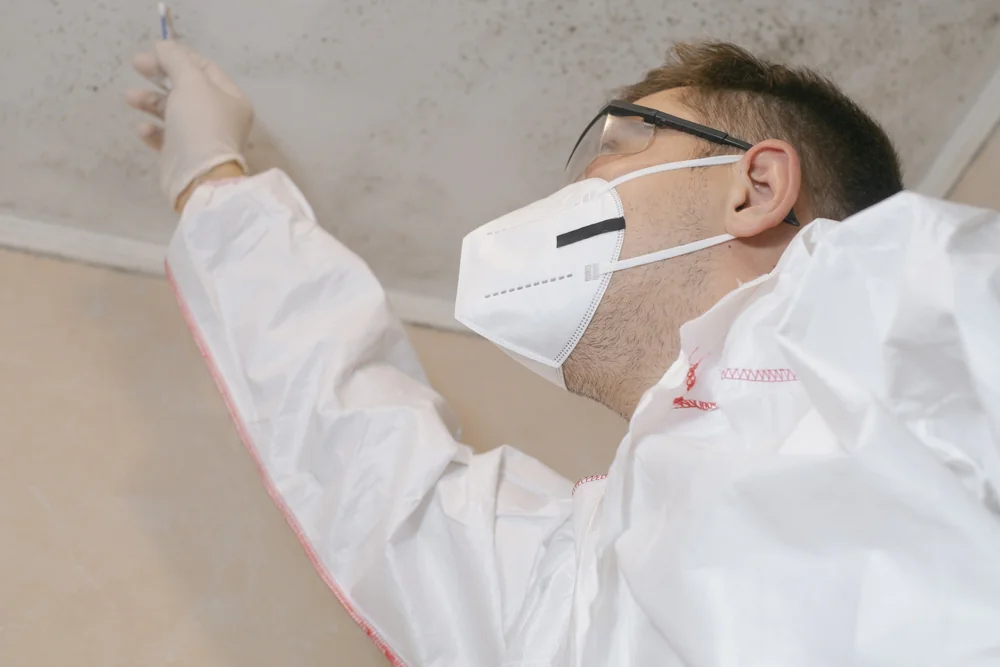
First, we inspect. That means checking the obvious spots and the ones most people miss behind baseboards, inside wall cavities, under flooring, in HVAC systems. We use moisture meters and thermal imaging to find where water’s getting in, because that’s what’s feeding the mold.
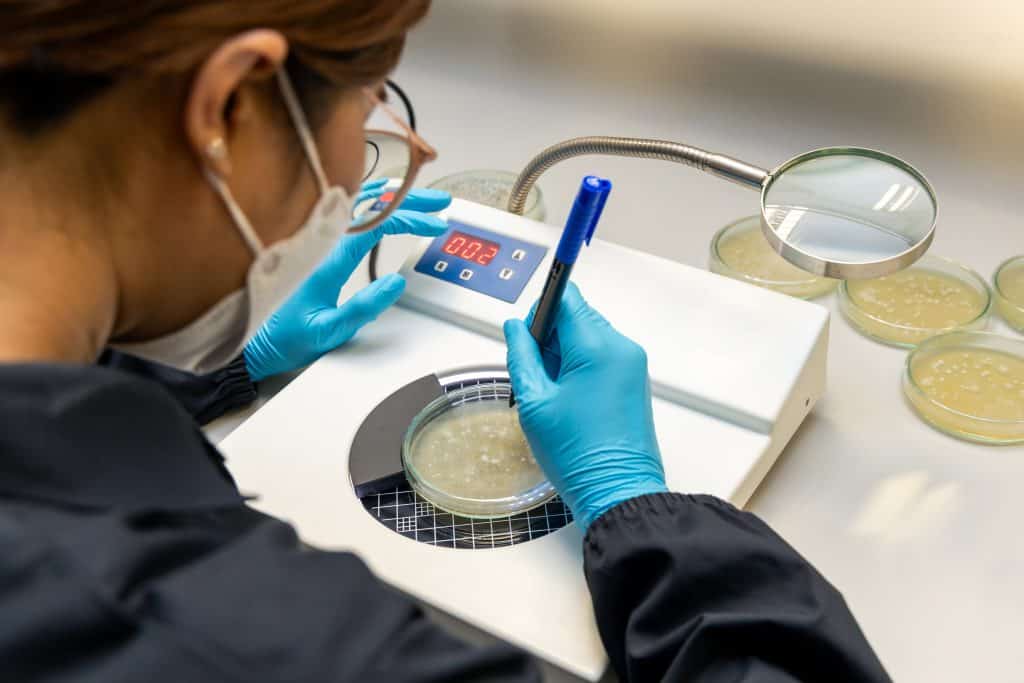
Then we test if needed. Not every job requires lab testing, but when you’re dealing with health symptoms or a large affected area, it’s worth knowing exactly what you’re up against. We can identify mold types and spore counts so you’re making decisions based on facts, not fear.
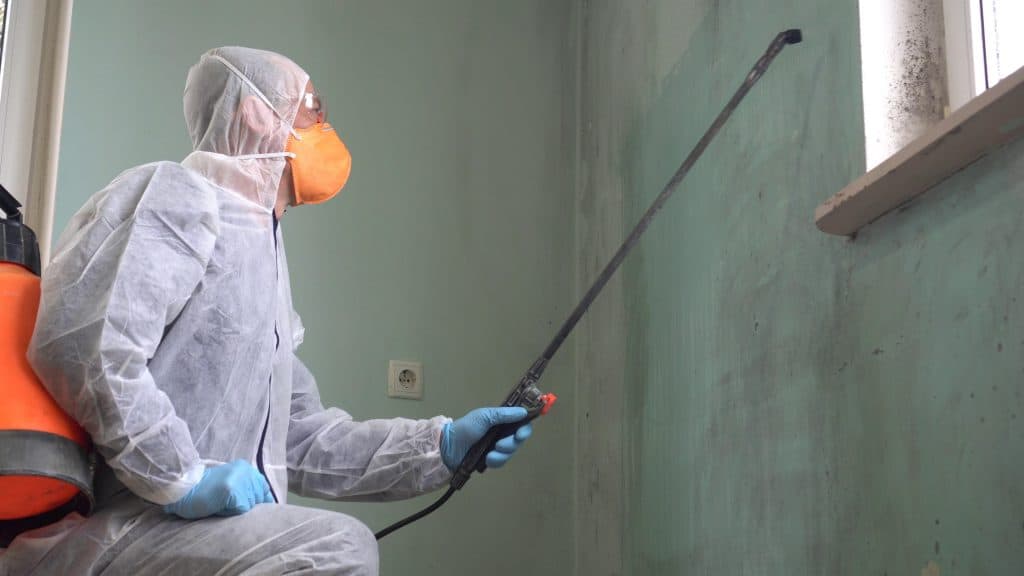
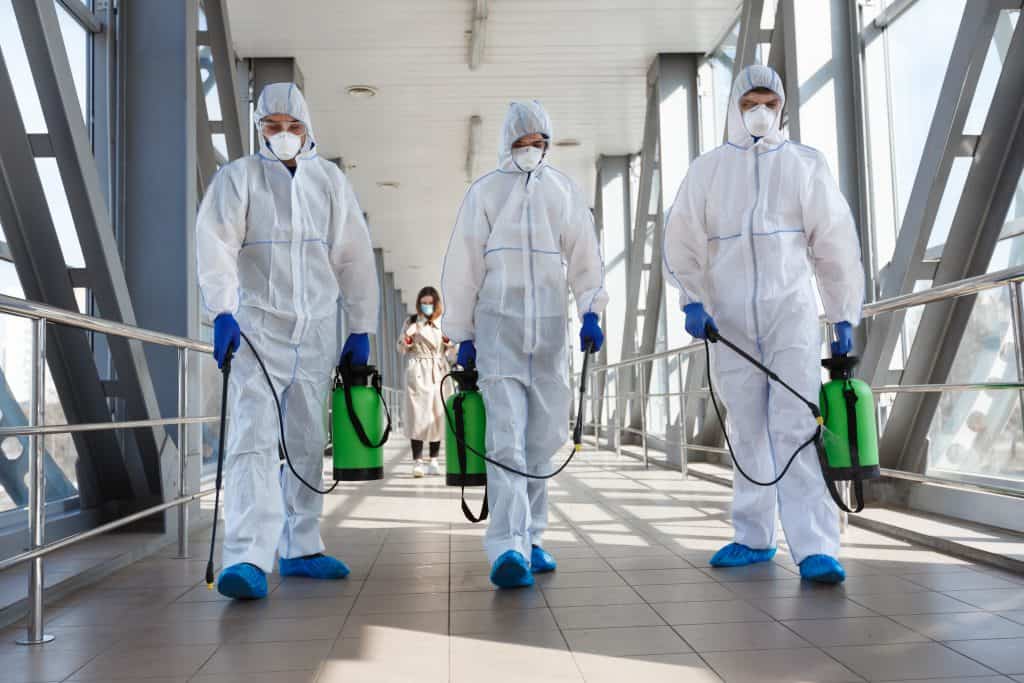
Once we know what we’re dealing with, we contain the area with plastic sheeting and negative air pressure systems. This keeps spores from spreading to clean areas while we work. Then we remove the contaminated materials, treat affected surfaces, and dry everything out completely. If there’s reconstruction needed afterward, we handle that too.
The last step is verification. We retest the air quality and do a final walkthrough to make sure the job’s complete and you’re actually safe to move back in.
Ready to get started?
You get a full inspection that identifies not just where the mold is, but why it’s there. That includes finding leaks, checking humidity levels, and looking at ventilation issues that are common in Wissahickon’s older homes.
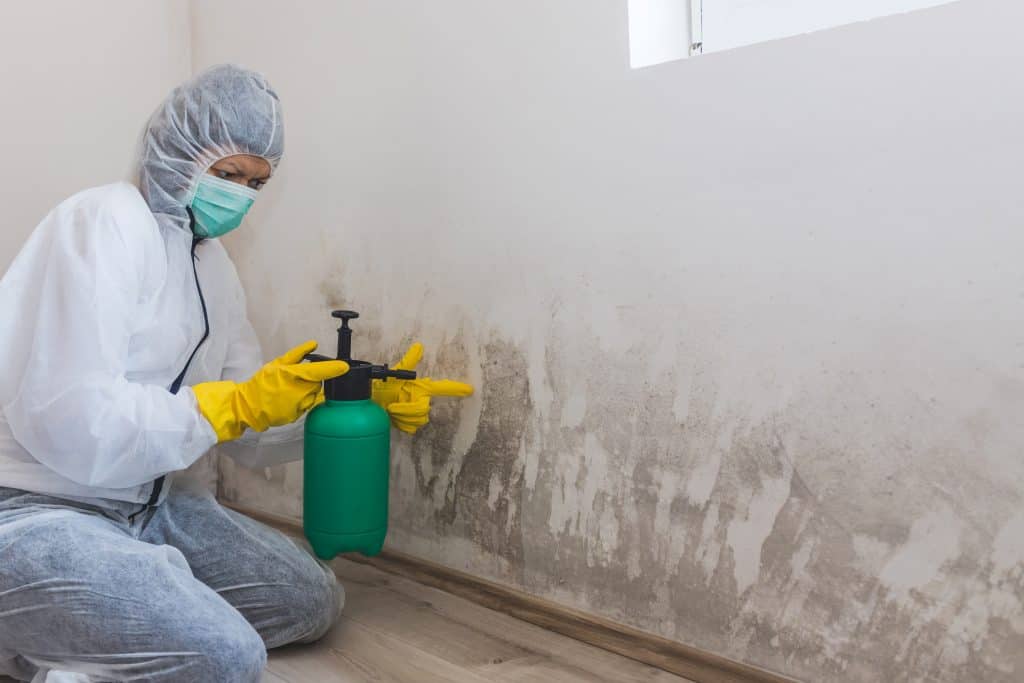
The actual mold removal follows EPA standards. We seal off the work area, remove contaminated materials safely, and treat surfaces with antimicrobial solutions. Everything gets dried out using commercial-grade dehumidifiers and air movers, because any moisture left behind just starts the cycle over again.
If your situation involves insurance, we’ll document everything and work with your adjuster. Most mold remediation projects in this area run between $1,200 and $3,400, though extensive problems can cost more. You’ll get upfront pricing before we start, and we offer flexible payment options if you’re paying out of pocket.
Pennsylvania’s humid summers mean timing matters. When relative humidity hits 60% or higher which happens regularly here from June through August mold can start growing within 24 hours. That’s why we offer emergency response when you need it, because waiting a week for an estimate can turn a small problem into a big one.
If you can see mold growing on surfaces, smell that musty odor that won’t go away, or you’re dealing with water damage that’s been sitting for more than 48 hours, you need professional help. DIY cleanup works for very small surface areas think a few square feet on a non-porous surface like tile. But once mold gets into drywall, insulation, or wood framing, you’re looking at a bigger problem.
The other sign is health symptoms that get better when you leave the house. Respiratory issues, headaches, allergy symptoms that won’t quit these can all point to mold exposure. Even if you can’t see it, mold can be growing inside walls, under flooring, or in your HVAC system.
In Wissahickon, the age of most homes means there are plenty of hidden spaces where moisture accumulates. Basements with old stone foundations, crawl spaces with dirt floors, attics with poor ventilation these are all common problem areas that need professional assessment.
Mold removal is just cleaning up what you can see. Mold remediation is fixing the actual problem so it doesn’t come back. That’s a critical distinction, because you can scrub mold off a wall all day long, but if you haven’t addressed the leak or humidity issue causing it, you’re just buying yourself a few weeks.
Proper remediation means identifying the moisture source, containing the affected area so spores don’t spread during cleanup, removing contaminated materials that can’t be saved, treating surfaces with antimicrobial solutions, and then drying everything out completely. It also means fixing whatever caused the moisture problem in the first place whether that’s a plumbing leak, poor ventilation, or water coming through your foundation.
The goal isn’t to remove every single mold spore from your home, because that’s impossible. Mold spores are everywhere. The goal is to get spore counts back to normal levels and eliminate the conditions that let mold grow in the first place. That’s what keeps your home safe long-term.
Most residential mold remediation projects take between three and seven days, depending on the size of the affected area and how much reconstruction is needed afterward. A small bathroom mold problem might be done in two days. A finished basement with mold behind the walls could take a week or more.
The timeline depends on a few factors. First is the extent of contamination how many rooms are affected and how deep the mold has penetrated. Second is drying time, because we can’t close everything up until moisture levels are back to normal. In humid Pennsylvania summers, that can take longer than it would in drier months.
Third is whether reconstruction is needed. If we have to remove drywall, insulation, or flooring, those materials need to be replaced before you can use the space again. We handle that work as part of the job, but it adds time to the overall project. You’ll get a clear timeline during the inspection so you know what to expect and can plan accordingly.
It depends on what caused the mold. If it’s from a sudden, accidental event like a burst pipe or a roof leak from storm damage most policies will cover remediation. If it’s from long-term neglect, poor maintenance, or ongoing moisture problems you didn’t address, probably not.
Insurance companies want to see that you took reasonable steps to prevent the problem and that you’re addressing it quickly once discovered. That’s why documentation matters. We take photos, keep detailed records, and work directly with adjusters to make the claims process smoother.
Most mold remediation in Wissahickon runs between $1,200 and $3,400 for typical projects. Smaller jobs might be $500 to $1,500, while extensive contamination can reach $5,000 or more. We provide free inspections and upfront pricing, so you’ll know the cost before deciding how to pay for it. If insurance doesn’t cover it, we offer flexible payment options to make the work manageable.
No. Painting over mold just traps it temporarily it’ll grow right through the paint within weeks. And bleach only kills surface mold on non-porous materials. It doesn’t penetrate porous surfaces like drywall or wood, which means the roots of the mold colony stay alive and keep growing.
Bleach also adds moisture to the surface, which can actually make the problem worse on porous materials. Plus, it releases fumes that aren’t great to breathe in enclosed spaces. There are better antimicrobial treatments that actually work on the materials found in most homes.
The bigger issue is that killing mold doesn’t solve anything if you haven’t fixed the moisture source. You can kill every spore in your basement today, but if you still have water seeping through the foundation or humidity levels above 60%, you’ll have mold again in a matter of weeks. That’s why proper remediation addresses both the mold and the conditions that allowed it to grow. Anything less is just wasting your time and money.
Don’t touch it or try to clean it yourself if it’s larger than a few square feet. Disturbing mold releases spores into the air, which can spread contamination to other areas of your home and increase your exposure. Keep the area isolated if possible close doors, turn off fans, and don’t run your HVAC system if you suspect mold in the ductwork.
If there’s an active water source like a leak, shut it off if you can do so safely. The faster you stop water from feeding the mold, the less it will spread. Take photos for insurance purposes, but don’t delay calling for an inspection just to document everything yourself.
If you’re experiencing health symptoms, get out of the affected area and stay out until professionals can assess the situation. Mold exposure affects people differently, but respiratory issues, headaches, and allergy symptoms are all signs you should take seriously. We offer emergency response for situations that need immediate attention, because waiting can turn a containable problem into one that affects your entire home.
Other Services we provide in Wissahickon