
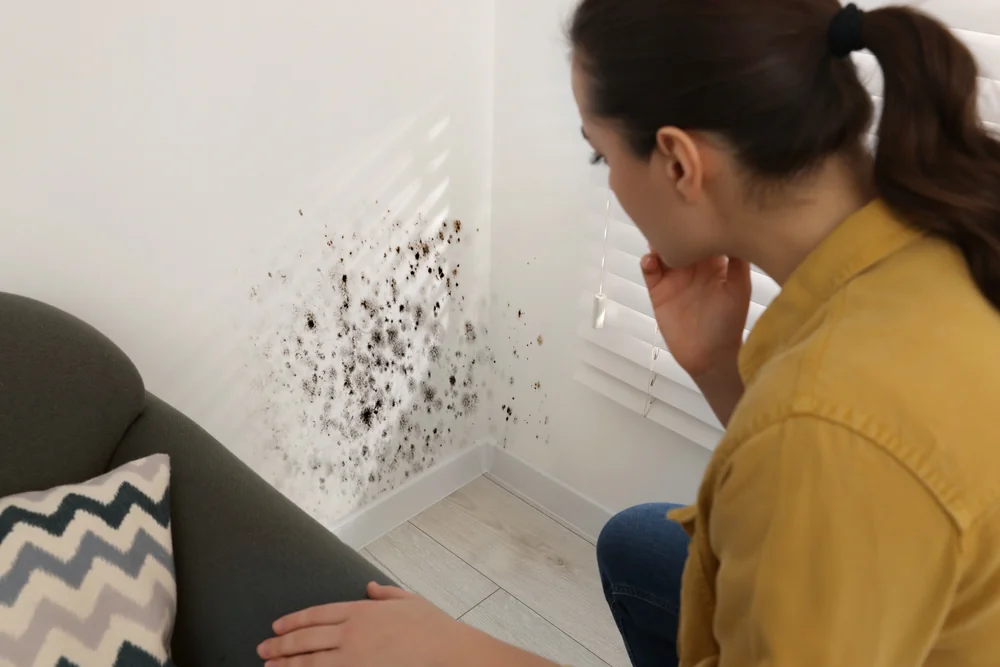
Hear from Our Customers
That persistent cough might not be seasonal allergies. The fatigue you can’t shake could be connected to what’s floating through your home.
You shouldn’t have to wonder if your air is safe. A home air quality test gives you actual data about what you’re breathing—mold spores, allergens, volatile organic compounds, bacteria. Not guesses. Not assumptions. Lab results that tell you exactly what’s there and how much.
This matters in Wissahickon, PA because roughly 40% of homes in this area were built before 1950. Older construction means aging foundations, outdated ventilation, and moisture issues that create perfect conditions for mold growth. Add Philadelphia’s humidity and proximity to the Schuylkill River, and you’ve got a recipe for indoor air problems that don’t announce themselves until someone gets sick or a home inspector finds contamination during a sale.
Professional air quality testing catches problems early. Early detection means smaller fixes, lower costs, and documentation you can use for insurance claims or real estate transactions. Most homeowners who test early save thousands compared to dealing with extensive contamination later.
We’ve been testing and treating indoor air quality issues in Wissahickon, PA and throughout the Philadelphia area for years. We understand the specific challenges that come with this region’s climate and housing stock.
Most homes here are traditional Philadelphia rowhouses with stone or brick exteriors built between 1900 and 1950. We know where moisture hides in these structures—behind old plaster walls, in unfinished basements, around original windows that were never properly sealed. We’ve seen what happens when humidity meets poor ventilation in homes that predate modern building codes.
When you call us, you’re working with people who’ve handled hundreds of indoor air quality tests in homes just like yours. We use thermal imaging and moisture meters to find problems you can’t see, and we send samples to nationally recognized labs that specialize in mold analysis. You get accurate data fast, plus clear explanations of what it means and what needs to happen next.
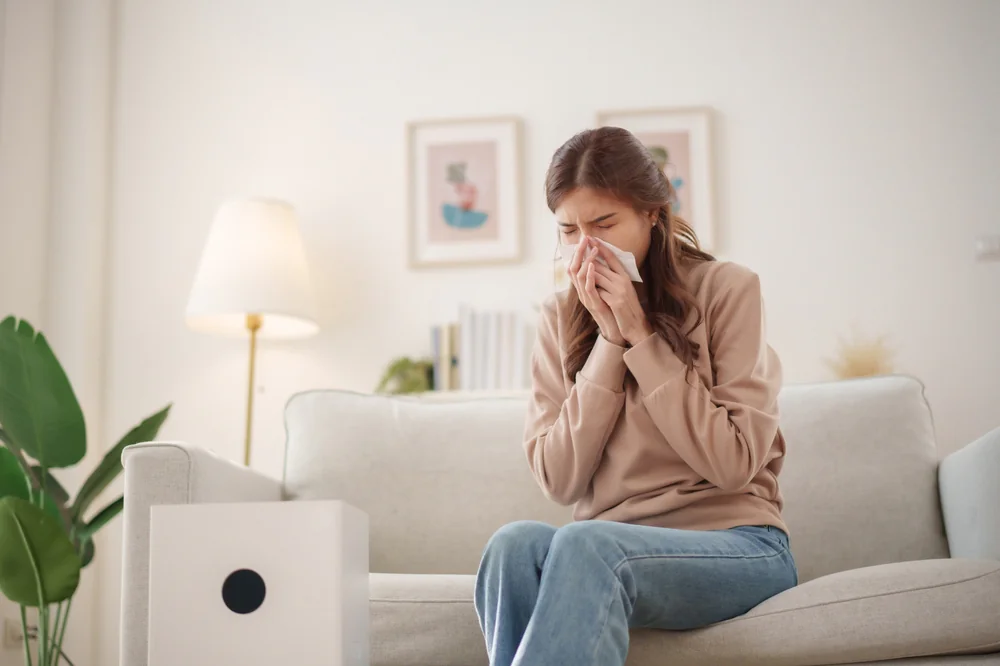
First, we schedule a time that works for you. When we arrive, we walk through your home and identify areas where contamination is most likely—basements, crawl spaces, bathrooms, areas around windows, anywhere moisture tends to accumulate.
We use thermal imaging cameras to detect temperature differences behind walls and ceilings. Cold spots often indicate moisture intrusion. We use moisture meters to measure humidity levels in building materials. High readings tell us where mold might be growing even if you can’t see it yet.
Then we collect air samples from multiple locations throughout your home. We also take outdoor samples for comparison, because some mold spores are always present in outdoor air. What matters is whether your indoor levels are significantly higher than outdoor levels—that’s when you have a problem.
Samples go to a certified lab for analysis. Results typically come back within three to five business days. The lab report identifies specific mold species, measures concentration levels, and compares your indoor air quality to outdoor baselines.
We review the results with you in plain language. No jargon. No scare tactics. Just honest information about what was found, whether it’s a health concern, and what your options are for addressing it. If remediation is needed, we explain exactly what that involves and provide upfront pricing before any work begins.
Ready to get started?
Every residential air quality testing appointment includes a full visual inspection of your property. We check basements, attics, crawl spaces, HVAC systems, and any areas where you’ve noticed musty odors, water stains, or visible growth.
We use professional-grade equipment—thermal imaging cameras and digital moisture meters—to detect problems in areas you can’t easily access. A DIY mold air test kit sitting on your counter won’t find hidden contamination behind walls or under flooring. Our approach does.
You receive a detailed lab report that breaks down exactly what was found in your air. The report includes specific mold species identification, spore concentration levels, and comparison to outdoor air samples. This documentation is critical if you’re filing an insurance claim, negotiating a real estate transaction, or just want proof that your home is safe.
We also provide a written summary with clear recommendations. If remediation is needed, we explain what that involves and give you pricing upfront. If your air quality is fine, we tell you that too. Many homeowners in Wissahickon, PA test their air after water damage, before buying or selling a home, or simply because they want peace of mind about their family’s health.
This area’s housing stock makes indoor air quality testing especially important. Homes built before modern moisture management practices became standard often have inadequate vapor barriers, insufficient drainage systems, and aging roofing materials. These conditions create ongoing risk for mold growth, particularly in basements and crawl spaces where humidity levels stay elevated year-round.
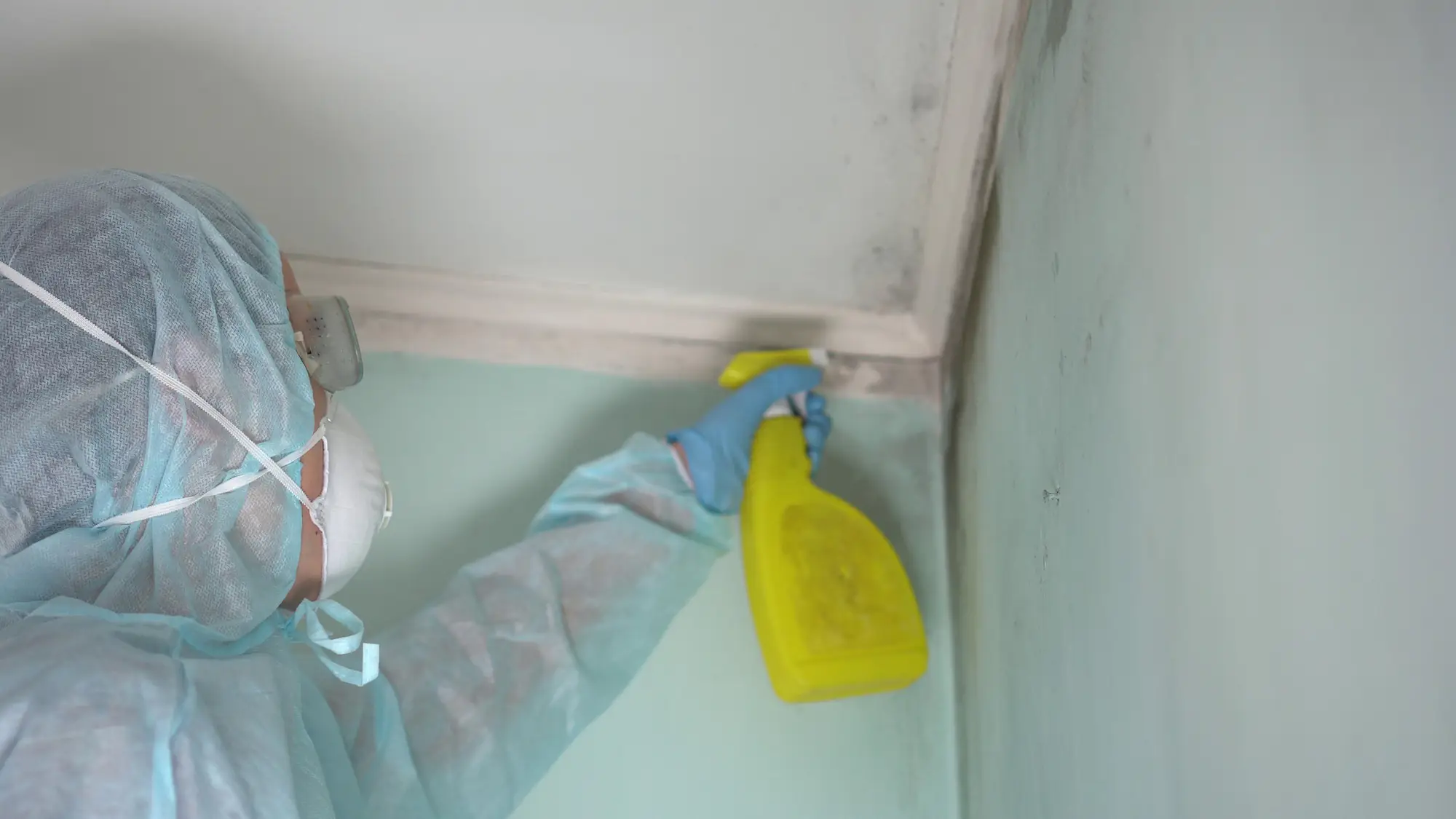
Most residential air quality testing in Wissahickon, PA runs between $300 and $600 depending on the size of your home and how many samples we need to collect. A typical single-family home requires three to five air samples plus one outdoor sample for comparison.
The cost includes the on-site inspection, sample collection, lab analysis, and a detailed report with recommendations. We provide upfront pricing before we start any work, so you know exactly what you’re paying for. No surprises.
Many homeowners insurance policies cover mold inspections if they’re related to a covered event like a burst pipe or roof leak. We’ve handled plenty of insurance claims over the years and know what documentation adjusters are looking for. If your policy covers it, we’ll make sure you have everything you need to file a successful claim.
DIY test kits are cheap, but they’re also limited. Most kits just tell you whether mold is present—which isn’t particularly useful because some level of mold spores exists in almost every home. What matters is the type of mold and the concentration level.
Professional testing uses calibrated equipment and lab analysis to give you specific information. We identify the species, measure the concentration, and compare it to outdoor levels to determine if your indoor air quality is actually compromised. That’s data you can use to make informed decisions.
DIY kits also can’t find hidden mold. If contamination is behind walls or under flooring, a test kit sitting on your counter isn’t going to detect it. We use thermal imaging and moisture meters to locate problem areas that aren’t visible, and we take samples from specific locations for accurate results. That’s the difference between guessing and knowing.
Lab results typically come back within three to five business days. We work with a nationally recognized lab that specializes in mold analysis, and they’re usually pretty quick with turnaround.
Once we have the results, we’ll call you to schedule a time to review them together. We go through the report line by line and explain what was found in plain language. If remediation is recommended, we discuss your options and provide pricing for the work.
Some situations require faster results—like if you’re in the middle of a real estate transaction with a closing deadline, or if someone in your home is experiencing serious respiratory symptoms. In those cases, we can sometimes arrange expedited lab processing for an additional fee. Just let us know your timeline when you schedule the inspection.
Air testing tells you what’s floating through your home’s air, which includes spores from hidden mold growth. If we find elevated levels of certain mold species that typically grow indoors—like Stachybotrys or Chaetomium—that’s a strong indicator of hidden contamination somewhere in the structure.
We also use thermal imaging during the inspection to identify areas with temperature differences that suggest moisture intrusion. Cold spots on interior walls often indicate water problems behind the surface. Moisture meters measure humidity levels in building materials, which tells us where conditions are right for mold growth.
If the air test and inspection point to hidden contamination, the next step is usually invasive investigation—carefully opening up walls or ceilings in suspected areas to confirm the source. We don’t start tearing into your home without good reason, but sometimes that’s the only way to locate and address the problem. The air test gives us the data we need to make that call.
Both. Testing before remediation establishes a baseline and documents the extent of contamination. That’s important for insurance claims and for knowing exactly what you’re dealing with before work begins.
Testing after remediation—called clearance testing or post-remediation verification—confirms the job was done right. We collect new air samples and compare them to outdoor levels to make sure spore counts are back to normal. If levels are still elevated, that tells us there’s either more contamination that wasn’t addressed, or the remediation wasn’t completed properly.
We don’t consider a job finished until clearance testing confirms the air is safe. That’s your proof that the money you spent actually solved the problem. It’s also documentation you can provide to insurance companies, real estate buyers, or anyone else who needs verification that your home’s air quality has been restored.
Yes. Comprehensive indoor air quality testing covers everything that matters for your family’s health. We test for mold spores, bacteria, allergens like pollen and pet dander, and volatile organic compounds that off-gas from building materials, furniture, and household products.
VOCs are particularly important in older homes that have been renovated. New flooring, paint, cabinets, and insulation can release chemicals into your air for months after installation. Some VOCs cause headaches, dizziness, and respiratory irritation. Testing identifies which compounds are present and whether concentrations are high enough to be a concern.
If you have specific concerns—like radon, asbestos, or lead dust—those require separate specialized testing. But for general indoor air quality assessment focused on biological contaminants and common chemical pollutants, our standard testing protocol covers what you need to know. We can discuss additional testing options during the inspection if your situation warrants it.
Other Services we provide in Wissahickon