
Hear from Our Customers

You’re dealing with mold because something got wet and stayed wet too long. Maybe it’s a basement that never quite dried out after last spring’s rain, or a bathroom exhaust fan that’s been broken for months, or a slow leak behind a wall you didn’t know existed.
Whatever caused it, mold doesn’t wait. It spreads into places you can’t see behind drywall, under flooring, inside HVAC ducts. And the longer it sits, the worse it gets for your health and your property.
Professional mold remediation means finding every spot where mold is growing, removing it completely using containment and HEPA filtration so spores don’t spread during cleanup, and fixing the moisture problem so it doesn’t come back next month. You’re not just cleaning what you can see. You’re addressing what’s hidden and what caused it in the first place.
When the job’s done right, your indoor air quality improves, respiratory symptoms stop getting worse, and you’re not wondering if there’s still mold growing somewhere you missed.
We’ve been handling mold remediation in University City and the greater Philadelphia area for over 15 years. We’re not a national franchise with rotating crews we’re local, and the owner is personally involved in your project.
University City homes have specific mold challenges. The housing stock here includes a lot of properties built in the 1920s through 1940s with original plumbing, aging foundations, and basement moisture issues that come with vintage construction. We’ve seen it all shared wall moisture transfer in duplexes, failed waterproofing in row home basements, HVAC condensation problems in converted multi-family buildings.
Our team includes certified mold inspectors who use thermal imaging and moisture meters to find problems before they become structural nightmares. We follow IICRC protocols, work with your insurance company when coverage applies, and give you upfront pricing before we start. No surprises, no runaround.
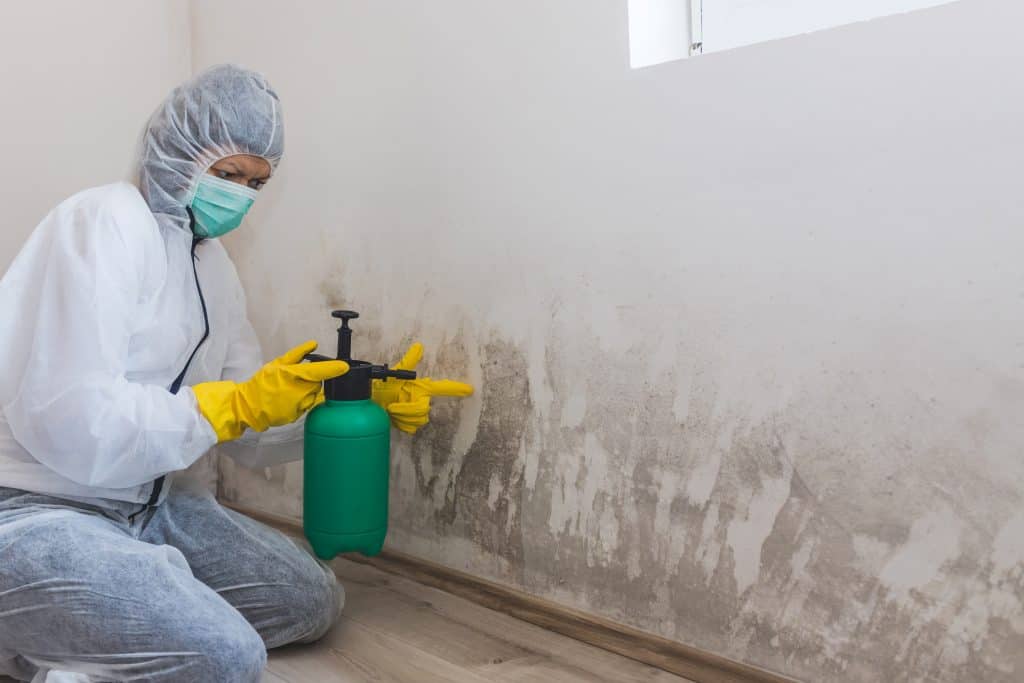
First, we inspect your property the whole thing, not just where you see visible mold. We check behind walls with moisture meters, look at HVAC systems, inspect crawl spaces and attics. We’re looking for active growth and the moisture source feeding it.
You get a written assessment that explains what we found, where the mold is, what type it likely is, and what’s causing it. We also give you a detailed estimate that breaks down the scope of work and the cost. If you’re filing an insurance claim, we help with documentation.
Once you approve the plan, we set up containment barriers to isolate the affected area and prevent cross-contamination. We use negative air pressure and HEPA filtration during removal. All contaminated materials get bagged and disposed of properly.
After removal, we treat surfaces with antimicrobial solutions and verify the area is clean using post-remediation testing if needed. Then we address the moisture issue whether that’s fixing a leak, improving ventilation, or recommending dehumidification. The goal is making sure mold doesn’t come back.
Ready to get started?
Mold remediation isn’t just scrubbing walls with bleach. It’s a multi-step process that requires containment, proper removal, air filtration, and source correction.
You get a thorough mold inspection using moisture detection technology to find hidden growth in wall cavities, under flooring, and in ceiling spaces. In University City’s older homes, we often find mold in basements with failing foundation waterproofing or in bathrooms with inadequate ventilation common issues in properties built before modern building codes.
The removal process includes physical containment with plastic sheeting and negative air machines equipped with HEPA filters to capture airborne spores. We remove affected materials like drywall, insulation, or flooring that can’t be salvaged. Structural elements that can be cleaned get treated with EPA-registered antimicrobial products.
We also handle the cleanup and disposal of contaminated materials, plus post-remediation verification to confirm the space is safe. If you need reconstruction after removal like replacing drywall or repainting we coordinate that too. And because roughly 20-50% of homes in the U.S. have dampness issues that fuel mold growth, we identify what needs to change to prevent recurrence, whether that’s a dehumidifier, better exhaust fans, or a plumbing repair.

Most residential mold remediation projects in University City take between one and three days, depending on the extent of contamination and the size of the affected area. A single bathroom with mold around a tub or shower might be done in a day. A finished basement with mold growth across multiple walls and in the HVAC system could take three to five days.
The timeline depends on how much material needs to be removed, how long containment and drying take, and whether we’re dealing with hidden mold that requires opening walls or ceilings. We don’t rush the process cutting corners means mold comes back, and you’re paying for the same job twice.
After we remove the mold, the area needs to dry completely before reconstruction starts. In University City’s humid climate, especially in basements with poor ventilation, drying can add a day or two. We use commercial dehumidifiers and air movers to speed this up safely.
It depends on what caused the mold. Most homeowners insurance policies in Pennsylvania cover mold remediation if the mold resulted from a “covered peril” like a burst pipe, a roof leak from storm damage, or water damage from a failed appliance. If mold grew because of long-term neglect, poor maintenance, or a slow leak you didn’t address, coverage is usually denied.
Insurance companies want to see that the water damage was sudden and accidental, not gradual. They also typically require that you start drying and remediation within 24 to 48 hours of discovering water damage to prevent mold from spreading.
We work with insurance companies regularly and can help document the damage, provide estimates, and communicate directly with adjusters if you want us to. We’ve seen claims approved and denied, and the difference usually comes down to how the damage is documented and whether the cause fits your policy’s definitions. Read your policy’s mold exclusion clause carefully, and call your agent before assuming you’re covered.
Mold exposure affects people differently depending on the type of mold, the amount of exposure, and individual sensitivity. The most common health complaints we hear from University City residents are respiratory issues coughing, wheezing, throat irritation, and sinus congestion that won’t go away.
People with asthma or allergies usually have it worse. The EPA estimates that about 4.6 million asthma cases in the U.S. are directly caused by mold, and as many as 21% of asthma cases may result from mold exposure. Pennsylvania schoolchildren face an asthma rate of 13.9% nearly double the national average and mold in homes and schools is a contributing factor.
Black mold, or Stachybotrys, can cause more serious reactions including chronic fatigue, headaches, skin rashes, and in severe cases, respiratory infections or lung inflammation. Some people report cognitive issues like brain fog or difficulty concentrating after prolonged exposure. If you or your family members have unexplained health symptoms that improve when you leave the house, mold could be the reason.
Visible mold is easy to spot, but hidden mold is the bigger problem. You might have mold growing inside walls, under flooring, in HVAC ducts, or in ceiling cavities without seeing a single spore.
Warning signs include a persistent musty smell that doesn’t go away even after cleaning, water stains or discoloration on walls and ceilings, peeling or bubbling paint, and warped or soft drywall. If you’ve had any water damage in the past even if you dried it out and you didn’t use professional equipment, there’s a chance mold started growing in hidden areas.
In University City’s older homes, common hidden mold locations include basements with foundation cracks or failed waterproofing, behind walls where old galvanized pipes are leaking slowly, and in attics with roof leaks or poor ventilation. We use thermal imaging cameras and moisture meters during inspections to detect temperature differences and moisture levels that indicate hidden mold growth. A professional mold inspection is the only way to know for sure what’s happening behind your walls.
If the mold covers less than 10 square feet, it’s on a hard, non-porous surface like tile or glass, and you don’t have health conditions that make you sensitive to mold, you can try cleaning it yourself using detergent and water. The EPA says small areas can be handled by homeowners if done carefully.
But if the mold is on porous materials like drywall, insulation, carpet, or wood, DIY cleaning doesn’t work. Mold roots penetrate porous surfaces, so wiping the surface just removes what you see the roots stay and regrow. You need to remove and replace those materials.
You also shouldn’t handle mold removal yourself if it’s caused by contaminated water like sewage, if it’s covering more than 10 square feet, if it’s in your HVAC system, or if you have asthma, allergies, or a compromised immune system. Disturbing mold without proper containment spreads spores throughout your home and makes the problem worse. Professional remediation uses containment barriers, HEPA filtration, and proper disposal methods to remove mold safely without cross-contaminating other areas. In University City’s older homes where mold often hides in wall cavities and basements, a professional inspection is the smarter move.
Mold needs moisture, organic material to feed on, and the right temperature. University City homes provide all three, especially older properties with aging infrastructure.
The most common causes we see are basement moisture from foundation issues or poor drainage, bathroom humidity from broken or inadequate exhaust fans, roof leaks in older homes with original or aging shingles, and plumbing leaks from old galvanized pipes or failing fixtures. University City has a lot of row homes and multi-family buildings where shared walls can transfer moisture between units, and HVAC systems in older buildings often lack proper condensation drainage.
Pennsylvania’s climate doesn’t help. The state ranks in the top 60% for mold susceptibility in the Northeast, and Philadelphia specifically ranks as the 85th moldiest city in the U.S. Humidity levels here, combined with older housing stock, create perfect conditions for mold growth. If you have a water problem and don’t dry the area completely within 24 to 48 hours, mold starts growing. It spreads fast, and it doesn’t stop until the moisture source is fixed.
Other Services we provide in University City