
Hear from Our Customers

Mold doesn’t just look bad. It spreads fast, triggers respiratory problems, and can drop your property value by 20-37% if left unchecked. In Bucks County’s humid climate, mold finds perfect conditions to grow within 24-48 hours of water exposure.
You need more than surface cleaning. You need containment that stops spores from spreading to other rooms. You need lab-tested identification so you know exactly what species you’re dealing with and whether it’s hazardous. You need moisture control that addresses the root cause, not just the visible growth.
When the job’s done right, you breathe easier. Your family stops dealing with allergies and skin irritation. Your home value stays protected. And you’re not calling someone back in six months because the problem returned.
We’ve spent over 15 years handling mold problems across Spruce Hill and the surrounding Bucks County area. We’re not a national franchise following a script. We’re a local, family-owned business that understands how Pennsylvania’s humidity, aging housing stock, and proximity to waterways create ongoing mold challenges for homeowners.
Our team includes an HVAC technician, a master plumber, and building inspector-level analysis. That means we don’t just remove mold we identify why it’s growing in the first place. Whether it’s a hidden leak, poor ventilation, or condensation from your AC system, we fix the source so you’re not dealing with the same issue next season.
You’ll work directly with our owner, not a call center. We show up when we say we will, explain what we find in plain language, and give you upfront pricing before any work starts.
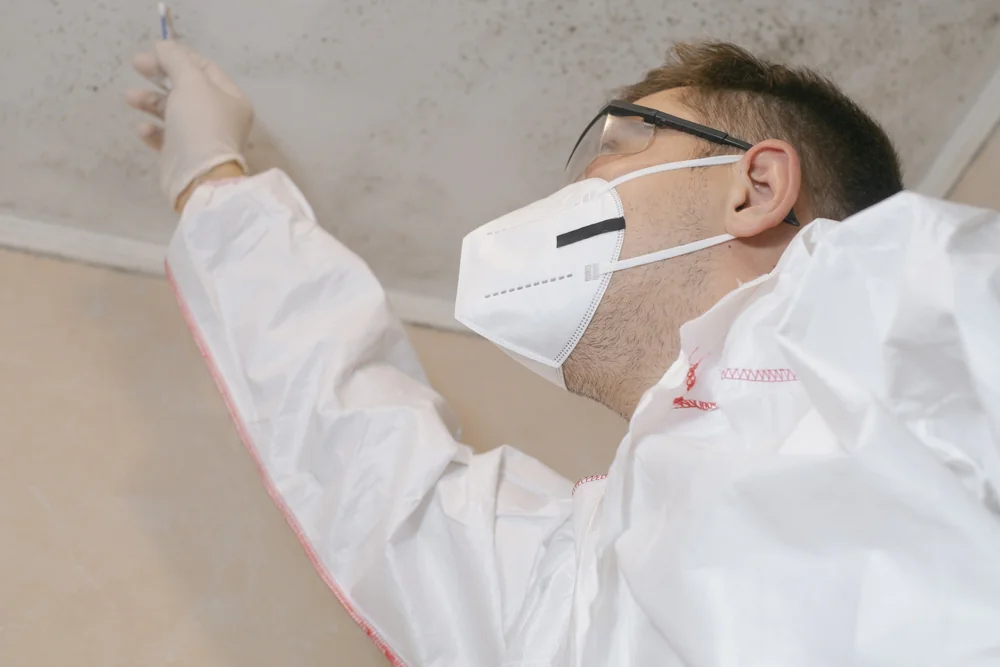
First, we come out for a free mold inspection. We use infrared cameras and digital moisture meters to detect problems behind walls, under floors, and in areas you can’t easily access. This isn’t a visual-only check we’re measuring moisture levels and identifying hidden growth before it becomes a bigger issue.
Next, we collect samples and send them to a certified lab. You get a detailed report that identifies the specific mold species, concentration levels, and whether it poses health risks. This step matters because not all mold requires the same response, and you deserve to know exactly what you’re dealing with.
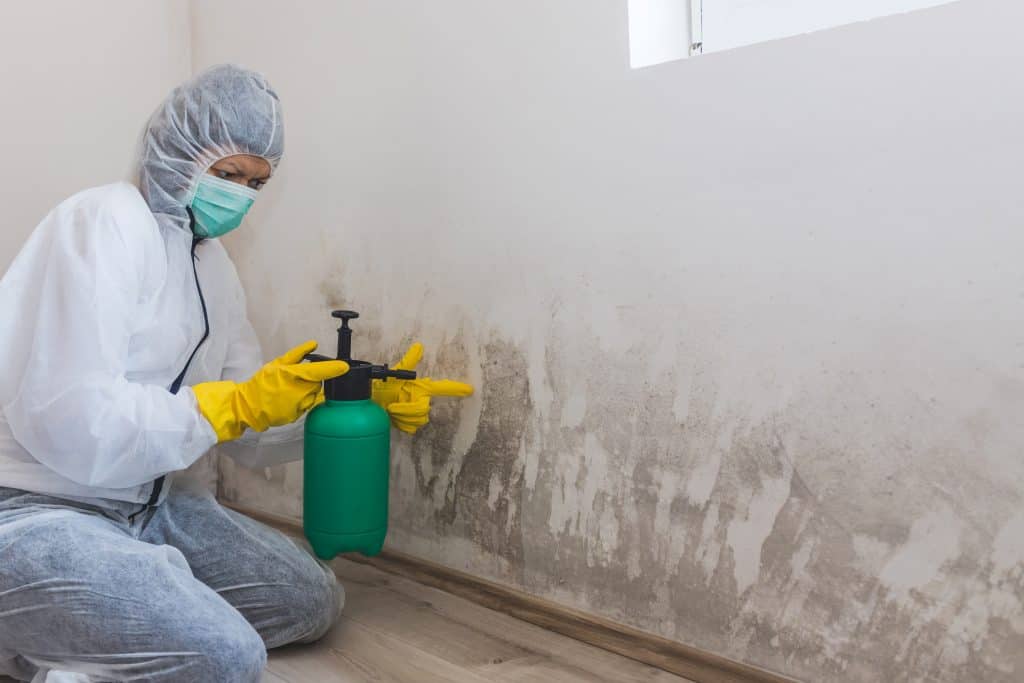
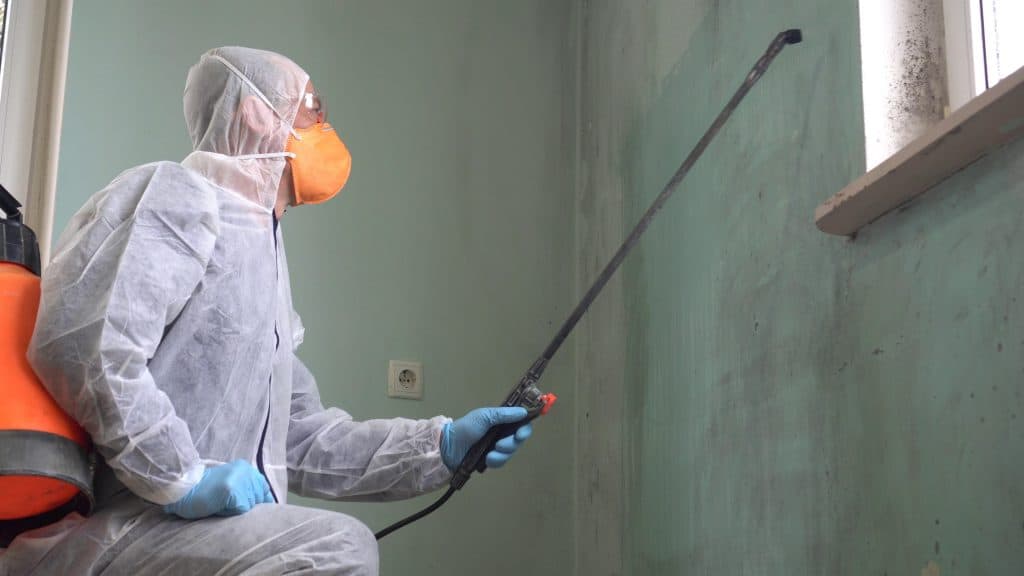
Once we have the results, we contain the affected area using physical barriers and negative air pressure. This stops spores from spreading during removal. We then remove contaminated materials, treat surfaces with antimicrobial solutions, and use HEPA filtration to clean the air.
Finally, we address the moisture source. Whether that’s repairing a leak, improving ventilation, or adjusting your HVAC system, we make sure the conditions that allowed mold to grow don’t come back. You get documentation for insurance claims if needed, and we’re available 24/7 if you’re dealing with an emergency situation like flooding or storm damage.
Ready to get started?
You get a full-scope mold removal service that covers inspection, testing, containment, removal, and prevention. We handle basement mold from foundation leaks, attic mold from roof damage or poor ventilation, and HVAC mold that circulates spores throughout your home.
Spruce Hill’s location in Bucks County means you’re dealing with higher humidity levels than many parts of Pennsylvania. Summer months bring 62-93% humidity, which creates ideal conditions for mold growth. Older homes in the area often have outdated ventilation systems and aging plumbing that contribute to moisture problems. We see these issues constantly, and we know how to address them for the long term.
Our mold testing services use certified laboratories, not quick pass/fail kits. You receive detailed analysis showing mold species, spore counts, and health risk assessments. This information helps you make informed decisions about remediation scope and gives you documentation if you’re filing an insurance claim or preparing to sell your home.
We also assist with insurance claims. Many homeowners don’t realize their policy covers mold damage if it resulted from a covered event like a burst pipe or storm damage. We provide the documentation and communication your insurance company needs to process your claim efficiently.

Most mold remediation projects in Bucks County range from $1,500 to $6,000 depending on the size of the affected area and the extent of the damage. Small jobs under 10 square feet might cost less, while extensive contamination requiring structural repairs can reach $10,000 to $20,000.
The EPA sets a clear threshold: mold growth covering more than 10 square feet requires professional remediation. Anything smaller, you can potentially handle yourself with proper safety equipment. But if you’re seeing widespread growth, smelling musty odors throughout your home, or dealing with water damage that’s been sitting for more than 48 hours, you’re likely looking at a job that needs professional equipment and containment.
We provide free inspections and upfront pricing. You’ll know exactly what the job costs before we start any work. We also offer flexible payment options and financing to make the process more manageable. If your mold resulted from a covered insurance event, we’ll work directly with your insurance company to help you navigate the claims process.
Most residential mold remediation jobs take 1-5 days depending on the size and complexity. A single bathroom or small basement area might be completed in a day or two. Larger projects involving multiple rooms, HVAC systems, or structural repairs can take a week or more.
The timeline breaks down into phases. Inspection and testing happen first usually within 24 hours of your call. Lab results come back in 2-3 days. Once we have those results, we schedule the actual remediation work. Containment and removal typically take 1-3 days for average-sized areas. Then we need drying time, which varies based on materials and humidity levels but usually adds another 1-2 days.
We’re available 24/7 for emergency situations. If you’re dealing with flooding, storm damage, or a situation where mold is actively spreading, we can start containment immediately to prevent further damage while we wait for lab results. The faster you act, the less extensive the remediation becomes. Mold starts growing within 24-48 hours of water exposure, so timing matters.
Black mold (Stachybotrys chartarum) gets the most attention because it produces mycotoxins that cause serious respiratory problems, especially in children, elderly people, and anyone with compromised immune systems. But other species like Aspergillus, Penicillium, and Cladosporium also pose health risks and require proper removal.
You can’t identify mold species by color alone. Black mold isn’t always black, and not all black-colored mold is the toxic variety. That’s why lab testing matters. We collect samples and send them to certified laboratories that identify the specific species and measure concentration levels. This tells you whether you’re dealing with a minor irritant or a serious health hazard.
Any mold growth larger than 10 square feet needs professional remediation according to EPA guidelines. Even smaller amounts warrant professional help if the mold is in your HVAC system (where it spreads throughout your home), if you’re experiencing health symptoms, or if it keeps coming back after you’ve cleaned it. Recurring mold means there’s a moisture source you haven’t addressed, and that requires building-level diagnosis to fix properly.
Mold comes back if the moisture source isn’t fixed. You can remove every visible spore, but if you still have a leaking pipe, poor ventilation, or condensation problems, you’re just creating the same conditions that caused growth in the first place.
That’s why our process includes moisture source identification and correction. We don’t just clean up what you can see. Our team includes a master plumber and HVAC technician who can diagnose and fix the underlying problems. Maybe it’s a foundation crack letting groundwater seep into your basement. Maybe it’s bathroom exhaust venting into your attic instead of outside. Maybe it’s an oversized AC unit that cools too quickly without removing enough humidity.
We also provide prevention strategies specific to your home and Bucks County’s climate. That might mean installing a dehumidifier, improving attic ventilation, regrading soil away from your foundation, or upgrading to moisture-resistant materials in high-risk areas. You get a clear explanation of what caused the problem and what needs to change to prevent recurrence. If mold returns because we missed something, we come back and make it right.
It depends on the size and location of the contamination. For small, contained areas like a single bathroom or closet, you can usually stay in your home while we work. We seal off the work area with physical barriers and use negative air pressure to prevent spores from spreading to other rooms.
Larger jobs involving multiple rooms, HVAC systems, or toxic mold species might require temporary relocation, especially if you have young children, elderly family members, or anyone with respiratory conditions. We’ll tell you upfront if leaving is necessary based on what we find during inspection and testing.
The containment process is thorough. We use heavy-duty plastic sheeting to seal doorways and vents. We set up HEPA air scrubbers that filter particles down to 0.3 microns. We maintain negative air pressure so air flows into the work area, not out into your living spaces. These precautions protect your family and prevent cross-contamination. Most homeowners are surprised by how little disruption they experience, even during significant remediation work.
Pennsylvania homeowners insurance typically covers mold damage if it resulted from a covered peril like a burst pipe, storm damage, or appliance malfunction. It usually doesn’t cover mold from long-term maintenance issues like a slow leak you ignored or chronic humidity problems.
The key is proving the mold resulted from a sudden, accidental event. If your washing machine hose bursts and floods your basement, and mold grows as a result, that’s generally covered. If your roof has been leaking for months and you didn’t fix it, that’s considered maintenance neglect and won’t be covered.
We help with the claims process. We document everything with photos, moisture readings, and lab reports. We communicate directly with adjusters and provide detailed estimates that meet insurance company requirements. We’ve worked with every major carrier serving Bucks County, and we know what documentation they need to approve claims quickly. Many homeowners don’t realize they have coverage until we walk them through their policy and show them how the damage qualifies.
Other Services we provide in Spruce Hill