

Hear from Our Customers
The sneezing stops. The musty smell disappears. Your kids aren’t coughing at night anymore.
That’s what happens when mold removal is done right. Not just sprayed over or wiped down, but actually removed at the source.
You’re not wondering if it’s still hiding behind the drywall or under the carpet. You’re not second-guessing whether your family is safe. The air feels cleaner because it is cleaner.
And you’re not dealing with the same problem six months from now. When we fix the moisture issue causing the mold, it stays fixed. That’s the difference between a real solution and a temporary cover-up.
Your home protects your family again instead of making them sick. That’s the outcome that matters.
We work throughout Bucks County and the greater Philadelphia area. We’ve seen what Pennsylvania’s humid summers and aging housing stock do to homes in Spruce Hill and surrounding communities.
Basements that flood every spring. Attics with poor ventilation. HVAC systems that haven’t been maintained in years. These aren’t just inconveniences—they’re mold factories.
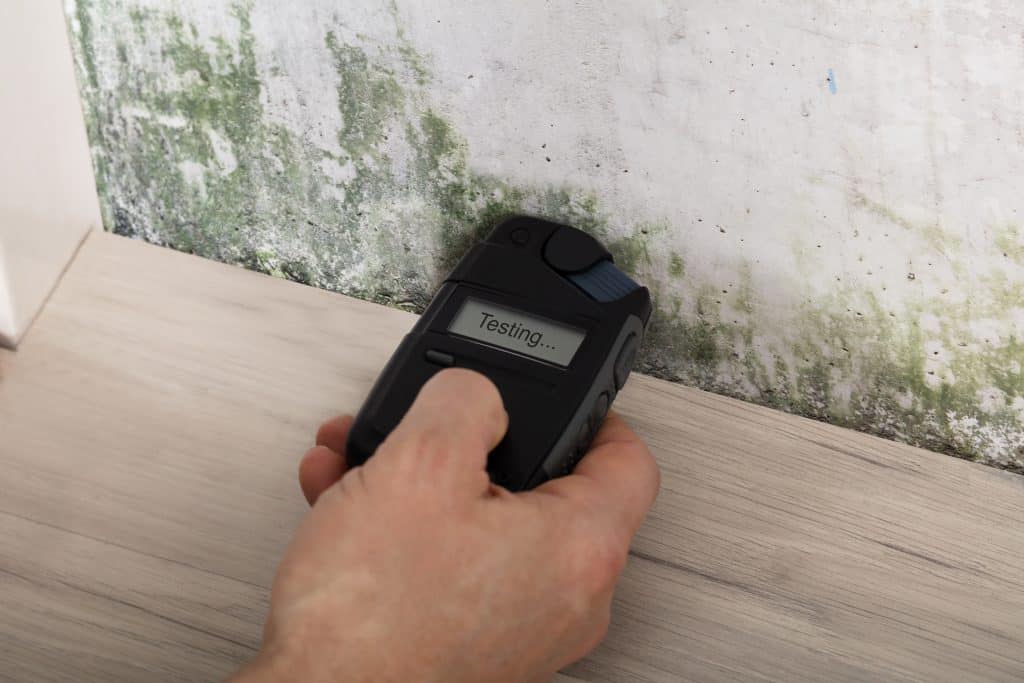
We use EPA-approved methods and the same equipment commercial remediation companies use: moisture meters, infrared cameras, HEPA filtration, and containment systems that actually work. You’re not getting a guy with a spray bottle. You’re getting certified professionals who know how to find mold, remove it safely, and address what caused it in the first place.

First, we inspect your property for free. We’re looking for visible mold, but also using moisture meters and infrared cameras to find what’s hidden. Mold behind walls, under flooring, in your HVAC system—places you’d never think to check.
Once we know what we’re dealing with, you get a clear estimate. No surprises, no upselling once we’re halfway through the job. Just straightforward pricing for the work that actually needs to happen.
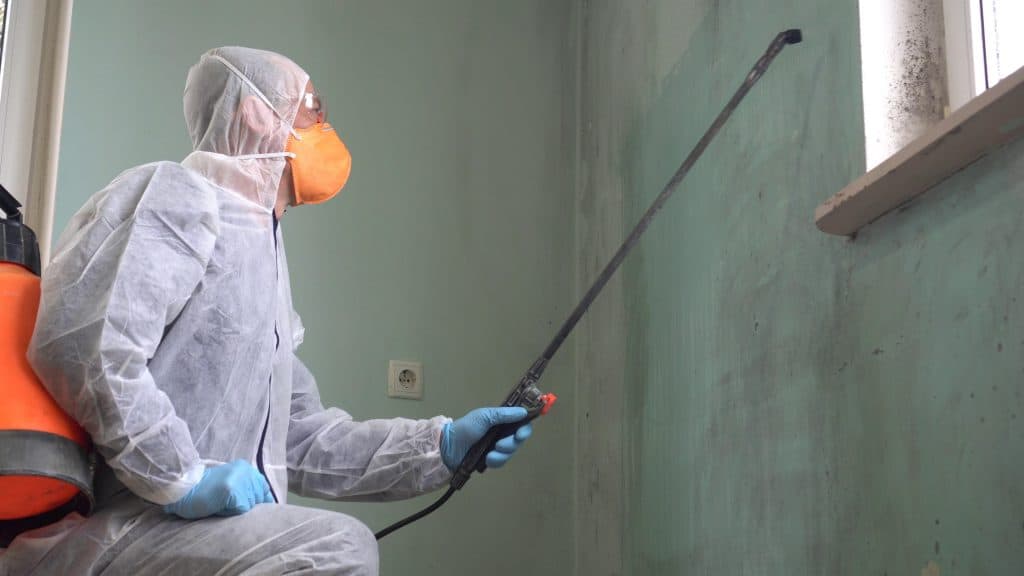
Then we contain the area so mold spores don’t spread during removal. We set up negative air pressure systems and physical barriers—the same process used in commercial buildings. The mold gets removed using HEPA vacuums and antimicrobial treatments that meet EPA standards.
But here’s the part most companies skip: we fix the moisture problem. Leaking pipe? We address it. Poor ventilation? We solve it. High humidity? We help you manage it. Otherwise, you’re just paying to remove mold that’s going to grow right back.
After everything’s cleaned and treated, we can help with any repairs or remodeling needed to restore your space. You’re not left with holes in your drywall and a list of contractors to call.
Ready to get started?
You get a thorough inspection that finds mold in places most homeowners never look. Attics, crawl spaces, behind washing machines, inside air ducts. We check all of it.
You get safe removal that follows EPA guidelines. That means proper containment, HEPA filtration, and disposal methods that don’t just move your mold problem into someone else’s home.
You get the source fixed. Pennsylvania’s climate means mold will keep coming back unless you address humidity, leaks, and ventilation. We identify what’s causing the moisture and help you solve it—whether that’s a plumbing issue, a roof leak, or an HVAC system that needs attention.
You also get help with insurance if your policy covers mold damage. We document everything, work directly with adjusters, and handle the paperwork that makes the claims process less painful.
And if you need reconstruction after removal—new drywall, flooring, or paint—we handle that too. You’re not coordinating between three different companies to get your home back to normal.
This matters in Spruce Hill because older homes here weren’t built with modern moisture barriers and ventilation systems. What worked in 1950 doesn’t cut it anymore, especially with how humid Pennsylvania summers have become.
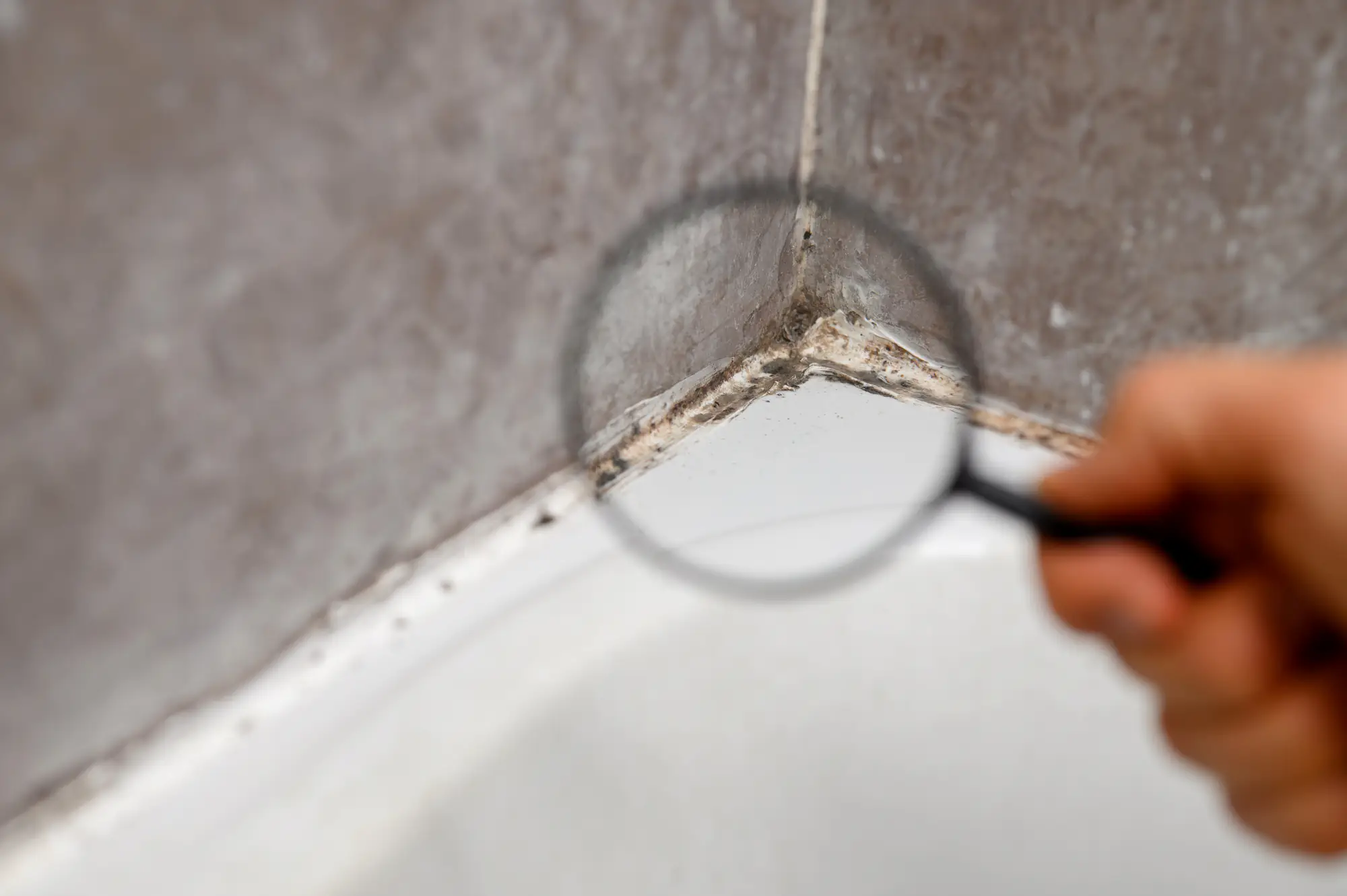
You might see it—dark spots on walls, fuzzy growth in corners, discoloration on ceilings. But you’ll probably smell it first. That musty, earthy odor that doesn’t go away even after you clean.
Health symptoms are another sign. If you’re dealing with persistent sneezing, coughing, congestion, or headaches that get better when you leave the house, mold could be the culprit. Same goes if your kids are having more asthma symptoms than usual.
Water damage is a red flag. If you’ve had a leak, flood, or even just chronic condensation, there’s a good chance mold is growing somewhere. It only takes 24-48 hours for mold to start developing after water exposure.
The tricky part is that mold often hides. It grows behind walls, under carpets, in air ducts, and inside insulation. You might not see anything wrong but still have a serious problem. That’s why a professional inspection with moisture meters and thermal imaging is worth it—we find what you can’t see.
Small surface mold on non-porous materials—like a little mildew on your shower tile—you can usually handle yourself with proper cleaning products and ventilation.
But if you’re dealing with mold on drywall, insulation, carpet, or wood, DIY removal usually makes things worse. Scrubbing or cutting into moldy materials releases thousands of spores into the air. Without proper containment and filtration, you’re spreading contamination throughout your home.
Black mold and other toxic varieties are especially risky to handle without the right equipment. Exposure during improper removal can cause serious respiratory problems, especially if you have asthma, allergies, or a compromised immune system.
There’s also the problem most homeowners miss: the source. You can scrub away visible mold all day, but if you don’t fix the leak or humidity issue causing it, you’re just buying yourself a few weeks before it grows back. Professional mold removal includes identifying and addressing what’s feeding the problem, not just treating the symptoms.
It depends on how much mold you have and where it’s growing. A small bathroom mold issue might cost $500-$1,500. A basement with widespread contamination could run $3,000-$6,000 or more.
The size of the affected area matters most. Mold covering 10 square feet costs less to remediate than mold covering an entire wall or multiple rooms. Location affects price too—mold in an easily accessible bathroom is cheaper to treat than mold inside your walls or HVAC system.
What’s causing the mold also impacts cost. If we need to address plumbing leaks, roof damage, or ventilation problems as part of the remediation, that adds to the total. But skipping those repairs just means you’ll pay for mold removal again in six months.
Some insurance policies cover mold removal if it resulted from a covered event like a burst pipe. We can work with your insurance company to document the damage and help with your claim. That can significantly reduce your out-of-pocket costs. The key is getting an inspection and estimate before the problem gets worse—mold doesn’t get cheaper to fix if you wait.
Mold removal means getting rid of the mold growth you can see. Mold remediation means removing the mold and fixing the conditions that allowed it to grow in the first place.
Removal alone is temporary. You can clean or cut out moldy materials, but if moisture and humidity levels stay high, new mold will grow within weeks. You’re treating the symptom, not the disease.
Remediation addresses the whole problem. That includes removing contaminated materials, cleaning affected surfaces with antimicrobial treatments, fixing moisture sources, improving ventilation, and sometimes adjusting humidity levels with dehumidifiers. It’s a complete solution that prevents recurrence.
Professional mold remediation also includes containment during the removal process. We seal off the work area and use negative air pressure to prevent spores from spreading to clean areas of your home. That’s critical—improper removal can contaminate your entire house.
In Pennsylvania’s humid climate, remediation is what you need. Just removing visible mold without addressing the dampness in your basement or the ventilation in your attic means you’ll be dealing with the same problem next summer. Real remediation keeps it from coming back.
A small, contained mold problem might take one to two days. Larger jobs with extensive contamination can take a week or more.
The inspection and assessment usually happen on the first visit and take a few hours. We need time to check your entire property, use detection equipment, and identify all affected areas—not just the obvious spots.
The actual remediation timeline depends on the size of the affected area and what’s involved. Removing mold from one bathroom is faster than treating an entire basement or attic. If we need to remove drywall, insulation, or flooring, that adds time. Fixing the underlying moisture issue—repairing leaks, improving ventilation, addressing drainage problems—also factors into the schedule.
Drying time matters too. After we remove contaminated materials and clean affected surfaces, everything needs to dry completely before reconstruction begins. Rushing this step just creates conditions for new mold growth.
We’ll give you a realistic timeline upfront based on what we find during inspection. Emergency situations get prioritized—if you’re dealing with active water damage or health symptoms, we move faster. But doing the job right matters more than doing it quickly. You want this fixed once, not three times over the next year.
Black mold—specifically Stachybotrys chartarum—produces mycotoxins that can cause serious health problems, especially with prolonged exposure. But here’s what matters: you shouldn’t be living with any type of mold, regardless of color.
Black mold exposure can cause respiratory issues, chronic coughing, sneezing, eye irritation, headaches, fatigue, and difficulty breathing. People with asthma, allergies, or weakened immune systems face higher risks. Young children and elderly family members are especially vulnerable.
That said, the color of mold doesn’t tell you everything. Other mold types—green, white, brown—can also produce allergens and irritants that affect your health. Some people react strongly to molds that aren’t black. The point isn’t to identify the exact species; it’s to remove all of it.
What makes any mold dangerous is the amount and duration of exposure. A little mold in one corner of your basement is different from extensive growth throughout your home that you’ve been breathing for months. The longer you wait, the worse the health effects and the more expensive the remediation becomes.
If you’re seeing black mold or experiencing unexplained health symptoms, get a professional inspection. We can test the mold if needed, but more importantly, we can remove it safely and fix what’s causing it. You shouldn’t have to wonder whether your home is making your family sick.
Other Services we provide in Spruce Hill