
Hear from Our Customers
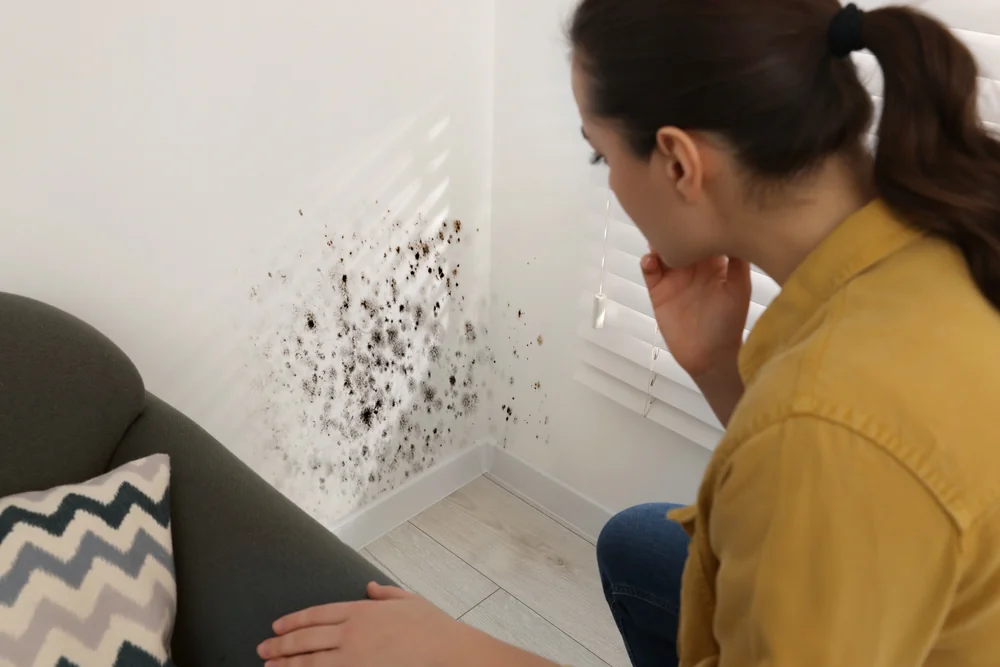
You’re spending most of your time inside your home. If the air quality is off, you’re dealing with headaches, allergies that won’t quit, or that musty smell you can’t track down.
A home air quality test tells you what’s actually floating around in there. Mold spores, dust mites, volatile organic compounds—things you can’t see but definitely feel. Once you know what the problem is, you can fix it the right way instead of guessing.
Most people wait until someone in the house gets sick or the smell becomes unbearable. Testing early catches problems while they’re still small. That means less money, less disruption, and a home that actually feels healthy to live in.
We know Spruce Hill homes. The older construction, the humidity from summer storms, the basements that never quite dry out—we’ve seen it all.
We use EPA-approved methods and equipment that actually works. Our team is certified, and we don’t just test your air and leave. We explain what we found, what it means for your family, and what your options are moving forward.
We’re local. We understand the specific challenges Bucks County homeowners face with indoor air quality, and we’ve built our reputation on being straight with people about what they need—not what makes us the most money.

First, we walk through your home with you. You point out problem areas—rooms that smell off, spots where people feel worse, anywhere you’ve had water issues. We’re looking for the obvious stuff and the hidden trouble spots most people miss.
Then we set up our testing equipment. We take air samples from multiple locations, check humidity levels, and inspect areas where mold loves to grow—basements, bathrooms, attics, anywhere moisture gets trapped. The equipment we use meets EPA standards and gives us accurate readings on what’s in your air.
After we collect samples, they go to a lab for analysis. You get a detailed report that breaks down exactly what pollutants or mold types we found and at what levels. We sit down with you, explain what the results mean in plain language, and lay out your options. If you need remediation, we handle that too. If it’s a ventilation issue or something simpler, we’ll tell you that instead.
Ready to get started?
Our indoor air quality test covers mold spores, allergens, and other airborne pollutants affecting your home. We test multiple rooms because air quality isn’t uniform—your basement might have issues your bedroom doesn’t.
Spruce Hill’s climate creates specific challenges. Humid summers and older home construction mean moisture gets trapped easily. Brick basements, poor ventilation, plaster walls—all of it contributes to air quality problems that newer homes don’t face as much. We account for these local factors when we test and interpret results.
You get a full written report with lab results, photos of problem areas, and our professional assessment. We also give you a free inspection of visible mold growth during the testing process. If we find issues, we explain what caused them and how to prevent them from coming back. That’s the part most companies skip—they’ll tell you there’s mold but not why it’s there or how to stop it for good.
The actual testing appointment usually takes one to two hours depending on your home’s size. We’re not rushing through it—we need time to inspect properly, set up equipment in the right locations, and collect samples that actually tell us something useful.
The air sampling itself is quick. Most of the time goes into the inspection portion where we’re looking for moisture problems, visible mold growth, and ventilation issues. We check basements, crawl spaces, attics, bathrooms—anywhere that could be contributing to poor air quality.
After we collect samples, the lab analysis takes three to five business days. Then we schedule a follow-up to review results with you. Some companies just email a report and call it done. We sit down and explain what we found because lab reports don’t mean much if you can’t interpret them.
A mold inspection is visual. We’re looking at your home, checking for visible mold growth, water damage, humidity issues, and conditions that allow mold to thrive. It’s thorough, but it only catches what we can see.
Air quality testing goes deeper. We’re collecting air samples to find out what’s actually floating around in your home—mold spores, allergens, other pollutants. This catches problems you can’t see, like mold hidden behind walls or in your HVAC system. It also identifies specific mold types, which matters because some are more problematic than others.
Most people need both. The inspection finds the source, and the air test tells us how bad the contamination is and whether it’s affecting rooms that look fine. We include a visual mold inspection with every air quality test because you need the complete picture to fix the problem right.
We offer free inspections to assess your situation first. If you need air quality testing after that, costs depend on how many samples we take and what you’re testing for. A basic mold air test for a typical home usually runs a few hundred dollars. More extensive testing costs more.
Here’s what affects price: your home’s size, how many rooms need testing, and whether you need testing for specific pollutants beyond mold. A three-bedroom house with one problem area costs less than a larger home where multiple rooms need sampling.
We give you an exact quote after the free inspection. No surprises, no upselling. If you have insurance coverage for mold issues, we help with that documentation too. Many homeowners don’t realize their policy might cover testing and remediation, especially if the mold resulted from a covered water damage event.
Get tested if anyone in your house has unexplained respiratory issues, allergies that won’t go away, or frequent headaches that improve when they leave the house. That’s your air telling you something’s wrong.
You should also test after any water damage—burst pipes, roof leaks, flooding, even small leaks that went unnoticed for a while. Mold can start growing within 24 to 48 hours of water exposure. Just because you dried everything out doesn’t mean you’re in the clear.
Test before buying an older home in Spruce Hill. Many homes here were built decades ago with construction methods that trap moisture. A pre-purchase air quality test can save you from buying into an expensive mold problem. Also consider annual testing if your home has ongoing humidity issues, poor ventilation, or you’ve had mold problems in the past. Catching it early is always cheaper than waiting.
You can buy DIY kits, but they’re not as reliable as professional testing. Most consumer kits only test for mold presence, not specific types or concentration levels. That matters because some molds are harmless while others are serious health risks.
DIY kits also don’t come with an inspection. You might collect a sample from your living room while the real problem is in your basement or inside your walls. Without knowing where to test and how to interpret results, you’re guessing. Many homeowners waste money on DIY tests that either miss the problem entirely or create panic over normal mold levels that exist in every home.
Professional air quality testing uses calibrated equipment and lab analysis that meets EPA standards. You also get an expert interpretation of what the results mean for your specific situation. We’ve seen plenty of DIY test results that scared people unnecessarily or gave false confidence when there was actually a serious problem. If you’re concerned enough to test, do it right the first time.
First, don’t panic. Almost every home has some mold spores in the air. What matters is the type of mold and the concentration levels. We explain exactly what we found and whether it’s actually a problem or just normal background levels.
If you do have elevated mold levels, we identify the source. Maybe it’s a leak you didn’t know about, a ventilation problem, or moisture in your basement. We can’t fix the mold without fixing what caused it, or it’ll just come back. That’s where most companies fail—they remove visible mold but ignore the underlying moisture issue.
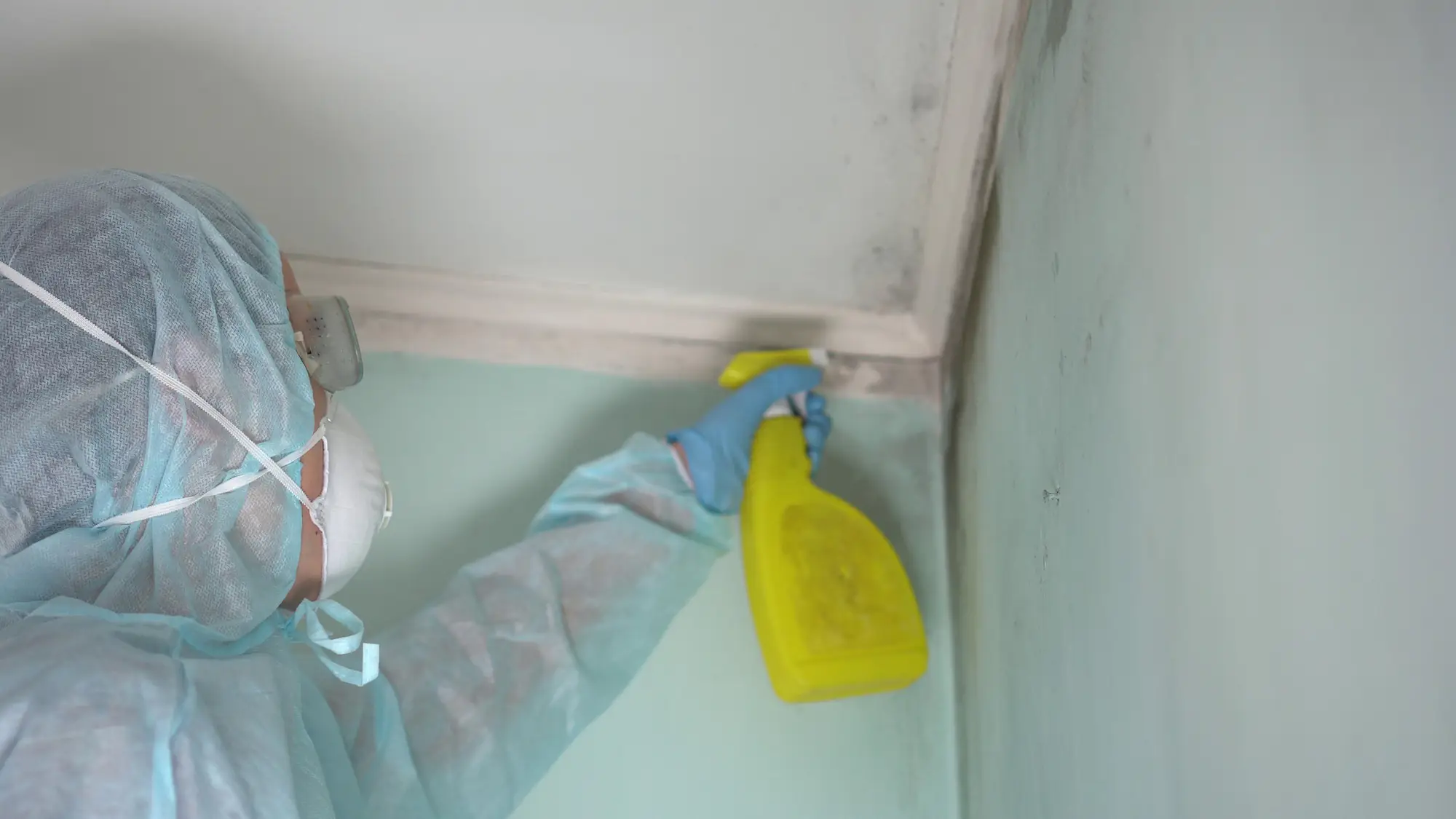
We handle the remediation using EPA-approved methods. That means containing the area so spores don’t spread, removing contaminated materials safely, cleaning and treating affected surfaces, and fixing the moisture problem. After remediation, we can do follow-up testing to confirm your air quality is back to healthy levels. We also work directly with insurance companies if your policy covers mold remediation.
Other Services we provide in Spruce Hill