
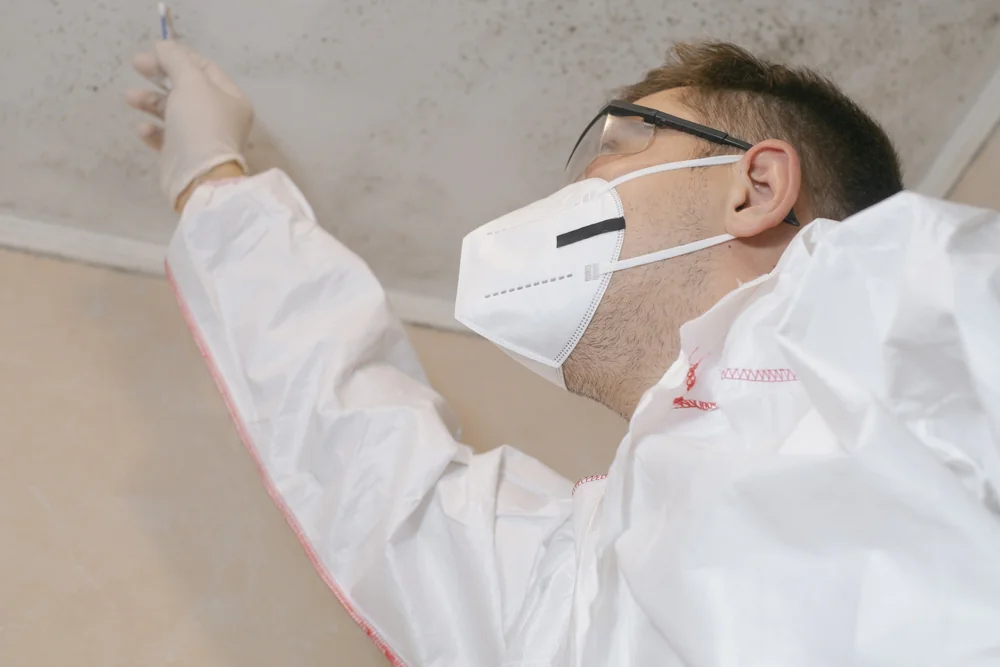
Hear from Our Customers
Your kids stop coughing at night. That musty smell in the basement disappears. You can breathe without wondering what’s floating around in the air.
Most mold removal services scrub what you can see and call it done. That’s why it comes back. We use thermal imaging and moisture meters to find mold growing behind your walls, under floors, in crawl spaces you didn’t even know had a problem.
Then we don’t just clean it. We remove contaminated materials, treat affected areas with EPA-approved solutions, and seal everything properly. But here’s what matters most: we identify why moisture built up in the first place. A leaking pipe. Poor ventilation in your bathroom. Humidity creeping up from your basement because the drainage around your foundation isn’t doing its job.
If we don’t fix the source, you’re just paying to remove mold that’s going to grow back. We handle both.
We work throughout Hunting Park, PA and the surrounding Philadelphia area. We know what happens to homes here: older construction, brick basements that trap moisture, plaster walls that hide mold growth until it’s spread halfway across the room.
We’ve seen what happens when someone tries to DIY this or hires the cheapest crew they can find. The mold comes back. Sometimes worse than before because the moisture problem was never addressed.
Our team uses certified mold remediation processes. We’re trained to handle this the right way, with the right equipment, following Pennsylvania regulations and EPA guidelines. You’re not getting a guy with a spray bottle. You’re getting professionals who understand how mold grows in Hunting Park homes specifically.
First, we inspect your property. Not just the spot where you see mold, but everywhere moisture could be hiding. We use moisture meters to check humidity levels in your walls and thermal imaging cameras to find temperature differences that indicate water intrusion. This usually takes about an hour depending on your home’s size.
Then we tell you what we found and what it’s going to cost to fix. No surprises later. If your insurance covers mold remediation, we’ll work with them directly to handle the paperwork.
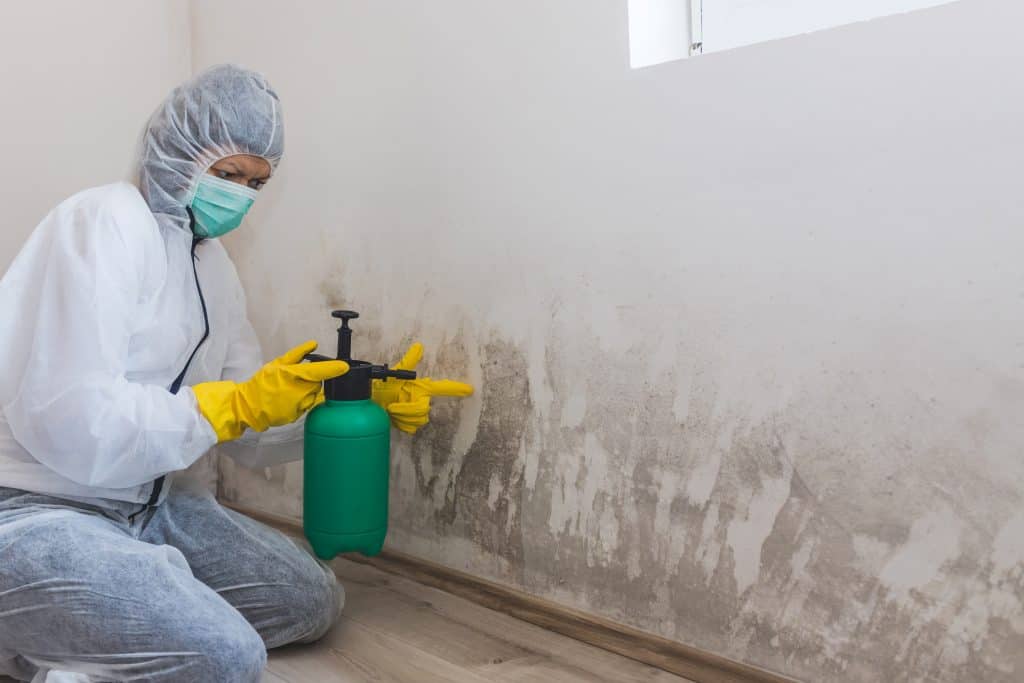
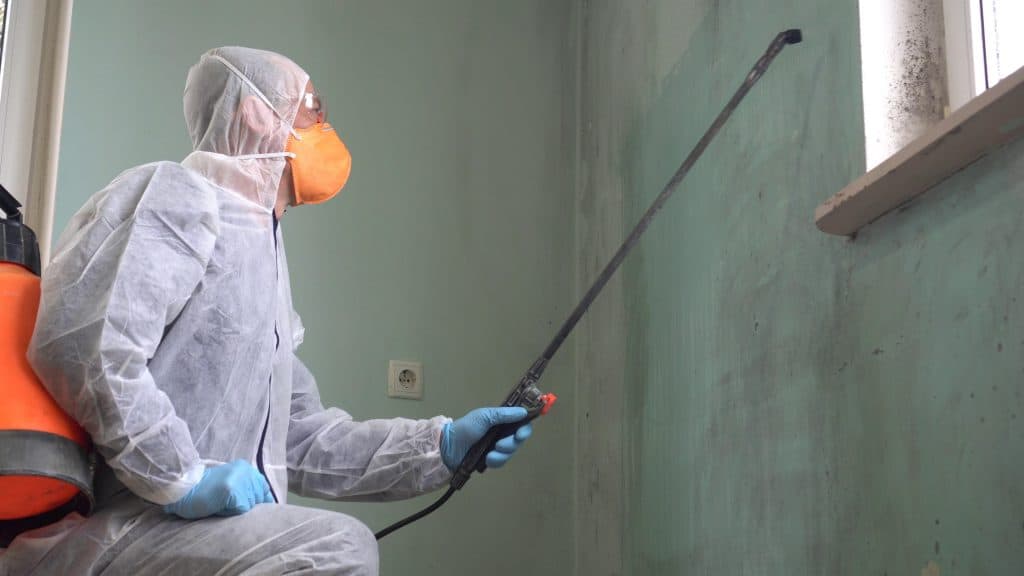
Once you approve, we contain the affected area with plastic sheeting and negative air pressure so mold spores don’t spread to clean parts of your home during removal. We remove contaminated drywall, insulation, or other materials that can’t be saved. Everything salvageable gets treated with antimicrobial solutions and HEPA-vacuumed.
After removal, we dry everything completely. Then we fix the moisture source, whether that’s repairing a leak, improving ventilation, or addressing drainage issues. Finally, we test the air quality to confirm mold spore levels are back to normal before we’re done.
Ready to get started?
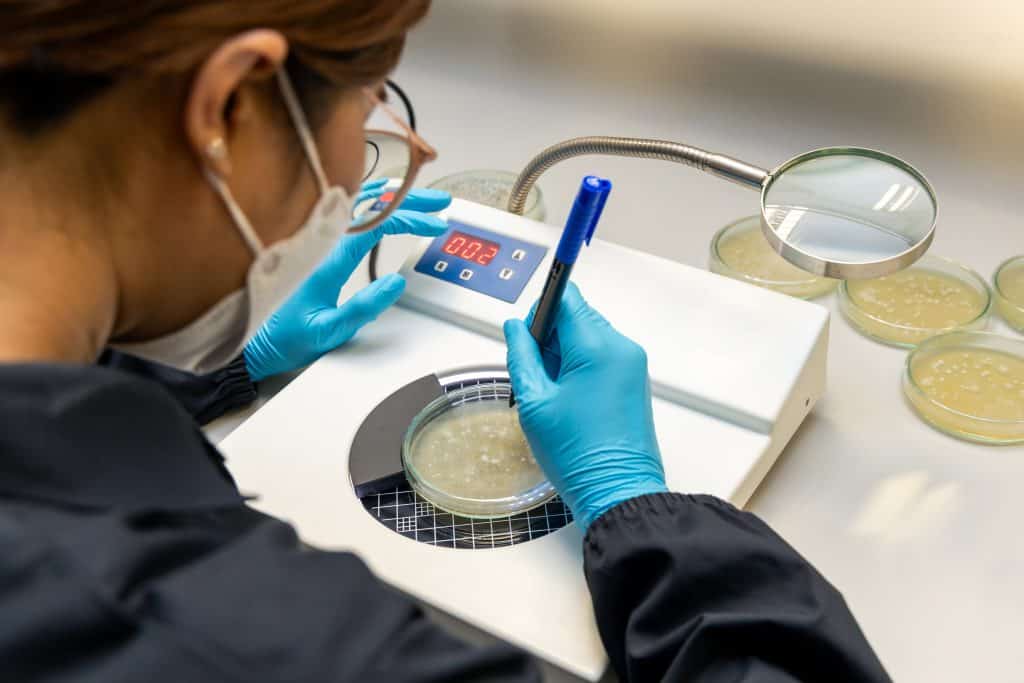
You get a complete mold inspection using professional-grade detection equipment. We test air quality and surface samples when needed to identify exactly what type of mold you’re dealing with and how extensive the growth is.
You get full containment and safe removal following IICRC standards. We protect the rest of your home, remove all contaminated materials, and dispose of them properly. Our crews wear protective equipment and use HEPA filtration systems during the entire mold cleanup process.
You get the source problem fixed. This is critical in Hunting Park where so many homes have basement moisture issues from Philadelphia’s humid climate and aging infrastructure. We don’t just remove mold from your basement walls and leave. We identify whether it’s a foundation crack, poor grading, a broken sump pump, or inadequate ventilation causing the problem.
You also get documentation. Before and after photos. Moisture readings. Air quality test results. This matters if you’re selling your home or need records for insurance purposes. In Philadelphia’s older housing market, being able to prove mold was professionally remediated adds value.

Most homeowners in the Philadelphia area pay between $1,300 and $3,600 for professional mold remediation. That’s a wide range because cost depends entirely on how much mold you have and where it’s growing.
A small mold problem in one bathroom might run $600 to $1,000. That’s usually a straightforward job: remove some drywall, treat the studs, fix a leaky pipe, reinstall. But if mold has spread through your basement or gotten into your HVAC system, you’re looking at $3,000 to $5,000 or more because we’re removing more material, treating larger areas, and spending more time on containment and air filtration.
The honest answer is we won’t know your exact cost until we inspect your property. We offer free inspections so you can get an accurate quote before committing to anything. And if your homeowner’s insurance covers mold damage, we’ll work directly with them to help you file your claim.
A typical mold remediation job in Hunting Park takes two to five days from start to finish. Smaller jobs can be done in a day. Extensive mold growth might take a week or more.
Here’s what affects timeline: how much area is contaminated, what materials need to be removed, how long it takes to dry everything out, and whether we’re also handling repairs after remediation. Drying is usually the longest part. We can’t move forward until moisture levels are completely normal, and in Philadelphia’s humid climate, that sometimes means running dehumidifiers for 48 to 72 hours.
If you have an emergency situation like a sewage backup or major water damage that caused sudden mold growth, we can start containment and removal within 24 hours. But the full process still takes several days to do correctly. Rushing mold remediation is how you end up with mold growing back three months later.
Mold comes back because the moisture source was never fixed. You can scrub mold off your basement walls every month, but if water is still getting in or humidity is still too high, it’s going to grow again.
In Hunting Park and throughout Philadelphia, basement mold usually comes from one of three things: foundation leaks, condensation, or flooding. Foundation leaks happen when water seeps through cracks in your basement walls or floor, especially during heavy rain. Condensation happens when humid summer air hits your cold basement walls and pipes. Flooding happens when your sump pump fails or you don’t have proper drainage around your foundation.
The fix isn’t just mold removal. It’s waterproofing your foundation, installing or repairing your sump pump system, adding a dehumidifier, improving ventilation, or regrading the soil around your home so water drains away instead of toward your foundation. We identify which issue you have during inspection and handle both the mold cleanup and the moisture fix so you’re actually done with this problem.
Black mold, which is usually Stachybotrys chartarum, produces mycotoxins that can cause respiratory problems, allergic reactions, headaches, and fatigue. It’s especially risky for kids, elderly people, and anyone with asthma or immune system issues.
That said, you shouldn’t be living with any type of mold growth in your home. Even common molds like Aspergillus and Penicillium cause allergy symptoms, trigger asthma attacks, and lead to chronic sinus infections. Research shows that as many as 21% of asthma cases result from mold exposure.
The bigger issue is that you can’t always tell what type of mold you have just by looking at it. Black mold isn’t always black, and not all black-colored mold is Stachybotrys. If you see mold growing in your home or smell that musty odor, get it inspected. We can test it if needed, but honestly, the type doesn’t change what needs to happen: it needs to be removed safely and the moisture source needs to be fixed.
If you have mold on a small surface area, less than 10 square feet, and it’s not caused by sewage or contaminated water, you can clean it yourself with the right precautions. Wear an N95 mask, gloves, and eye protection. Use detergent and water, not bleach, because bleach doesn’t kill mold roots on porous surfaces.
But if mold covers more than 10 square feet, if it’s growing inside your walls or HVAC system, if it came from a sewage backup, or if it keeps coming back after you clean it, call us. Here’s why: disturbing mold releases thousands of spores into the air. Without proper containment and air filtration, you’re spreading contamination throughout your home. Without the right equipment, you can’t find hidden mold growth or measure moisture levels in your walls.
Most importantly, DIY mold removal doesn’t address why mold grew in the first place. You might scrub your bathroom ceiling, but if your exhaust fan isn’t venting properly, mold will be back in two months. Professional mold remediation includes finding and fixing the source, which is the only way to actually solve the problem instead of just treating the symptom.
It depends on what caused the mold. If mold grew because of a sudden, accidental event like a burst pipe or storm damage, most Pennsylvania homeowners insurance policies will cover remediation. If mold grew because of long-term neglect, like a slow leak you ignored for months, they usually won’t cover it.
Insurance companies also have limits on mold coverage, typically between $1,000 and $10,000 depending on your policy. Some policies exclude mold coverage entirely unless you purchased additional mold endorsement coverage. You need to check your specific policy.
Here’s what helps: document everything. Take photos of the mold and the damage. Keep records of when you first noticed the problem and what caused it. If you had a plumbing leak, get a receipt from the plumber who fixed it. When you call us for mold remediation, we’ll provide detailed documentation including moisture readings, photos, and scope of work that you can submit to your insurance company. We work with insurance claims regularly and can communicate directly with your adjuster to help move the process along.
Other Services we provide in Hunting Park