
Hear from Our Customers
You stop worrying every time someone in your house coughs. The air smells normal again. You’re not wondering if that dark spot in the corner is spreading while you sleep.
When mold mitigation is done right, you get documentation proving your home is safe. You can sell your house without a buyer walking away during inspection. Your kids’ asthma symptoms calm down because they’re not breathing spores all day.
The difference between mold removal and actual mitigation is simple: one wipes away what you can see, the other fixes why it grew in the first place. That means finding the leak, the humidity problem, or the ventilation issue that caused it. Otherwise, you’re just paying to watch it come back in six months.
You’ll know it’s handled when you get post-remediation air quality testing that shows mold levels back to normal. Not “better.” Normal. That’s what you’re paying for.
We’ve been helping families in Warwick and across Bucks County deal with mold problems that don’t go away on their own. We know what happens to basements here when summer humidity hits. We’ve seen what old stone foundations do when groundwater rises.
You’re not getting a national franchise that sends a different crew every time. You’re working with people who understand why mold grows in this area and how to stop it. We use the same moisture meters, infrared cameras, and air testing equipment the big companies use, but you’re not paying for their overhead.
We’re available when you need us, including emergencies. And we’ll work with your insurance company if your policy covers it, because dealing with claims paperwork shouldn’t be your problem when you’ve already got mold in your house.
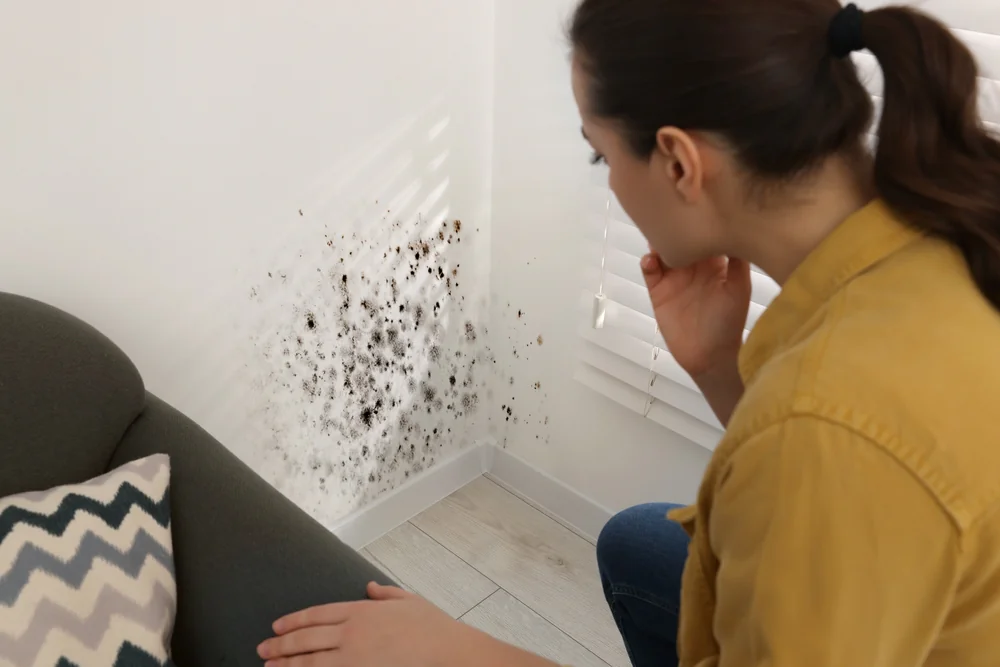
First, we inspect your property to find all the mold, not just the spots you can see. That means checking behind walls, under flooring, in your HVAC system, and anywhere moisture could be hiding. We use moisture meters and infrared cameras because mold grows where you can’t reach it.
Next, we figure out why the mold is there. There’s always a moisture source. Could be a roof leak, a plumbing issue, condensation, or just poor ventilation. If we don’t fix that, you’ll have mold again no matter how well we clean.
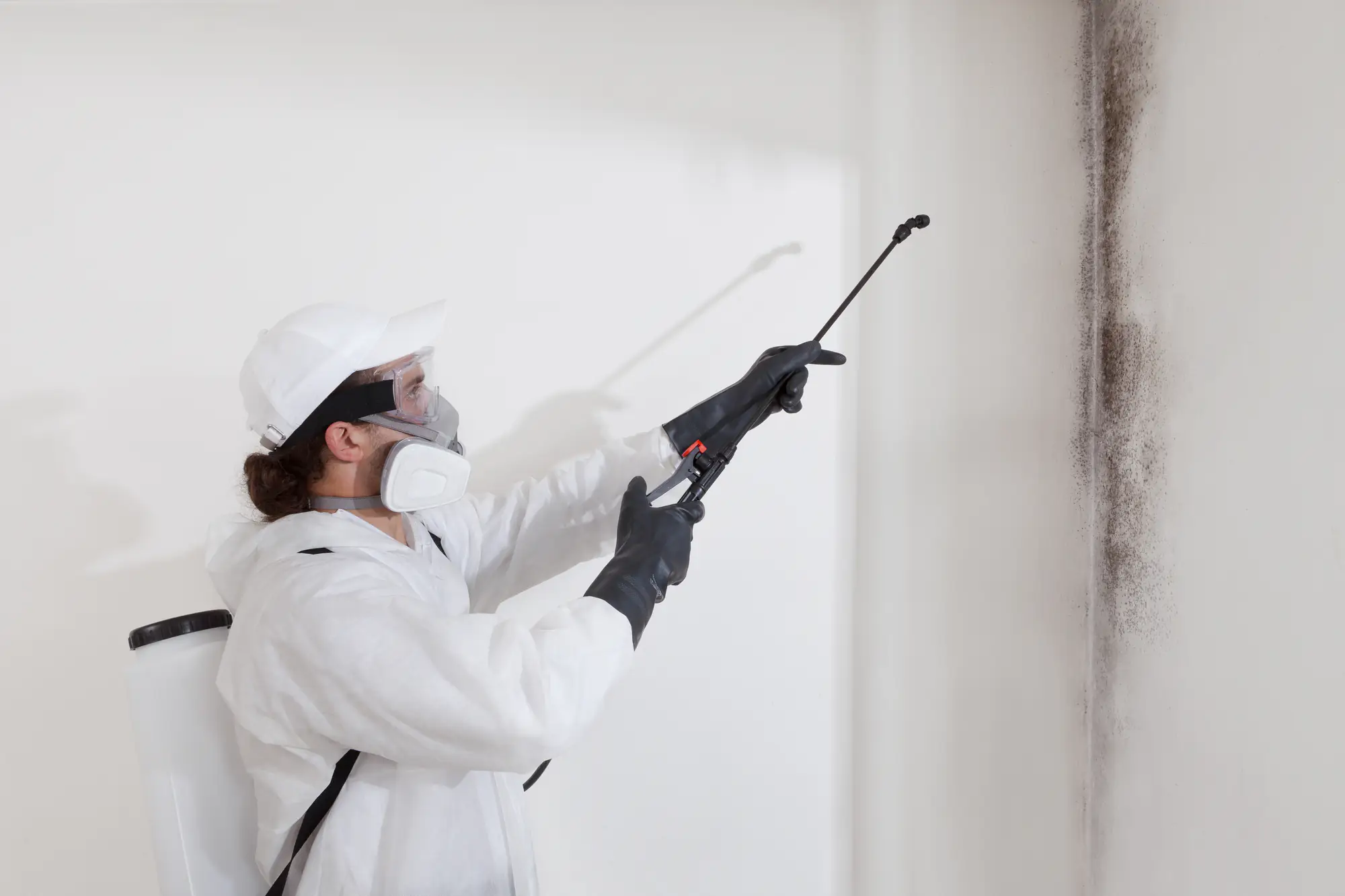
Then we contain the area so spores don’t spread to clean parts of your house during removal. We remove contaminated materials that can’t be saved and treat surfaces that can. We don’t just spray something and hope. We remove it.
After everything’s out, we test your air quality to confirm mold levels are back to normal range. You get documentation of the whole process, which matters if you’re selling your home or filing an insurance claim. Then we talk about prevention so you’re not calling us again next year.
Ready to get started?
You get a thorough inspection that identifies the type of mold and how far it’s spread. That includes attic mold mitigation if your ventilation is trapping moisture upstairs, and crawl space mold mitigation if your foundation is the issue. Black mold mitigation requires the same process, just with extra caution since it’s more toxic.
We handle the moisture source, whether that’s a leaking pipe, a roof issue, or a humidity problem. Fixing mold without fixing what caused it is a waste of your money. We also document everything for your records and your insurance company.
In Bucks County, basements and crawl spaces are the most common problem areas. The soil here holds moisture, and older homes weren’t built with modern waterproofing. If your house was built before 1980, there’s a good chance your basement or crawl space has had water issues at some point. That’s where mold loves to grow.
You also get post-remediation testing to verify the work is done correctly. Some companies skip this step. We don’t, because you need proof your home is safe, not just our word.
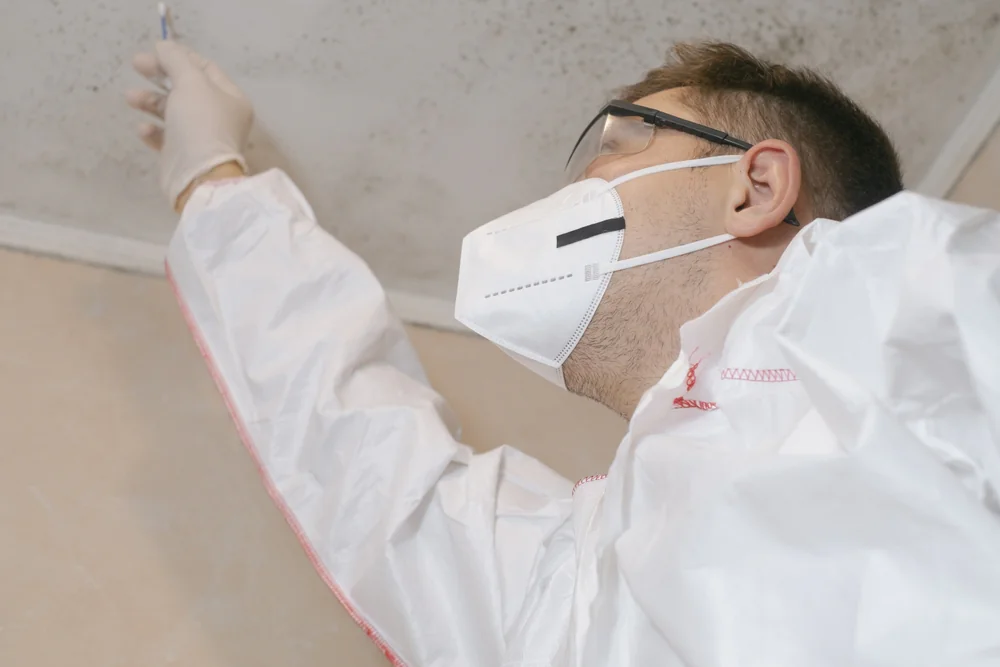
Most mold mitigation projects in Warwick cost between $1,500 and $5,000, depending on how much mold there is and where it’s growing. A small bathroom issue might run $1,500. A full basement or attic job with structural damage can hit $7,000 or more.
The size of the affected area matters most. So does the type of material the mold is growing on. Drywall is cheaper to replace than hardwood. Crawl spaces are harder to access than basements, so labor costs more.
We offer free inspections so you know what you’re dealing with before you spend anything. And if your mold problem was caused by a sudden pipe burst or covered water damage, your homeowner’s insurance might cover it. We’ll work with your insurance company to document everything and help you file the claim. Financing is available if you need it, because waiting on mold only makes it worse and more expensive.
Most residential mold mitigation jobs take two to five days, depending on the size of the problem and how much material needs to be removed. A single-room issue might be done in two days. A whole-house job with attic and crawl space involvement can take a week.
The timeline depends on how long it takes to dry out the affected areas after we remove the mold. You can’t just clean and leave. The space has to be completely dry, or the mold will come back. We use dehumidifiers and air movers to speed up drying, but it still takes time.
If we’re waiting on lab results from air quality testing, that can add a day or two. But we’ll give you a realistic timeline after the inspection. We don’t rush jobs to move on to the next one. You’re paying for the problem to be fixed right, and that takes the time it takes.
It depends on where the mold is and how bad it is. If we’re working on a basement or a single bathroom and can seal off that area, you can usually stay. If the mold is in your HVAC system or spread across multiple rooms, you might need to stay somewhere else for a few days.
Black mold and large infestations create airborne spores during removal, even with containment. If anyone in your house has asthma, allergies, or a weakened immune system, it’s safer to leave during the work. Kids and elderly family members are more vulnerable to mold exposure.
We’ll be honest with you after the inspection. If it’s safe to stay, we’ll tell you. If it’s not, we’ll tell you that too. We use containment barriers and negative air pressure to keep spores from spreading, but your health comes first. Most of our clients choose to stay with family or get a hotel for a few days when we’re dealing with serious contamination. It’s not worth the risk.
Not if the moisture problem is fixed. Mold needs water to grow. No water, no mold. That’s why we don’t just remove mold and leave. We find out why it grew and fix that issue, whether it’s a leak, condensation, or poor ventilation.
If you had a one-time water event like a burst pipe and we dry everything out and remove the mold, it’s not coming back unless you have another leak. But if your basement has ongoing humidity issues or your crawl space floods every spring, mold will return unless we address the source.
We’ll walk you through what needs to happen to prevent future growth. Sometimes that means better ventilation, a dehumidifier, or waterproofing work. We’re not trying to sell you extra services. We’re telling you what actually needs to happen so you don’t pay for mold removal twice. After mitigation, we can also set you up with prevention strategies specific to your home and Bucks County’s climate.
Sometimes. Most homeowner’s insurance policies cover mold if it’s caused by a sudden, accidental event like a burst pipe or storm damage. If your basement flooded because a pipe broke, there’s a good chance your policy covers mitigation. If the mold grew over time because of a slow leak you didn’t fix, probably not.
Insurance companies don’t cover mold caused by lack of maintenance or long-term neglect. If you knew about a leak for months and didn’t fix it, they’ll deny the claim. But if the damage was sudden and you’re filing quickly, you’ve got a better shot.
We work with insurance companies regularly and know how to document everything they need. We’ll take photos, write up detailed reports, and provide the paperwork to support your claim. You’ll still need to call your insurance company first and get a claim number, but we’ll handle the rest. Even if insurance doesn’t cover it, we offer financing options so you can get the work done now instead of waiting while the problem gets worse.
Mold removal means cleaning up the mold you can see. Mold mitigation means getting rid of the mold and fixing whatever caused it so it doesn’t come back. Removal is surface-level. Mitigation is complete.
You can remove mold with the right cleaning products and some elbow grease, but if you don’t fix the moisture problem, you’re just buying time. Mitigation involves inspection, testing, containment, removal, air quality testing, and source repair. It’s a full process, not a quick cleanup.
Most people who try DIY mold removal end up calling us six months later when it comes back worse than before. They cleaned what they could see, but they didn’t find the hidden growth or fix the leak. That’s why mitigation costs more upfront but saves you money long-term. You’re not paying twice. We handle water mold restoration the same way—find the damage, dry it out, remove contaminated materials, and fix what caused it. That’s the only way to actually solve the problem.
Other Services we provide in Warwick