
Hear from Our Customers
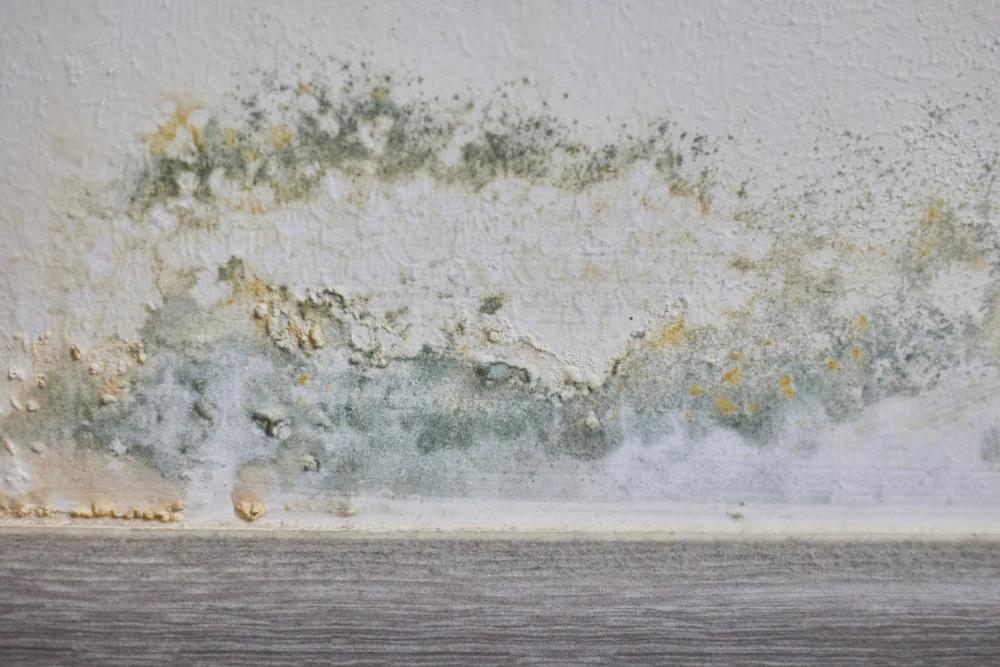
You stop worrying every time someone in your house coughs. The musty smell in the basement finally disappears. You’re not wondering if that dark spot on the ceiling is getting bigger.
Real mold mitigation means the air quality in your home improves because the contamination source is eliminated, not just covered up. Your family isn’t exposed to spores that trigger allergies, asthma attacks, or worse. If you’re selling, you’re not dealing with a failed inspection or a buyer walking away.
The difference between removal and mitigation is simple: one scrubs the surface, the other fixes why it grew in the first place. That’s what stops it from showing up again in three months. You get documentation that proves the job was done right, which matters if insurance is involved or if you need records down the road.
We work exclusively in Bucks County, which means we know exactly what causes mold problems in Morrisville homes. The humidity here isn’t like other places. Older homes have crawl spaces that trap moisture. Newer builds sometimes have ventilation issues that nobody notices until there’s visible growth.
We’re certified through IICRC standards, which means our process follows the same protocols used by insurance companies and industrial hygienists. We use thermal imaging and moisture meters to find problems you can’t see yet, and we work with independent labs to test what’s actually growing in your house.
You’re not getting a crew that does water damage on Monday and mold on Tuesday. This is what we do, and we’ve built our reputation here by doing it right the first time.
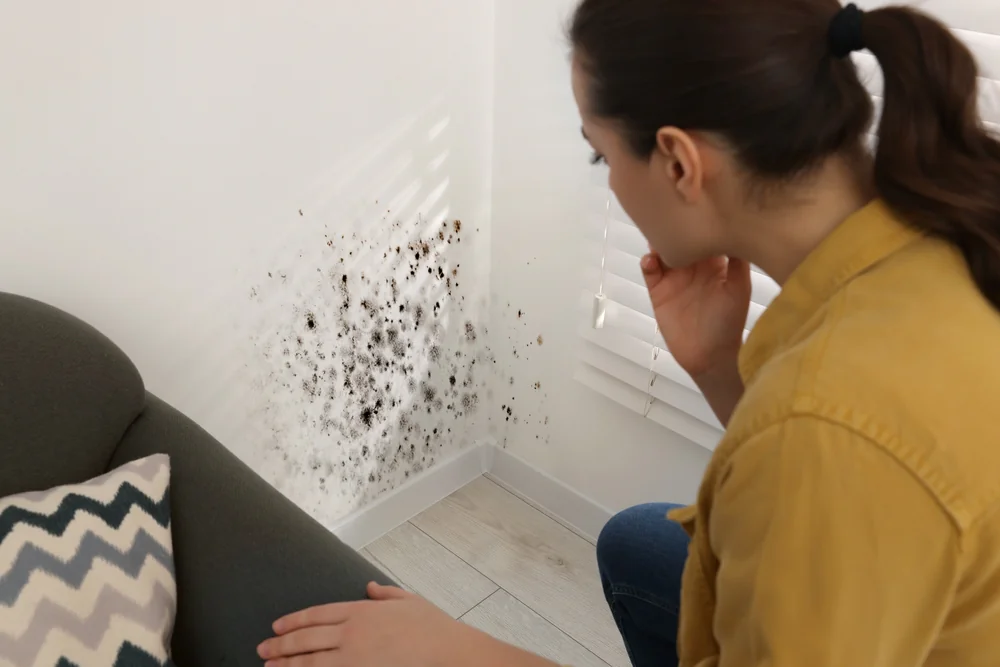
First, we inspect the affected area and use moisture detection tools to map out where water is hiding. Mold doesn’t grow without moisture, so if we don’t find the source, the problem comes back. We take samples and send them to a certified lab so you know exactly what type of mold you’re dealing with and how much of it is present.
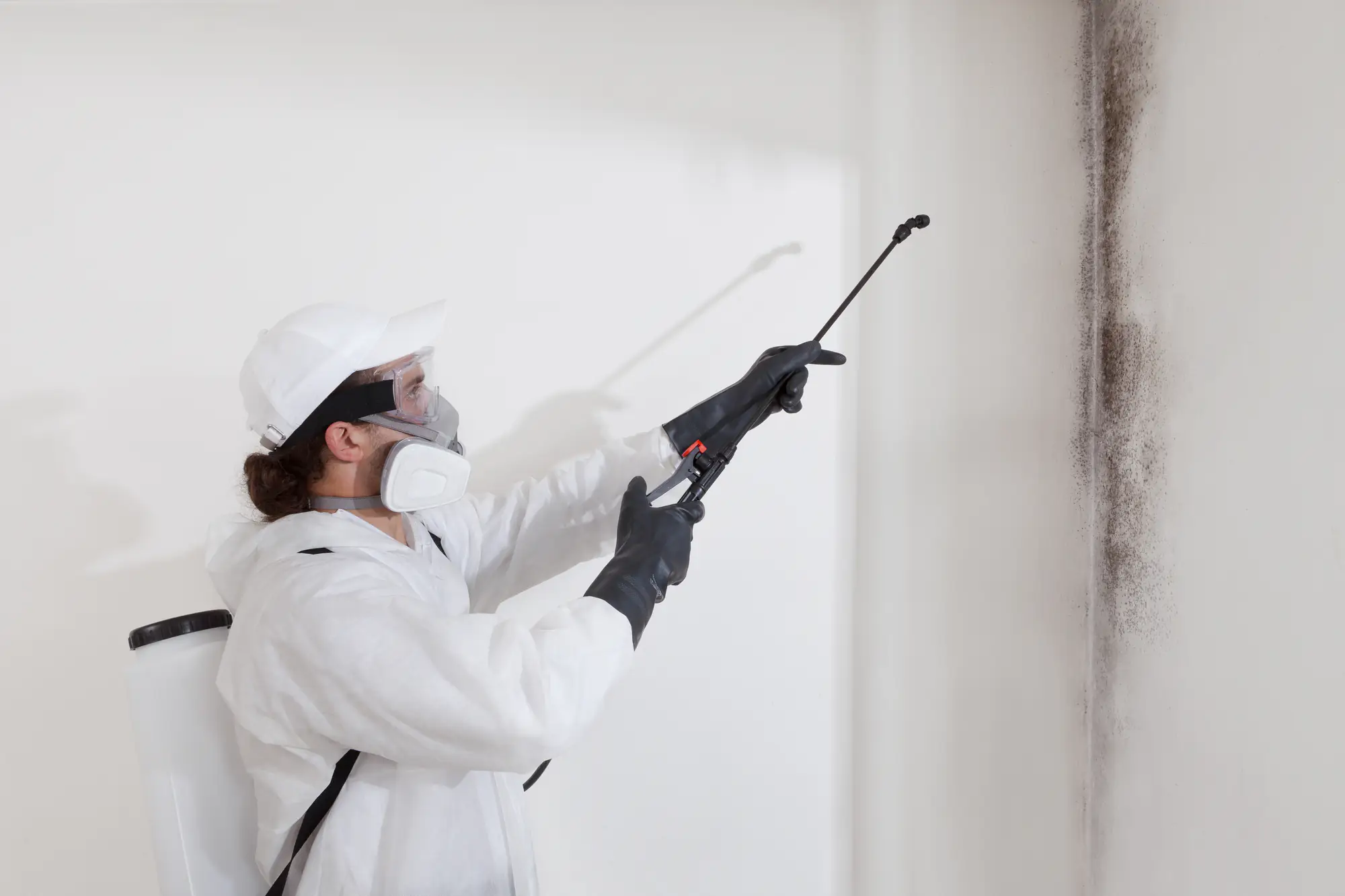
Next, we contain the work area using physical barriers and negative air pressure. This keeps spores from spreading to clean parts of your house while we’re working. We remove contaminated materials that can’t be salvaged—drywall, insulation, anything porous that’s been colonized. What can be cleaned gets treated with HEPA vacuums and antimicrobial solutions.
Then we dry everything out and treat surfaces to prevent regrowth. We don’t leave until moisture levels are back to normal and the air quality passes clearance testing. You get a full report with lab results, photos, and documentation of every step. If your insurance company needs it, we provide that too.
Ready to get started?
You get a thorough inspection with thermal imaging to detect moisture behind walls, under floors, and in attics where most people never look. Morrisville’s climate creates perfect conditions for attic mold mitigation needs, especially in homes with poor ridge venting or bathroom exhaust fans that dump humid air into the attic space instead of outside.
Crawl space mold mitigation is another common issue here. Dirt floors, inadequate vapor barriers, and standing water after heavy rain create an environment where mold thrives. We address the moisture source first—whether that’s groundwater seepage, condensation, or a plumbing leak—then remove the contamination and treat the space to prevent recurrence.
Black mold mitigation requires extra care because of the mycotoxins involved. If lab results confirm Stachybotrys or other toxigenic species, we follow stricter containment protocols and disposal procedures. You also get help with insurance documentation, because most homeowners policies cover mold if it resulted from a covered water loss. We’ll walk you through what your adjuster needs to see.
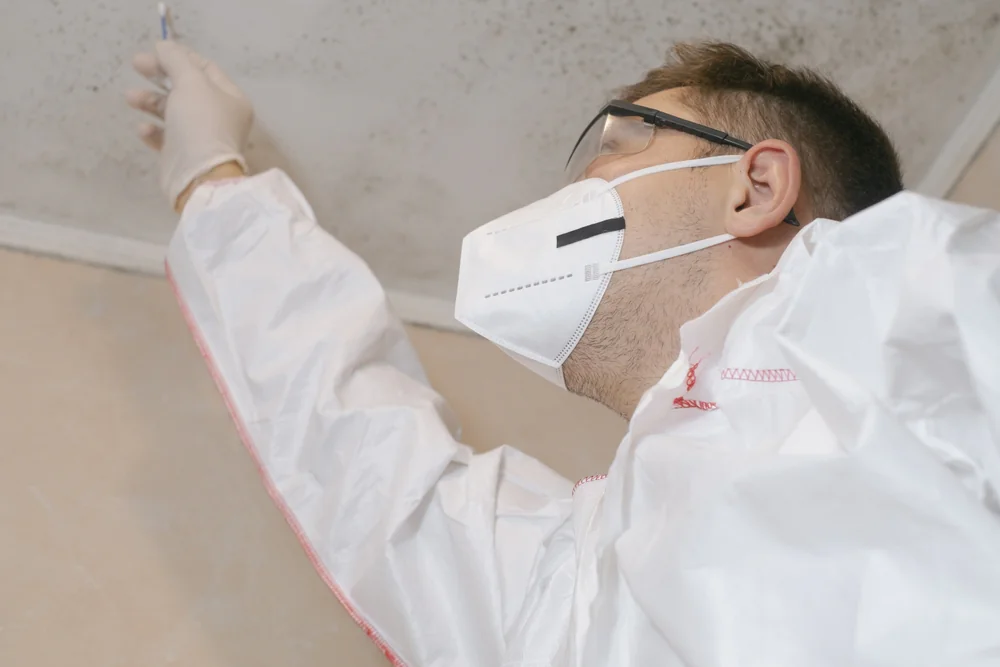
Most residential mold mitigation projects take between three and five days, but that depends entirely on how much area is affected and where the mold is growing. A small bathroom with surface mold on the ceiling might be done in two days. An attic with widespread contamination across insulation and sheathing could take a week or more.
The timeline also depends on how long it takes to dry out the space after we remove contaminated materials. We can’t close up walls or reinstall insulation until moisture levels drop below 16%, which is the threshold where mold can’t grow. In humid summer months, drying takes longer than it does in winter when we can control the environment more easily.
You’ll know the timeline after the initial inspection. We don’t start tearing things apart until we’ve mapped out the full scope and you’ve approved the plan.
It depends on what caused the mold. If it resulted from a sudden water loss—like a burst pipe, roof leak during a storm, or appliance failure—most policies cover the mitigation. If it’s from long-term neglect, poor maintenance, or chronic moisture problems you didn’t address, coverage gets denied.
Insurance companies want to see documentation that proves the mold resulted from a covered peril. That’s why we take detailed photos, provide lab reports, and document moisture readings throughout the process. We’ve worked with enough adjusters in Bucks County to know what they’re looking for.
We can also work directly with your insurance company if you want us to. Some homeowners prefer to handle the claim themselves, which is fine. Either way, you’ll get the paperwork you need to submit for reimbursement.
Mold removal sounds like you can eliminate every single spore from your house, which isn’t realistic. Mold spores exist everywhere—they’re in the air outside right now. The goal isn’t to create a sterile environment. It’s to remove the active growth, reduce spore counts to normal background levels, and eliminate the moisture source so new colonies can’t establish.
Mold mitigation is the industry term because it’s more accurate. We’re mitigating the problem by addressing the root cause, not just scrubbing visible mold off the surface. If you only clean what you can see without fixing the moisture issue, it grows back within weeks.
That’s why our process focuses on moisture control first. We find where water is coming from, stop it, dry out the affected materials, and then remove contamination. Surface cleaning is part of it, but it’s not the whole job.
If the affected area is smaller than 10 square feet and you know exactly what caused the moisture, you can probably handle it yourself with proper PPE and cleaning products. That’s the EPA’s guideline. Anything larger than that, or anything involving your HVAC system, requires professional mitigation.
You should also call us if you have health issues that make mold exposure risky—asthma, allergies, immune system problems. Disturbing mold releases spores into the air, and if you’re sensitive, that can trigger serious reactions. Same goes if you suspect black mold or if the contamination is in a hard-to-reach area like inside walls or under flooring.
The other factor is whether you can fix the moisture source. If you don’t know why it’s wet, or if the problem is structural, DIY cleaning just delays the inevitable. The mold comes back because the conditions that caused it are still present.
Mold can grow back if the moisture problem wasn’t fully resolved or if a new water issue develops. That’s not a failure of the mitigation work—it’s a new problem. If we remove contamination, dry everything out, and treat surfaces, but then your roof starts leaking or a pipe bursts, you’re dealing with a separate incident.
That’s why the moisture source is the most critical part of the process. We don’t just dry out what’s wet today. We identify why it got wet and make sure that condition is fixed. Sometimes that means you need a plumber, a roofer, or a waterproofing contractor after we’re done. We’ll tell you if that’s the case.
Properly mitigated areas shouldn’t have mold regrowth as long as they stay dry. We provide documentation of final moisture readings and clearance testing so you have a baseline. If something changes later, you’ll know it’s a new issue, not an incomplete job.
Mold exposure affects people differently depending on sensitivity, but the most common symptoms are respiratory—coughing, wheezing, throat irritation, nasal congestion. If someone in your house has asthma, mold can trigger attacks or make existing symptoms worse. The CDC lists mold as a known irritant that causes allergic reactions in about 21% of the population.
Black mold, specifically Stachybotrys chartarum, produces mycotoxins that can cause more severe reactions. Prolonged exposure has been linked to chronic sinus infections, fatigue, headaches, and in extreme cases, neurological issues. Kids and elderly family members are more vulnerable because their immune systems are either still developing or weakened.
The health risk is why you shouldn’t ignore visible mold or musty odors. If people in your house are experiencing unexplained respiratory symptoms that improve when they leave the house, mold contamination is a likely cause. Getting it tested and properly mitigated removes the exposure risk and usually resolves the symptoms.
Other Services we provide in Morrisville