
Hear from Our Customers
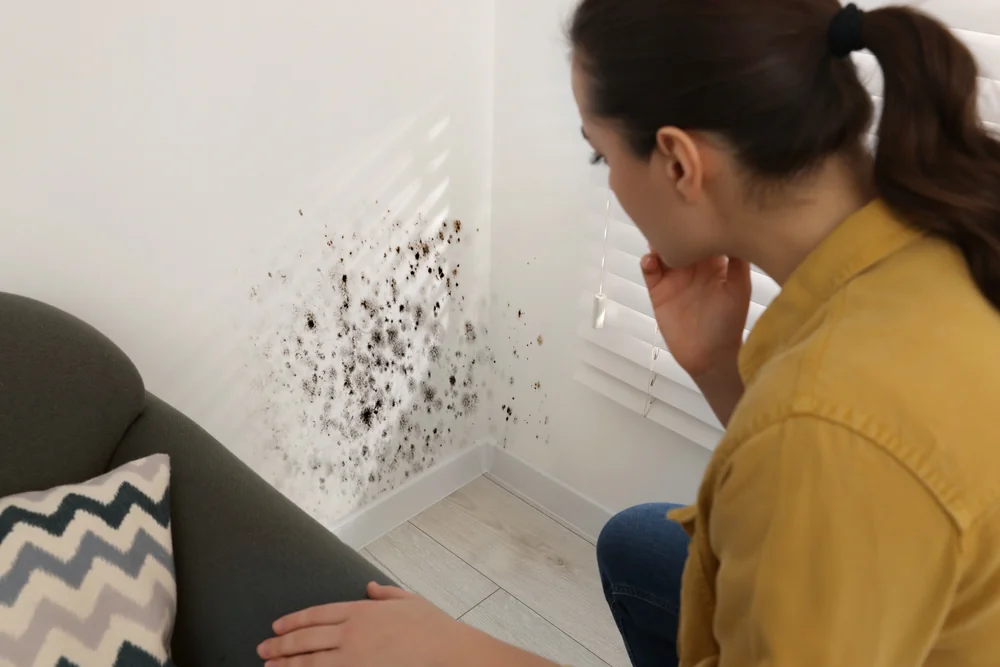
You can’t see mold spores. You can’t measure VOC levels with your eyes. And you definitely can’t tell if the air in your basement is two times more polluted than the air outside—which is common in most homes, according to EPA data.
That’s where professional air quality testing comes in. We use thermal imaging and moisture meters to find problem areas you’d never spot on your own. Then we take samples, send them to a certified lab, and give you a report that tells you exactly what’s there, how much of it exists, and whether it’s a health risk.
The goal isn’t to scare you. It’s to give you real information so you can make a decision. Maybe everything’s fine. Maybe there’s a small issue you can address before it gets expensive. Either way, you’ll know.
We work with homeowners across Bucks County who need straight answers about their indoor air. We’re not here to sell you services you don’t need. We’re here to test your air, give you lab results, and explain what they mean in plain language.
Morrisville’s older housing stock and humid conditions create perfect environments for mold growth—especially in basements, crawl spaces, and around windows. We know what to look for and where to look. And because we work directly with insurance companies, we understand what documentation you’ll need if you’re filing a claim or dealing with a property transaction.
First, we walk through your property and do a visual inspection. We’re looking at basements, attics, crawl spaces, HVAC systems—anywhere moisture or mold might hide. We use thermal imaging to detect temperature differences behind walls and moisture meters to measure humidity in materials like drywall and wood.
Next, we take air samples from inside your home and compare them to outdoor air. This tells us if your indoor air has higher concentrations of mold spores or other contaminants. If we see visible growth or suspect contamination in a specific area, we’ll take surface samples too.
Those samples go to a nationally recognized lab that specializes in mold analysis. You’ll get a detailed report within 3 to 7 business days. It’ll show you what types of mold or pollutants were found, the concentration levels, and whether those levels are considered safe or problematic. Then we’ll walk you through the results and explain what—if anything—needs to happen next.
Ready to get started?
Every residential air quality testing appointment includes a full visual assessment of your property, moisture detection using infrared cameras and digital meters, and air sampling with comparison to outdoor baseline levels. We also provide surface testing when needed, especially if there’s visible growth or water damage history.
In Morrisville and the surrounding Bucks County area, we pay special attention to basements and crawl spaces. These areas tend to have higher humidity and less ventilation, which makes them prime spots for mold growth. Pennsylvania’s climate doesn’t help—humidity and older construction methods mean a lot of homes here are dealing with air quality issues they don’t even know about.
You’ll receive laboratory analysis results, detailed photographs, moisture readings, and a written report that explains what we found. If there’s an issue, we’ll give you clear recommendations. If your air quality is fine, we’ll tell you that too. And if you’re dealing with an insurance claim, we’ll provide the documentation adjusters typically require.
Most residential air quality testing in the Morrisville area runs between $400 and $600. That typically includes the visual inspection, air sampling, surface testing if needed, and full laboratory analysis with a written report.
The price can vary depending on the size of your home and how many samples we need to take. If you’ve got a larger property or multiple areas of concern, it might cost a bit more. If it’s a straightforward test in a smaller home, it might be on the lower end.
We’ll give you a clear quote before we start any work. No surprises, no upselling. Just honest pricing based on what your situation actually requires.
DIY kits can tell you if mold is present, but they can’t tell you what species it is, how much of it exists, or whether the concentration is actually a problem. They also can’t detect hidden mold behind walls or under floors, and they don’t compare your indoor air to outdoor air—which is critical for understanding if you actually have an issue.
Professional air quality testing uses calibrated equipment like thermal imaging cameras and moisture meters to find problems you can’t see. We take samples from specific locations, send them to certified labs, and get detailed reports that identify exact mold types and concentration levels. That’s the information you need if you’re dealing with health symptoms, buying or selling a home, or filing an insurance claim.
DIY kits are cheap, but they leave too many questions unanswered. If you’re serious about knowing what’s in your air, professional testing is the only way to get reliable answers.
Lab results typically come back within 3 to 7 business days. That’s how long it takes for the certified lab to analyze your samples and generate a detailed report with specific mold species, concentration levels, and comparisons to outdoor air quality.
Once we get the results, we’ll contact you to schedule a time to go over the findings. We’ll explain what was detected, what the concentration levels mean, and whether any action is needed. If remediation is necessary, we’ll walk you through the next steps. If your air quality is fine, we’ll let you know that too.
The timeline can vary slightly depending on the lab’s workload, but a week is standard. If you’re on a tight deadline—like a real estate closing—let us know upfront and we’ll do everything we can to expedite the process.
Air quality testing can detect mold spores in the air, even if the source is hidden behind walls, under floors, or inside ductwork. If your indoor air has significantly higher mold concentrations than outdoor air, that’s a strong indicator that mold is growing somewhere inside your home—even if you can’t see it.
We also use thermal imaging and moisture meters during the inspection to identify areas where conditions are right for mold growth. Temperature differences and elevated moisture levels often point to hidden problems. If we find a suspicious area, we can take targeted samples or recommend further investigation.
That said, air testing isn’t a guarantee that we’ll pinpoint the exact location of hidden mold. Sometimes additional steps—like removing drywall or flooring—are needed to confirm the source. But testing gives you solid evidence that there’s a problem and helps narrow down where to look.
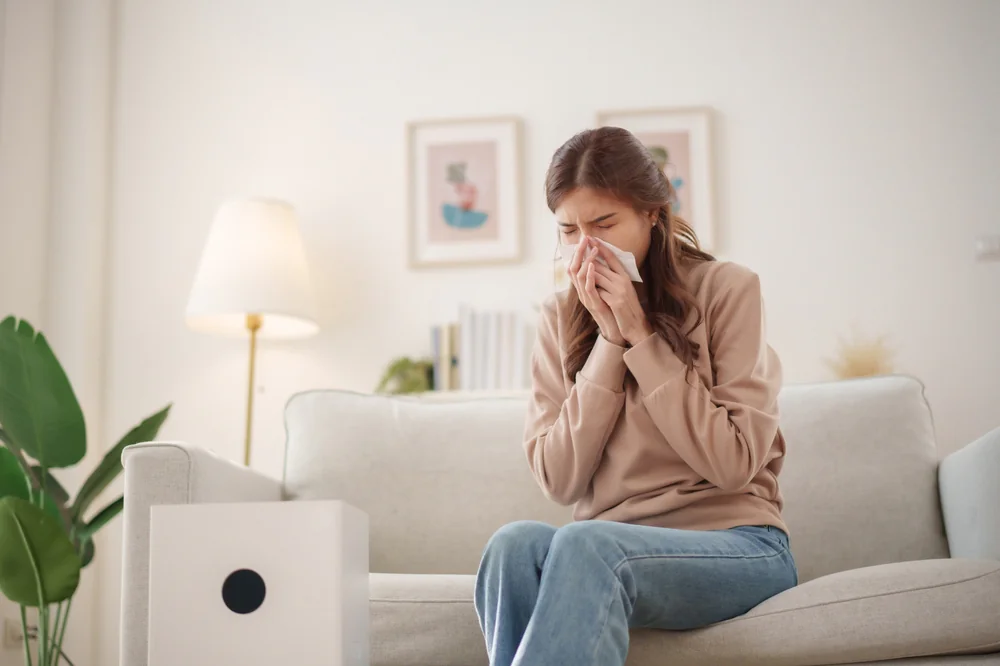
Not necessarily, but it depends on your situation. If you’re experiencing unexplained health symptoms—like persistent coughing, allergy-like reactions, or respiratory issues—air quality testing can help identify whether mold or other contaminants are the cause. Indoor air is often one to two times more polluted than outdoor air, and you won’t know what’s there without testing.
Testing also makes sense if you’ve had recent water damage, if you’re buying or selling a home, or if you’ve noticed musty odors but can’t find the source. Mold often grows in places you can’t see—inside walls, under flooring, in HVAC systems—and by the time it’s visible, the problem is usually bigger and more expensive to fix.
If none of those situations apply and your home feels fine, you probably don’t need testing. But if something feels off or you just want peace of mind, testing gives you clear answers instead of guessing.
Yes. Most insurance companies require documented proof of mold contamination before they’ll approve a claim, and professional air quality testing provides exactly that. You’ll get lab-certified results, detailed photographs, moisture readings, and a written report—all the documentation adjusters typically ask for.
We’ve worked with insurance companies for years, so we know what they need to see. We can also communicate directly with your adjuster if needed and provide additional information to support your claim. That said, every policy is different, so it’s worth checking your coverage before you schedule testing.
Even if your claim gets denied, having professional test results gives you leverage if you need to appeal or negotiate. And if you’re dealing with a landlord-tenant dispute or a real estate transaction, the documentation is just as valuable. It’s hard evidence that removes any doubt about what’s actually happening in the property.
Other Services we provide in Morrisville