
Hear from Our Customers
Your kids stop coughing at night. That musty smell in the basement disappears. You can finally use your crawl space without worrying about what’s growing down there.
The air quality in your home improves immediately because we don’t just wipe down visible mold and call it done. We contain the affected areas so spores don’t spread to clean rooms. We remove contaminated materials completely. We treat every surface with antimicrobial solutions that actually work.
And here’s what matters most: we find why the mold grew in the first place. That’s the difference between mold removal and mold mitigation. If you don’t fix the moisture source, you’re just paying someone to clean mold that’ll be back before winter ends.
Most Morrisville homes deal with basement moisture from Bucks County’s clay soil and foundation issues common in older properties. We see it constantly. Small cracks in foundation walls let water seep through. Poor ventilation in crawl spaces creates humidity problems. Bathroom exhaust fans that vent into attics instead of outside. These aren’t complicated problems, but they need to be addressed or you’re wasting money on temporary fixes.
You get documentation for everything. Lab results showing what was growing. Photos of the work. A detailed report your insurance company actually accepts. And a warranty that covers our work because when we say the mold is gone, it stays gone.
Mack’s Mold Removal has been handling mold problems in Morrisville and throughout Bucks County for years. This isn’t a side service we offer between water damage jobs. It’s what we do exclusively.
We’re IICRC certified, which means our process follows the same protocols insurance companies and industrial hygienists expect. We work with independent labs to test what’s actually growing in your house. We use thermal imaging and moisture meters to find problems you can’t see.
You’re not getting a crew that learned about mold mitigation last month. You’re getting a team that’s seen what happens when mold removal is done incorrectly, and we’ve built our reputation on getting it right the first time.
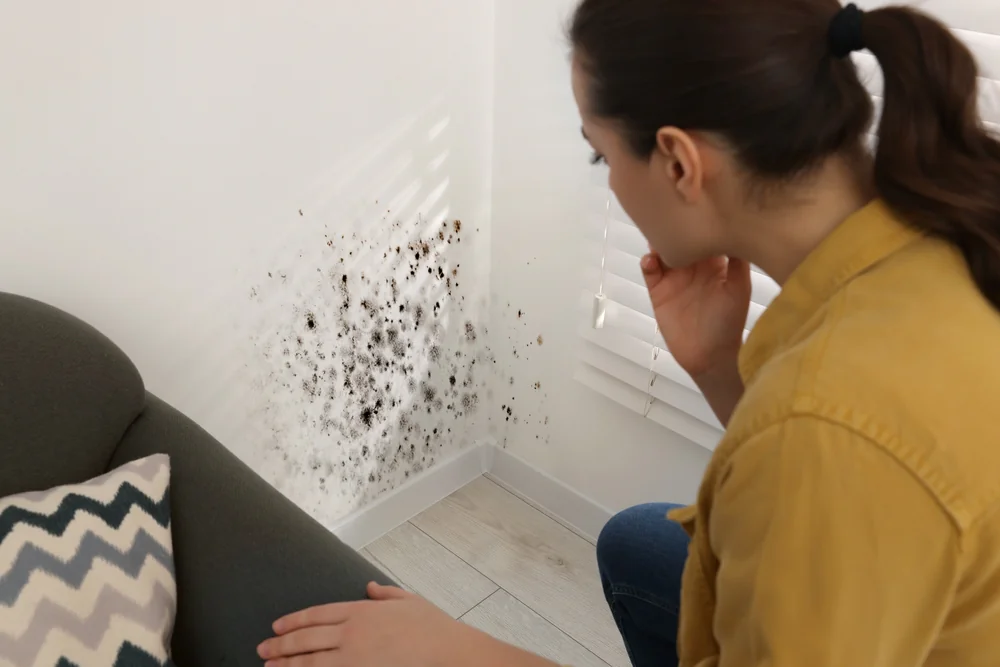
We start with a free inspection. You show us where you’ve seen mold or smelled that musty odor. We check the obvious spots and the places most homeowners don’t think to look: behind washing machines, under sinks, in HVAC systems, along basement rim joists.
We use moisture meters to measure humidity levels in your walls and floors. Thermal imaging shows us temperature differences that indicate water intrusion. If we find mold, we take samples and send them to a lab so you know exactly what species you’re dealing with.
Once we know what we’re working with, you get a detailed estimate. No surprises. You’ll know what we’re removing, what we’re treating, and what we’re doing to fix the moisture problem.
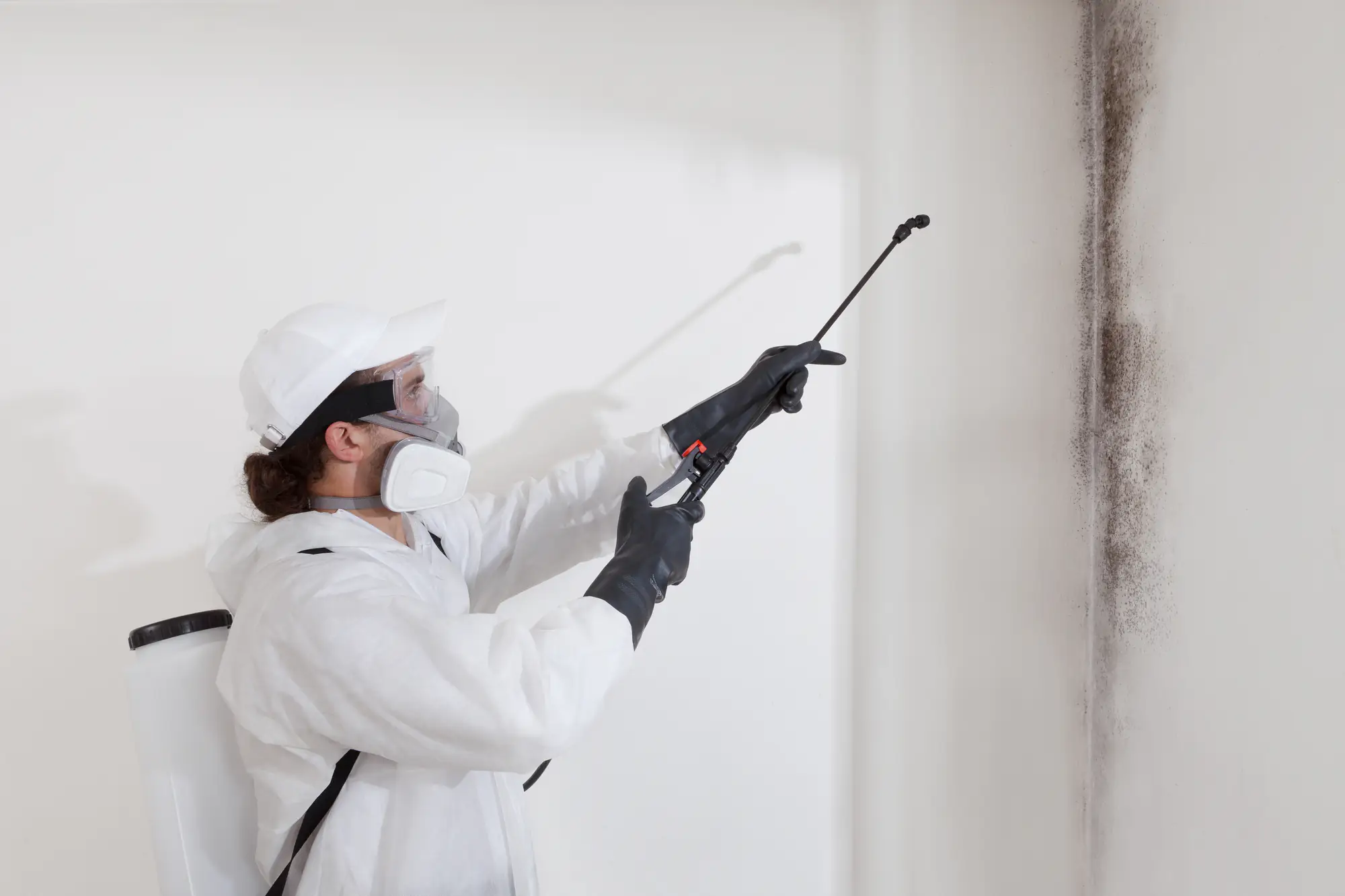
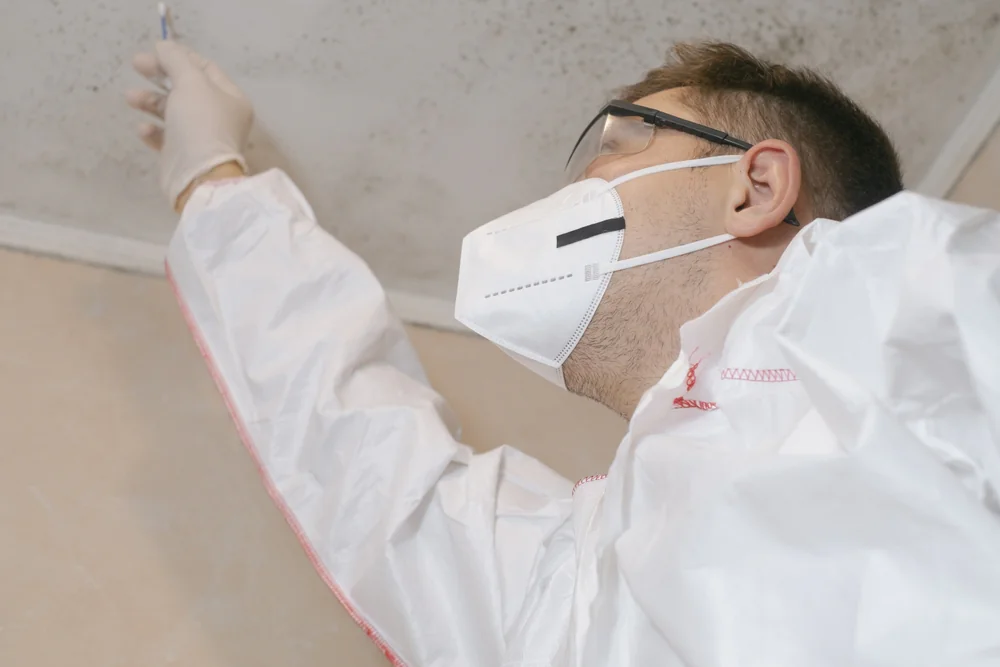
The actual mitigation starts with containment. We seal off affected areas with plastic barriers and use negative air pressure to prevent spores from spreading. We remove contaminated materials—drywall, insulation, flooring, whatever can’t be saved. We don’t try to salvage materials that are heavily contaminated because that’s how mold comes back.
Every surface gets treated with antimicrobial solutions. We run air scrubbers with HEPA filters to clean the air. And we fix the source—whether that’s improving ventilation, sealing foundation cracks, or rerouting drainage.
You get a final report with lab results, photos, and documentation. Most jobs take two to five days depending on the size of the affected area.
Ready to get started?
Every mold mitigation project includes a thorough inspection with moisture testing and thermal imaging. You’re not paying extra for us to actually find the problem.
We provide complete containment using physical barriers and negative air machines. Spores don’t travel to clean areas of your home because we control the work environment from the start.
All contaminated materials get removed and disposed of properly. We’re not leaving moldy drywall in your garage for you to deal with. Antimicrobial treatment covers every affected surface, and we use commercial-grade products that work on black mold, aspergillus, and other common species found in Morrisville homes.
The moisture source gets addressed. If your basement mold is caused by foundation seepage, we’ll talk about waterproofing options. If it’s a ventilation issue, we’ll explain what needs to change. If it’s a plumbing leak, we’ll tell you what to fix. We can’t mitigate mold damage permanently without fixing why it grew.
You get documentation that insurance companies accept. That includes lab reports, detailed photos, and a scope of work that shows exactly what we did. And you get a warranty on our work.
Morrisville’s older housing stock and Bucks County’s climate create specific challenges. Homes built before modern ventilation standards often have inadequate airflow in bathrooms and kitchens. Crawl spaces with dirt floors and no vapor barriers are common. Basements with stone foundations let moisture through. We’ve handled all of it, and we know what works in this area.
Most mold mitigation projects in Morrisville cost between $1,100 and $3,300. The average job runs around $2,200. Basement and crawl space work usually costs more because those areas require moisture control solutions beyond just removing the mold.
The price depends on how much mold you have, where it’s located, and what’s causing it. A small patch of mold in a bathroom from a leaky shower pan costs less than widespread basement mold caused by foundation moisture. If we need to remove drywall, insulation, or flooring, that adds to the cost. If the moisture source requires significant repairs, that factors in too.
We give you a detailed estimate after the inspection so you know exactly what you’re paying for. No surprises. And we can work with your insurance company if the mold resulted from a covered event like a burst pipe or storm damage.
It depends on what caused the mold. If mold resulted from a sudden, accidental event like a burst pipe, roof leak during a storm, or appliance malfunction, most homeowners insurance policies cover it. If the mold resulted from long-term neglect, poor maintenance, or chronic moisture problems you didn’t address, coverage usually gets denied.
Insurance companies want documentation. They want to see that the mold came from a covered peril, not from ignoring a leaky bathroom for two years. That’s why we provide detailed reports with photos, lab results, and a clear explanation of what caused the problem.
We’ve worked with enough adjusters in Bucks County to know what they’re looking for. We can work directly with your insurance company, or we can give you the paperwork you need to submit for reimbursement. Either way, you’ll have documentation that meets their requirements.
Most mold mitigation jobs take two to five days. Small projects like a bathroom with mold around the shower might take two days. Larger projects like a finished basement with mold behind drywall and in the HVAC system can take a week.
The timeline depends on how much material we need to remove, how long containment needs to stay in place, and whether we’re waiting for any repairs to be completed before we can finish. If your basement needs waterproofing before we can close everything up, that extends the timeline.
We’ll give you a clear schedule during the estimate so you know what to expect. We don’t drag jobs out, but we also don’t rush through steps that need time to be done correctly. Air scrubbing takes as long as it takes. Antimicrobial treatments need to dry. We’re not cutting corners to finish faster.
Mold removal means cleaning up visible mold. Mold mitigation means fixing why the mold grew in the first place so it doesn’t come back.
You can remove mold with bleach and a scrub brush. That gets rid of what you can see. But if you don’t fix the moisture problem, the mold comes back in a few months because the conditions that caused it are still there. That’s why DIY mold removal rarely works long-term.
Mold mitigation addresses the source. We find where the moisture is coming from—whether that’s foundation seepage, poor ventilation, plumbing leaks, or condensation issues. We fix or recommend fixes for those problems. Then we remove the mold using containment procedures that prevent spores from spreading. We treat affected areas with antimicrobial solutions. And we verify the work with testing.
Mitigation costs more upfront, but it actually solves the problem instead of just making it look better temporarily.
Usually, yes. We contain the work area so you can stay in other parts of your home. If the mold is in your basement, you can still use your upstairs bedrooms and kitchen. If it’s in a bathroom, we seal that room off and you use a different bathroom.
There are exceptions. If you have extensive mold throughout multiple rooms, or if someone in your home has severe respiratory issues or a compromised immune system, we might recommend staying elsewhere during the work. Black mold releases spores during removal even with containment, and some people are more sensitive than others.
We use negative air pressure and physical barriers to keep spores from traveling to clean areas. We run air scrubbers with HEPA filters. But containment isn’t perfect, and if you have health concerns, it’s worth discussing your specific situation during the inspection.
For most projects, you can stay home. We’ll let you know if your situation is different.
If you can see mold, smell that musty odor, or you’ve had water damage that wasn’t dried within 48 hours, you need mitigation. Removal by itself won’t fix the problem.
Mold grows because moisture is present. If you have mold in your basement, there’s a moisture source. If you have mold in your crawl space, water is getting in somehow. If you have mold in your bathroom, ventilation isn’t working correctly or there’s a leak.
Cleaning the mold without fixing the moisture is like mopping your floor while the sink is still overflowing. It looks better temporarily, but the problem continues.
Mold mitigation includes identifying the moisture source, removing the mold properly with containment, treating affected areas, and addressing the underlying cause. That’s what keeps mold from coming back. If you’ve already tried cleaning mold and it returned, that’s a clear sign you need mitigation, not just removal.
Other Services we provide in Morrisville