

Hear from Our Customers
Mold doesn’t just look bad. It affects how your family breathes, how your home smells, and whether you can sell your property without legal headaches down the road.
When black mold removal is done right, you get more than clean walls. You get air quality that passes clearance testing. You get documentation that satisfies insurance companies and real estate attorneys. You get a home where your kids can play without triggering asthma attacks every other week.
Morrisville’s humid summers and damp winters create perfect conditions for mold growth, especially in basements and crawl spaces. Bucks County’s clay soil doesn’t help either. Water sits where it shouldn’t, and mold follows. The difference between a mold removal company that understands this climate and one that doesn’t shows up in whether the problem comes back.
We don’t leave until moisture levels are normal and the air is clear. That’s not a sales pitch. That’s how the job works when it’s done correctly.
We work exclusively in Bucks County. We know what causes mold problems in homes here because we’ve seen it hundreds of times. The humidity isn’t like other places. The older homes lack proper vapor barriers. The basements flood differently depending on which part of town you’re in.
We’re IICRC certified, which means we follow the same protocols used by insurance companies and industrial hygienists. We use thermal imaging and moisture meters to find problems you can’t see. And we send samples to independent labs so you know exactly what type of mold is growing and what it takes to remove it safely.
You’re not getting a national franchise that trains someone for two weeks and sends them out. You’re getting mold cleaning services from people who’ve handled everything from small bathroom jobs to entire basements that flooded during storm season.

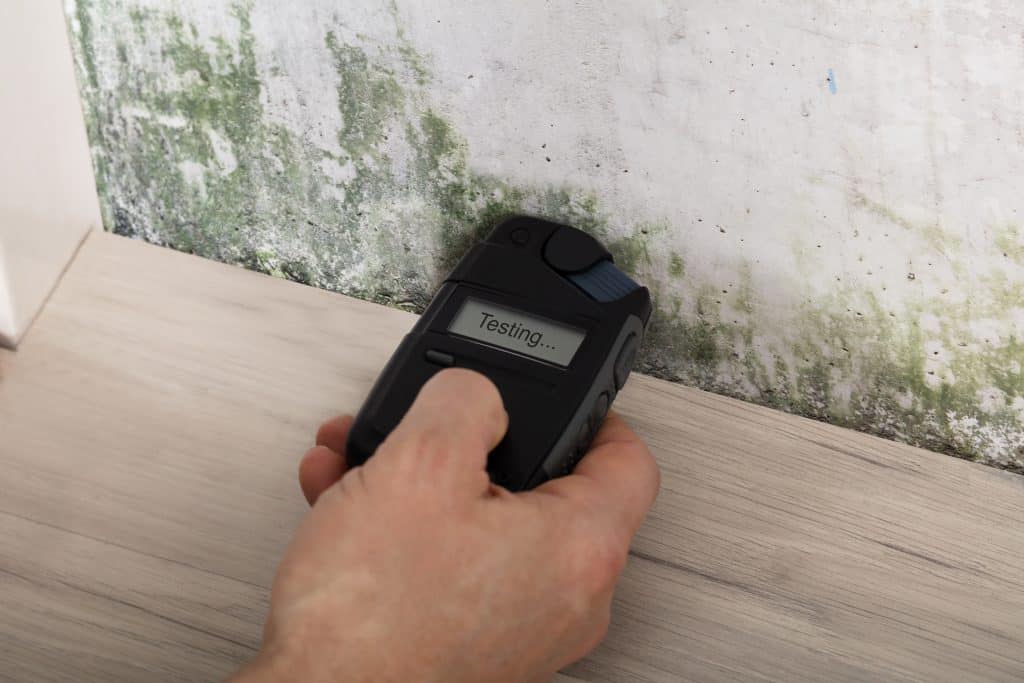
First, we inspect the property with moisture meters and thermal imaging. Mold grows where water is, so we find every wet spot—behind walls, under flooring, inside HVAC systems. If we can’t see it with our eyes, the equipment shows us.
Next, we contain the area. Mold spreads through airborne spores, so we seal off the workspace with plastic barriers and negative air pressure. That keeps contamination from moving into clean areas of your home while we work.
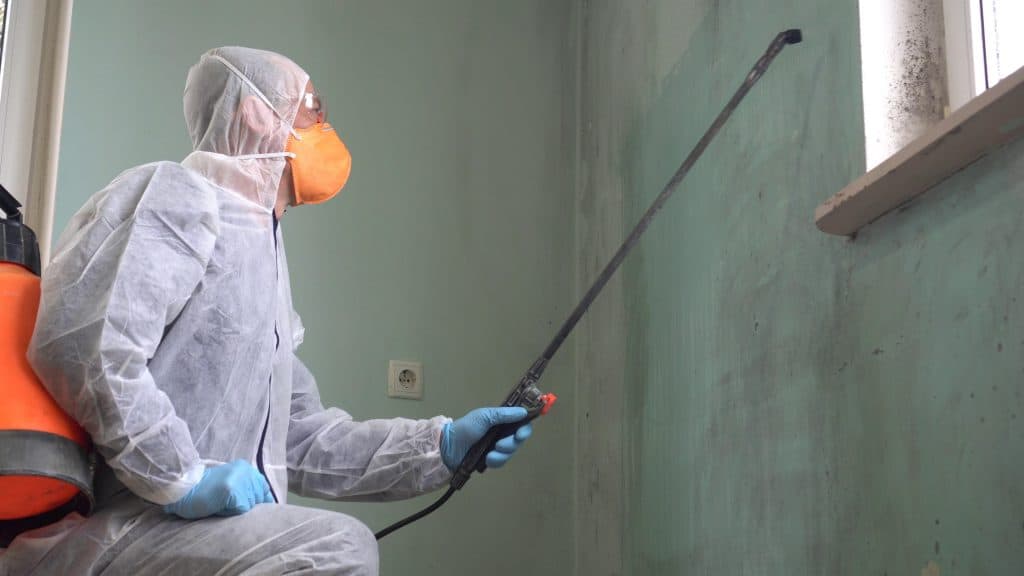
Then we remove the mold using EPA-approved methods. Porous materials that can’t be cleaned get removed and disposed of properly. Hard surfaces get treated with antimicrobial solutions. We don’t just wipe it down and hope for the best.
After removal, we address the moisture source. Maybe it’s a leaky pipe. Maybe it’s poor ventilation in your crawl space. Maybe it’s groundwater seeping through foundation cracks. Whatever it is, we tell you what needs to be fixed so this doesn’t happen again in six months.
Finally, we test the air quality. Independent lab results confirm the mold is gone and the space is safe. You get a full report with photos, lab results, and documentation for your insurance company or real estate transaction.
Ready to get started?
Every professional mold removal job includes a full inspection with advanced detection technology. We’re looking for hidden moisture sources that visual inspections miss. In Bucks County, that often means checking crawl spaces with poor ventilation, basements with clay soil drainage issues, and attics where humidity gets trapped during summer.
You get containment and air filtration during the entire process. We’re not spreading spores throughout your house while we work. Negative air machines with HEPA filters keep contaminated air from reaching clean spaces.
All contaminated materials are removed and disposed of according to EPA guidelines. We don’t cut corners on safety because we know what mold exposure does to people with asthma or compromised immune systems. In Pennsylvania, nearly 5 million asthma cases are directly caused by mold exposure at home. We take that seriously.
After removal, you receive a detailed report with before-and-after photos, lab test results, and moisture readings. If you’re selling your home, Pennsylvania law requires disclosure of known material defects. Our documentation gives you exactly what you need to satisfy legal requirements and prove the problem was handled correctly.
We also provide recommendations for preventing future growth. Sometimes that’s as simple as fixing a gutter. Sometimes it requires better basement waterproofing or improved attic ventilation. Either way, you’ll know what to do next.
Most mold removal projects in Morrisville run between $1,100 and $3,300, with the average around $2,200. The final cost depends on how much surface area is affected, what building materials need to be removed, and whether lab testing is required.
A small bathroom with mold on tile and grout costs less than a finished basement where mold has spread behind drywall and into insulation. If the mold is black mold (Stachybotrys), we’re taking extra precautions and running lab tests to confirm what we’re dealing with, which adds to the cost but keeps everyone safe.
Insurance sometimes covers mold remediation if it resulted from a covered event like a burst pipe. We work directly with insurance companies and provide the documentation they need for claims. If you’re paying out of pocket, we’ll walk you through what’s necessary and what’s optional so you can make an informed decision.
Most jobs take between one and five days, depending on the size of the affected area and how much material needs to be removed. A single room with surface mold might be done in a day. A whole basement with mold behind walls and in the HVAC system takes longer.
We don’t rush the process because cutting corners leads to recurring problems. Containment setup, removal, antimicrobial treatment, and air quality testing all take time when done correctly. If we’re waiting on lab results to confirm the mold type before we proceed, that adds a day or two.
Pennsylvania’s humid climate means mold can start forming within 24 to 48 hours after water exposure. If you’re dealing with an active leak or recent flooding, time matters. We offer 24/7 emergency service for situations where waiting means the problem gets significantly worse.
Small surface mold on non-porous materials like tile can sometimes be cleaned safely by homeowners. But black mold removal is a different situation. Stachybotrys releases mycotoxins that cause serious respiratory problems, especially in children, elderly people, and anyone with asthma or a weakened immune system.
If the mold covers more than 10 square feet, the EPA recommends hiring a professional. If it’s inside walls, under flooring, or in your HVAC system, you need someone with containment equipment and proper safety gear. Disturbing mold without containment spreads spores throughout your home and makes the problem worse.
The bigger issue is figuring out why it grew in the first place. Removing visible mold without fixing the moisture source means it comes back in a few months. We use moisture meters and thermal imaging to find hidden water problems that aren’t obvious during a visual inspection. That’s the difference between a temporary fix and actually solving the problem.
Mold exposure causes respiratory problems, allergic reactions, skin irritation, and chronic sinus issues. For people with asthma, mold is a major trigger. Studies show that living in a home with mold doubles your risk of developing asthma. Of the 21.8 million Americans with asthma, 4.6 million cases are caused by mold exposure at home.
Children, elderly individuals, and anyone with a compromised immune system face higher risks. Symptoms range from mild (sneezing, coughing, itchy eyes) to severe (difficulty breathing, chronic bronchitis, fungal infections in the lungs).
Black mold is particularly dangerous because it produces mycotoxins. Long-term exposure has been linked to neurological problems and severe respiratory damage. Pennsylvania legal cases have awarded significant damages to tenants who suffered health issues from landlord negligence around mold. One Tobyhanna tenant received $150,000 for mold-related health problems.
If anyone in your home is experiencing unexplained respiratory symptoms, persistent coughing, or worsening asthma, mold could be the cause. Air quality testing identifies what’s in your air and whether remediation is necessary.
Yes. Pennsylvania law requires sellers to disclose known material defects that aren’t readily observable, and mold falls into that category. You can’t legally sell a house with a mold problem without disclosing it. If you try and the buyer finds out later, you’re facing potential lawsuits.
Buyers who discover mold during inspection either walk away or demand major price reductions. Sellers who address the problem professionally before listing often recover more in resale value than they spent on remediation. One study found that sellers who invested $7,500 in professional mold removal recovered nearly $20,000 more in resale value compared to those who just dropped the price.
Professional documentation matters. Buyers and their attorneys want proof the mold was removed correctly and won’t return. Our reports include lab results, photos, and moisture readings that satisfy legal disclosure requirements and give buyers confidence the problem is resolved.
If you’re buying a home in Morrisville and the inspection reveals mold, don’t assume it’s a deal-breaker. Get an estimate for proper remediation and use that information to negotiate. Just make sure whoever does the work is IICRC certified and provides documentation you can keep with your property records.
Mold needs moisture to grow, so controlling humidity and fixing water problems prevent recurrence. In Bucks County, that means addressing common issues like basement moisture, poor crawl space ventilation, and inadequate drainage around your foundation.
Start with the basics. Fix leaks immediately. Clean gutters so water doesn’t overflow and seep into your foundation. Make sure your yard slopes away from the house. Use dehumidifiers in basements and crawl spaces, especially during humid summer months when Pennsylvania humidity creates perfect conditions for mold.
Check your ventilation. Bathrooms and kitchens need exhaust fans that vent outside, not into the attic. Attics need proper airflow to prevent moisture buildup. Older homes in Morrisville often lack adequate ventilation, which is why mold problems are more common in properties built before modern building codes.
After we finish a mold removal job, we provide specific recommendations based on what caused your particular problem. Sometimes it’s a simple fix like sealing a foundation crack. Sometimes it requires upgrading your sump pump or improving attic insulation. Either way, you’ll know exactly what to do to keep mold from returning.
Other Services we provide in Morrisville