
Hear from Our Customers
You’re not just paying to scrub visible mold off a wall. You’re paying to breathe easier—literally and mentally.
When mold mitigation is done right, you walk back into a home that doesn’t smell musty. Your kids aren’t coughing at night. You’re not second-guessing every sneeze or wondering if that dark spot is spreading. The air feels cleaner because it is cleaner.
But here’s what matters more: the problem doesn’t come back next spring. That’s because real mold mitigation companies don’t just treat the symptom. We find the moisture source—whether it’s a hidden leak, poor ventilation in your attic, or groundwater seeping into your crawl space—and we address it. Otherwise, you’re just buying time.
You get documentation, too. Lab results that tell you exactly what you were dealing with. Before-and-after readings. A clear explanation of what we found and what we fixed. That matters if you’re selling your home, filing an insurance claim, or just want proof that the issue is handled.
Most importantly, you get your home back. Not a space you’re afraid to use or a basement you avoid. A home where you’re not wondering what’s happening inside the walls.
Mack’s Mold Removal isn’t a national franchise with a local sticker on the truck. We’re a local, owner-operated business that’s been handling mold issues in Hilltown and throughout Bucks County since 2009.
Jeff, the owner, is the person you’ll talk to. He’s also the person who shows up, runs the inspection, and makes sure the work is done right. When you call, you’re not getting routed through a call center. You’re talking to someone who knows how Pennsylvania homes are built, how our weather creates problems, and what actually works to fix them.
We’ve seen it all here. Older colonials with plaster walls and zero vapor barriers. Crawl spaces that flood every time we get a heavy rain. Attics with ice dam damage from our freeze-thaw cycles. Ranch homes with slab foundations that wick moisture straight up into the drywall. Hilltown’s housing stock has character, but it also has vulnerabilities—and we know where to look.
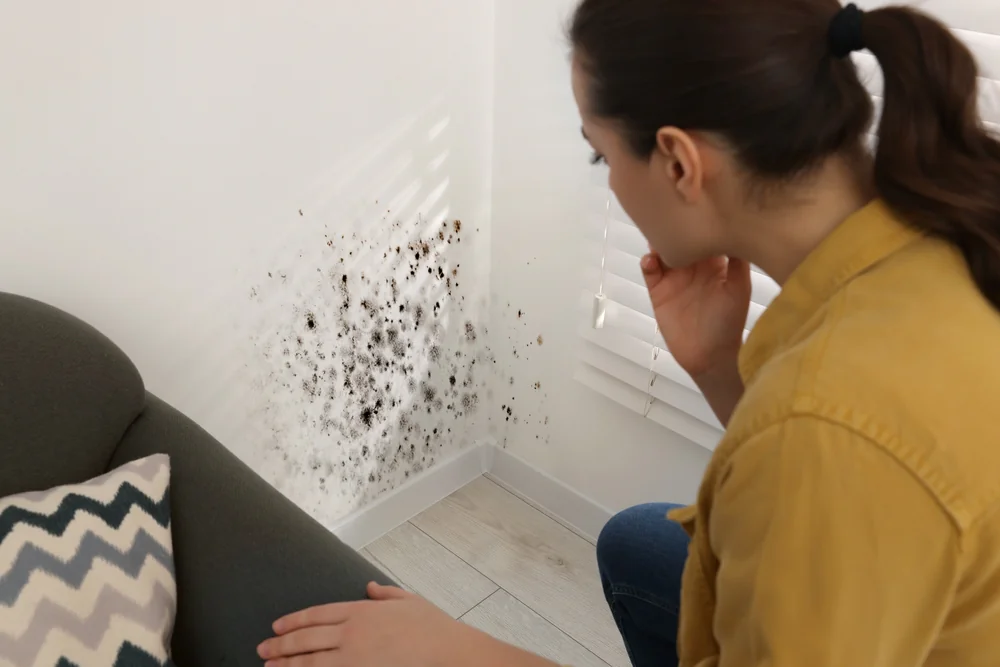
First, we do a free inspection. That means a visual walk-through, but also thermal imaging to spot hidden moisture, and air quality testing if needed. We’re looking for active growth, water damage, and the conditions that let mold thrive. You’ll get a clear explanation of what we find—not a sales pitch.
If testing is needed, we send samples to an independent lab. Results come back in 24 to 48 hours, and they’ll tell us exactly what species we’re dealing with and how much of it is in the air. That guides the scope of work and gives you documentation you can use for insurance or resale.
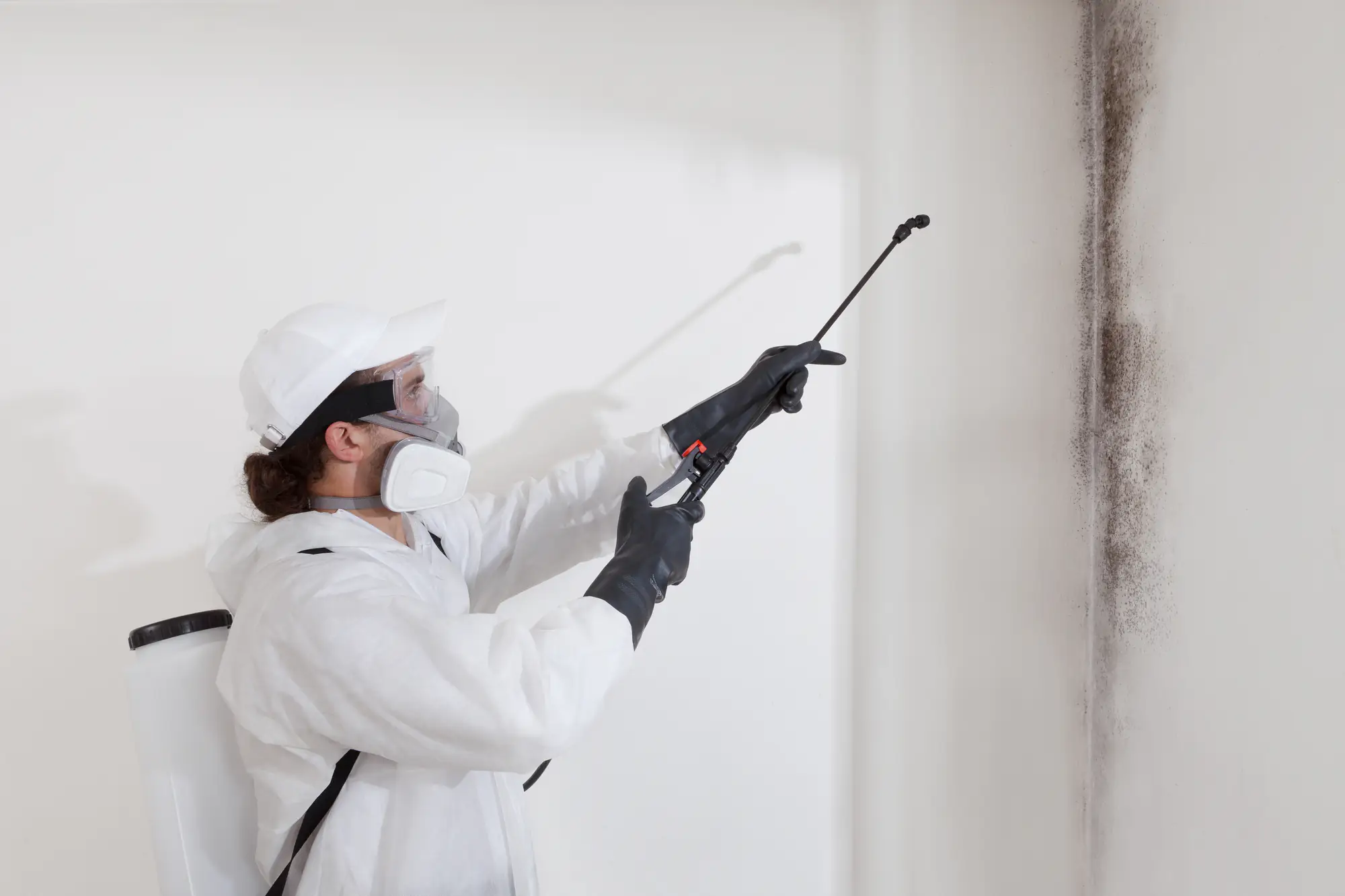
Next, we contain the area. That means sealing off the affected space with plastic sheeting and negative air pressure so spores don’t spread to clean areas while we work. Then we remove contaminated materials—drywall, insulation, whatever can’t be salvaged—and treat surfaces with antimicrobial solutions.
But removal is only half the job. We also locate and fix the moisture problem. Leaking pipe? We’ll refer you to a trusted plumber or handle it if it’s within scope. Poor ventilation? We’ll recommend solutions. Groundwater intrusion? We’ll talk drainage, dehumidification, vapor barriers—whatever it takes.
Finally, we verify the work. Post-remediation testing confirms the air is clear and the job is complete. You get a report. You get peace of mind. And you get a home that’s safe to live in again.
Ready to get started?
Mold mitigation services cover more than most people realize. We’re not just cleaning visible mold. We’re addressing black mold in basements, hidden growth in wall cavities, attic mold mitigation after roof leaks or ice dams, and crawl space mold mitigation where humidity and poor ventilation create perfect conditions.
Every job includes containment to prevent cross-contamination, removal of affected materials, HEPA filtration during the process, and antimicrobial treatment of salvageable surfaces. We also handle the disposal—you’re not stuck figuring out how to get rid of moldy drywall.
In Hilltown, we see a lot of attic mold mitigation jobs. Older homes here weren’t built with the same ventilation standards we have now, and our winters create condensation issues that lead to mold growth on roof sheathing. We also handle a lot of crawl space mold mitigation, especially in homes on larger lots where groundwater management wasn’t a priority when the house was built.
Water mold restoration is another big part of what we do. If you’ve had a flood, a burst pipe, or even just chronic dampness, mold follows fast—usually within 48 hours. We’ll dry it out, remove what’s damaged, and treat what’s salvageable so the problem doesn’t keep coming back.
And if you’re dealing with insurance, we’ll work with your adjuster. We know what documentation they need, and we’ll provide it.
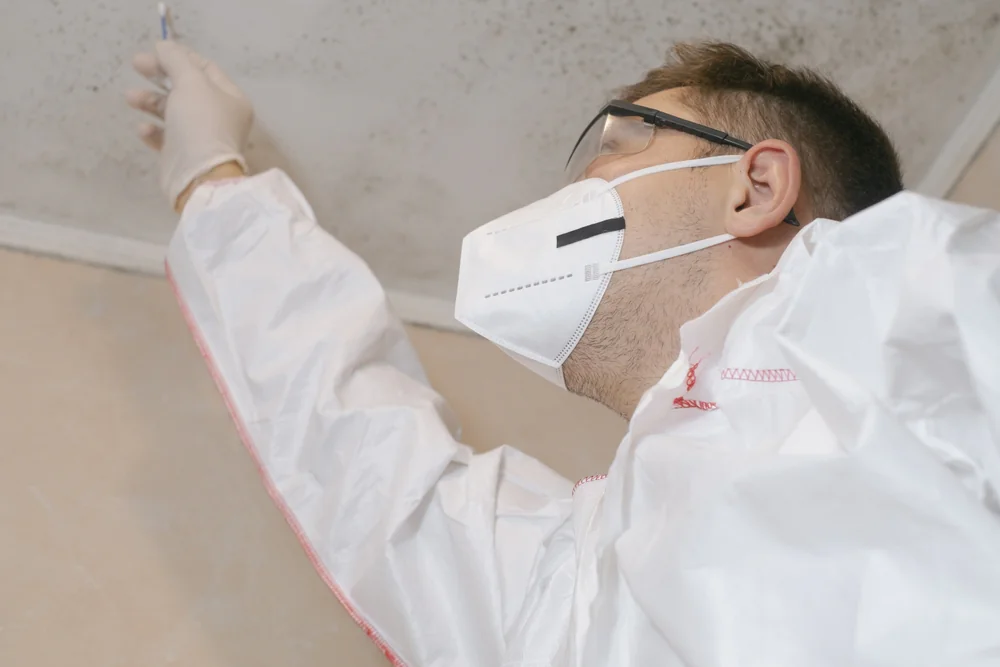
It depends on the size of the affected area and the extent of the damage. A small bathroom with surface mold might take a day or two. A full basement or attic mold mitigation project can take three to five days, sometimes longer if we’re waiting on materials or coordinating with other trades.
The process itself has stages. Containment and removal happen first—that’s the messy part. Then we treat and dry everything out, which takes time if there’s been significant water intrusion. Finally, we test the air to make sure it’s clean before we close up.
We don’t rush it. Cutting corners means the mold comes back, and that’s not a win for anyone. You’ll get a timeline upfront, and we’ll keep you updated if anything changes.
Sometimes, but it depends on the cause. If the mold resulted from a sudden, accidental event—like a burst pipe or a roof leak during a storm—most policies will cover it. If it’s from long-term neglect or a maintenance issue, probably not.
The key is documentation. Insurance companies want proof of the damage, proof of the cause, and proof that you acted quickly to mitigate it. We provide all of that: photos, moisture readings, lab results, and a detailed scope of work.
We’ll work directly with your adjuster if you want. We’ve done it hundreds of times. We know what they’re looking for, and we’ll make sure the claim is filed correctly so you’re not stuck paying out of pocket for something that should be covered.
Mold removal sounds like you’re getting rid of every single spore, but that’s not realistic. Mold spores are everywhere—they’re part of the outdoor environment, and they come inside through windows, doors, and ventilation systems. You can’t eliminate them completely.
Mold mitigation is about bringing the spore count back to normal, safe levels and eliminating the conditions that let mold grow in the first place. That means removing active growth, treating affected areas, and fixing the moisture problem so it doesn’t come back.
It’s a more honest term, and it’s what actually happens during a professional job. Anyone promising “complete mold removal” is either overselling or doesn’t understand how mold works. We focus on mitigation because that’s what protects your health and your home long-term.
If it’s a tiny spot on a windowsill or a small patch on grout, sure—you can probably handle it with some bleach and elbow grease. But if you’re looking at more than 10 square feet, or if it’s in your HVAC system, behind walls, or in a crawl space, you need a professional.
Here’s why: disturbing mold releases spores into the air. If you don’t contain the area and filter the air while you work, you’re spreading the problem to other parts of your home. You’re also exposing yourself to potentially high concentrations of spores, which can cause respiratory issues, especially if you’re dealing with black mold or other toxic species.
Plus, DIY mold cleanup doesn’t address the moisture source. You might scrub away what you can see, but if the underlying problem isn’t fixed, it’ll be back in a few weeks. We have the equipment, the training, and the experience to do it right the first time—and to make sure it doesn’t come back.
Smell is usually the first clue. If you notice a musty, earthy odor that doesn’t go away, there’s a good chance you have hidden mold somewhere. It’s often in places you don’t check regularly—inside walls, under flooring, in the attic, or in the crawl space.
Health symptoms are another indicator. If you or your family are experiencing unexplained allergies, respiratory issues, headaches, or fatigue that improve when you leave the house, mold exposure could be the cause.
We use thermal imaging and moisture meters to find hidden mold during inspections. These tools let us see temperature differences and moisture levels behind walls and ceilings without tearing anything apart. If we find elevated moisture or temperature anomalies, we investigate further. Air quality testing can also detect mold spores even when there’s no visible growth. It’s the most reliable way to know for sure what you’re dealing with.
Pennsylvania’s climate is a big part of it. We get substantial rainfall, high humidity in the summer, and freeze-thaw cycles in the winter that cause ice dams and roof leaks. All of that creates moisture problems, and moisture is what mold needs to grow.
Hilltown’s housing stock makes it worse. A lot of homes here were built before modern moisture management practices became standard. That means older foundations that weren’t waterproofed, crawl spaces with dirt floors, attics with poor ventilation, and plumbing that’s starting to fail after decades of use.
Basements are a common problem area because they’re naturally damp and often poorly ventilated. Crawl spaces are even worse—especially in homes on larger lots where groundwater sits high. Attics see mold growth after roof leaks or when warm, humid air from the living space rises and condenses on cold sheathing in the winter. It’s not that Hilltown homes are poorly built—it’s that the conditions here are tough on older construction, and mold takes advantage of that.
Other Services we provide in Hilltown