
Hear from Our Customers
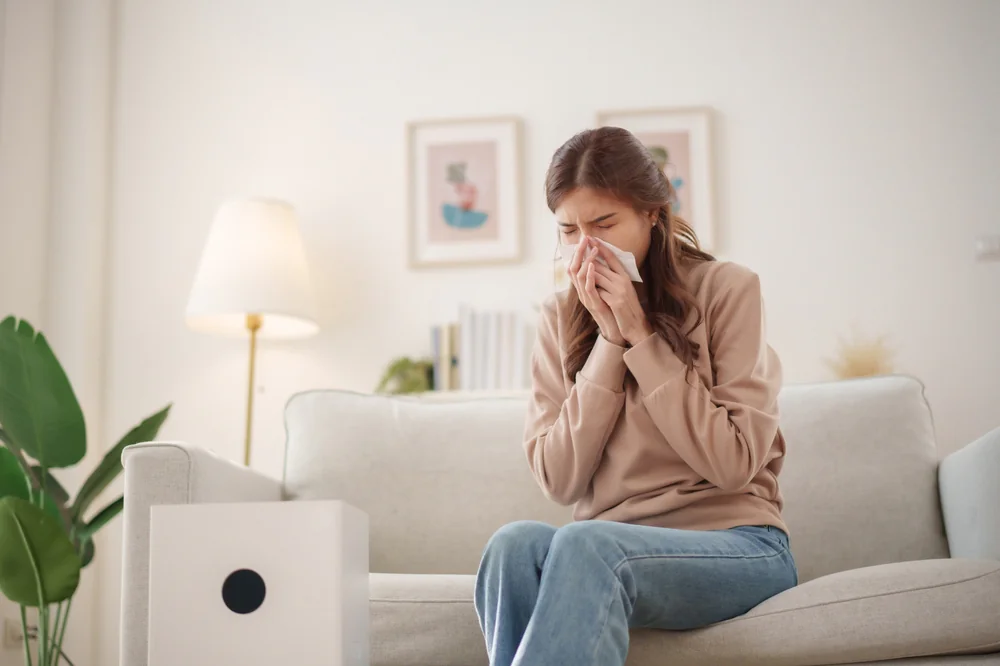
You can’t see mold spores. You can’t see dust mites or VOCs floating through your bedroom. But you can feel the scratchy throat, the persistent cough, the allergy symptoms that won’t quit no matter what you try.
A home air quality test gives you actual data. Not guesses. Not assumptions based on a musty smell or a stain on the ceiling. You get lab results that show exactly what’s in your air and at what levels.
That matters because indoor air can be worse than outdoor air—sometimes significantly worse. Bucks County’s humid climate creates perfect conditions for mold growth, especially in older homes with poor ventilation. Add in everyday pollutants like cleaning products, pet dander, and whatever’s tracked in from outside, and your indoor air becomes a mix you wouldn’t choose to breathe if you knew what was in it.
Professional air quality testing changes that. You find out what’s there, where it’s coming from, and what needs to happen to fix it. No more wondering if that cough is just seasonal or if there’s something actually wrong with your house.
We’ve been helping Hilltown and Bucks County homeowners figure out what’s going on with their indoor air for years. We’re local, we’re certified, and we’ve seen what happens when homes in this area don’t get proper ventilation or moisture control.
Hilltown’s older housing stock—beautiful as it is—wasn’t built with today’s air quality standards in mind. Basements get damp. Crawl spaces trap moisture. Bathrooms and kitchens don’t always vent properly. We know these homes because we work in them constantly.
When you call us for a residential air quality testing appointment, you’re getting someone who understands the specific challenges of living in this part of Pennsylvania. We’re not running a script. We’re looking at your home the same way we’d look at our own—finding problems, explaining what they mean, and laying out real solutions that actually work.
First, we walk through your home and talk about what you’ve noticed. Smells, symptoms, visible issues—anything that made you think something might be off. This helps us know where to focus.
Then we set up air sampling equipment in key areas. We’re collecting samples that go to a certified lab for analysis. We’re testing for mold spores, allergens, particulate matter, and other common indoor pollutants. The equipment runs for a set period to get accurate readings of what’s actually circulating in your air.
We also do a visual inspection while we’re there. Sometimes the air test confirms what we can already see—water stains, condensation problems, ventilation issues. Other times, the air test catches things that aren’t visible yet but are already affecting your health.
Once the lab results come back, we sit down with you and go through everything in plain language. You’ll see exactly what was found, what the levels mean, and whether they’re within safe ranges or not. If there’s a problem, we explain where it’s likely coming from and what needs to happen to fix it. If your air tests clean, you get peace of mind and documentation you can keep.
Ready to get started?
Every mold air test includes lab analysis from a certified facility. You’re not getting results from a handheld meter or a visual guess. You’re getting actual data on spore counts, types of mold present, and concentration levels.
You also get a written report that breaks down what we found and what it means for your home. This isn’t a one-page summary. It’s detailed enough that you can share it with your doctor if you’re dealing with health symptoms, or with your insurance company if you’re filing a claim.
In Hilltown and throughout Bucks County, we’re seeing more homeowners request air quality testing before buying a home or after water damage. That makes sense. Pennsylvania’s climate puts homes at higher risk for mold, and older construction methods didn’t account for the moisture problems we deal with now. A professional air quality assessment gives you leverage in a real estate transaction and documentation if you need to make a claim later.
We also offer follow-up testing after remediation work. If we’ve removed mold or addressed a contamination issue, you want proof that the air is actually clean again. A post-remediation air test confirms the job was done right and your home is safe.
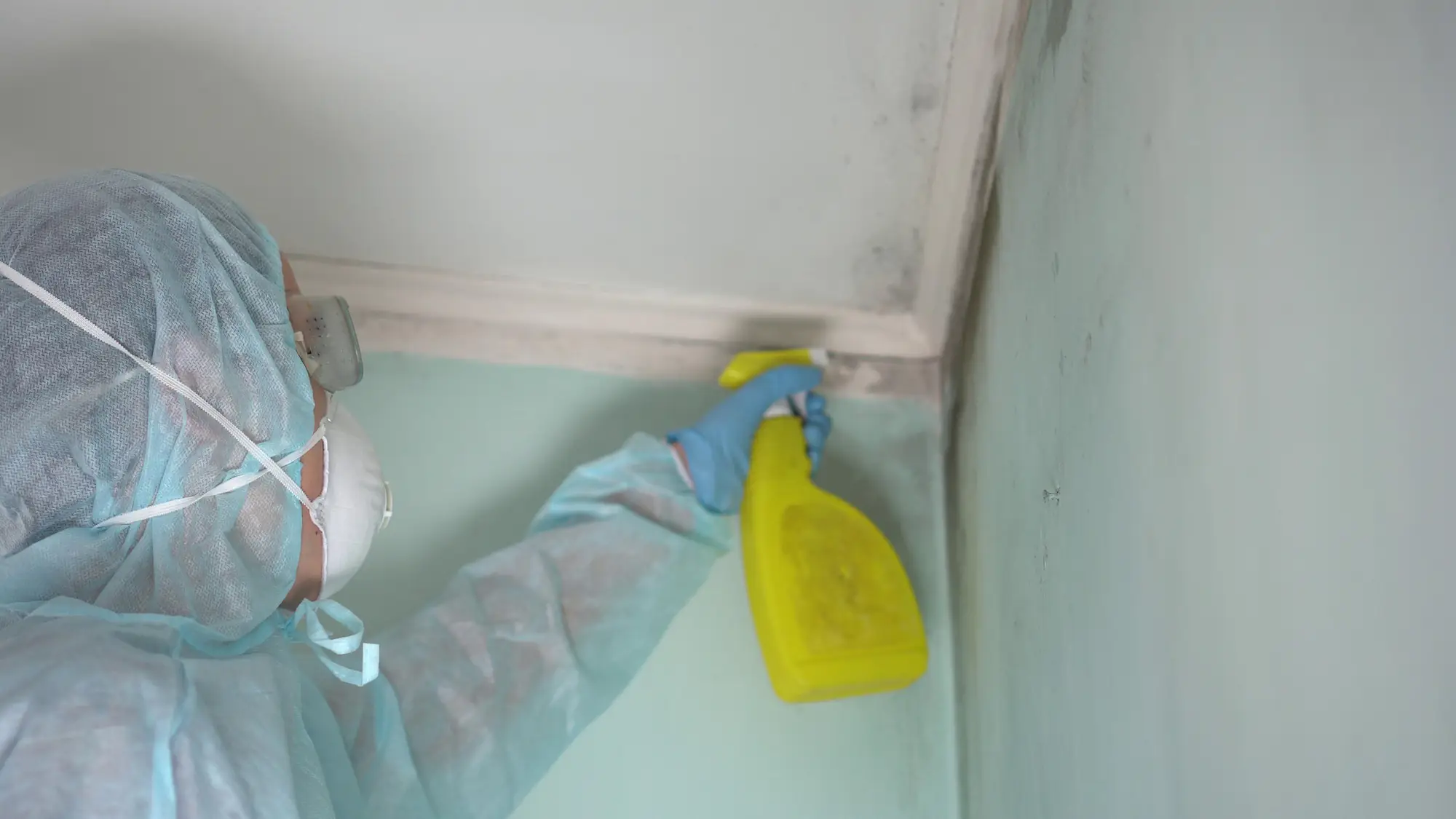
If anyone in your house has unexplained respiratory symptoms, worsening allergies, or persistent coughing that improves when they leave the house, that’s a sign. If you’ve had water damage, flooding, or ongoing moisture problems, you should test. If you’re buying or selling a home in Bucks County, testing gives you documentation and peace of mind.
You might also need testing if you smell something musty but can’t find the source, or if you’ve had mold remediation done in the past and want to make sure it didn’t come back. Some people test just because they want to know—they have young kids, elderly family members, or someone with asthma, and they want to be sure the air is safe.
There’s no downside to testing. Worst case, everything comes back clean and you have proof your air quality is fine. Best case, you catch a problem early before it gets worse or makes someone sick.
A mold air test specifically measures mold spore counts and identifies which types of mold are present in your air. It’s focused on fungal contamination. A comprehensive indoor air quality test looks at mold plus other pollutants—dust, pollen, pet dander, VOCs from cleaning products or building materials, and particulate matter.
Most homeowners in Hilltown who call us are concerned about mold because of our humid climate and the age of homes in the area. But sometimes the air quality issue isn’t mold at all. It’s poor ventilation trapping allergens, or it’s off-gassing from new flooring or paint.
We usually recommend starting with a full air quality test unless you already know you have visible mold growth. That way you’re not missing something. If the results show elevated mold levels, we can do additional testing to pinpoint the source and figure out what species you’re dealing with.
The actual testing appointment usually takes one to two hours depending on the size of your home and how many areas we’re sampling. We set up the equipment, let it run for the required time, then pack everything up and send samples to the lab.
Lab results typically come back within three to five business days. Sometimes faster, sometimes a bit longer if the lab is backed up. Once we have the results, we’ll call you to schedule a time to go over everything. That conversation usually takes about thirty minutes—we want to make sure you understand what was found and what your options are.
If you need results faster for a real estate transaction or insurance claim, let us know up front. We can sometimes expedite lab processing for an additional fee, but standard turnaround is usually fine for most situations.
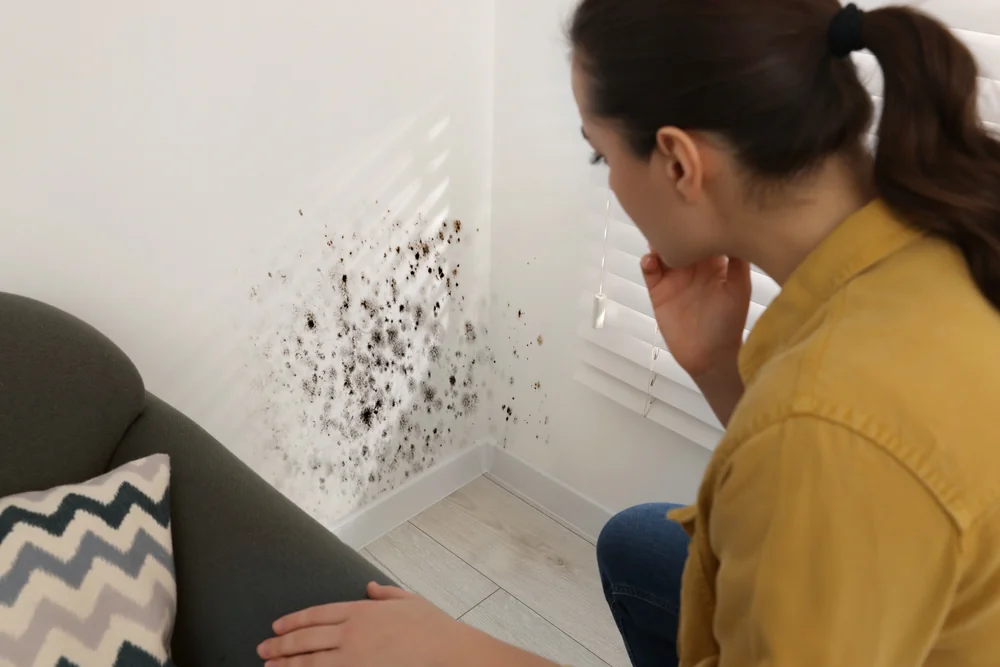
Air testing tells you that mold spores are present and gives you spore counts, but it doesn’t pinpoint the exact location of growth. That’s where the visual inspection comes in. While we’re at your home doing air sampling, we’re also looking for signs of moisture problems, water damage, condensation, and visible mold growth.
Often, the combination of air test results and visual inspection gets us to the source. High spore counts in the basement plus visible water stains and musty smell tells us where to look. Sometimes we need to do additional investigation—checking behind walls, in crawl spaces, or in HVAC systems.
If air testing shows elevated mold levels but we can’t find visible growth, that usually means it’s hidden. Could be inside walls from an old leak, under flooring, or in ductwork. In those cases, we might recommend thermal imaging or moisture mapping to track down the source before we start any remediation work.
Cost depends on how many areas you want tested and what type of analysis you need. A basic mold air test for a single area usually starts around a couple hundred dollars. A comprehensive indoor air quality test covering multiple rooms and testing for a full range of pollutants costs more—typically in the range of several hundred dollars depending on the scope.
We offer free inspections to assess your situation and give you an accurate quote before any testing happens. That way you know exactly what you’re paying for and why. Some homeowners only need one or two samples to confirm a suspicion. Others want whole-house testing for a complete picture.
If testing reveals a problem that needs remediation, the cost of testing is usually minor compared to the cost of letting mold or air quality issues go unaddressed. Health problems, property damage, and decreased home value add up fast. Testing gives you the information you need to make smart decisions about your home and your family’s health.
You can, but the results won’t be as reliable or comprehensive. Home test kits usually only test for a limited range of mold types, and the sampling methods aren’t as precise as professional equipment. You also don’t get the visual inspection and expert analysis that comes with professional testing.
The bigger issue is interpretation. A home kit might tell you mold is present, but it won’t tell you if the levels are normal for a home in Bucks County or if they’re elevated enough to be a concern. It won’t tell you where the mold is coming from or what needs to be done about it. You’re left with a result and no context.
Professional air quality testing costs more up front, but you’re paying for accurate lab analysis, proper sampling technique, and someone who can actually explain what the results mean for your specific home. If you’re dealing with health symptoms or you’re making decisions about buying or remediating a property, professional testing is worth it. You need information you can actually use, not just a positive or negative result from a kit.
Other Services we provide in Hilltown