
Hear from Our Customers
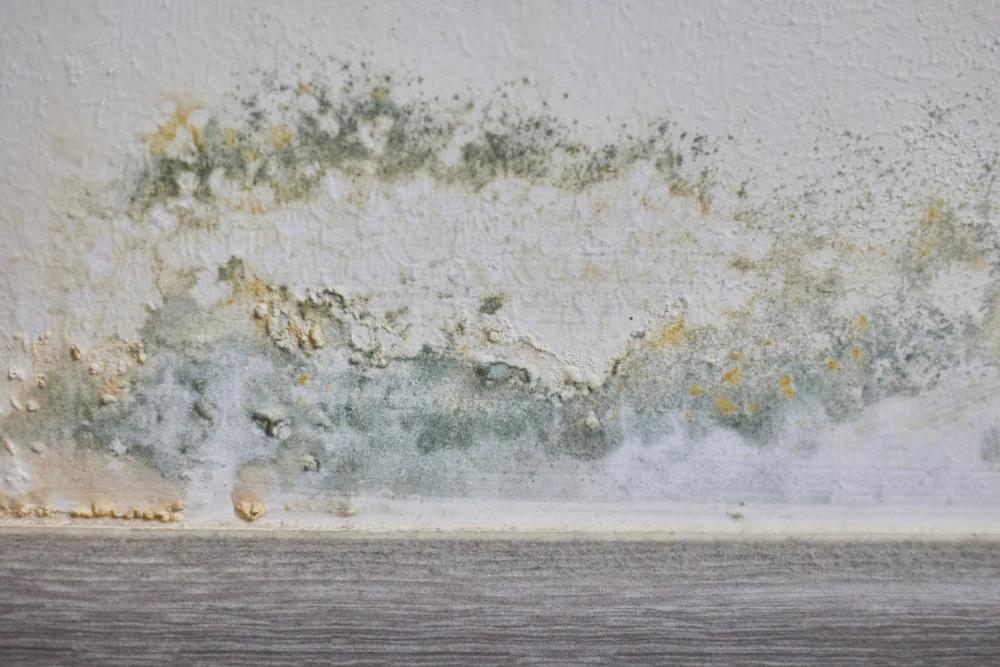
When mold takes hold in your Hilltown home, it doesn’t just sit there. It spreads through your HVAC system, gets into your walls, and starts affecting how your family breathes. You’re dealing with sneezing, coughing, and that musty smell that won’t go away no matter how much you clean.
Here’s what changes after proper mold mitigation: your indoor air quality returns to safe levels, typically below 200 spores per cubic meter. The visible growth is gone, but more importantly, the hidden colonies behind your walls and under your floors are eliminated. Your property value stays intact instead of dropping 20-37% from unaddressed water damage.
Most jobs in Bucks County homes finish in 3-5 days. We use HEPA filtration that captures 99.97% of airborne mold particles while we work, so your family isn’t breathing in more spores during the removal process. Then we address the moisture source, whether that’s a leaky basement, poor ventilation, or hidden plumbing issues common in Hilltown’s older homes.
We’ve spent over 20 years working in Hilltown and throughout Bucks County. We know the basement moisture problems that come with your area’s clay soil. We know how your older homes trap humidity in crawl spaces. We’ve seen what happens when homeowners wait too long or try to bleach it away themselves.
Our team holds IICRC certifications and follows EPA guidelines on every job. We’re not a national franchise reading from a script. We’re local technicians who understand Pennsylvania’s specific mold regulations and climate challenges.
When you call us at 215-431-4744, you’re talking to someone who’s worked in homes just like yours. We show up fast because we know mold doesn’t wait for business hours.
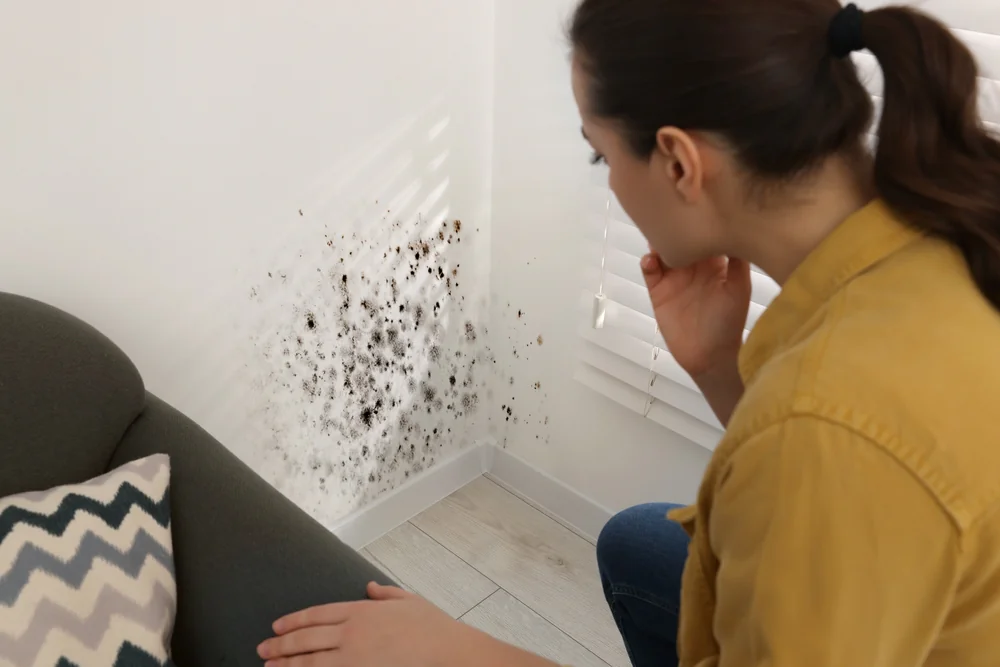
First, we inspect every area where moisture exists or mold could be hiding. That means checking behind walls, under flooring, inside HVAC systems, and in your attic or crawl space. We use moisture meters and thermal imaging to find problems you can’t see.
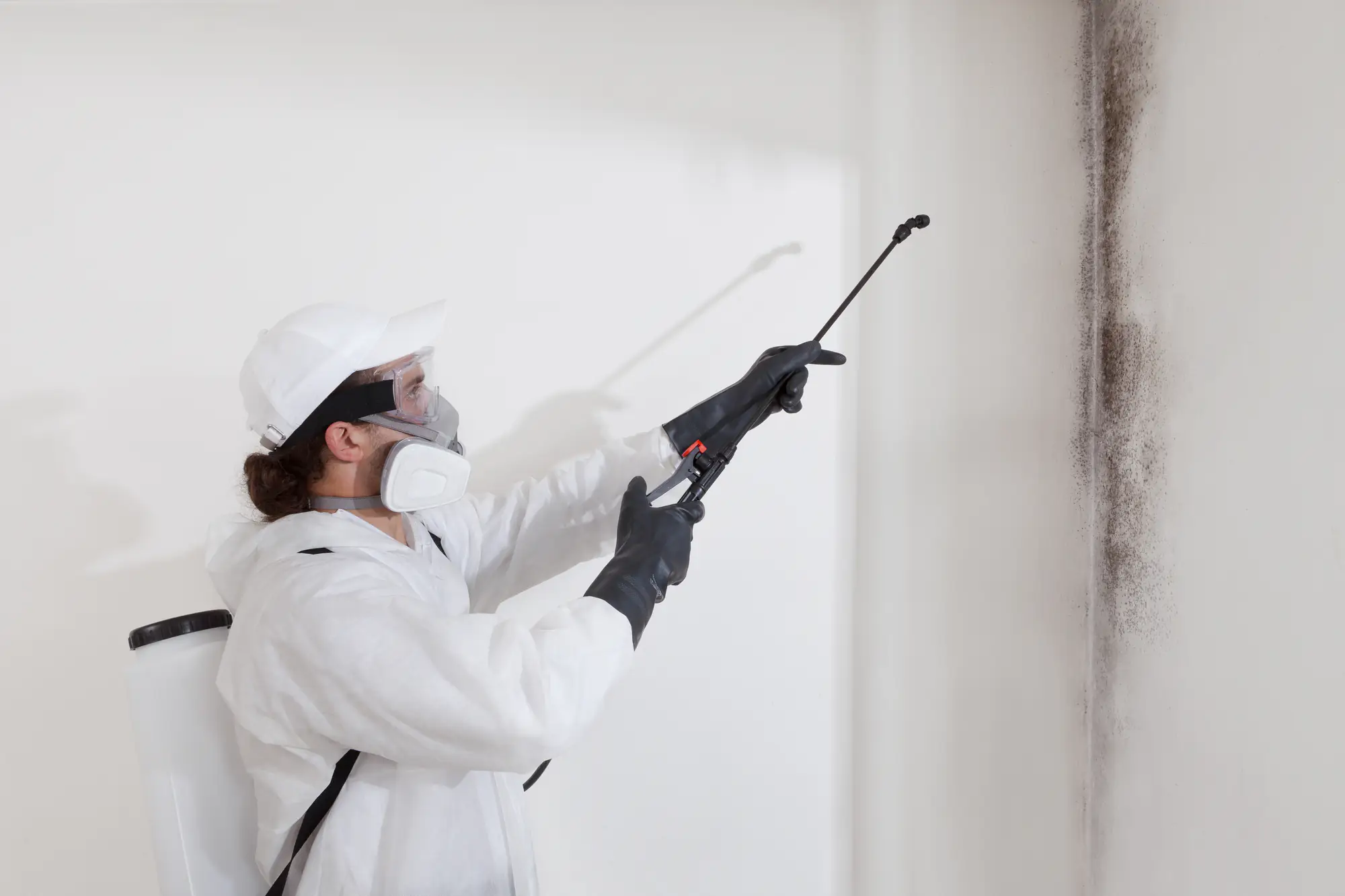
Next, we contain the affected area with physical barriers and negative air pressure. This stops mold spores from spreading to clean parts of your home while we work. Then we remove contaminated materials that can’t be saved and clean everything that can using HEPA vacuums and antimicrobial treatments.
While that’s happening, our air scrubbers run continuously to filter out airborne spores. After removal, we dry out the space completely using commercial dehumidifiers and air movers. Mold needs moisture to grow, so if we don’t get your home properly dried, you’ll have the same problem again in six months.
Finally, we fix the source. Maybe that’s repairing a foundation crack, improving your ventilation, or replacing damaged plumbing. We also do post-remediation testing to confirm your air quality is back to safe levels. You get documentation for your records and for any insurance claims.
Ready to get started?
Your mold mitigation service covers the full scope of the problem. We start with a detailed inspection and testing to identify what type of mold you’re dealing with and how far it’s spread. In Hilltown’s humid climate, especially during summer months, mold can colonize quickly in basements and bathrooms.
The removal process includes setting up containment barriers, running HEPA air filtration throughout the work area, removing affected materials like drywall or insulation, and treating all surfaces with EPA-approved antimicrobial solutions. We handle black mold, which is common in water-damaged areas, with the same careful protocols we use for any mold species.
You also get moisture control solutions. That might mean installing better ventilation in your bathroom, sealing foundation cracks that let groundwater seep in, or fixing the grading around your home that’s directing rainwater toward your foundation. These are common issues in Bucks County properties, especially in neighborhoods with older construction.
After everything’s cleaned and dried, we rebuild any areas we had to tear out. Your walls get closed back up, your flooring gets replaced, and your home looks normal again. We also provide documentation of our work and air quality test results, which you’ll need if you’re selling your property or filing an insurance claim.
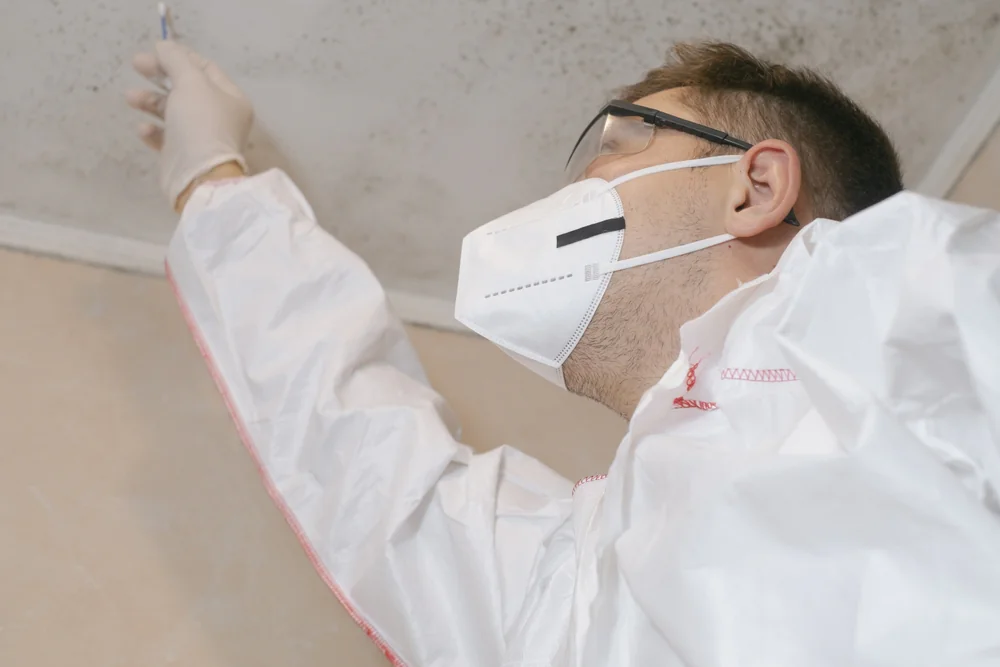
Mold can start growing within 48 to 72 hours after water exposure. That’s why you’re seeing so much emphasis on fast response times from mold mitigation companies.
If your basement flooded, your roof leaked, or a pipe burst, the clock starts immediately. Within the first 24 hours, moisture soaks into porous materials like drywall, insulation, and wood framing. By day two, if those materials aren’t dried out, mold spores that are already present in every home start to colonize.
In Hilltown’s climate, where humidity can stay high during summer months, the conditions are even more favorable for rapid mold growth. Your HVAC system can spread spores throughout your home once they become airborne. That’s why you might see mold in your bathroom but start smelling it in your bedroom.
The key is getting professional drying equipment into your home fast. Our commercial dehumidifiers and air movers can dry affected areas 50% faster than fans and open windows. That speed matters because every extra day of moisture exposure means more material damage and more extensive mold growth.
Mold removal sounds like you can eliminate every single spore from your home, but that’s not realistic. Mold spores exist everywhere, indoors and outdoors. They’re part of the natural environment.
Mold mitigation is the accurate term for what actually happens during professional remediation. We reduce mold levels back to normal, naturally occurring levels that don’t pose health risks. That means removing active colonies, cleaning affected surfaces, and bringing your indoor air quality back to safe standards, typically below 200 spores per cubic meter.
The process involves physical removal of contaminated materials that can’t be saved, like soaked drywall or moldy insulation. Then we clean and treat surfaces that can be salvaged using HEPA vacuums and antimicrobial solutions. The goal is to mitigate mold damage and prevent future growth by eliminating the moisture source.
Companies that promise complete mold removal are overselling what’s possible. What you actually need is mitigation that brings your home back to safe, normal conditions. That’s what we do, and that’s what EPA guidelines recommend.
It depends on what caused the mold. Most homeowners insurance policies in Pennsylvania cover mold mitigation if the mold resulted from a covered peril, like a sudden pipe burst or storm damage.
If your washing machine hose broke and flooded your laundry room, and mold grew as a result, that’s typically covered. Same with roof damage from a fallen tree that let water in. Your insurance should pay for both the water damage cleanup and the mold mitigation that follows.
What’s usually not covered is mold from long-term neglect or maintenance issues. If your bathroom has been leaking slowly for months and you didn’t fix it, insurance will likely deny your claim. Same with basement moisture from poor drainage or foundation cracks you knew about but didn’t address.
The best approach is to call us and your insurance company right away when you discover mold. We can document the damage, work directly with your adjuster, and provide the detailed reports they need to process your claim. We’ve handled hundreds of insurance jobs in Bucks County and know exactly what documentation carriers require.
You can’t tell by looking at it. Black mold, technically called Stachybotrys chartarum, is dark greenish-black and slimy when wet. But so are several other common mold species that grow in homes.
The only way to know exactly what type of mold you’re dealing with is through lab testing. We collect samples during our inspection and send them to a certified lab for analysis. They identify the specific species and concentration levels in your home.
Here’s what matters more than the species: any mold growing actively in your home needs to be removed. Black mold gets attention because it can produce mycotoxins that cause health issues, especially for people with asthma or weakened immune systems. But other mold types also trigger allergic reactions, respiratory problems, and property damage.
Whether it’s black mold or another species, the mitigation process is the same. We contain the area, remove the growth, clean everything thoroughly, and fix the moisture problem. Don’t wait for test results to start remediation if you’re seeing visible mold or smelling that musty odor. The health risks and property damage are real regardless of the specific species.
Bleach only works on non-porous surfaces like tile or glass, and even then, it doesn’t kill the roots. If you’ve got mold on drywall, wood, or insulation, bleach won’t solve the problem.
Here’s why DIY mold cleanup usually fails: bleach is mostly water, and water is what mold needs to grow. When you spray bleach on porous materials, the chlorine stays on the surface while the water soaks in deeper, potentially feeding the mold roots you can’t see. You might kill the surface layer, but the colony keeps growing behind your wall.
The bigger risk is disturbing mold without proper containment. When you scrub or tear out moldy materials, you send thousands of spores airborne. Without HEPA filtration and containment barriers, those spores spread to other rooms and start new colonies. We see this constantly in Hilltown homes where owners tried DIY cleanup first.
Professional mold mitigation uses antimicrobial treatments designed specifically for mold, not household cleaners. We also have the equipment to dry out your home properly and the training to find hidden growth. Small surface mold on a bathroom tile might be fine to clean yourself. Anything larger than 10 square feet, anything inside your walls, or anything caused by contaminated water needs professional help.
Most residential mold mitigation jobs in Hilltown take 3 to 5 days from start to finish. The timeline depends on how much mold growth we find, what materials are affected, and how extensive the moisture damage is.
A small bathroom mold problem might take 2 days. We contain the area, remove affected materials, clean and treat surfaces, dry everything out, and do final testing. You can usually use other parts of your home normally during this time.
Larger jobs, like a finished basement with mold behind the walls and in the HVAC system, might take a full week or more. We need time to properly dry out structural materials, which can’t be rushed. If we close everything back up while moisture is still present, you’ll have mold again within months.
The drying phase is what takes the longest. We use moisture meters to track progress daily. Wood framing, concrete, and other structural materials need to reach specific moisture levels before we can rebuild. Rushing this step is the main reason mold comes back after remediation.
We’ll give you a specific timeline after our initial inspection. We can also work in phases if you need to stay in your home during the process. The key is doing it right, not doing it fast.
Other Services we provide in Hilltown