
Hear from Our Customers
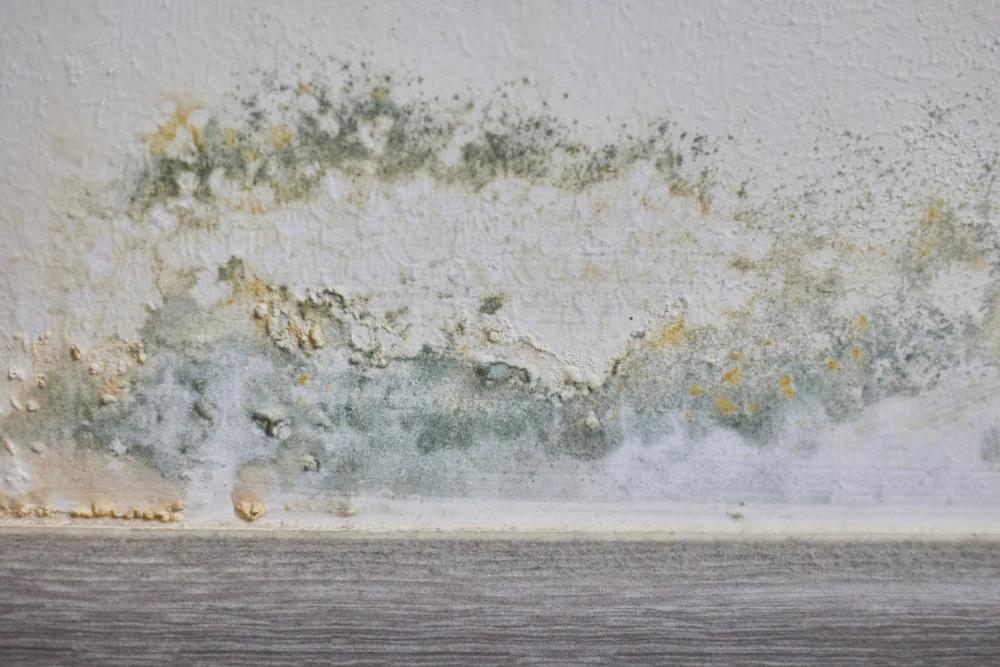
When mold shows up, your first thought is probably about your family’s health. You’re right to worry. Mold spores trigger allergies, asthma attacks, and respiratory problems—especially in kids.
But here’s what most people don’t realize: visible mold is usually just part of the problem. The real issue is what’s growing behind your walls, under your floors, or in your crawl space. That’s where the moisture source lives, and that’s what keeps feeding the problem.
Professional mold mitigation means you get clean air again. Your kids stop coughing at night. You stop smelling that musty odor every time you walk into certain rooms. And you protect your property value, because Pennsylvania law requires you to disclose mold problems when you sell.
The difference between removal and mitigation is simple: one scrubs away what you can see, the other fixes why it’s there in the first place.
We work exclusively in Bucks County, which means we know exactly what causes mold in Falls homes. We’ve seen what happens after storms like Hurricane Debby dump water into basements. We know which neighborhoods have older homes with poor ventilation, and which newer builds have moisture problems from construction shortcuts.
Our team uses EPA-approved methods and advanced detection equipment—moisture meters, infrared cameras, HEPA filtration systems. We’re not a franchise following a corporate manual. We’re local professionals who’ve built our reputation on doing the job right the first time.
You get a free inspection, transparent pricing before any work starts, and help with your insurance claim if you need it. We don’t disappear after the job—we make sure the problem is actually solved.
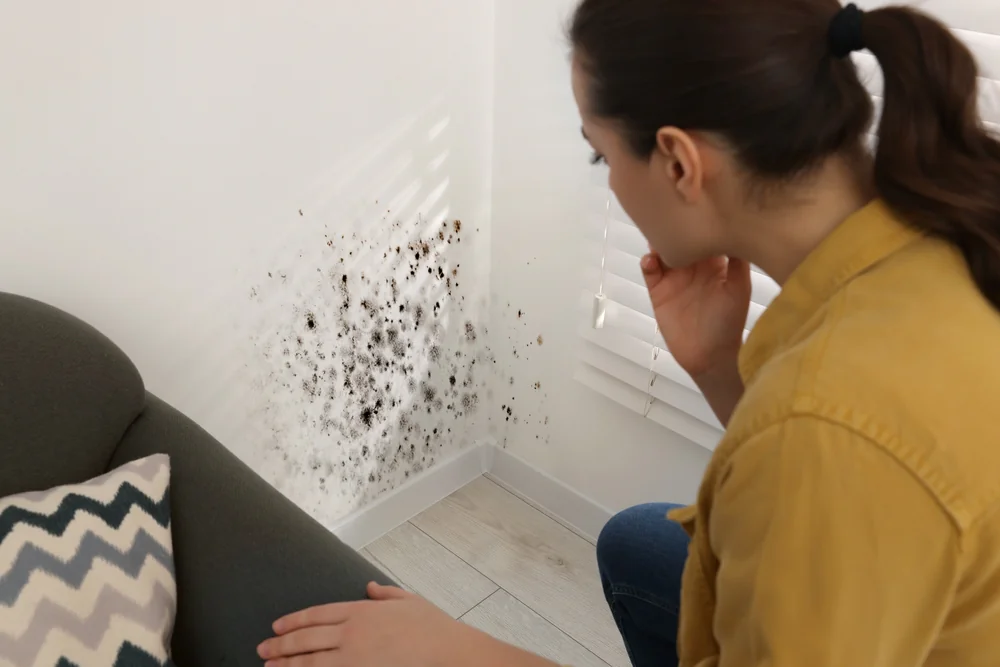
First, we inspect your entire property. That means checking obvious spots like bathrooms and basements, but also hidden areas—wall cavities, attic spaces, crawl spaces, HVAC systems. We use moisture meters and infrared cameras to find water you can’t see.
Next, we test to identify what type of mold you’re dealing with. Different molds require different approaches, and we need accurate information to build the right removal strategy.
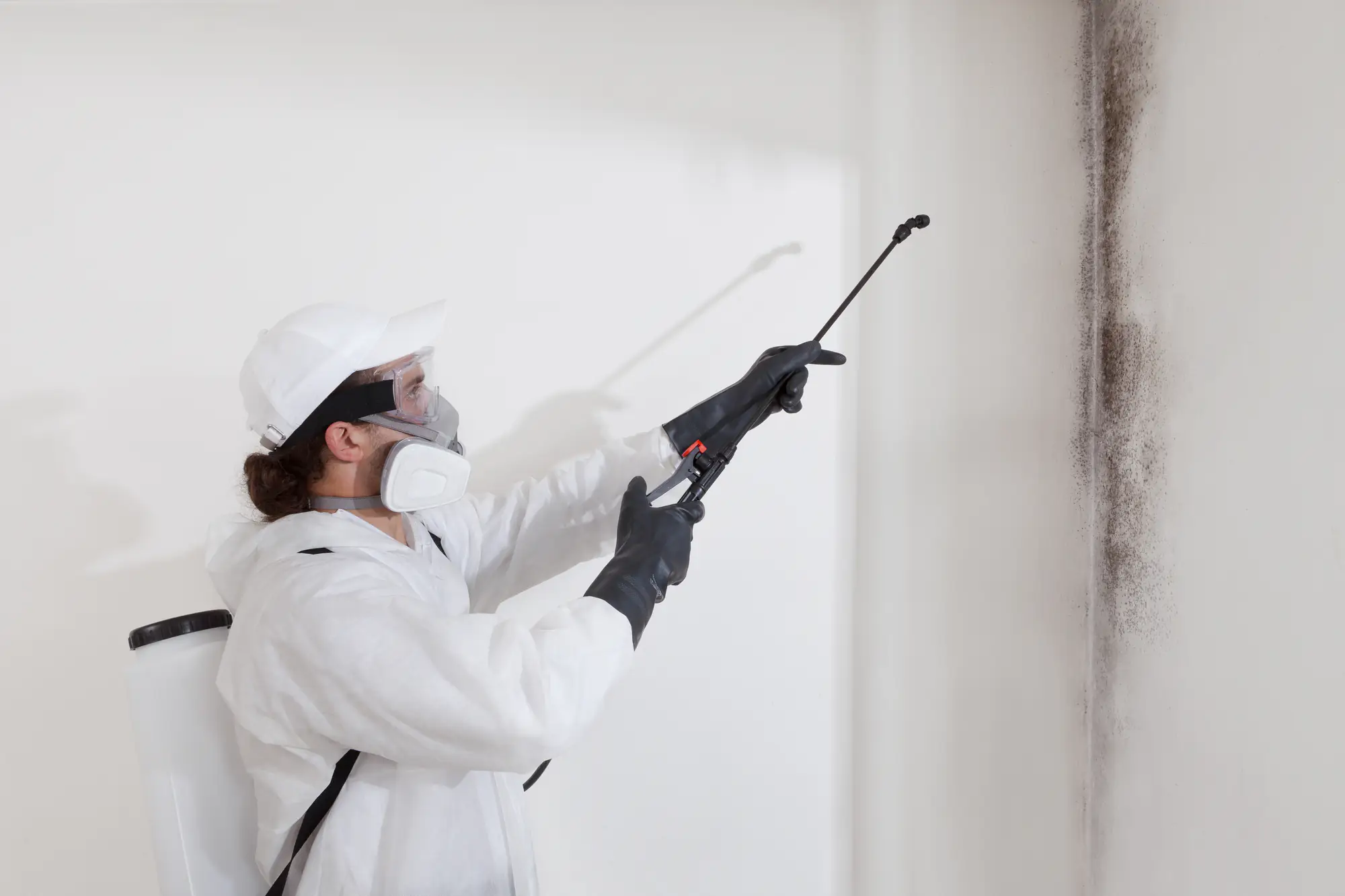
Then we contain the affected area to prevent spores from spreading during removal. We set up negative air pressure systems and physical barriers. This step matters more than most people realize—improper containment can spread mold to clean areas of your home.
We remove contaminated materials and clean everything that can be saved using HEPA filtration and antimicrobial treatments. If drywall or insulation is saturated, it gets removed. If wood framing can be treated and saved, we save it.
Finally—and this is the most important part—we fix the moisture source. Maybe that’s repairing a roof leak, improving ventilation, fixing a plumbing problem, or addressing drainage issues. Without this step, you’re just waiting for mold to come back.
Ready to get started?
Your mold mitigation service includes a thorough inspection of your entire property, not just the areas where you’ve noticed problems. We check attics, basements, crawl spaces, behind appliances, inside walls—anywhere moisture can hide.
You get professional testing to identify the specific mold species present. This matters because black mold requires more aggressive treatment than common household molds. Testing also gives you documentation for insurance claims or real estate transactions.
The removal process includes containment, HEPA air filtration, antimicrobial treatment, and safe disposal of contaminated materials. We follow Pennsylvania regulations and EPA guidelines for every job.
Here’s what makes mitigation different from basic removal: we fix the source. In Falls, that often means addressing issues specific to our area. Bucks County’s humidity levels and frequent precipitation create perfect conditions for mold growth. Older homes in Falls often have poor ventilation or outdated waterproofing. Newer construction sometimes has moisture problems from improper grading or rushed building practices.
We identify what’s causing moisture in your specific situation and fix it. That might mean improving drainage, repairing leaks, upgrading ventilation, or waterproofing vulnerable areas. Without addressing the source, you’re wasting money on temporary fixes.
You also get help navigating insurance claims if your mold problem resulted from covered water damage. We document everything and provide the detailed reports insurance companies require.
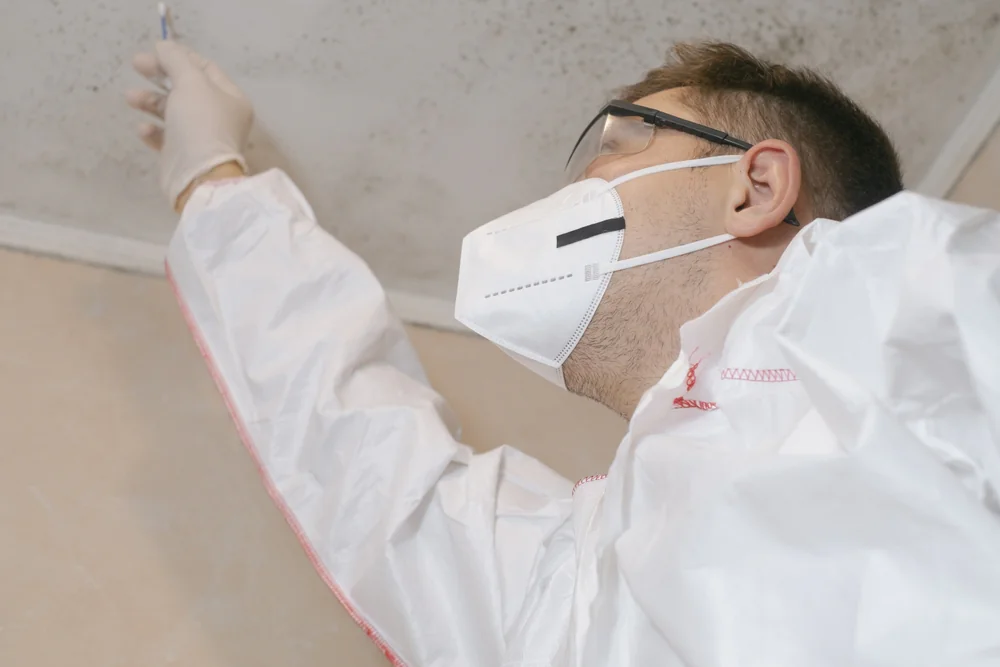
Mold can start forming within 24 to 48 hours after water exposure. That’s not a lot of time, especially if water damage happens over a weekend or while you’re away.
The timeline depends on conditions. Warm temperatures, high humidity, and organic materials like drywall or wood create ideal growth conditions. Falls homes face all three factors regularly, especially during summer months when humidity stays high.
If you’ve had flooding, a pipe burst, or roof leak, you need to act fast. Even if you can’t see mold yet, it’s likely already starting to colonize behind walls or under flooring. The longer you wait, the more expensive and extensive the remediation becomes.
This is why we offer 24/7 emergency response. When water damage happens, the clock starts immediately. Getting a professional assessment within the first day or two can save you thousands in remediation costs.
Mold removal focuses on cleaning up visible mold. Mitigation goes deeper—it identifies and fixes the moisture source causing the problem.
Here’s why that matters: you can scrub mold off your bathroom wall, but if you don’t fix the ventilation problem or the leak behind that wall, the mold comes back. You’ve wasted time and money treating symptoms instead of the actual problem.
Mold mitigation includes removal, but it also includes moisture detection, source repair, and prevention strategies. We find where water is entering or accumulating, we fix that issue, and then we remove the mold. That’s the only way to actually solve the problem.
Most homeowners who try DIY removal or hire cheap services end up calling us six months later when the mold returns. Proper mitigation costs more upfront, but it’s the only approach that actually works long-term.
Most mold mitigation projects in Falls run between $1,100 and $3,300, with the average around $2,200. But that range is wide because every situation is different.
Cost depends on how much mold is present, where it’s located, and what’s causing it. A small area of surface mold in a bathroom costs less than extensive black mold growth throughout a basement or crawl space. Attic mold mitigation requires different equipment and access than ground-level work.
The moisture source also affects cost. If we need to repair plumbing, improve drainage, or waterproof foundation walls, that adds to the total. But skipping those repairs means the mold comes back, and you pay for remediation twice.
We provide detailed estimates before starting any work. You’ll know exactly what you’re paying for and why. We also offer financing options and help with insurance claims, which can significantly reduce your out-of-pocket costs if the mold resulted from covered water damage.
Don’t make decisions based on price alone. The cheapest bid usually means incomplete work—surface cleaning without addressing the source. That’s not a bargain, it’s a waste of money.
Small surface mold on non-porous materials—like a little mildew on bathroom tile—you can usually handle yourself with proper cleaning products and ventilation. But most mold problems go deeper than that.
DIY removal becomes dangerous when you’re dealing with black mold, large areas of growth, or mold inside walls, ceilings, or HVAC systems. Disturbing mold without proper containment spreads spores throughout your home. You can turn a localized problem into a whole-house contamination issue.
You also can’t identify the moisture source without professional equipment. Moisture meters and infrared cameras show you where water is hiding. Without that information, you’re guessing. You might remove visible mold but miss the leak or condensation problem that’s feeding it.
Pennsylvania law also requires proper disclosure of mold problems when selling property. If you handle removal yourself without documentation, you could face legal issues later. Professional remediation gives you the reports and proof you need.
If you’re seeing mold on walls, smelling musty odors, or dealing with water damage, get a professional inspection. We offer free assessments, so you can make an informed decision about whether you need professional help.
Falls homes face mold challenges from several local factors. Bucks County’s climate creates high humidity levels, especially in summer. That humidity alone can cause condensation problems in poorly ventilated spaces like attics, basements, and crawl spaces.
Older homes in Falls often have outdated waterproofing, poor ventilation systems, and settling foundations that let water seep in. We see a lot of basement moisture problems in homes built before modern waterproofing standards. Crawl space mold mitigation is particularly common in older construction.
Newer homes aren’t immune either. Construction shortcuts, improper grading, and inadequate ventilation create moisture problems even in recently built properties. We’ve seen brand new homes with attic mold from ventilation issues or bathroom mold from exhaust fans that vent into the attic instead of outside.
Weather events make everything worse. Heavy storms, like the remnants of Hurricane Debby in 2024, dump water into basements and crawl spaces. Even minor roof leaks become major problems when rain is frequent. Temperature fluctuations between seasons create condensation inside walls and attics.
The combination of climate, housing stock, and weather patterns means Falls homeowners need to stay vigilant about moisture control. Regular inspections, proper ventilation, and quick response to water damage are your best prevention strategies.
Insurance coverage for mold depends on what caused the problem. If mold resulted from a sudden, covered event—like a burst pipe, storm damage, or appliance failure—your policy likely covers remediation. If mold developed from long-term neglect or maintenance issues, coverage is unlikely.
The key is timing and documentation. Insurance companies want to see that you acted quickly after discovering water damage. Remember, mold can start growing within 24 to 48 hours. If you wait weeks or months to address water damage, insurers may deny your claim, arguing the mold resulted from neglect rather than the original covered event.
This is where professional documentation helps. We provide detailed reports showing the extent of damage, the likely cause, and the necessary remediation steps. That documentation supports your insurance claim and helps you get the coverage you’re entitled to.
We work directly with insurance companies and can help you navigate the claims process. We know what information adjusters need, and we can communicate with them on your behalf. That takes stress off you during an already difficult situation.
Before starting any work, check your policy and contact your insurance company. We can provide an initial assessment and estimate to help you understand what’s covered. Even if insurance doesn’t cover everything, we offer financing options to make remediation affordable.
Other Services we provide in Falls