
Hear from Our Customers
You spend 90% of your time indoors. If something’s wrong with your air, you’re breathing it all day—and so is your family.
The problem is you can’t see most of what’s floating around. Mold spores, dust mites, VOCs, radon—they don’t announce themselves. They just build up quietly, triggering allergies, asthma attacks, and respiratory issues you can’t explain.
A home air quality test gives you the full picture. We’re talking lab-grade air sampling that measures what’s actually in your home, not guesswork based on a musty smell. You get a detailed report that tells you what pollutants are present, where they’re coming from, and what levels you’re dealing with.
That’s when you can make real decisions. Maybe it’s a mold problem in the basement. Maybe it’s VOCs from new flooring. Maybe it’s radon seeping up from the soil—something 40% of Pennsylvania homes deal with. Either way, you’ll know, and you’ll know what to do about it.
We’ve been serving homeowners in Yellowood, PA and throughout Bucks County with residential air quality testing and mold remediation. We know how this area’s humidity and weather patterns create the perfect conditions for mold growth and poor indoor air quality.
We’re not a national franchise reading from a script. We’re local, we understand the homes here, and we’ve seen what happens when air quality issues go unaddressed. Our approach is straightforward: test thoroughly, report honestly, and give you options that actually make sense for your situation.
You’re not getting a sales pitch. You’re getting an assessment from someone who’s done this hundreds of times and knows what to look for in Bucks County homes.
First, we do a visual inspection of your property. We’re looking for obvious signs—water damage, visible mold, ventilation issues, moisture problems. These tell us where to focus our testing efforts.
Next comes air sampling. We use professional-grade equipment to collect air samples from multiple areas of your home. These samples get sent to an independent third-party lab that analyzes them for mold spores, allergens, and other airborne pollutants. We also do surface testing in areas where we suspect contamination.
If radon or VOC testing is needed, we set up specialized monitors that measure levels over a specific period. This gives us accurate readings, not just a snapshot.
Once the lab results come back—usually within a few days—we walk you through everything. You’ll get a detailed report showing what we found, what the levels mean, and where the problems are coming from. Then we talk about your options. Sometimes it’s a simple fix. Sometimes it requires remediation. Either way, you’ll know exactly what you’re dealing with and what it’ll take to fix it.
Ready to get started?
Our residential air quality testing covers the pollutants that actually affect Yellowood, PA homes. We test for mold spores—both the type and concentration—because Bucks County’s humidity makes mold growth a real issue here. We’re also checking for common allergens like dust mites and pet dander that trigger respiratory problems.
If your home was built before the 1980s or you’ve done recent renovations, VOC testing makes sense. Volatile organic compounds come from building materials, paints, and finishes, and they can linger for months. We measure those levels too.
Radon is another big one in Pennsylvania. It’s a radioactive gas that seeps up through foundation cracks, and you can’t smell it or see it. The only way to know if you have a radon problem is to test for it. We set up monitors that give you accurate readings over several days.
You’re not paying for a one-size-fits-all package. We focus on what’s relevant to your home, your concerns, and what we’re seeing during the inspection. The goal is useful information, not unnecessary testing.
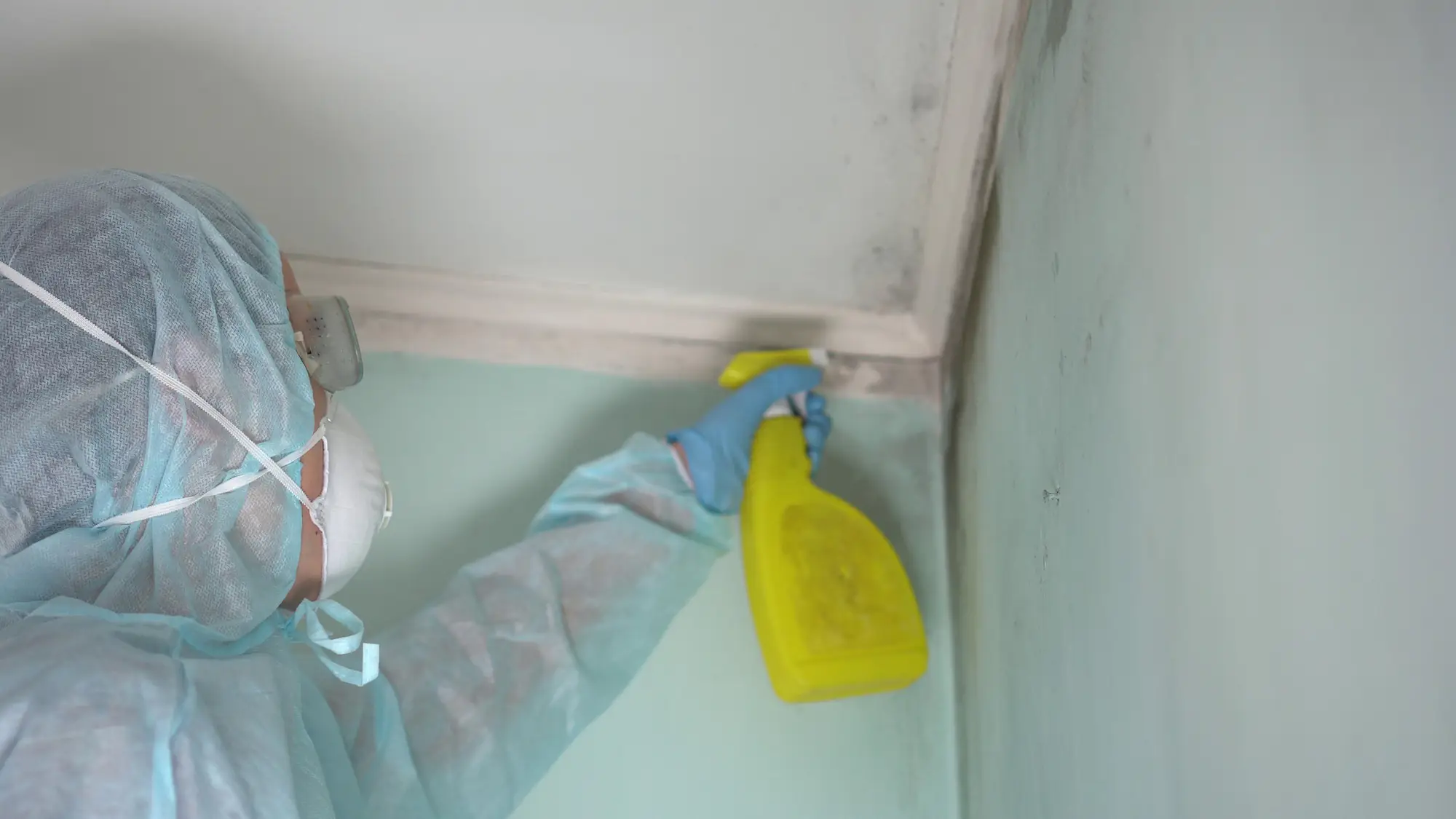
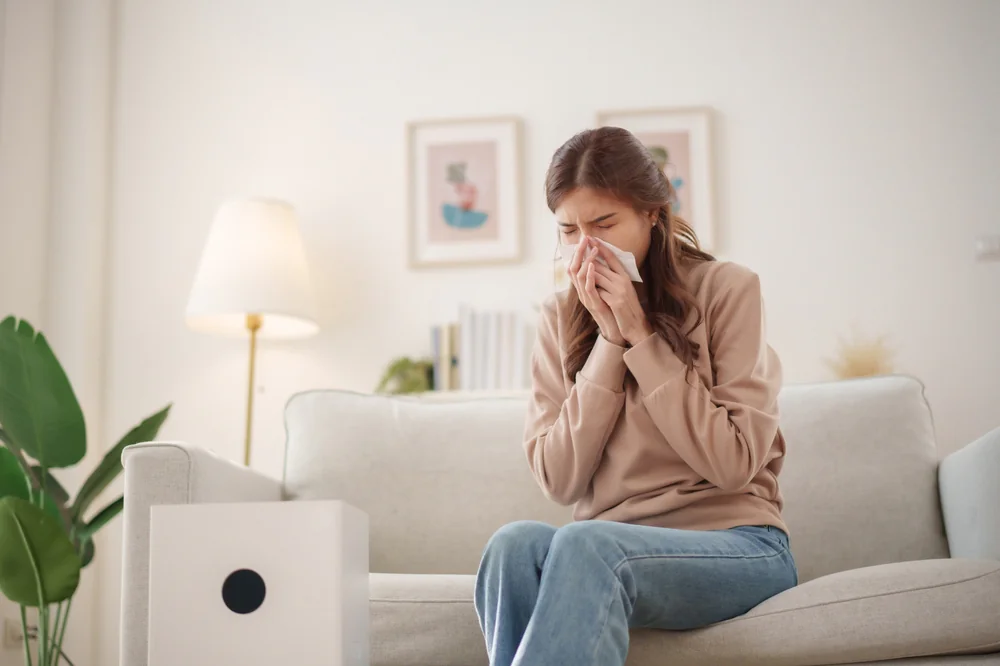
If you’re dealing with unexplained allergy symptoms, respiratory issues, or persistent musty odors, that’s a sign. Asthma attacks that happen more often at home than elsewhere—that’s another one. Visible mold, water damage, or high humidity levels are obvious red flags.
But sometimes there’s no clear symptom. Maybe you just want to know what you’re breathing, especially if you have young kids or elderly family members living with you. Indoor air can be 2 to 5 times more polluted than outdoor air, and you’re spending most of your time inside.
If your home is older, if you’ve had flooding or leaks, or if you’re in a humid area like Yellowood, PA, testing gives you a baseline. You’ll know if there’s a problem before it becomes a bigger, more expensive one. It’s not about paranoia—it’s about having actual information instead of guessing.
DIY kits test one spot in one room. They’re cheap, but they miss a lot. Mold and pollutants aren’t evenly distributed throughout your home. You might test your living room and get a clean result while your basement is full of spores.
Professional air quality testing uses multiple sample points and lab analysis. We’re collecting air samples from different areas, testing surfaces where contamination is likely, and using calibrated equipment that gives accurate readings. The samples go to an independent lab, so there’s no bias in the results.
You also get context. A DIY kit might tell you mold is present, but it won’t tell you what type, what concentration, or whether it’s at dangerous levels. We give you a full report with specific findings and recommendations. If remediation is needed, you’ll know exactly what needs to happen. If it’s not, you’re not wasting money on unnecessary work.
The on-site inspection and sample collection usually takes a couple of hours, depending on the size of your home and how many areas we’re testing. We’re thorough, but we’re not dragging it out.
Lab analysis takes a few days. Most results come back within 3 to 5 business days. If we’re doing radon testing, that requires a longer monitoring period—typically 48 to 72 hours—because radon levels fluctuate. We need that extended reading to get an accurate measurement.
Once we have the results, we schedule a follow-up to walk you through everything. That conversation usually takes 30 to 45 minutes. We’re explaining what we found, what it means, and what your options are. You’re not getting a rushed summary—you’re getting a real consultation so you can make an informed decision about what to do next.
Yes. A mold air test measures the concentration and types of mold spores in your indoor air. We compare those levels to outdoor air samples to see if you have elevated indoor levels. If the numbers are higher inside than outside, that’s a problem.
We’re also identifying the species of mold. Some types are more dangerous than others. Black mold gets a lot of attention, but there are other species that cause health issues too. Knowing what you’re dealing with helps determine the right remediation approach.
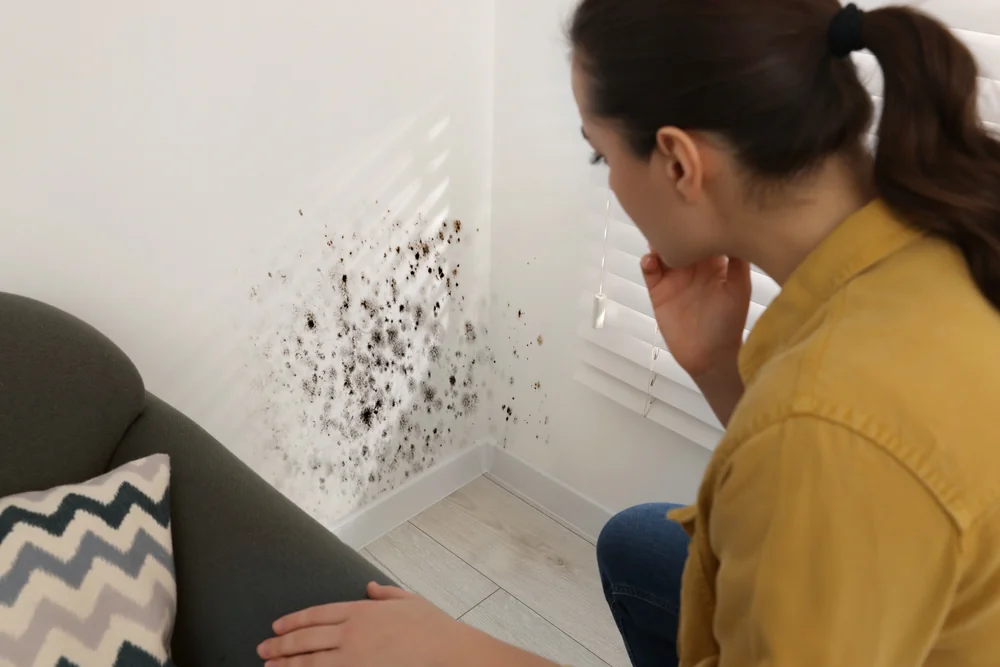
Surface testing is part of it too. If we see suspected mold growth on walls, ceilings, or other surfaces, we take samples from those areas. That tells us if what looks like mold actually is mold, and whether it’s actively growing or dormant. You’ll get a complete picture—not just “yes, you have mold,” but where it is, how much, and what type.
It depends on what you’re testing for and how big your home is. A basic mold air test with lab analysis typically runs a few hundred dollars. If you’re adding radon testing, VOC testing, or testing multiple rooms, the price goes up from there.
We don’t do cookie-cutter pricing because every home is different. A 1,200-square-foot ranch needs less testing than a 3,000-square-foot colonial with a finished basement. If you’ve got obvious moisture problems in multiple areas, we’re testing those zones. If it’s a general assessment, we’re focusing on the main living areas and any problem spots we identify during the inspection.
The best way to get an accurate price is to call us. We’ll ask a few questions about your home and what you’re concerned about, and we’ll give you a straightforward quote. No surprises, no upselling. You’ll know what it costs before we show up.
We sit down and go through the report with you. You’ll see exactly what pollutants were found, at what levels, and where they’re coming from. We explain what the numbers mean in plain terms—not lab jargon.
If remediation is needed, we’ll outline your options. Maybe it’s mold removal. Maybe it’s improving ventilation or addressing a moisture issue. Maybe it’s sealing foundation cracks to stop radon from entering. We’ll tell you what needs to happen and give you a realistic timeline and cost estimate.
If the results come back clean, that’s good news. You’ll have documentation showing your air quality is fine, and you can stop worrying about it. Either way, you’re making decisions based on real data, not assumptions. And if you need follow-up testing after remediation, we handle that too.
Other Services we provide in Yellowood