

Hear from Our Customers
You stop waking up with headaches. Your kids’ breathing improves. That musty smell in the basement finally disappears.
Mold doesn’t just look bad—it affects how you feel in your own home. When it’s removed correctly, you notice the difference within days. Clearer air. Less irritation. Actual peace of mind that your family isn’t breathing in something harmful.
The work we do goes beyond scrubbing visible spots. We find where moisture is getting in, eliminate the mold at its source, and seal things up so it doesn’t come back. Most jobs in Yellowood wrap up in three to five days. After that, you’re not wondering if the problem is still hiding somewhere. You know it’s handled.
Yellowood sits in one of the most mold-prone areas in Pennsylvania. Humid summers, older homes with limited airflow, basements that stay damp year-round—it’s the perfect setup for mold growth.
We’ve been working in Bucks County long enough to know where mold hides in these homes. Behind drywall near old plumbing. In attic corners where roof leaks went unnoticed. Under flooring in finished basements. We’ve seen it all, and we know how to get rid of it without tearing apart your entire house.
Every job gets a free inspection, lab testing when needed, and a clear plan before we start. No surprises, no upselling. Just straightforward mold removal that actually works.

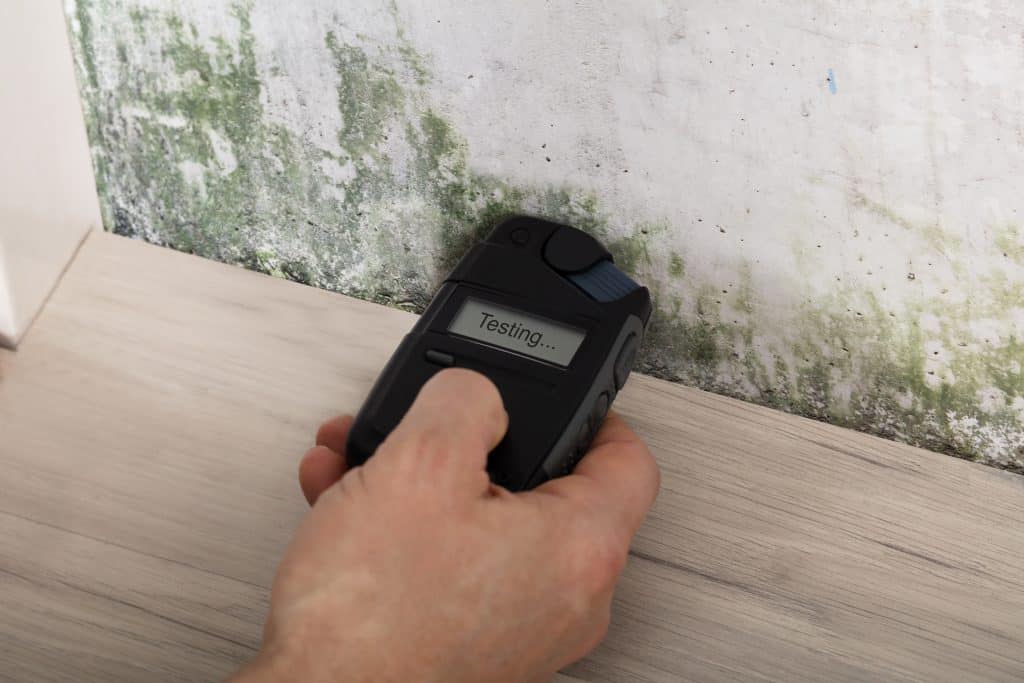
First, we inspect your property with moisture meters and thermal imaging to find every affected area—not just the spots you can see. Mold grows in hidden places, and if we don’t catch it all, you’ll be dealing with this again in six months.
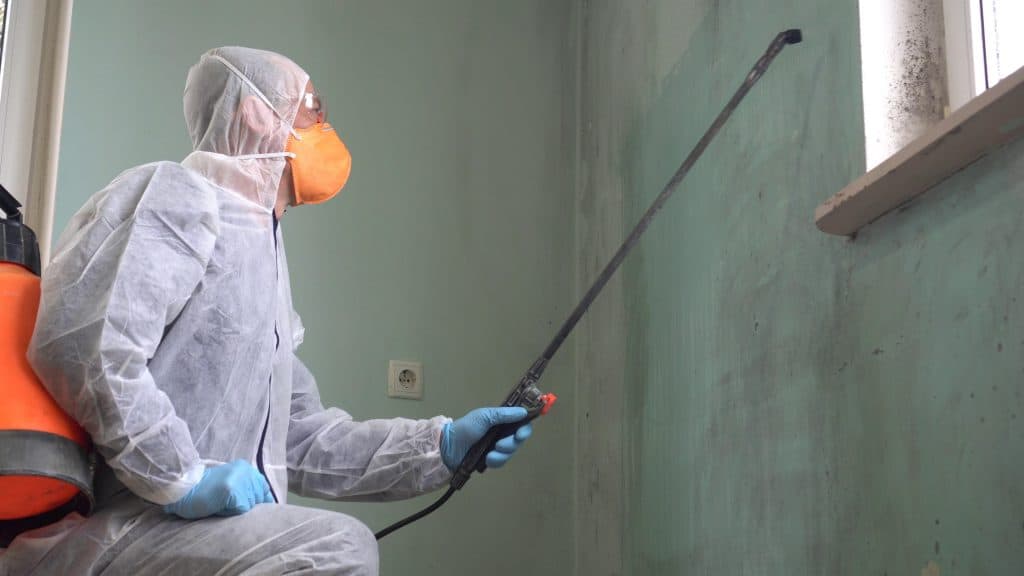
Once we know what we’re working with, we contain the area to prevent spores from spreading during removal. Then we remove contaminated materials safely, treat affected surfaces, and use HEPA filtration to clean the air. If there’s a moisture issue causing the problem—like a leak or poor ventilation—we’ll point it out so you can fix it.
After removal, we verify the air quality with testing and apply a protective seal that prevents regrowth. The whole process usually takes three to five days depending on the size of the affected area. You’ll get a 5-year warranty on the work, which means if mold comes back in a treated area, we come back and handle it at no charge.
Ready to get started?
Every mold removal project starts with a free inspection and continues through final air quality testing. You’re not paying for guesswork—you’re getting a documented process that follows EPA guidelines and IICRC standards.
Here’s what that looks like in practice: We use moisture detection tools to map out problem areas. We contain the workspace with physical barriers and negative air pressure so spores don’t travel to clean areas of your home. We remove mold-damaged materials and dispose of them properly. We treat remaining surfaces with antimicrobial solutions. We dry everything thoroughly and apply a protective coating.
In Yellowood specifically, we see a lot of basement mold from groundwater issues and attic mold from roof ventilation problems. Both are common in older Bucks County homes where building standards were different. Humidity here regularly hits 70% or higher in summer, which accelerates mold growth faster than in drier climates. That’s why the drying and sealing steps matter so much—they address the conditions that caused the mold in the first place, not just the visible growth.
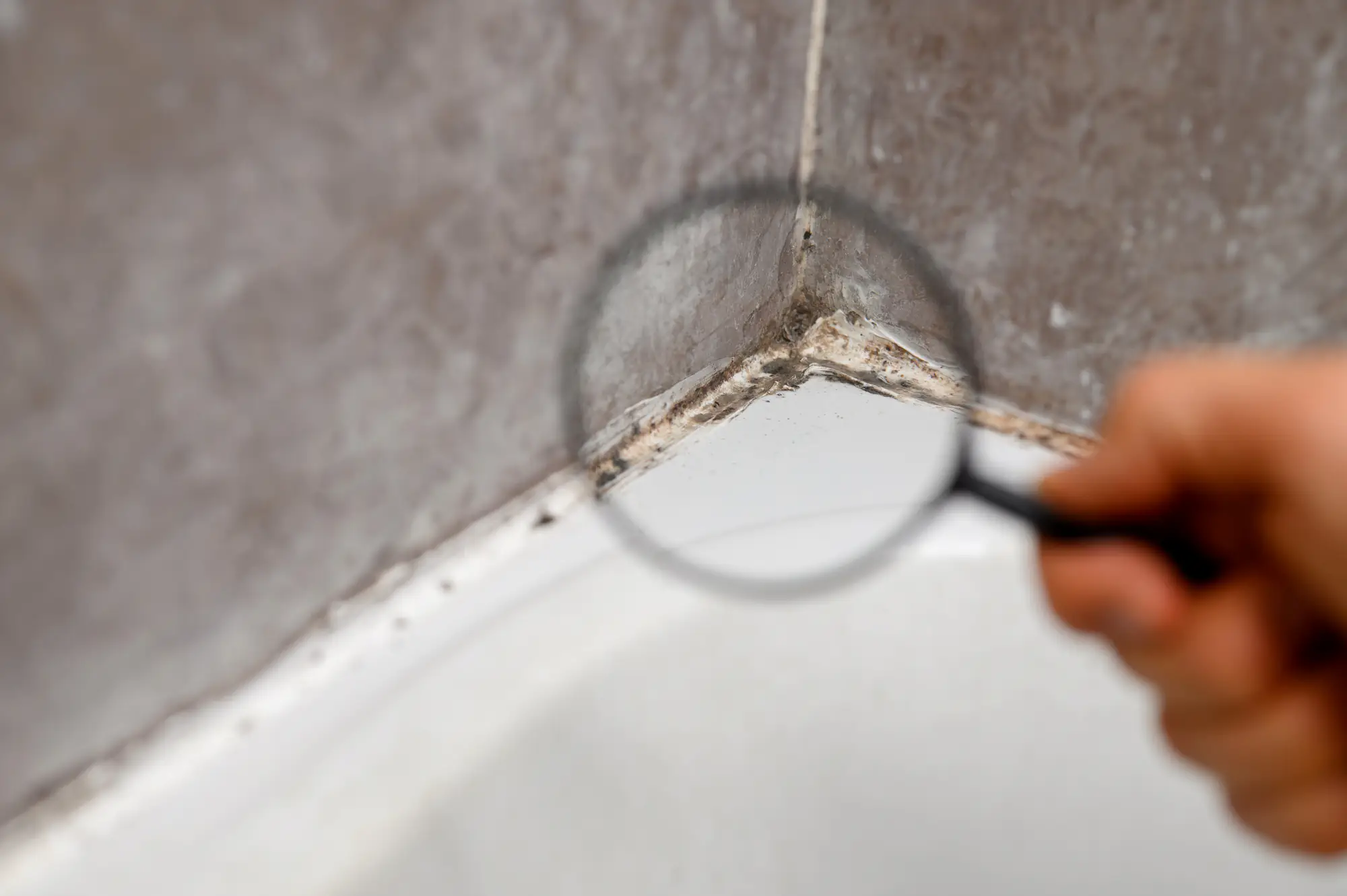
If you’re seeing black, green, or brown patches that keep coming back even after you clean them, that’s mold, not mildew. Mildew sits on the surface and wipes away easily. Mold penetrates porous materials like drywall, wood, and insulation.
The other telltale sign is smell. That musty, earthy odor that doesn’t go away even after you air out a room usually means mold is growing somewhere you can’t see—inside walls, under flooring, or in your HVAC system. If anyone in your house is experiencing unexplained respiratory issues, recurring sinus infections, or worsening allergies, mold could be the cause.
You can also check humidity levels. If any room in your house consistently stays above 60% humidity, you’re creating conditions where mold thrives. In Yellowood, basements and attics are the biggest culprits because they trap moisture and don’t get much airflow. A professional inspection will tell you for sure, and we offer those for free.
Most residential mold removal jobs in Yellowood take three to five days. That includes inspection, containment, removal, treatment, and final air quality testing. Smaller jobs—like a single bathroom or closet—might wrap up in two days. Larger projects involving multiple rooms or serious water damage can take a week or more.
The timeline depends on how widespread the mold is and whether we need to remove building materials like drywall or flooring. If mold has gotten into your HVAC system, that adds time because we have to clean the ductwork thoroughly. We also need to let treated areas dry completely before sealing them, which can’t be rushed.
Here’s what slows things down: discovering hidden mold once we open up walls, waiting for lab results if we’re testing an unknown mold type, or dealing with ongoing moisture issues that need to be fixed before we can finish. We’ll give you a realistic timeline after the inspection so you know what to expect. Most people are surprised by how fast the process actually moves once we start.
Remediation is the correct term for what we do, but most people search for “mold removal,” so that’s the language we use. Technically, you can’t remove every single mold spore from a building—mold exists naturally in outdoor air and comes inside through windows, doors, and ventilation. Remediation means bringing mold levels back to normal, safe levels and eliminating the conditions that allowed it to grow out of control.
That’s why the process involves more than just scrubbing visible mold. We identify and fix the moisture source, remove contaminated materials that can’t be salvaged, treat surfaces with antimicrobial solutions, and improve ventilation or waterproofing to prevent future growth. If we only removed the visible mold without addressing why it grew there, you’d have the same problem again in a few months.
In Yellowood, the most common moisture sources are basement seepage, roof leaks, and poor attic ventilation. We’ll point out what’s causing your specific mold issue so you can address it properly. Some fixes are simple, like redirecting a downspout. Others, like basement waterproofing, require a separate contractor. Either way, you’ll know what needs to happen.
Black mold—specifically Stachybotrys chartarum—can produce mycotoxins that cause serious health problems, especially in children, elderly people, and anyone with respiratory conditions or weakened immune systems. Symptoms include chronic coughing, headaches, fatigue, skin rashes, and difficulty breathing. Long-term exposure has been linked to more severe respiratory issues and neurological problems.
That said, not all black-colored mold is Stachybotrys. Several types of mold appear black or dark green, and some are less harmful than others. The only way to know exactly what you’re dealing with is through lab testing, which we include when there’s any question about the mold type.
Here’s the practical reality: any mold growing inside your home is a problem, regardless of the species. All mold releases spores and irritants that affect indoor air quality. If you have visible mold growth, it needs to be removed properly—not just painted over or wiped down with bleach. Bleach kills surface mold but doesn’t penetrate porous materials, so the mold just grows back. Professional removal gets rid of it completely and addresses the underlying moisture issue so it doesn’t return.
Most residential mold removal projects in Yellowood run between $1,500 and $4,000, depending on the size of the affected area and how much material needs to be removed. A small bathroom with mold around the tub might cost $1,500 to $2,000. A finished basement with mold behind drywall and in insulation could run $3,000 to $5,000 or more if we’re removing and replacing building materials.
The cost depends on several factors: square footage of affected area, type of materials involved (drywall is cheaper to replace than hardwood flooring), whether mold has spread into HVAC systems, and how accessible the mold is. Crawl spaces and attics cost more because they’re harder to work in. If we need to remove and reinstall insulation or replace sections of drywall, that increases the price.
We provide free inspections and written estimates before starting any work, so you’ll know exactly what you’re paying for. Most homeowners insurance policies cover mold removal if it resulted from a covered event like a burst pipe, but they typically won’t cover mold from long-term neglect or maintenance issues. We can work with your insurance company directly if your claim is approved. The key is addressing mold as soon as you find it—the longer you wait, the more it spreads, and the more expensive removal becomes.
If the affected area is smaller than 10 square feet and the mold is only on non-porous surfaces like tile or glass, you can probably handle it yourself with proper protective equipment and cleaning solutions. Anything larger than that, or any mold on porous materials like drywall, wood, or carpet, should be handled by professionals. Here’s why: disturbing mold releases thousands of spores into the air, and without proper containment, you spread the problem to other areas of your home.
DIY mold removal also misses hidden growth. What you see on the surface is usually just a fraction of the problem. Mold grows inside walls, under flooring, and in insulation where you can’t reach it without the right equipment. If you don’t find and remove all of it, you’re just temporarily improving the appearance while the actual problem continues to grow.
Professional removal includes containment barriers, HEPA air filtration, proper disposal of contaminated materials, antimicrobial treatment, and verification testing to confirm the mold is actually gone. We also identify the moisture source so you can fix it and prevent regrowth. Most importantly, we carry insurance that protects you if something goes wrong during the removal process. If you try to do it yourself and accidentally spread mold throughout your house or expose your family to high spore concentrations, you’re looking at a much bigger problem than you started with.
Other Services we provide in Yellowood